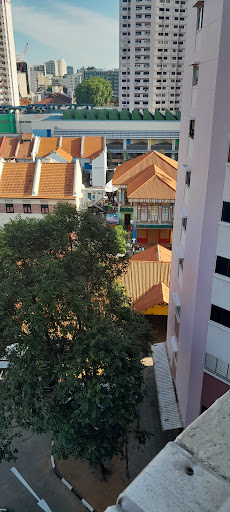
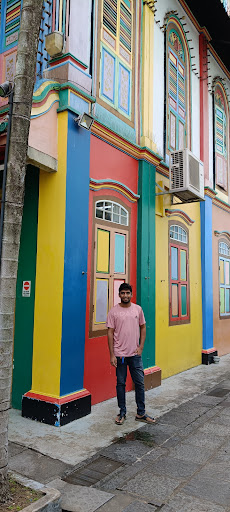
Former House of Tan Teng Niah things to do, attractions, restaurants, events info and trip planning
Basic Info
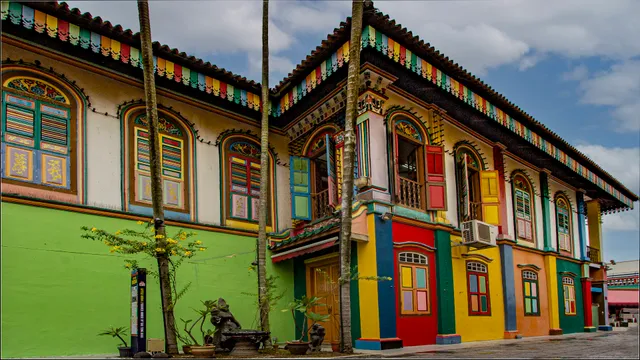
Former House of Tan Teng Niah
37 Kerbau Rd, Singapore 219168
4.3(1.1K)
Open until 12:00 AM
Save
spot
spot
Ratings & Description
Info
Cultural
Scenic
Family friendly
attractions: Sri Veeramakaliamman Temple, Siddh Peeth Shree Lakshminarayan Temple, The Indian Heritage Pte Ltd, Singapore Visitor Centre @Indian Heritage Centre, Dunlop street, Gita Reading Society, Svayambhu Fine Arts, Masjid Abdul Gafoor, Little India, Foochow Methodist Church, restaurants: Veera Flavours, Komala Vilas Restaurant, Singapore, Mr Biryani, Madura's Vilas, Mustard Singapore - Flavours of Bengal & Punjab, Tangra Chinese, Jaggi's Northern Indian Cuisine, The Banana Leaf Apolo, Kolkata Beckons, Delhi6 Race Course Rd Outlet, local businesses: Tan Teng Niah, Abiraame Popular Jewellers Pte Ltd, Gooday Beautie Parlour, Karthika Enterprises Pte Ltd, Little India MRT, Joyalukkas Jewellery Little India, Merlin Goldsmith & Jewellery Pte Ltd, Jothi Flower Shop, Little India Arcade, Abiraame Jewellers
 Learn more insights from Wanderboat AI.
Website
roots.gov.sg
Open hoursSee all hours
TueOpen 24 hoursOpen
Plan your stay

Pet-friendly Hotels in Singapore
Find a cozy hotel nearby and make it a full experience.

Affordable Hotels in Singapore
Find a cozy hotel nearby and make it a full experience.

The Coolest Hotels You Haven't Heard Of (Yet)
Find a cozy hotel nearby and make it a full experience.

Trending Stays Worth the Hype in Singapore
Find a cozy hotel nearby and make it a full experience.
Reviews
Live events
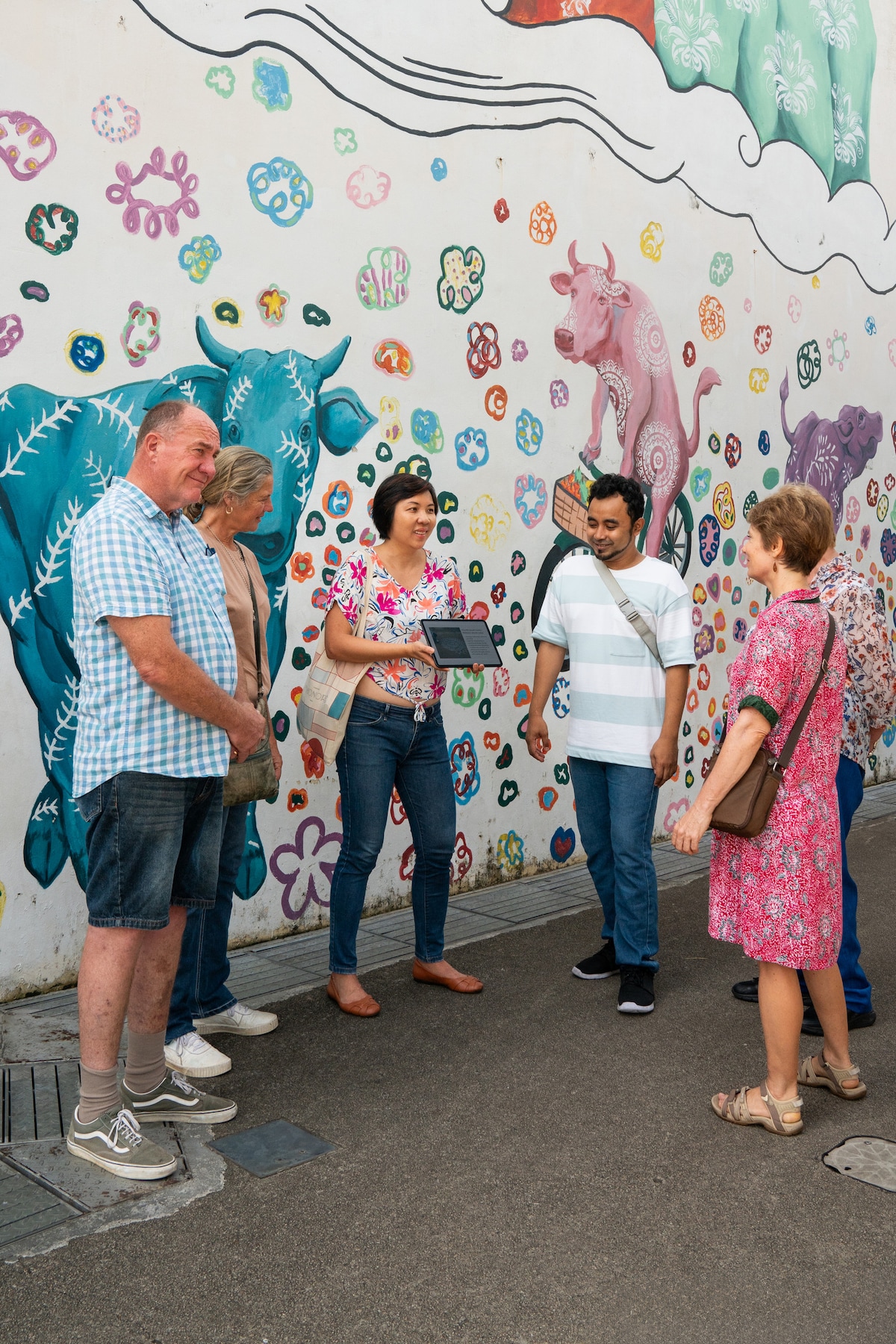
Explore street food and vibrant art like a local
Wed, Jan 28 • 9:30 AM
219812, Singapore
View details
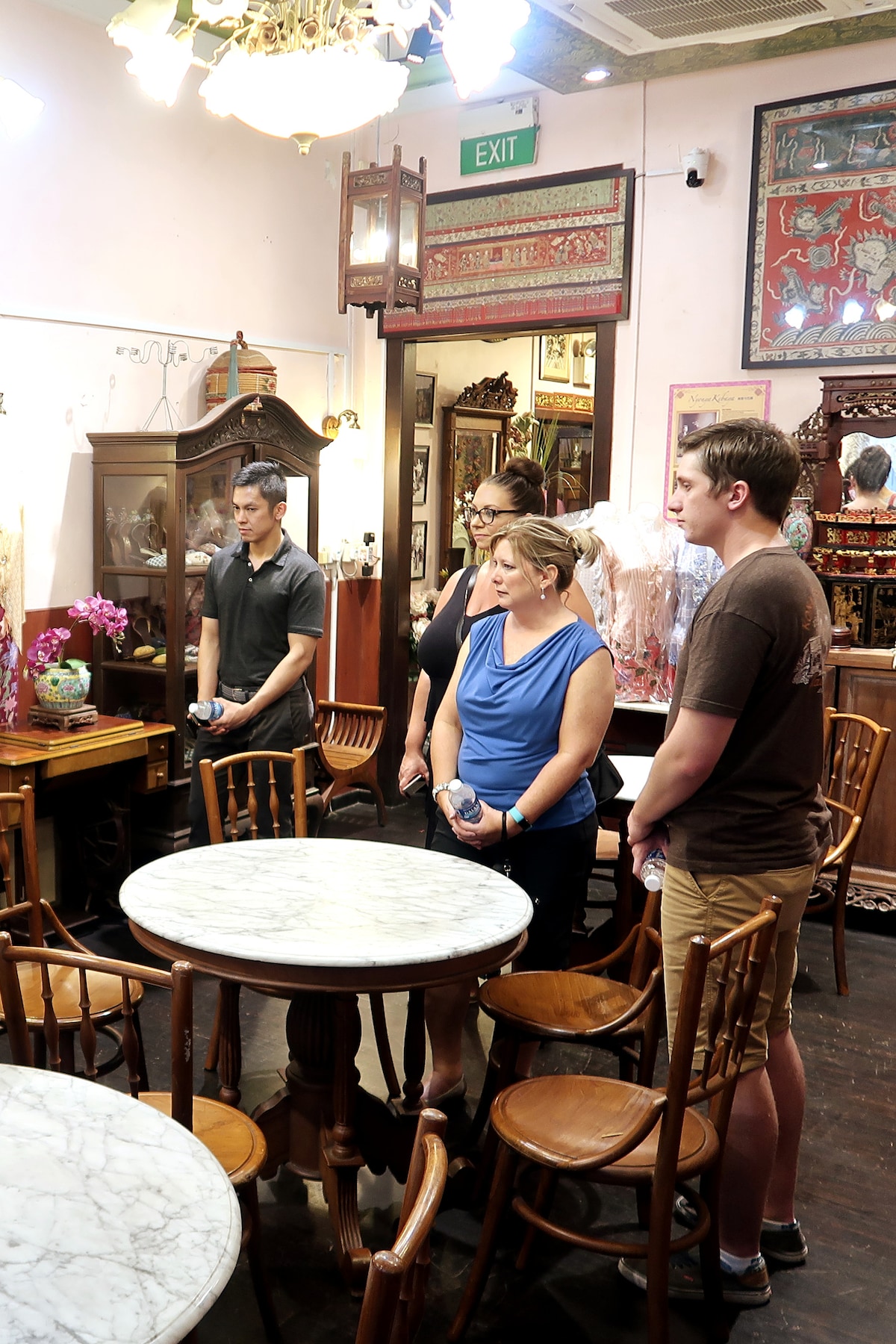
Katong Canvas - A Street Art & Peranakan Odyssey
Sun, Feb 1 • 9:00 AM
428802, Singapore
View details

Singapore Street Food & Night Tour
Tue, Jan 27 • 6:00 PM
059817, Singapore
View details
Nearby attractions of Former House of Tan Teng Niah
Sri Veeramakaliamman Temple
Siddh Peeth Shree Lakshminarayan Temple
The Indian Heritage Pte Ltd
Singapore Visitor Centre @Indian Heritage Centre
Dunlop street
Gita Reading Society
Svayambhu Fine Arts
Masjid Abdul Gafoor
Little India
Foochow Methodist Church
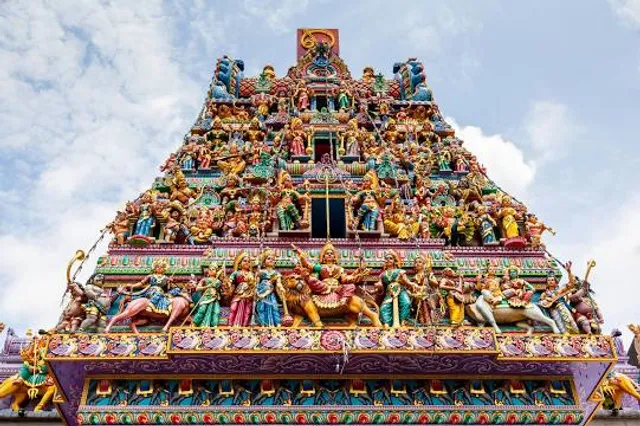
Sri Veeramakaliamman Temple
4.6
(3.6K)
Closed
Click for details
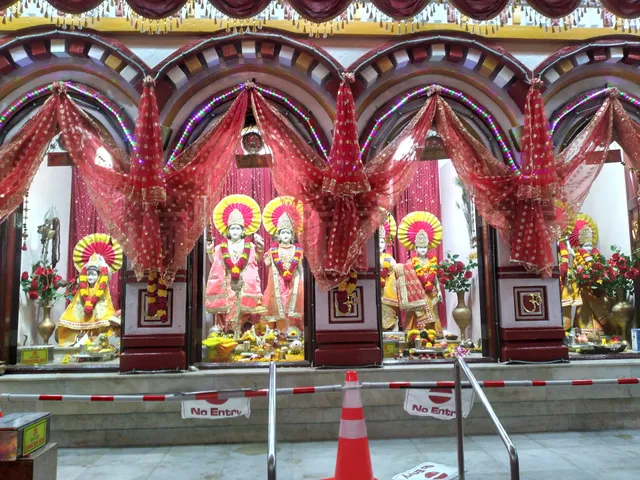
Siddh Peeth Shree Lakshminarayan Temple
4.7
(524)
Open 24 hours
Click for details
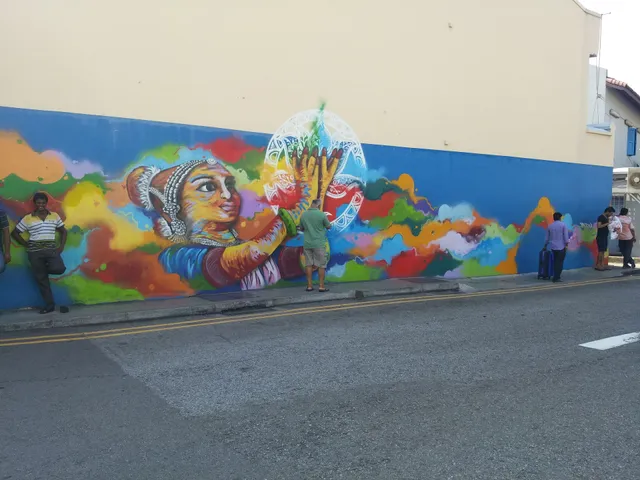
The Indian Heritage Pte Ltd
4.2
(151)
Open 24 hours
Click for details
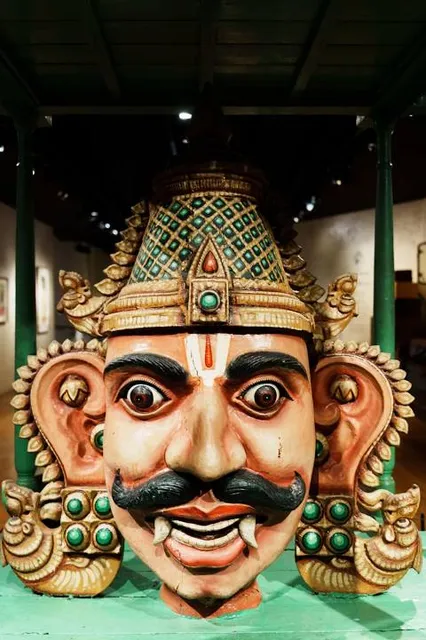
Singapore Visitor Centre @Indian Heritage Centre
4.5
(814)
Open until 12:00 AM
Click for details
Nearby restaurants of Former House of Tan Teng Niah
Veera Flavours
Komala Vilas Restaurant, Singapore
Mr Biryani
Madura's Vilas
Mustard Singapore - Flavours of Bengal & Punjab
Tangra Chinese
Jaggi's Northern Indian Cuisine
The Banana Leaf Apolo
Kolkata Beckons
Delhi6 Race Course Rd Outlet
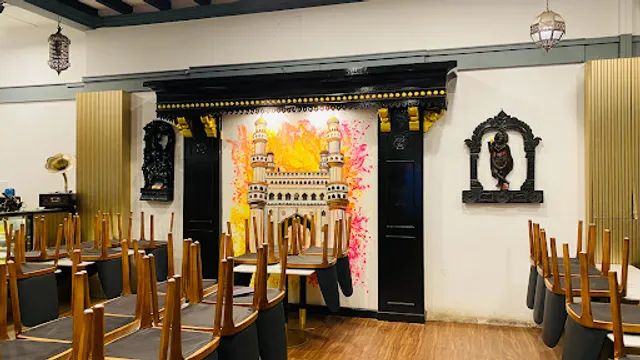
Veera Flavours
4.7
(584)
Closed
Click for details
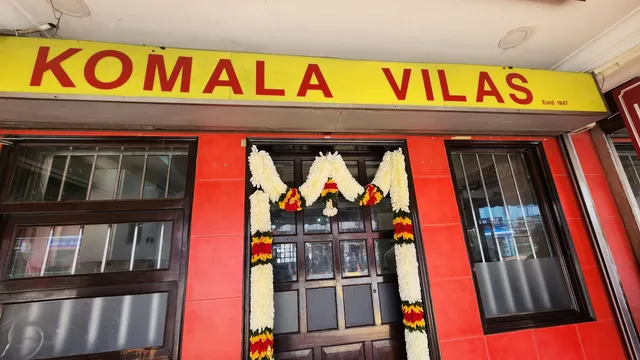
Komala Vilas Restaurant, Singapore
4.2
(2.9K)
Closed
Click for details
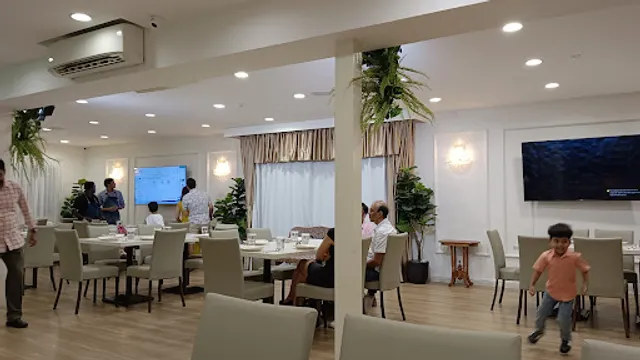
Mr Biryani
4.4
(1.3K)
Closed
Click for details
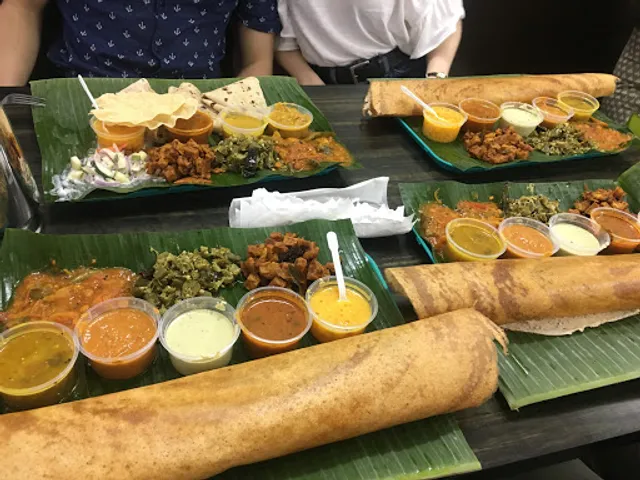
Madura's Vilas
4.1
(1.0K)
Closed
Click for details
Nearby local services of Former House of Tan Teng Niah
Tan Teng Niah
Abiraame Popular Jewellers Pte Ltd
Gooday Beautie Parlour
Karthika Enterprises Pte Ltd
Little India MRT
Joyalukkas Jewellery Little India
Merlin Goldsmith & Jewellery Pte Ltd
Jothi Flower Shop
Little India Arcade
Abiraame Jewellers
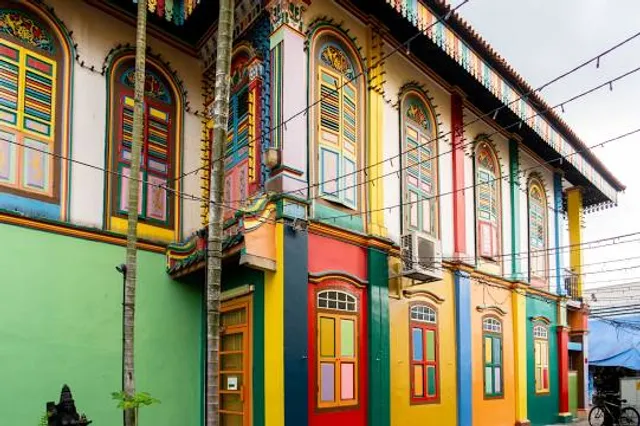
Tan Teng Niah
4.3
(862)
Click for details

Abiraame Popular Jewellers Pte Ltd
4.9
(1.6K)
Click for details
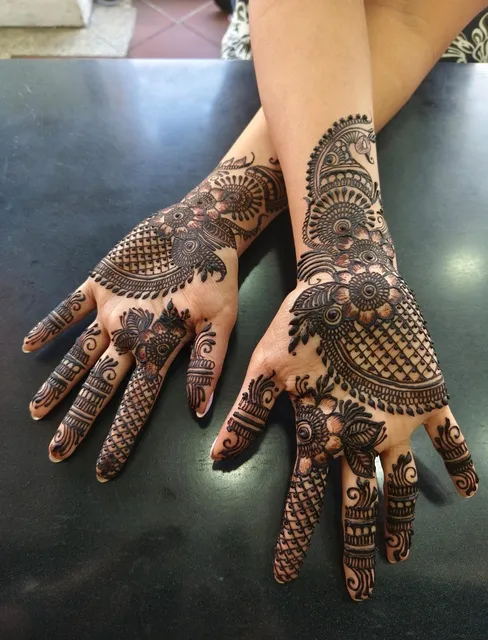
Gooday Beautie Parlour
4.7
(1.8K)
Click for details
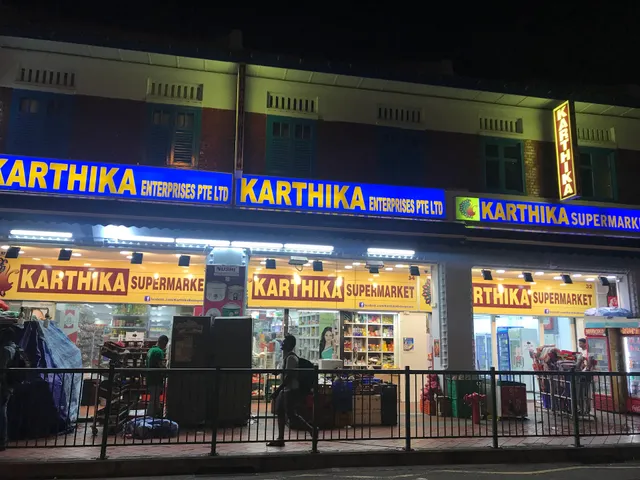
Karthika Enterprises Pte Ltd
4.1
(393)
Click for details