Sant Pau del Camp things to do, attractions, restaurants, events info and trip planning
Basic Info
Sant Pau del Camp
Carrer de Sant Pau, 99, Ciutat Vella, 08001 Barcelona, Spain
4.5(685)
Open until 6:00 PM


tickets
Save
spot
spot
Ratings & Description
Info
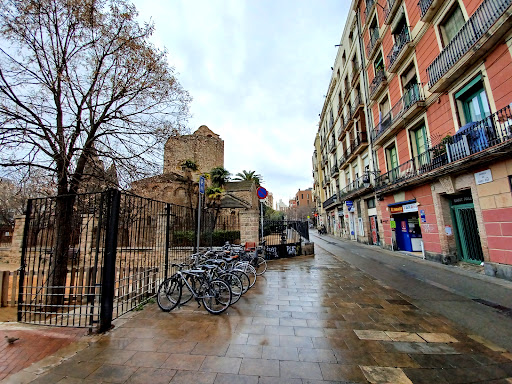
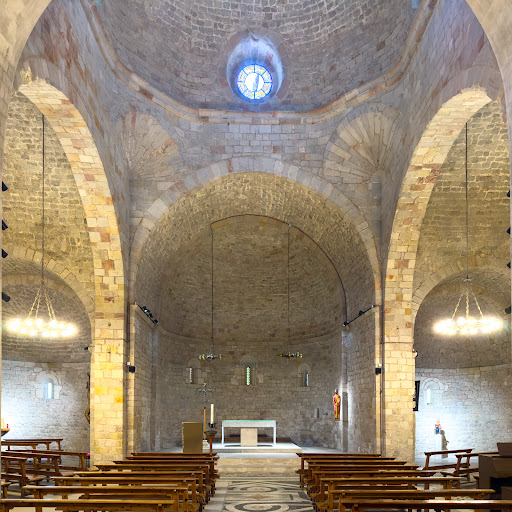
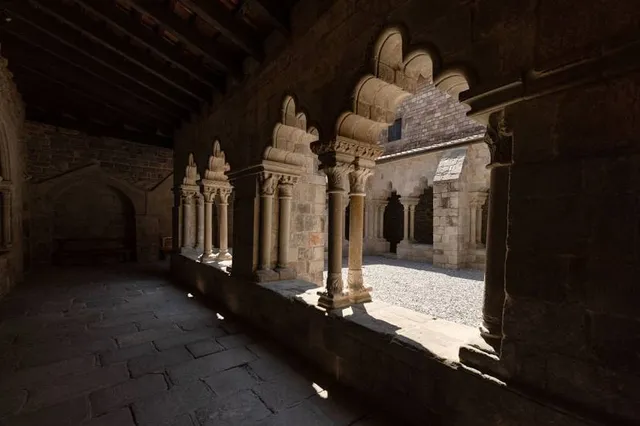
Sant Pau del Camp is a church and former monastery in Barcelona, Catalonia, Spain. While the monastery now stands within the El Raval district in central Barcelona, it once stood outside the city; its rural location gave the church its name.
Cultural
Scenic
Accessibility
attractions: Sala Paral·lel 62,, El Gato de Botero, Jardins de Sant Pau del Camp, Güell Palace, LAUT, Parc del Mirador del Poble-sec, Cordova, Jardins de les Tres Xemeneies, Centre Cultural Albareda, Plaça Reial, restaurants: El Pachuco, Chilango's, Rincón Del Raval, Rice To Meet You, Hell Awaits, Antic Cafè Espanyol, OMU’ Coffee, El Rincón del Artista, La Confitería, Caleuche, local businesses: Museo Etnológico y de Culturas del Mundo, Avinguda del Paral·lel, 62, Carrer Nou de la Rambla, 91, Conservatori Superior de Música del Liceu, Carrefour Express, Nitsa Barcelona, Street Art Barcelona, Mercat de la Terra - Slow Food Barcelona, Lavandería Molino, Raval electrodomestico
 Learn more insights from Wanderboat AI.
Phone
+34 934 41 00 01
Website
santpaudelcamp.cat
Open hoursSee all hours
Thu10 AM - 6 PMOpen
Plan your stay

Pet-friendly Hotels in Barcelona
Find a cozy hotel nearby and make it a full experience.

Affordable Hotels in Barcelona
Find a cozy hotel nearby and make it a full experience.

The Coolest Hotels You Haven't Heard Of (Yet)
Find a cozy hotel nearby and make it a full experience.

Trending Stays Worth the Hype in Barcelona
Find a cozy hotel nearby and make it a full experience.
Reviews
Live events
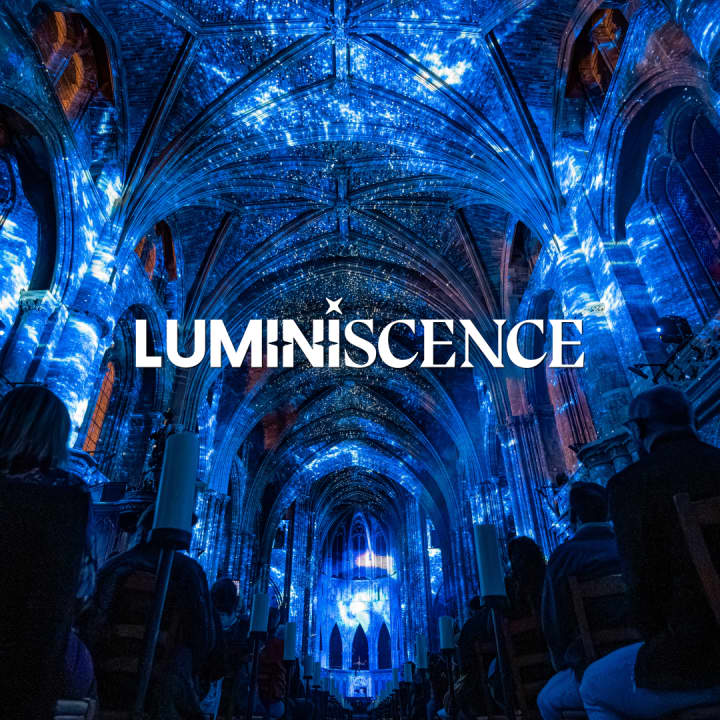
LUMINISCENCE: Sumérgete en los secretos de la Basílica Santa Maria del Pi
Thu, Feb 26 • 7:45 PM
Plaça del Pi, 7, Barcelona, 08002
View details
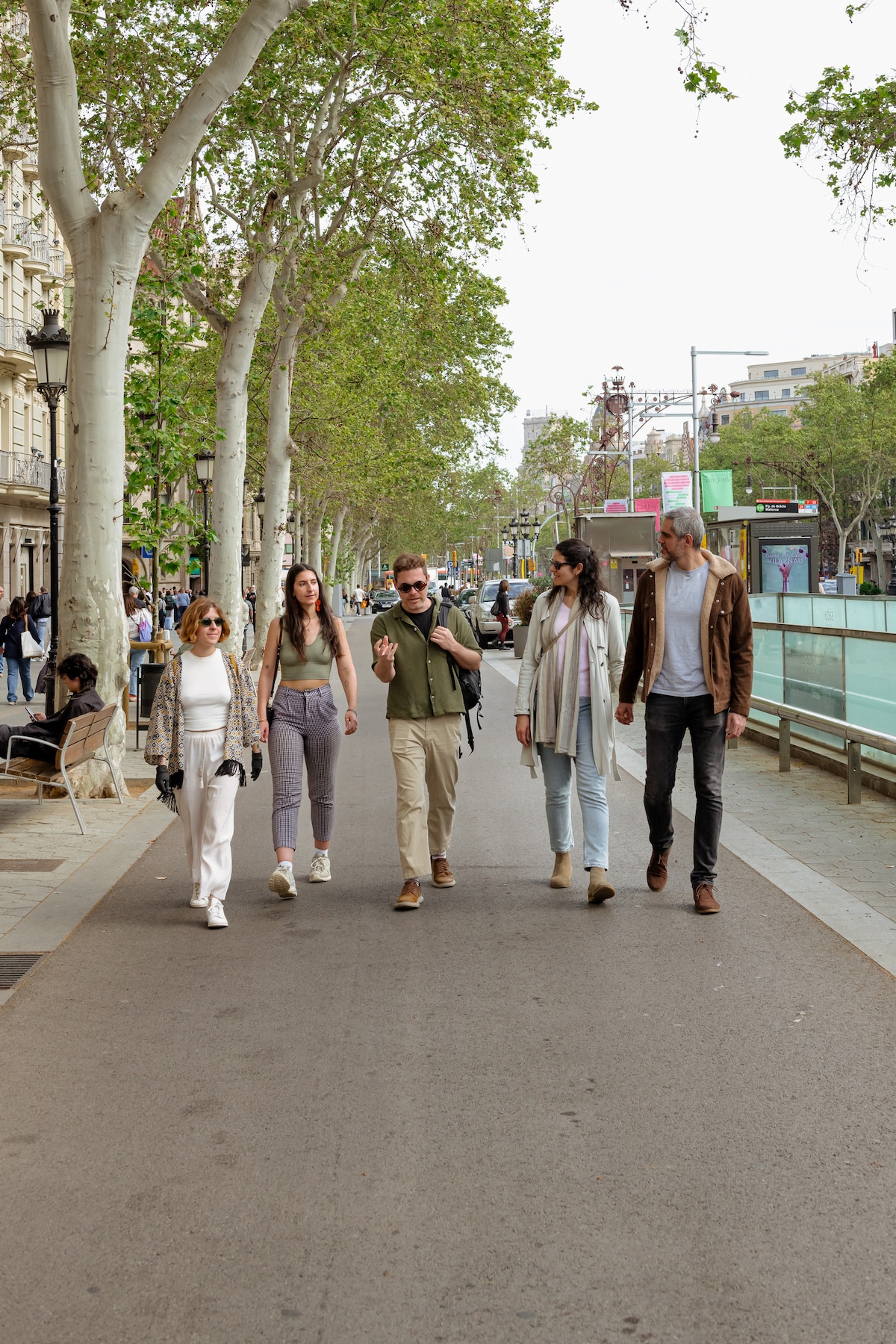
Sagrada Familia Sunset and Gaudi Tour
Thu, Feb 26 • 3:00 PM
08007, Barcelona, Catalonia, Spain
View details
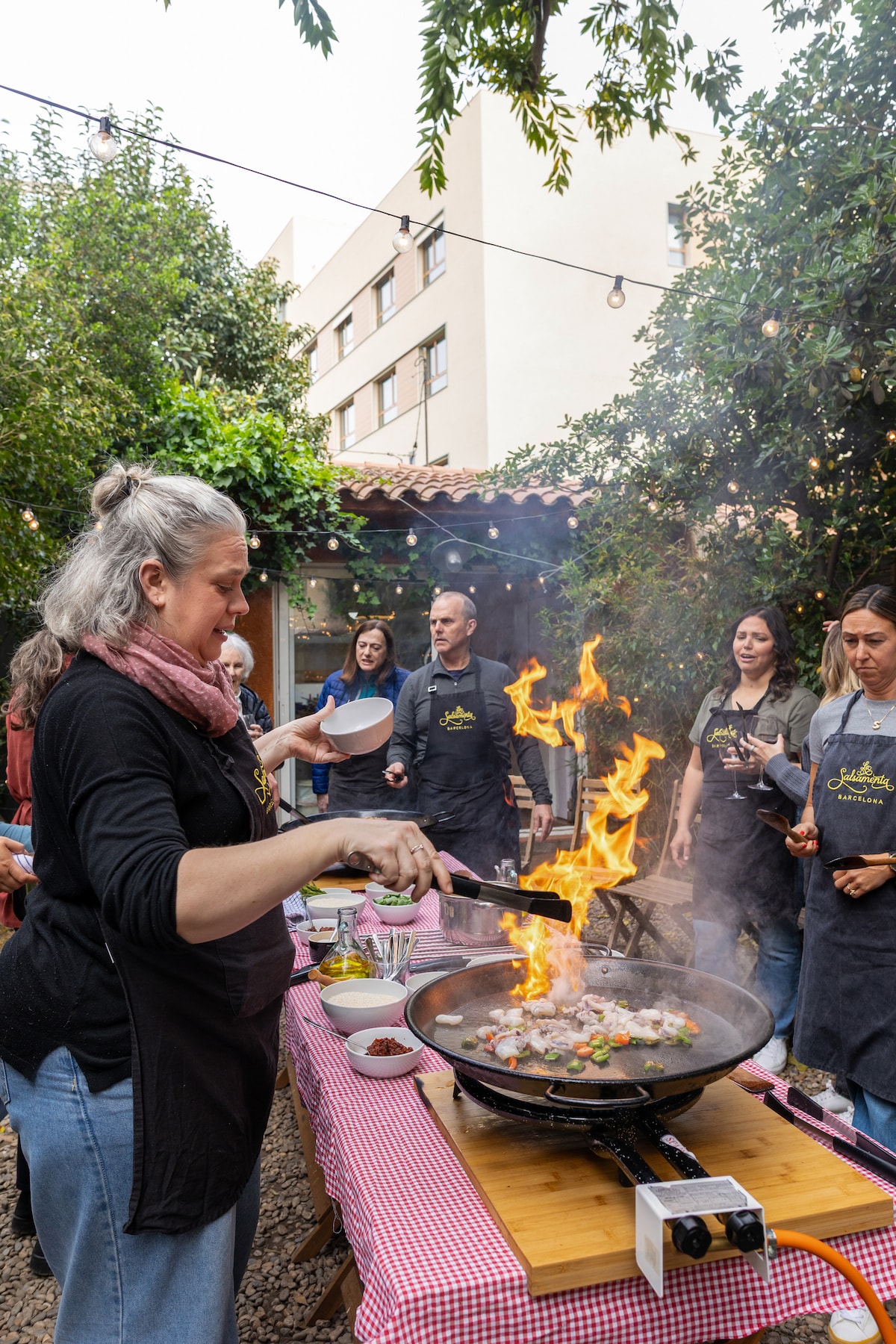
Paella in my secret garden
Thu, Feb 26 • 12:30 PM
08024, Barcelona, Catalonia, Spain
View details
Nearby attractions of Sant Pau del Camp
Sala Paral·lel 62,
El Gato de Botero
Jardins de Sant Pau del Camp
Güell Palace
LAUT
Parc del Mirador del Poble-sec
Cordova
Jardins de les Tres Xemeneies
Centre Cultural Albareda
Plaça Reial
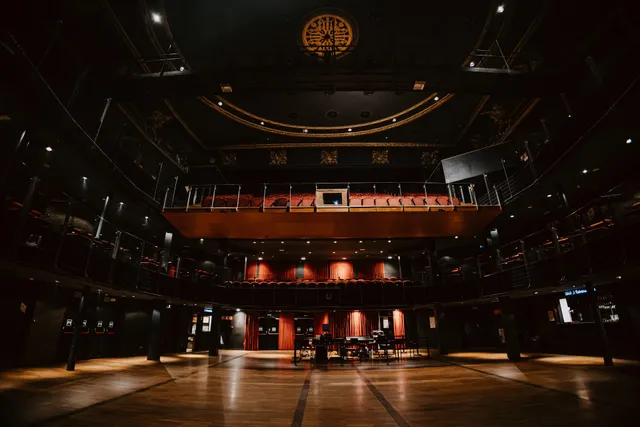
Sala Paral·lel 62,
4.5
(776)
Open 24 hours
Click for details
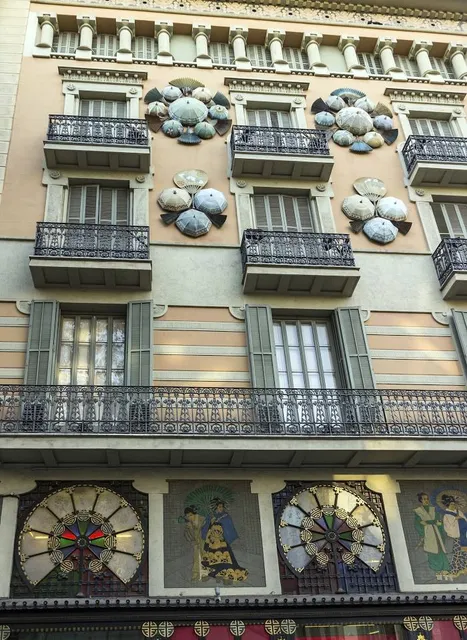
El Gato de Botero
4.4
(3.2K)
Open until 12:00 AM
Click for details
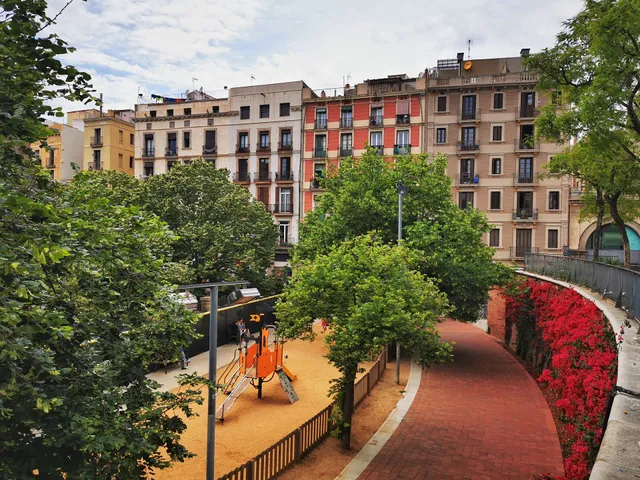
Jardins de Sant Pau del Camp
3.8
(60)
Open 24 hours
Click for details
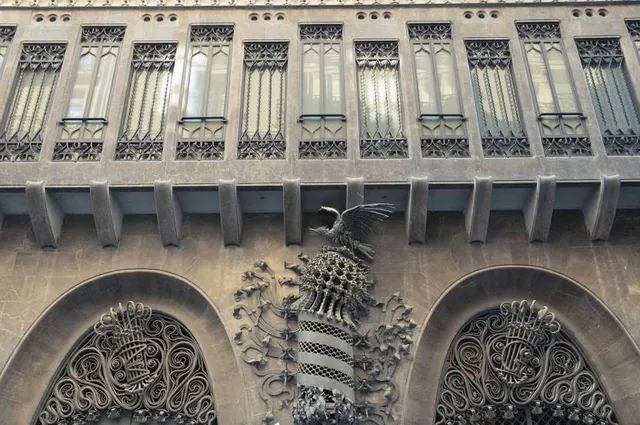
Güell Palace
4.6
(8.4K)
Open until 5:30 PM
Click for details
Nearby restaurants of Sant Pau del Camp
El Pachuco
Chilango's
Rincón Del Raval
Rice To Meet You
Hell Awaits
Antic Cafè Espanyol
OMU’ Coffee
El Rincón del Artista
La Confitería
Caleuche
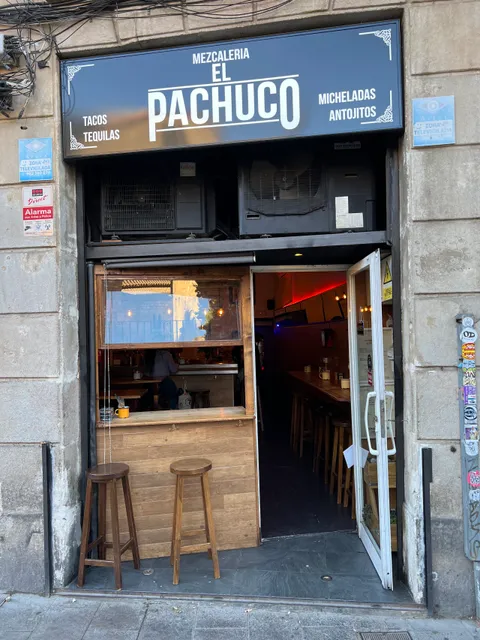
El Pachuco
4.5
(2.6K)
$
Open until 2:00 AM
Click for details
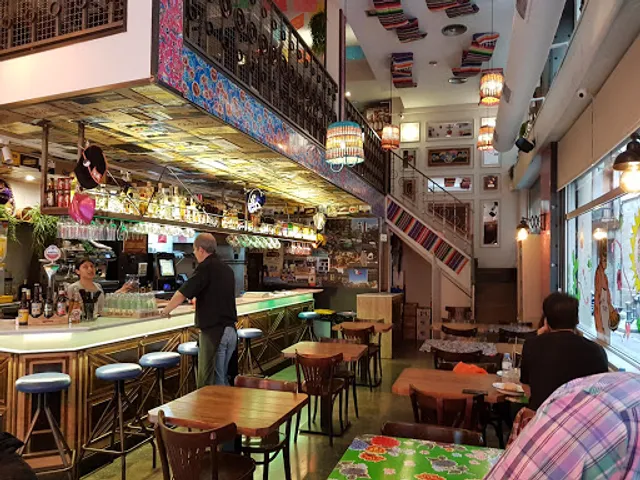
Chilango's
4.7
(2.9K)
$
Open until 12:00 AM
Click for details
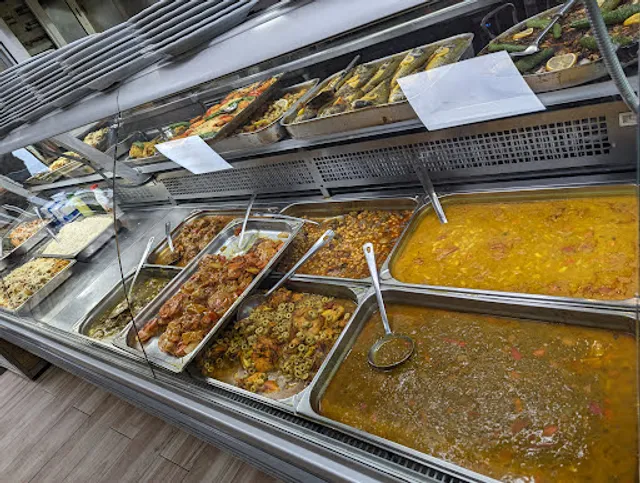
Rincón Del Raval
4.5
(336)
Open until 12:00 AM
Click for details

Rice To Meet You
5.0
(29)
Closed
Click for details
Nearby local services of Sant Pau del Camp
Museo Etnológico y de Culturas del Mundo
Avinguda del Paral·lel, 62
Carrer Nou de la Rambla, 91
Conservatori Superior de Música del Liceu
Carrefour Express
Nitsa Barcelona
Street Art Barcelona
Mercat de la Terra - Slow Food Barcelona
Lavandería Molino
Raval electrodomestico
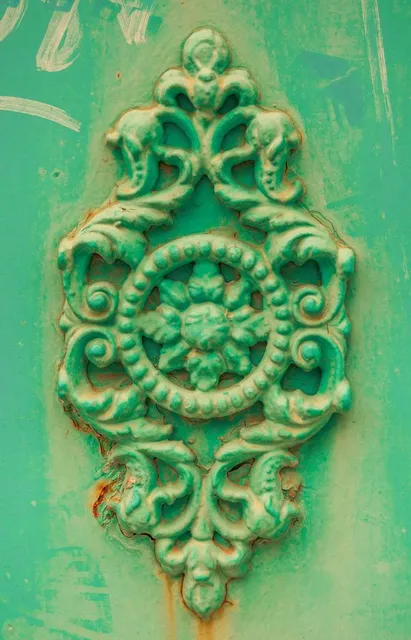
Museo Etnológico y de Culturas del Mundo
4.6
(825)
Click for details
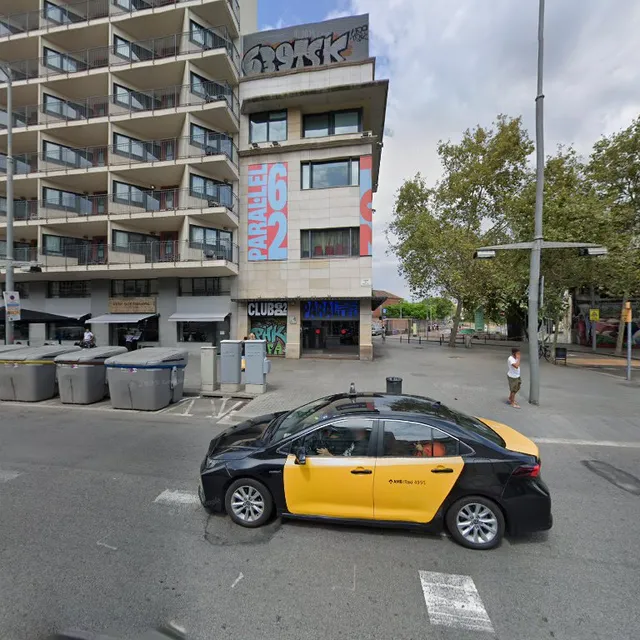
Avinguda del Paral·lel, 62
4.5
(794)
Click for details
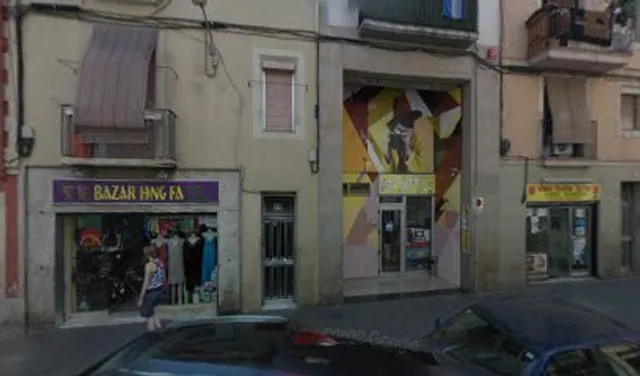
Carrer Nou de la Rambla, 91
3.8
(209)
Click for details
Conservatori Superior de Música del Liceu
4.6
(98)
Click for details