Cuarto Real de Santo Domingo things to do, attractions, restaurants, events info and trip planning
Basic Info
Cuarto Real de Santo Domingo
Pl. de los Campos, 6, Centro, 18009 Granada, Spain
4.3(1.2K)
Closed

tickets
Save
spot
spot
Ratings & Description
Info
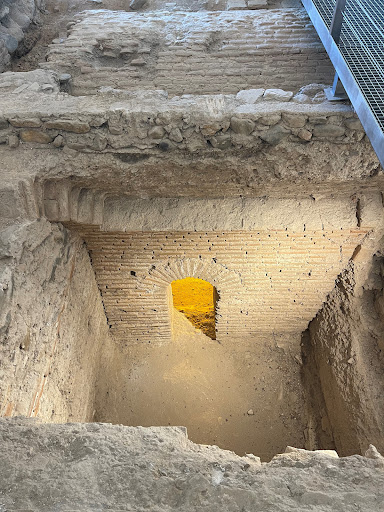
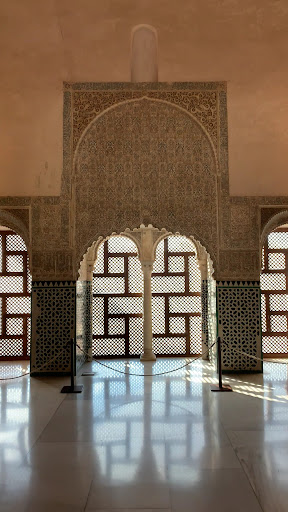
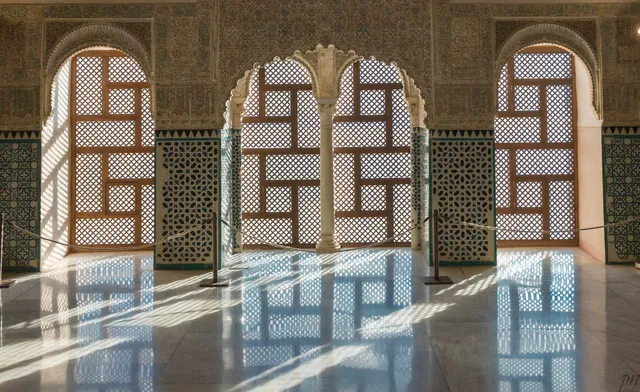
The Cuarto Real de Santo Domingo is a former Nasrid palace and convent in Granada, Spain. It is located in the Realejo quarter of the city.
Cultural
Accessibility
attractions: Fuente de las Batallas, Iglesia de Santo Domingo, Basílica Virgen de las Angustias, Fuente de las Granadas, Teatro Isabel La Católica, Museo Casa de los Tiros, Palacio de los Condes de Gabia, Plaza Isabel La Católica, Oficina de Turismo de Granada, Galería de Arte Cefe Navarro, restaurants: Asador de Castilla, Café Fútbol, Taberna La Tana, Rosario Varela, Bar Los Diamantes II, Los Marianos, La Esquinita de Javi II, La Botillería, La Esquinita de Javi, Biloba, local businesses: Carrera de la Virgen, 20, Carrefour Express, Taberna Bolavento, Supermercado El Corte Ingles, Cine Madrigal, Mariscal Delicatessen - Restaurante, Discoteca Backstage, La Casa della Pasta, Multiópticas, Casa Ysla Pastelería-Cafetería / Piononos
 Learn more insights from Wanderboat AI.
Phone
+34 958 84 91 11
Website
albaicin-granada.com
Open hoursSee all hours
Wed10 am - 2 pm, 4:30 - 8 pmClosed
Plan your stay

Pet-friendly Hotels in Granada
Find a cozy hotel nearby and make it a full experience.

Affordable Hotels in Granada
Find a cozy hotel nearby and make it a full experience.

The Coolest Hotels You Haven't Heard Of (Yet)
Find a cozy hotel nearby and make it a full experience.

Trending Stays Worth the Hype in Granada
Find a cozy hotel nearby and make it a full experience.
Reviews
Live events

The Jury Experience — Muerte por IA: ¿Quién Paga el precio?
Sat, Feb 28 • 9:00 PM
C. Padre Francisco Palau y Quer, 19, Granada, 18006
View details
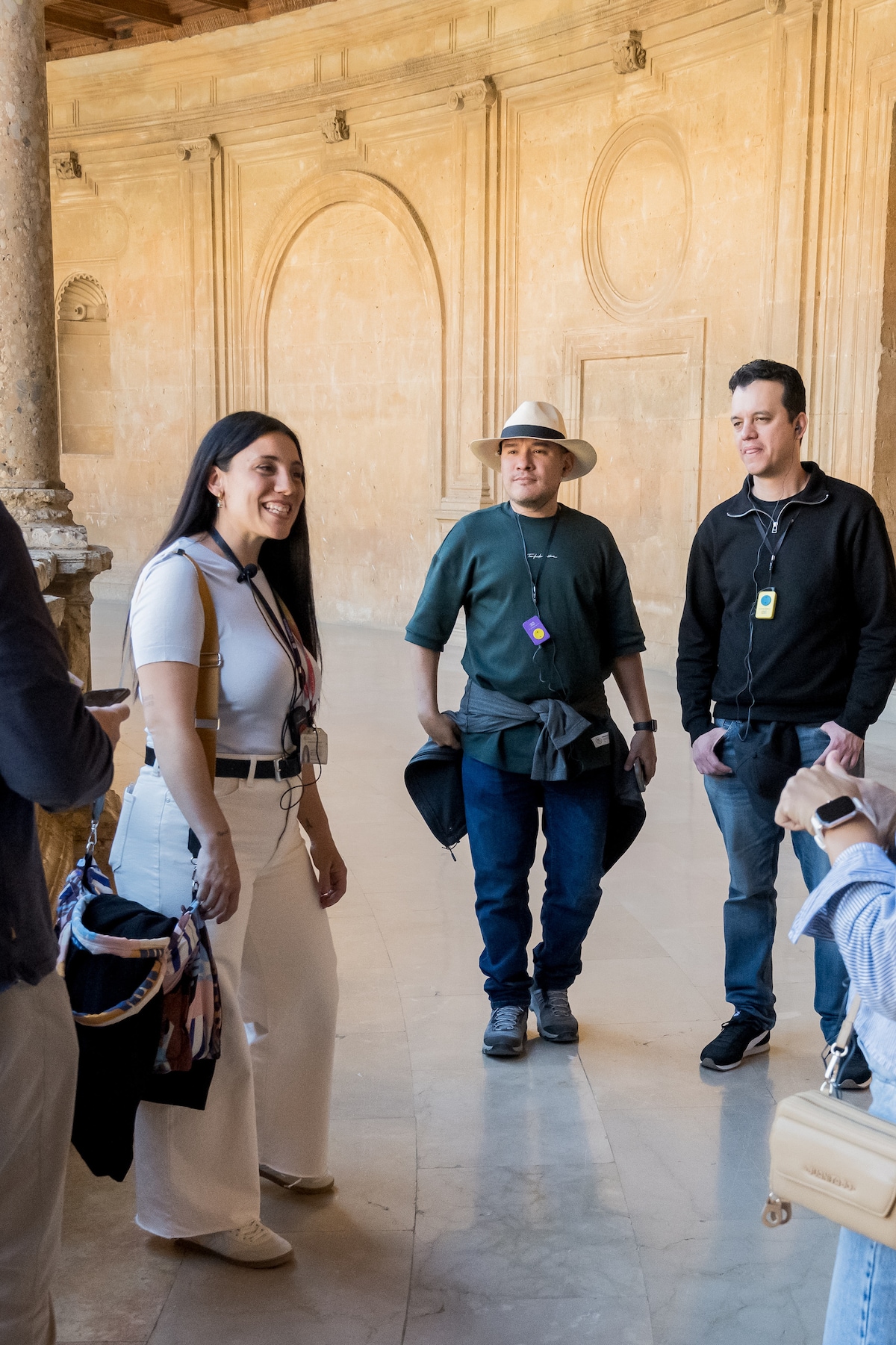
Discover the Alhambra with tickets included
Mon, Mar 2 • 12:00 PM
18009, Granada, Andalusia, Spain
View details
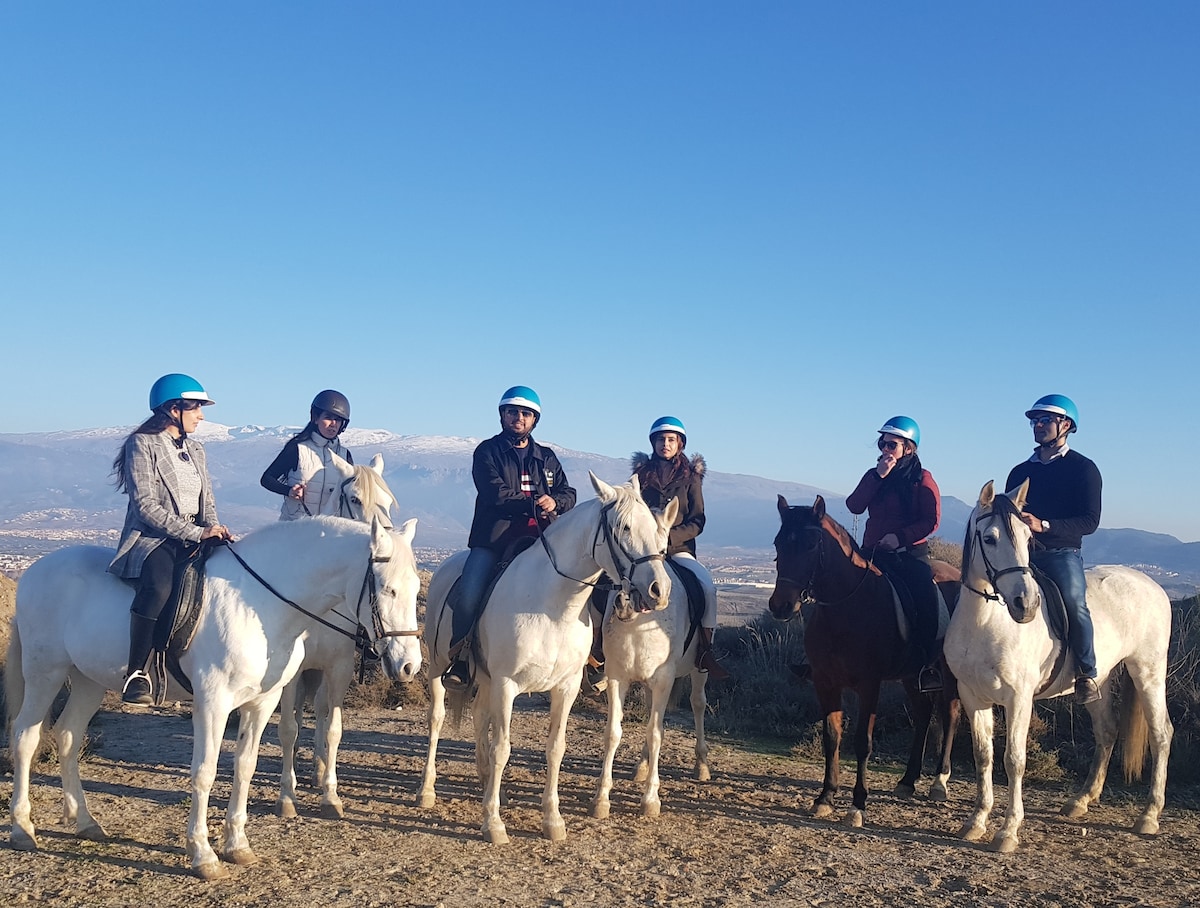
Ride through Montevives natural beauty
Wed, Feb 25 • 10:30 AM
18110, Las Gabias, Andalucía, Spain
View details
Nearby attractions of Cuarto Real de Santo Domingo
Fuente de las Batallas
Iglesia de Santo Domingo
Basílica Virgen de las Angustias
Fuente de las Granadas
Teatro Isabel La Católica
Museo Casa de los Tiros
Palacio de los Condes de Gabia
Plaza Isabel La Católica
Oficina de Turismo de Granada
Galería de Arte Cefe Navarro
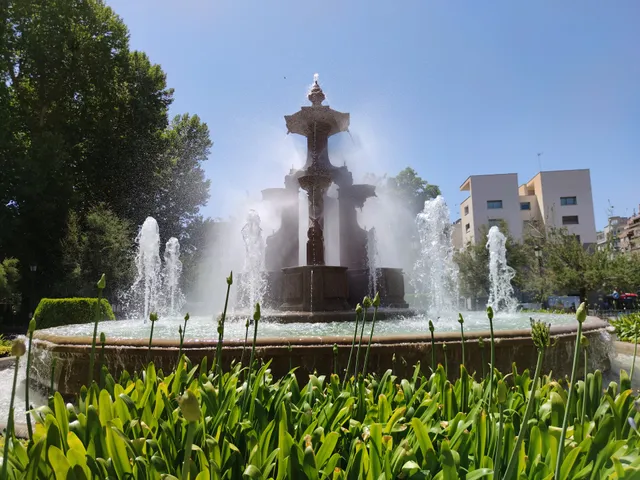
Fuente de las Batallas
4.6
(4.5K)
Open until 12:00 AM
Click for details
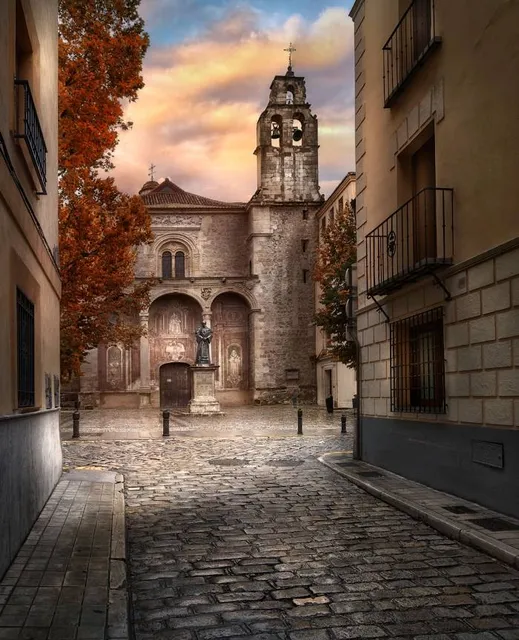
Iglesia de Santo Domingo
4.6
(671)
Closed
Click for details
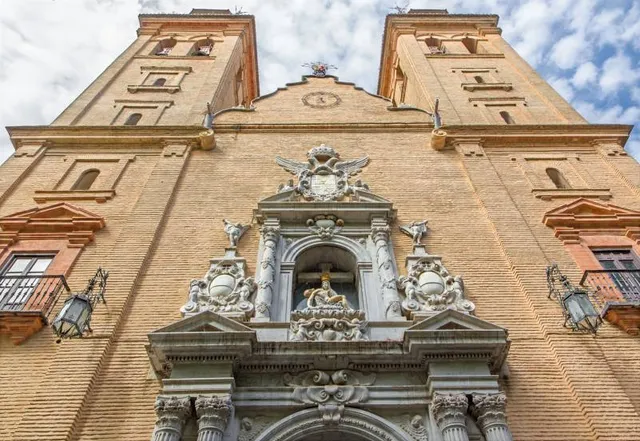
Basílica Virgen de las Angustias
4.7
(1.6K)
Open 24 hours
Click for details
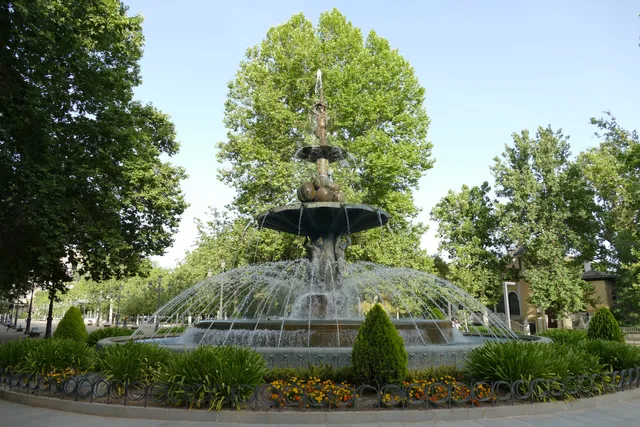
Fuente de las Granadas
4.6
(2.7K)
Open until 12:00 AM
Click for details
Nearby restaurants of Cuarto Real de Santo Domingo
Asador de Castilla
Café Fútbol
Taberna La Tana
Rosario Varela
Bar Los Diamantes II
Los Marianos
La Esquinita de Javi II
La Botillería
La Esquinita de Javi
Biloba
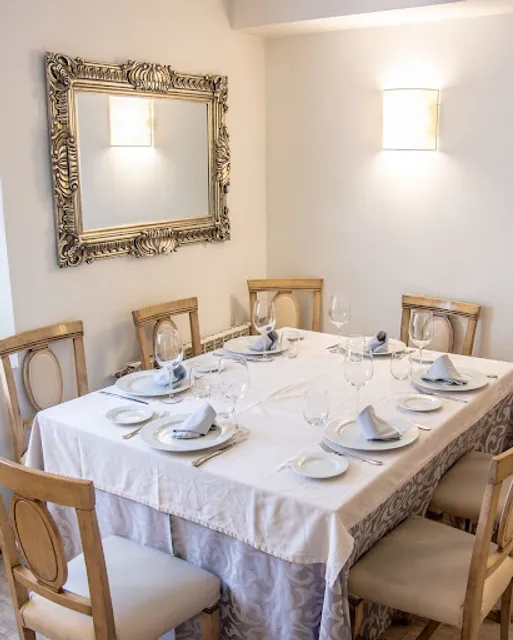
Asador de Castilla
4.5
(1.1K)
$$
Open until 12:00 AM
Click for details
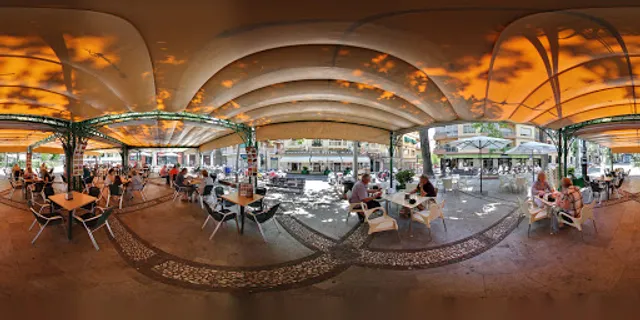
Café Fútbol
4.0
(3.3K)
$
Open until 11:00 PM
Click for details
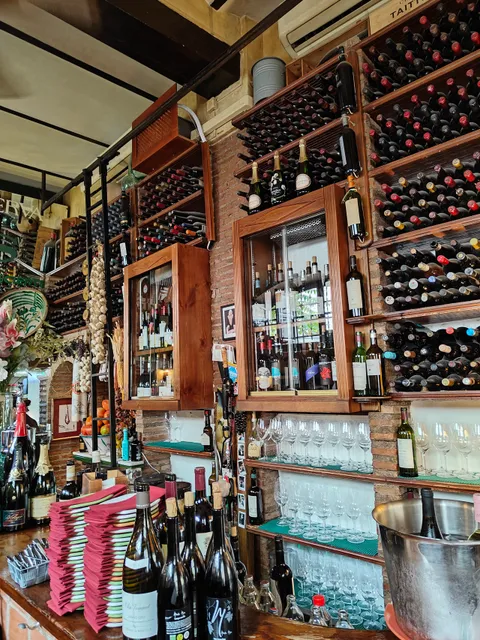
Taberna La Tana
4.4
(1.7K)
Closed
Click for details
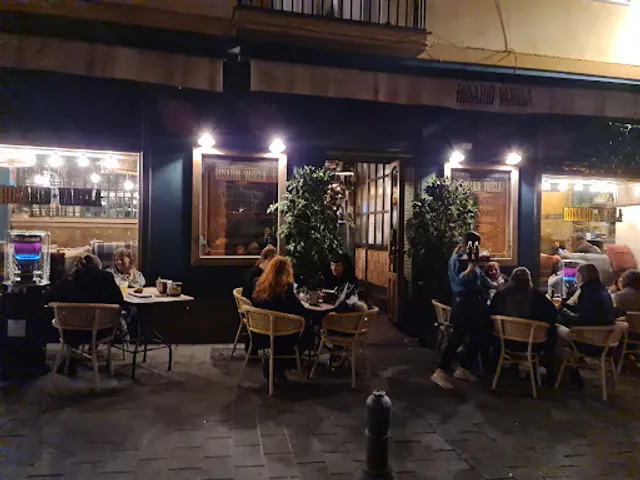
Rosario Varela
4.3
(2.3K)
Closed
Click for details
Nearby local services of Cuarto Real de Santo Domingo
Carrera de la Virgen, 20
Carrefour Express
Taberna Bolavento
Supermercado El Corte Ingles
Cine Madrigal
Mariscal Delicatessen - Restaurante
Discoteca Backstage
La Casa della Pasta
Multiópticas
Casa Ysla Pastelería-Cafetería / Piononos
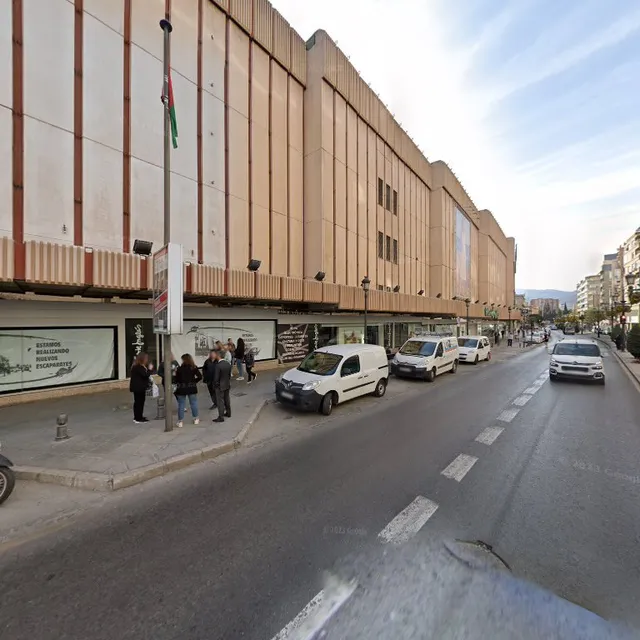
Carrera de la Virgen, 20
4.1
(5.1K)
Click for details
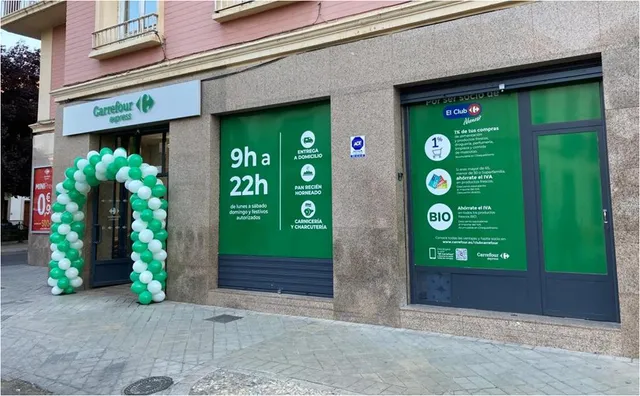
Carrefour Express
3.9
(304)
Click for details
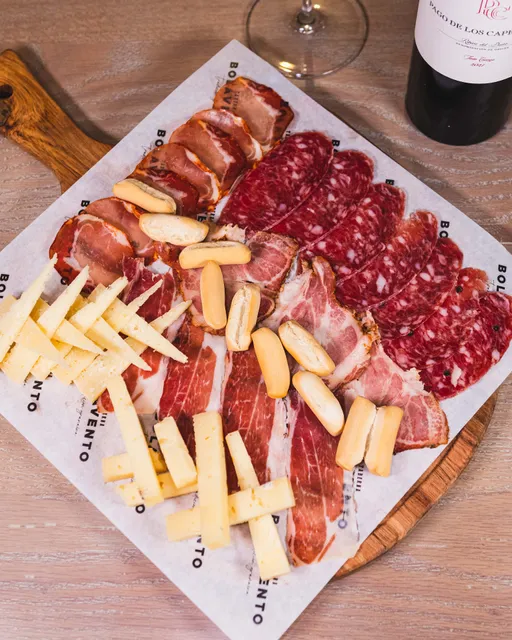
Taberna Bolavento
4.6
(718)
Click for details
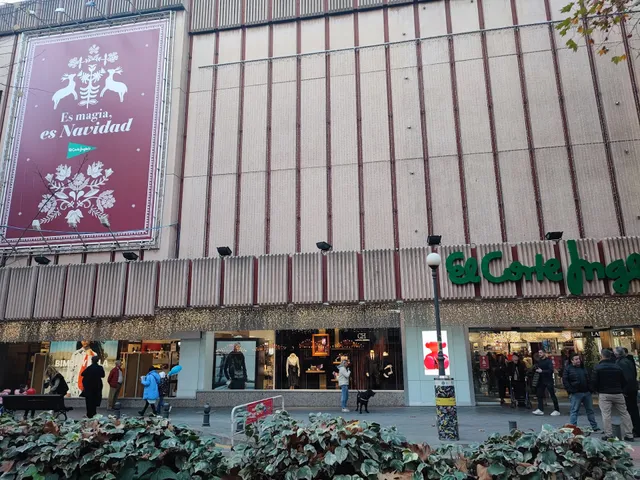
Supermercado El Corte Ingles
4.4
(571)
Click for details