Royal Chapel of Granada things to do, attractions, restaurants, events info and trip planning
Basic Info
Royal Chapel of Granada
Calle Oficios, s/n, 18001 Granada, Spain
4.6(6.1K)
Open 24 hours


tickets
Save
spot
spot
Ratings & Description
Info
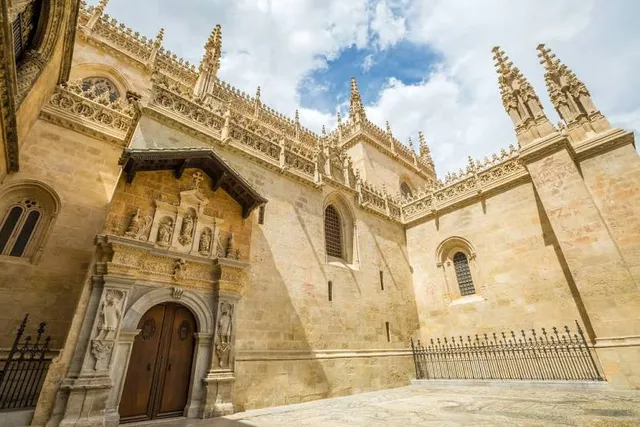
The Royal Chapel of Granada is an Isabelline style building, constructed between 1505 and 1517, and originally integrated in the complex of the neighbouring Granada Cathedral. It is the burial place of the Spanish monarchs, Queen Isabella I and King Ferdinand, the Catholic Monarchs.
Cultural
Accessibility
attractions: Catedral de Granada, Palacio de la Madraza, Plaza Isabel La Católica, Iglesia Parroquial del Sagrario, Tablao Flamenco La Alborea Granada, Bodegas La Mancha, Centro José Guerrero, La Alcaicería, Plaza Nueva de Granada, Entradas Capilla Real | Sepulcro Reyes Católicos, restaurants: PORKMANIA, Heladería Los Italianos, Restaurante Los Manueles - Reyes Católicos, Cafetería B1930 Gran Vía & Pastelería Bernina Gran Vía, Los Manueles Restaurante Catedral, Bodegas Castañeda, Restaurante Palacio Andaluz Almona, Restaurante Los Manueles - Bib Rambla, Restaurante Tetería Alhambra, Siloé Bar & Grill, local businesses: Alcaicería, Artesanía Alcázar, Corral del Carbón, Granada Travel Center, Carrefour Express, ALE-HOP, La Cheesequería, Granada 10 Teatro Musical, Zoco Nazarí (Mercado De Artesanía), La tarta de la madre de Cris
 Learn more insights from Wanderboat AI.
Phone
+34 958 22 78 48
Website
capillarealgranada.com
Plan your stay

Pet-friendly Hotels in Granada
Find a cozy hotel nearby and make it a full experience.

Affordable Hotels in Granada
Find a cozy hotel nearby and make it a full experience.

The Coolest Hotels You Haven't Heard Of (Yet)
Find a cozy hotel nearby and make it a full experience.

Trending Stays Worth the Hype in Granada
Find a cozy hotel nearby and make it a full experience.
Reviews
Live events

The Jury Experience — Muerte por IA: ¿Quién Paga el precio?
Sat, Feb 28 • 7:00 PM
C. Padre Francisco Palau y Quer, 19, Granada, 18006
View details
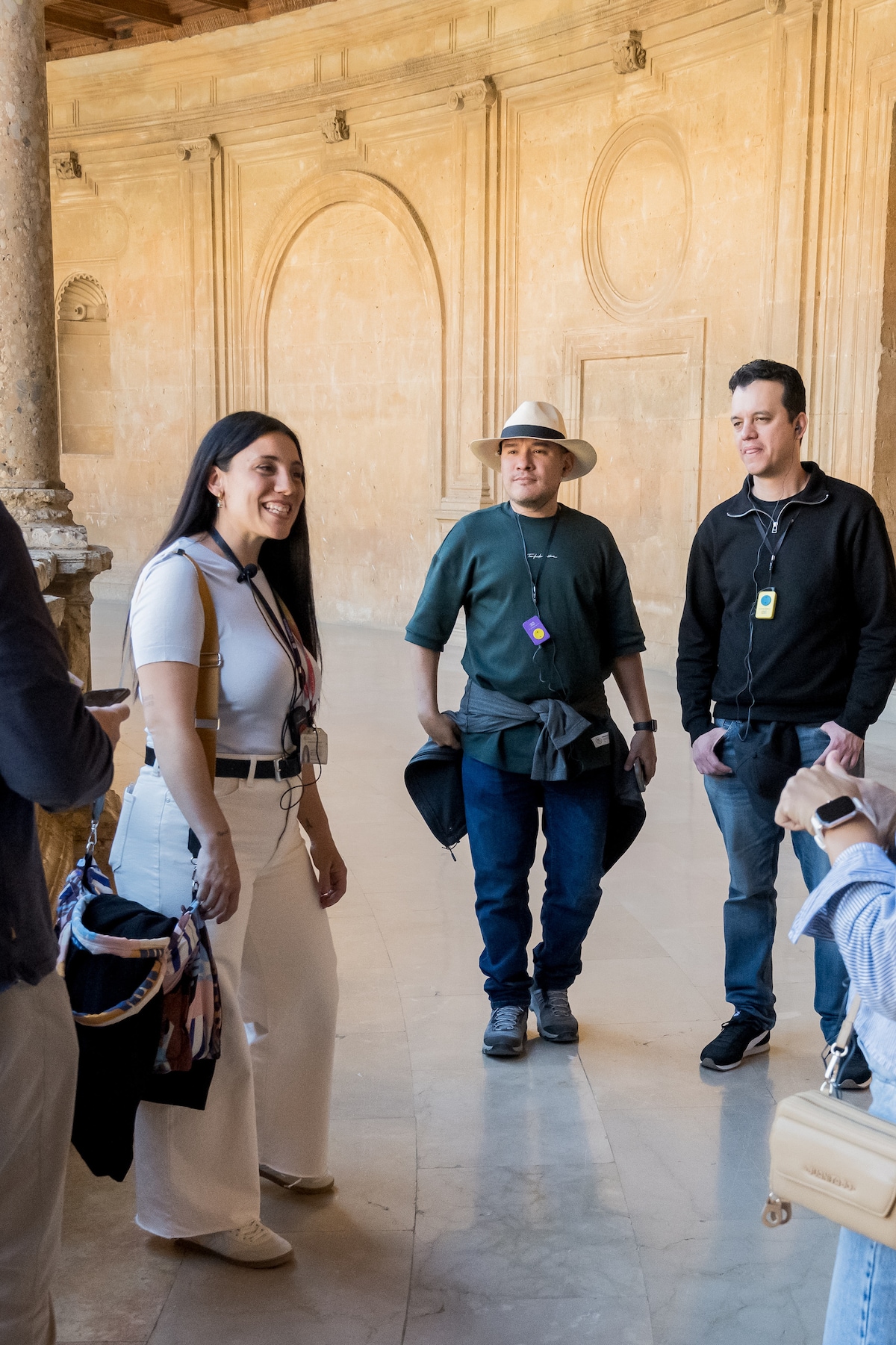
Discover the Alhambra with tickets included
Mon, Mar 2 • 12:00 PM
18009, Granada, Andalusia, Spain
View details
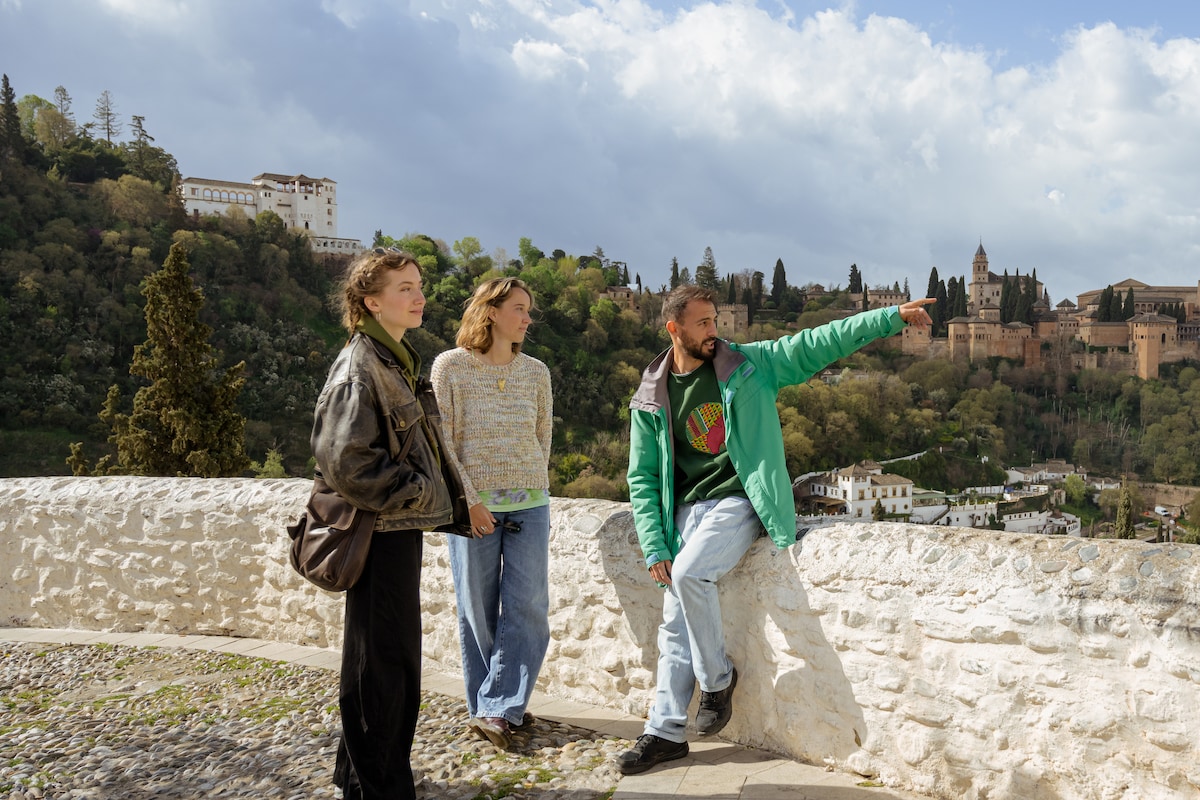
Tour the Albaicín and Sacromonte
Wed, Feb 25 • 9:00 AM
18010, Granada, Andalusia, Spain
View details
Nearby attractions of Royal Chapel of Granada
Catedral de Granada
Palacio de la Madraza
Plaza Isabel La Católica
Iglesia Parroquial del Sagrario
Tablao Flamenco La Alborea Granada
Bodegas La Mancha
Centro José Guerrero
La Alcaicería
Plaza Nueva de Granada
Entradas Capilla Real | Sepulcro Reyes Católicos
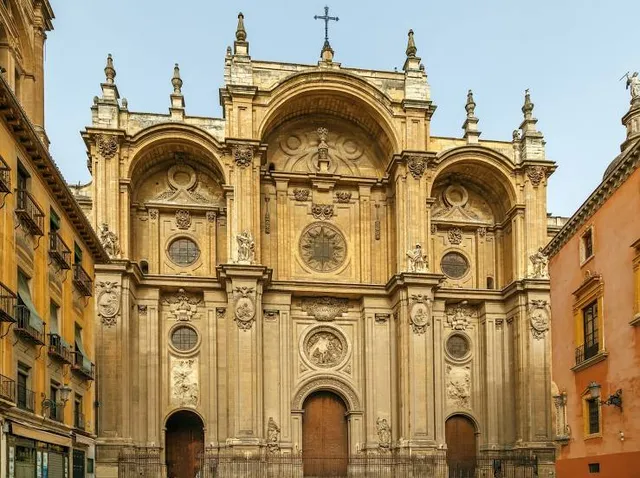
Catedral de Granada
4.6
(12K)
Closed
Click for details
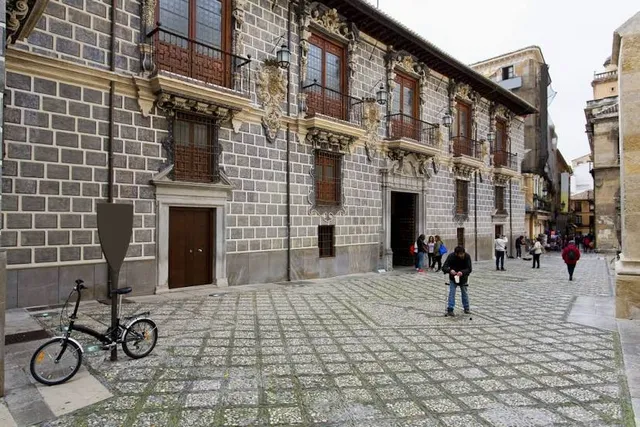
Palacio de la Madraza
4.5
(1.1K)
Closed
Click for details
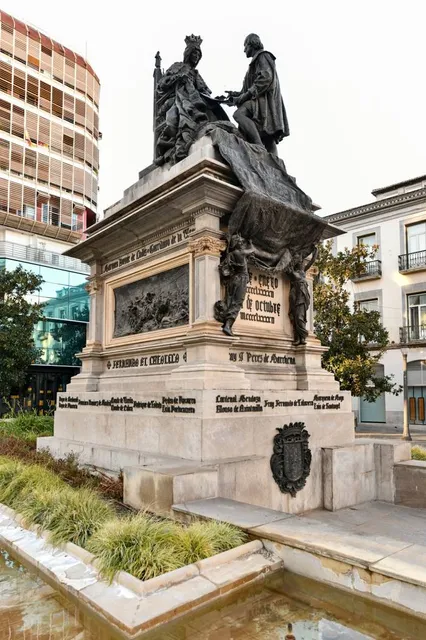
Plaza Isabel La Católica
4.5
(3.6K)
Open until 12:00 AM
Click for details
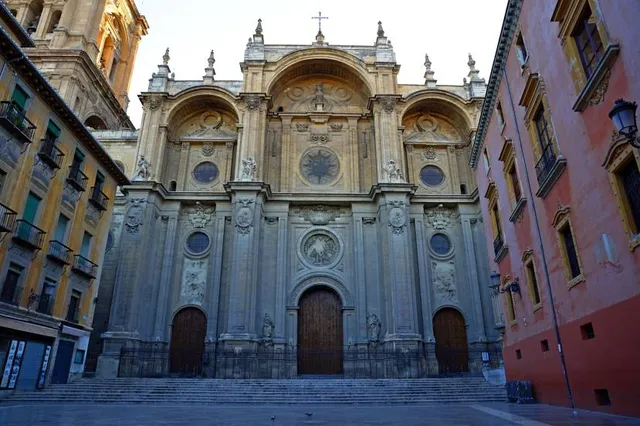
Iglesia Parroquial del Sagrario
4.6
(371)
Closed
Click for details
Nearby restaurants of Royal Chapel of Granada
PORKMANIA
Heladería Los Italianos
Restaurante Los Manueles - Reyes Católicos
Cafetería B1930 Gran Vía & Pastelería Bernina Gran Vía
Los Manueles Restaurante Catedral
Bodegas Castañeda
Restaurante Palacio Andaluz Almona
Restaurante Los Manueles - Bib Rambla
Restaurante Tetería Alhambra
Siloé Bar & Grill

PORKMANIA
5.0
(58)
$
Closed
Click for details
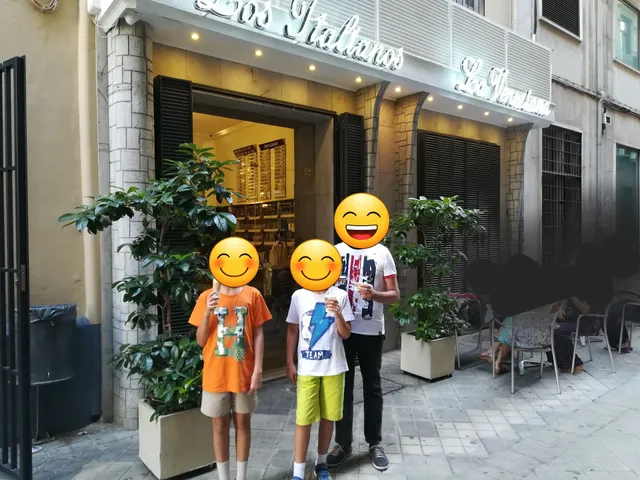
Heladería Los Italianos
4.5
(3.1K)
$
Open until 12:00 AM
Click for details
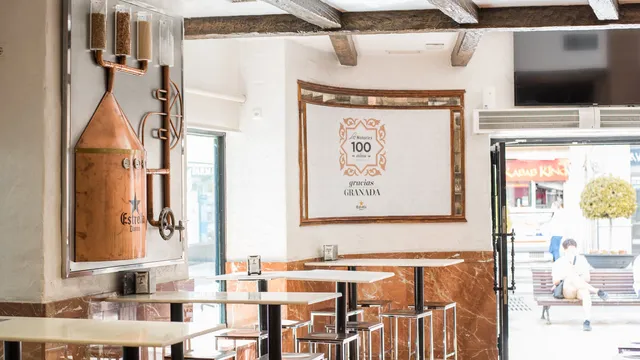
Restaurante Los Manueles - Reyes Católicos
4.3
(7.9K)
$
Closed
Click for details
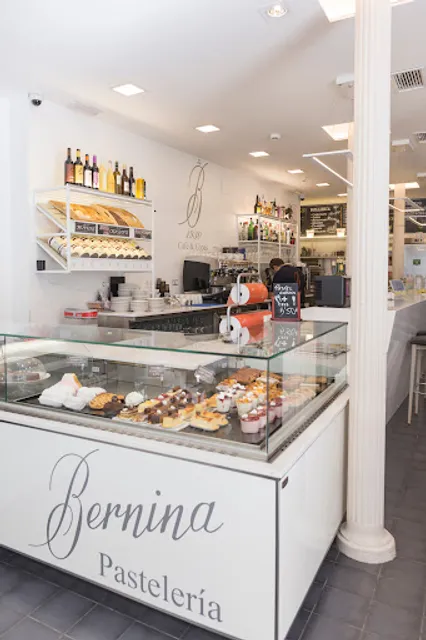
Cafetería B1930 Gran Vía & Pastelería Bernina Gran Vía
4.7
(1.8K)
$
Closed
Click for details
Nearby local services of Royal Chapel of Granada
Alcaicería
Artesanía Alcázar
Corral del Carbón
Granada Travel Center
Carrefour Express
ALE-HOP
La Cheesequería
Granada 10 Teatro Musical
Zoco Nazarí (Mercado De Artesanía)
La tarta de la madre de Cris
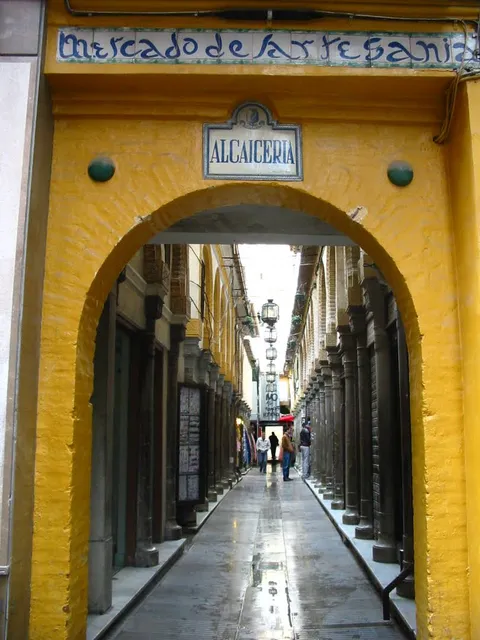
Alcaicería
4.4
(2K)
Click for details
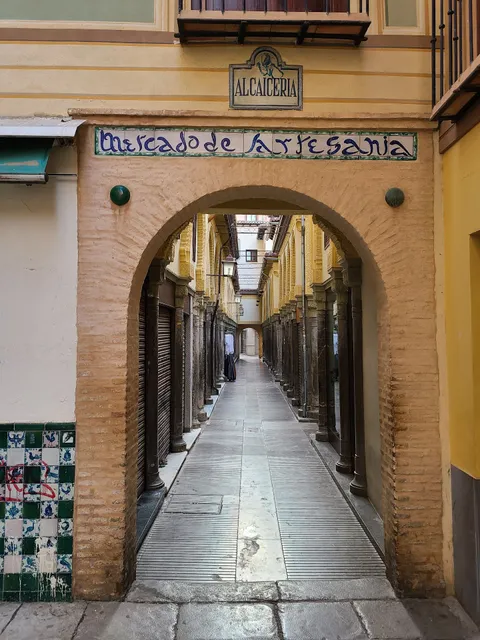
Artesanía Alcázar
3.8
(2.1K)
Click for details
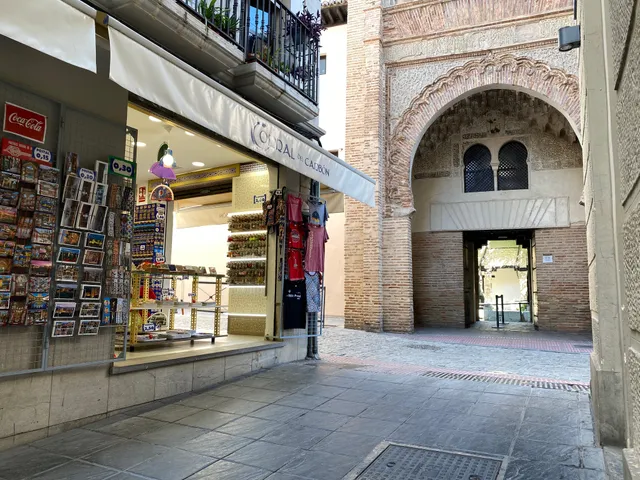
Corral del Carbón
4.3
(1.9K)
Click for details
Granada Travel Center
4.7
(1.5K)
Click for details