HTML SitemapExplore
Find Things to DoFind The Best Restaurants

Aqueduct Eagle — Attraction in Nerja

Name
Aqueduct Eagle
Description
Nearby attractions
Fundación Cueva de Nerja
Carr. de Bajada a Playa de Maro, 29787, Málaga, Spain
Fábrica de Maro
29780 Maro, Málaga, Spain
Botanical Garden Detunda - Cueva de Nerja
Urb. Cueva de Nerja, 3, 29780 Nerja, Málaga, Spain
Nerja Cave Park
29780 Nerja, Málaga, Spain
Festival Cueva de Nerja
Urb. Cueva de Nerja, 2, 29780 Nerja, Málaga, Spain
Cala Barranco de Maro
29787 Nerja, Málaga, Spain
Nearby restaurants
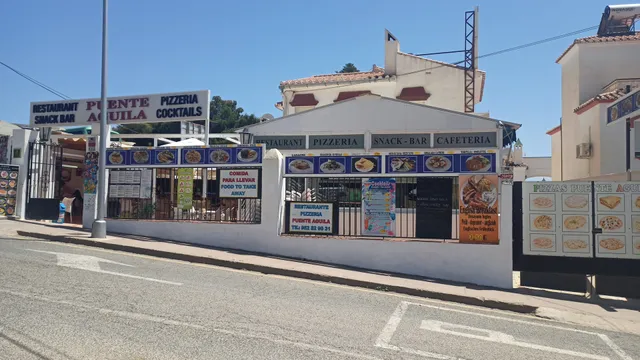
Puente Aguila Restaurant Snack Bar
C. Lindaraja, 2A, 29780 Nerja, Málaga, Spain
Restaurante Cueva de Nerja
Recinto Cueva de Nerja, s/n, 29780 Nerja, Málaga, Spain
La Entrada Bar Restaurante
C. San Miguel, 1, 29787 Maro, Málaga, Spain
Pizzeria Playamaro
C. San Antón, 29787 Maro, Málaga, Spain
Nearby hotels
Hotel Al Andalus Nerja
C. Siroco, 1, 29787 Nerja, Málaga, Spain
Apartamentos Maro VG
C. Virgen del Carmen, 1, 29787 Maro, Málaga, Spain
Hotel Casa Maro
C. Maravillas, 29787 Maro, Málaga, Spain
Apartamentos Cantarero Maro Nerja
C. Cantarero, 9, 29787 Maro, Málaga, Spain
Apartamentos Acantilados De Maro
San Jose Núm. 1, 24, 29787 Maro, Málaga, Spain
La Casilla De Enfrente PLM
San miguel 33, C. San Miguel, 28, 29787 Maro, Málaga, Spain
Related posts
Keywords
Aqueduct Eagle tourism.Aqueduct Eagle hotels.Aqueduct Eagle bed and breakfast. flights to Aqueduct Eagle.Aqueduct Eagle attractions.Aqueduct Eagle restaurants.Aqueduct Eagle travel.Aqueduct Eagle travel guide.Aqueduct Eagle travel blog.Aqueduct Eagle pictures.Aqueduct Eagle photos.Aqueduct Eagle travel tips.Aqueduct Eagle maps.Aqueduct Eagle things to do.
Aqueduct Eagle things to do, attractions, restaurants, events info and trip planning
Aqueduct Eagle
SpainAndalusiaNerjaAqueduct Eagle

Basic Info

Aqueduct Eagle

Barranco de la Coladilla, s/n, 29787 Nerja, Málaga, Spain
4.2(714)
Open 24 hours
Save
spot

Ratings & Description

Info

Cultural
Scenic
attractions: Fundación Cueva de Nerja, Fábrica de Maro, Botanical Garden Detunda - Cueva de Nerja, Nerja Cave Park, Festival Cueva de Nerja, Cala Barranco de Maro, restaurants: Puente Aguila Restaurant Snack Bar, Restaurante Cueva de Nerja, La Entrada Bar Restaurante, Pizzeria Playamaro
logoLearn more insights from Wanderboat AI.
Phone
+34 951 50 95 00
Website
esnerja.com

Plan your stay

hotel
Pet-friendly Hotels in Nerja
Find a cozy hotel nearby and make it a full experience.

hotel
Affordable Hotels in Nerja
Find a cozy hotel nearby and make it a full experience.

hotel
The Coolest Hotels You Haven't Heard Of (Yet)
Find a cozy hotel nearby and make it a full experience.

hotel
Trending Stays Worth the Hype in Nerja
Find a cozy hotel nearby and make it a full experience.

Reviews

Nearby attractions of Aqueduct Eagle

Fundación Cueva de Nerja

Fábrica de Maro

Botanical Garden Detunda - Cueva de Nerja

Nerja Cave Park

Festival Cueva de Nerja

Cala Barranco de Maro
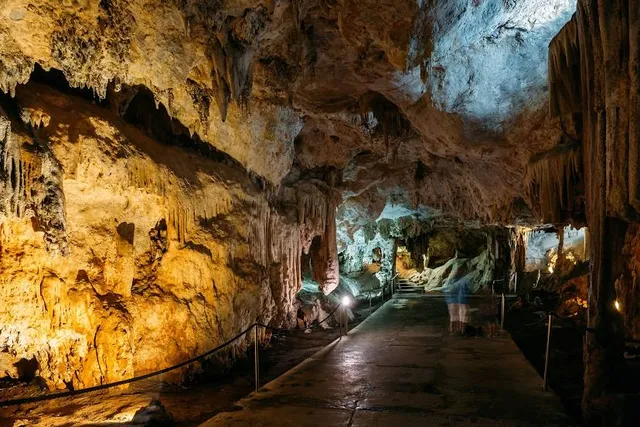
Fundación Cueva de Nerja

Fundación Cueva de Nerja

4.6

(14.4K)

Open 24 hours
Click for details
Fábrica de Maro

Fábrica de Maro

4.4

(127)

Open 24 hours
Click for details
Botanical Garden Detunda - Cueva de Nerja

Botanical Garden Detunda - Cueva de Nerja

3.9

(104)

Open 24 hours
Click for details
Nerja Cave Park

Nerja Cave Park

4.7

(234)

Open 24 hours
Click for details

Things to do nearby

Learn about Andalusias olive oil and mountains
Fri, Dec 26 • 9:00 AM
29780, Nerja, Andalusia, Spain
View details

Nearby restaurants of Aqueduct Eagle

Puente Aguila Restaurant Snack Bar

Restaurante Cueva de Nerja

La Entrada Bar Restaurante

Pizzeria Playamaro

Puente Aguila Restaurant Snack Bar

Puente Aguila Restaurant Snack Bar

4.5

(226)

Click for details
Restaurante Cueva de Nerja

Restaurante Cueva de Nerja

3.4

(816)

$

Click for details
La Entrada Bar Restaurante

La Entrada Bar Restaurante

3.7

(90)

$

Click for details
Pizzeria Playamaro

Pizzeria Playamaro

3.0

(39)

Click for details
Get the Appoverlay
Get the AppOne tap to find yournext favorite spots!
Wanderboat LogoWanderboat

Your everyday Al companion for getaway ideas

CompanyAbout Us
InformationAI Trip PlannerSitemap
SocialXInstagramTiktokLinkedin
LegalTerms of ServicePrivacy Policy

Get the app

© 2025 Wanderboat. All rights reserved.

Reviews of Aqueduct Eagle

4.2
(714)
avatar
4.0
4y

It’s beautiful and was worth the walk in the sunshine from where we were staying NE of Nerja - but if you’re not that into a walk, architecture or taking photos it might not be one for you - there’s not much around it, but I believe there’s a nice beach nearby that we should have visited in a round trip really. I’ve seen more stunning aqueducts but I liked it. There’s a parking spot if you drive a little way down the street just before the last roundabout you hit ahead of the aqueduct - to the right if you’re coming in from Nerja, where some people drove up and walked to the base - we...

   Read more
avatar
4.0
3y

Worth a wander up from town if you don't have transport, about 20 mins easy walk, or stop by car if you do.

Beautiful 200 year old aqueduct built for the nearby ruined sugar mill. Good photos from the road bridge but also it is good to walk down to it (and further on to the private beach if you have time).

Yes a few homeless people have built tiny shacks nearby but they are friendly and will avoid you. It is 100 times worse walking through a British city centre so don't let that...

   Read more
avatar
5.0
7y

Akwedukt del Águila (Akwedukt Orła), jest uważany w całym regionie za "historyczny klejnot architektury hiszpańskiej". Został zbudowany w latach 1879-1880, służył do transportu wody dla lokalnej rafinerii cukru w Maro, zbudowanej w 1884 roku. W 2005 roku fabryka została zamknięta, a w 2012 akwedukt odrestaurowano. Obecnie jest nadal używany do nawadnień rolniczych. Akwedukt jest typowy dla XIX wieku, kiedy popularny był styl mudejar, używany przez muzułmańskich rzemieślników w Hiszpanii między XIII a XV wiekiem. Akwedukt ma cztery piętra, każde zbudowane z serii ceglanych łuków w kształcie podkowy. Są one zwieńczone iglicą. Na szczycie znajduje się wiatrowskaz w kształcie dwugłowego orła, od którego pochodzi nazwa akweduktu. Acueducto del Águila (Aqueduct of the Eagle) is considered the "historical jewel of Spanish architecture" throughout the region. It was built in 1879-1880, it was used to transport water for the local sugar refinery in Maro, built in 1884. In 2005, the factory was closed, and in 2012 the aqueduct was restored. Currently, it is still used for agricultural irrigation. The aqueduct is typical of the 19th century, when the mudejar style used by Muslim craftsmen in Spain between the 13th and 15th centuries was popular. The aqueduct has four floors, each built from a series of horseshoe-shaped brick arches. They are topped with a spire. At the top there is a weather vane in the shape of a two-headed eagle, from which the name of the...

   Read more
Page 1 of 7
Previous
Next

Posts

Jenny WotherspoonJenny Wotherspoon
It’s beautiful and was worth the walk in the sunshine from where we were staying NE of Nerja - but if you’re not that into a walk, architecture or taking photos it might not be one for you - there’s not much around it, but I believe there’s a nice beach nearby that we should have visited in a round trip really. I’ve seen more stunning aqueducts but I liked it. There’s a parking spot if you drive a little way down the street just before the last roundabout you hit ahead of the aqueduct - to the right if you’re coming in from Nerja, where some people drove up and walked to the base - we just walked.
Simon ProudmanSimon Proudman
Worth a wander up from town if you don't have transport, about 20 mins easy walk, or stop by car if you do. Beautiful 200 year old aqueduct built for the nearby ruined sugar mill. Good photos from the road bridge but also it is good to walk down to it (and further on to the private beach if you have time). Yes a few homeless people have built tiny shacks nearby but they are friendly and will avoid you. It is 100 times worse walking through a British city centre so don't let that put you off.
Zygmunt BorowskiZygmunt Borowski
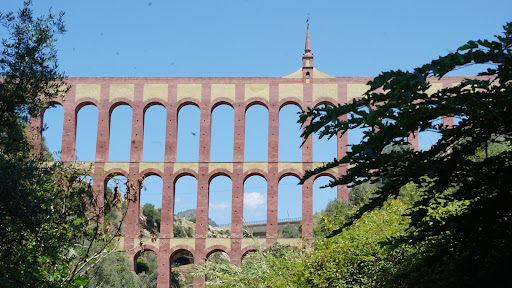
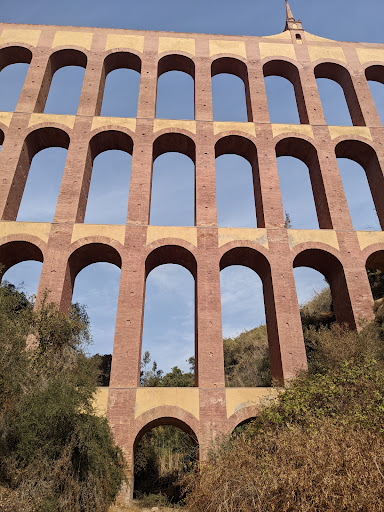
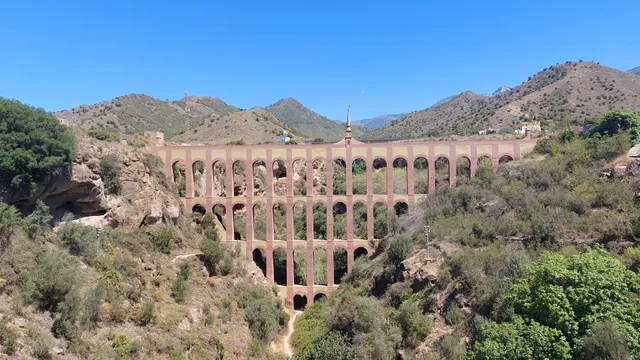
Akwedukt del Águila (Akwedukt Orła), jest uważany w całym regionie za "historyczny klejnot architektury hiszpańskiej". Został zbudowany w latach 1879-1880, służył do transportu wody dla lokalnej rafinerii cukru w Maro, zbudowanej w 1884 roku. W 2005 roku fabryka została zamknięta, a w 2012 akwedukt odrestaurowano. Obecnie jest nadal używany do nawadnień rolniczych. Akwedukt jest typowy dla XIX wieku, kiedy popularny był styl mudejar, używany przez muzułmańskich rzemieślników w Hiszpanii między XIII a XV wiekiem. Akwedukt ma cztery piętra, każde zbudowane z serii ceglanych łuków w kształcie podkowy. Są one zwieńczone iglicą. Na szczycie znajduje się wiatrowskaz w kształcie dwugłowego orła, od którego pochodzi nazwa akweduktu. - Acueducto del Águila (Aqueduct of the Eagle) is considered the "historical jewel of Spanish architecture" throughout the region. It was built in 1879-1880, it was used to transport water for the local sugar refinery in Maro, built in 1884. In 2005, the factory was closed, and in 2012 the aqueduct was restored. Currently, it is still used for agricultural irrigation. The aqueduct is typical of the 19th century, when the mudejar style used by Muslim craftsmen in Spain between the 13th and 15th centuries was popular. The aqueduct has four floors, each built from a series of horseshoe-shaped brick arches. They are topped with a spire. At the top there is a weather vane in the shape of a two-headed eagle, from which the name of the aqueduct comes.
See more posts
See more posts
hotel
Find your stay

Pet-friendly Hotels in Nerja

Find a cozy hotel nearby and make it a full experience.

It’s beautiful and was worth the walk in the sunshine from where we were staying NE of Nerja - but if you’re not that into a walk, architecture or taking photos it might not be one for you - there’s not much around it, but I believe there’s a nice beach nearby that we should have visited in a round trip really. I’ve seen more stunning aqueducts but I liked it. There’s a parking spot if you drive a little way down the street just before the last roundabout you hit ahead of the aqueduct - to the right if you’re coming in from Nerja, where some people drove up and walked to the base - we just walked.
Jenny Wotherspoon

Jenny Wotherspoon

hotel
Find your stay

Affordable Hotels in Nerja

Find a cozy hotel nearby and make it a full experience.

Get the Appoverlay
Get the AppOne tap to find yournext favorite spots!
Worth a wander up from town if you don't have transport, about 20 mins easy walk, or stop by car if you do. Beautiful 200 year old aqueduct built for the nearby ruined sugar mill. Good photos from the road bridge but also it is good to walk down to it (and further on to the private beach if you have time). Yes a few homeless people have built tiny shacks nearby but they are friendly and will avoid you. It is 100 times worse walking through a British city centre so don't let that put you off.
Simon Proudman

Simon Proudman

hotel
Find your stay

The Coolest Hotels You Haven't Heard Of (Yet)

Find a cozy hotel nearby and make it a full experience.

hotel
Find your stay

Trending Stays Worth the Hype in Nerja

Find a cozy hotel nearby and make it a full experience.

Akwedukt del Águila (Akwedukt Orła), jest uważany w całym regionie za "historyczny klejnot architektury hiszpańskiej". Został zbudowany w latach 1879-1880, służył do transportu wody dla lokalnej rafinerii cukru w Maro, zbudowanej w 1884 roku. W 2005 roku fabryka została zamknięta, a w 2012 akwedukt odrestaurowano. Obecnie jest nadal używany do nawadnień rolniczych. Akwedukt jest typowy dla XIX wieku, kiedy popularny był styl mudejar, używany przez muzułmańskich rzemieślników w Hiszpanii między XIII a XV wiekiem. Akwedukt ma cztery piętra, każde zbudowane z serii ceglanych łuków w kształcie podkowy. Są one zwieńczone iglicą. Na szczycie znajduje się wiatrowskaz w kształcie dwugłowego orła, od którego pochodzi nazwa akweduktu. - Acueducto del Águila (Aqueduct of the Eagle) is considered the "historical jewel of Spanish architecture" throughout the region. It was built in 1879-1880, it was used to transport water for the local sugar refinery in Maro, built in 1884. In 2005, the factory was closed, and in 2012 the aqueduct was restored. Currently, it is still used for agricultural irrigation. The aqueduct is typical of the 19th century, when the mudejar style used by Muslim craftsmen in Spain between the 13th and 15th centuries was popular. The aqueduct has four floors, each built from a series of horseshoe-shaped brick arches. They are topped with a spire. At the top there is a weather vane in the shape of a two-headed eagle, from which the name of the aqueduct comes.
Zygmunt Borowski

Zygmunt Borowski

See more posts
See more posts