San Telmo Museum things to do, attractions, restaurants, events info and trip planning
Basic Info
San Telmo Museum
Plaza Zuloaga, 1, 20003 Donostia / San Sebastián, Gipuzkoa, Spain
4.5(933)
Closed

tickets
Save
spot
spot
Ratings & Description
Info
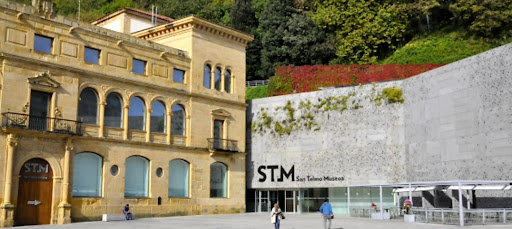
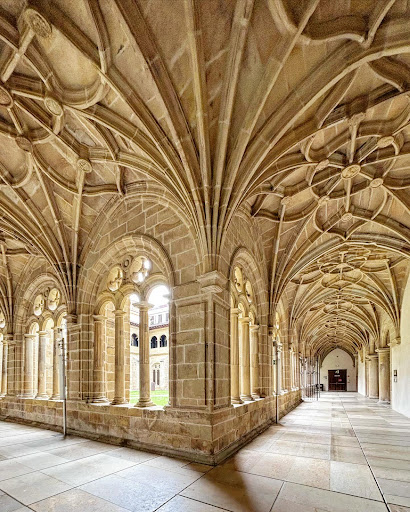
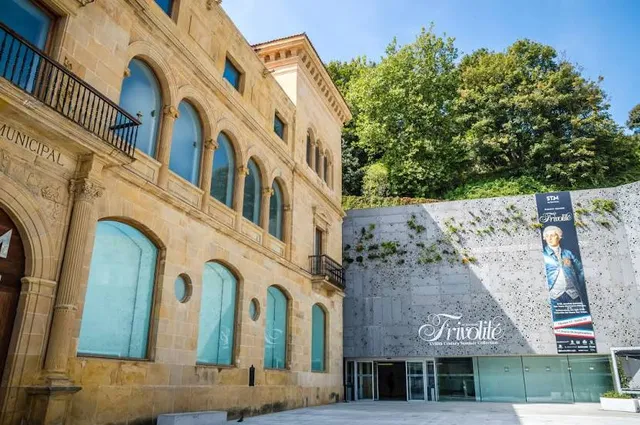
San Telmo Museoa is a museum of the Basque society located in Donostia-San Sebastián, addressing old and contemporary Basque culture, arts and history in a European, global context. It moved to its current location in 1932, Zuloaga plaza in the old town, at the foot of the hill Urgull.
Cultural
Accessibility
attractions: San Bizente eliza, Baluarte del Mirador, Konstituzio Plaza, Basílica de Santa María del Coro, Gipuzkoako Argazkilari Elkartea, Donostia Information and Tourism Office, Motako Gaztelua, Alderdi Eder parkea, Puerto deportivo, Antzoki Zaharra, restaurants: La Viña, Gandarias, Zazpi, La Cepa de Bernardo, BAR SPORT, Bar Martinez, Baluarte Donostia, Kaskazuri Jatetxea, Bar Txepetxa, Maiatza, local businesses: Príncipe zinemak, Basílica de Nuestra Señora del Coro, Earra Tours Basque Country, Nomada Kilims and Rugs, Bretxa Public Market, Portu Kalea, 21, Bretxa Merkataritza Zentroa, Elkar Donostiako alde zaharra, Garrarte Donostia, Gozogintza Artisaua, Anton jostailu-denda orain Piezaz Pieza
 Learn more insights from Wanderboat AI.
Phone
+34 943 48 15 80
Website
santelmomuseoa.eus
Open hoursSee all hours
SunClosed
Plan your stay

Pet-friendly Hotels in San Sebastián
Find a cozy hotel nearby and make it a full experience.

Affordable Hotels in San Sebastián
Find a cozy hotel nearby and make it a full experience.

The Coolest Hotels You Haven't Heard Of (Yet)
Find a cozy hotel nearby and make it a full experience.

Trending Stays Worth the Hype in San Sebastián
Find a cozy hotel nearby and make it a full experience.
Reviews
Live events
La Cena Criminal
Fri, Feb 27 • 8:00 PM
Zubieta Kalea, 2, Donostia, 20007
View details
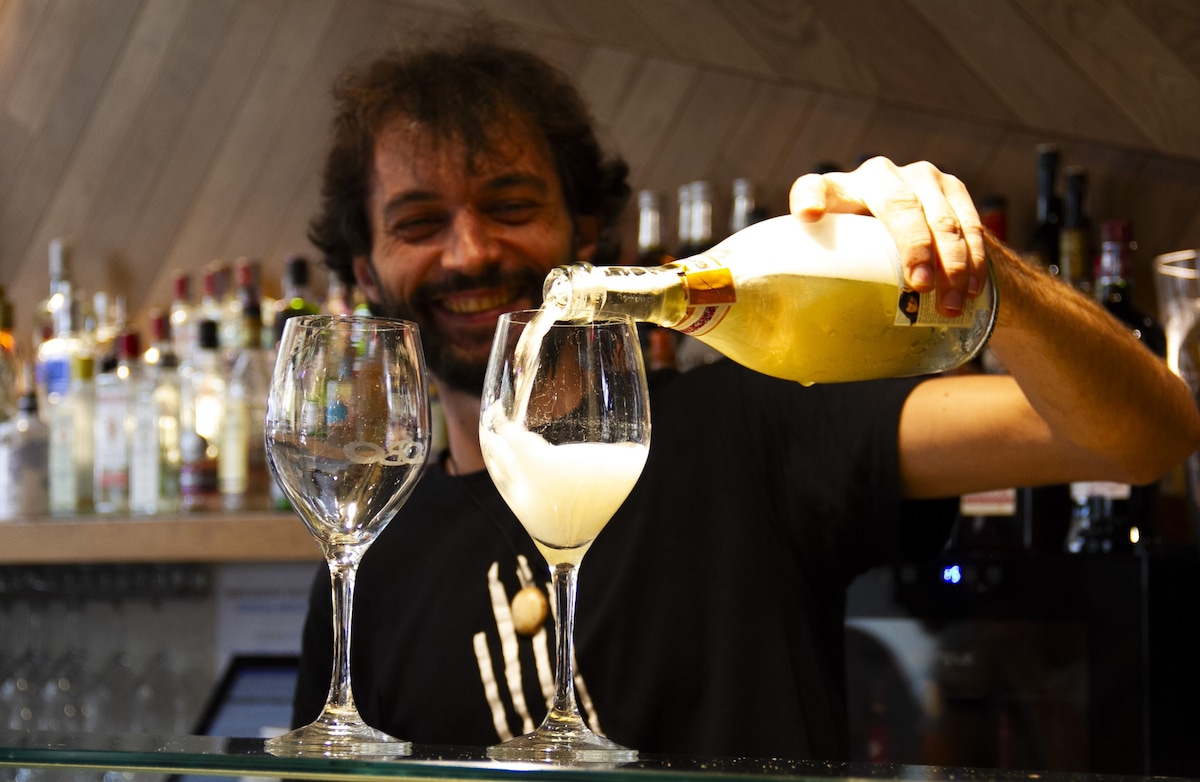
Pintxos & Food Gems Tour in San Sebastián’s Heart
Mon, Feb 23 • 11:00 AM
20006, Donostia / San Sebastián, Basque Country, Spain
View details
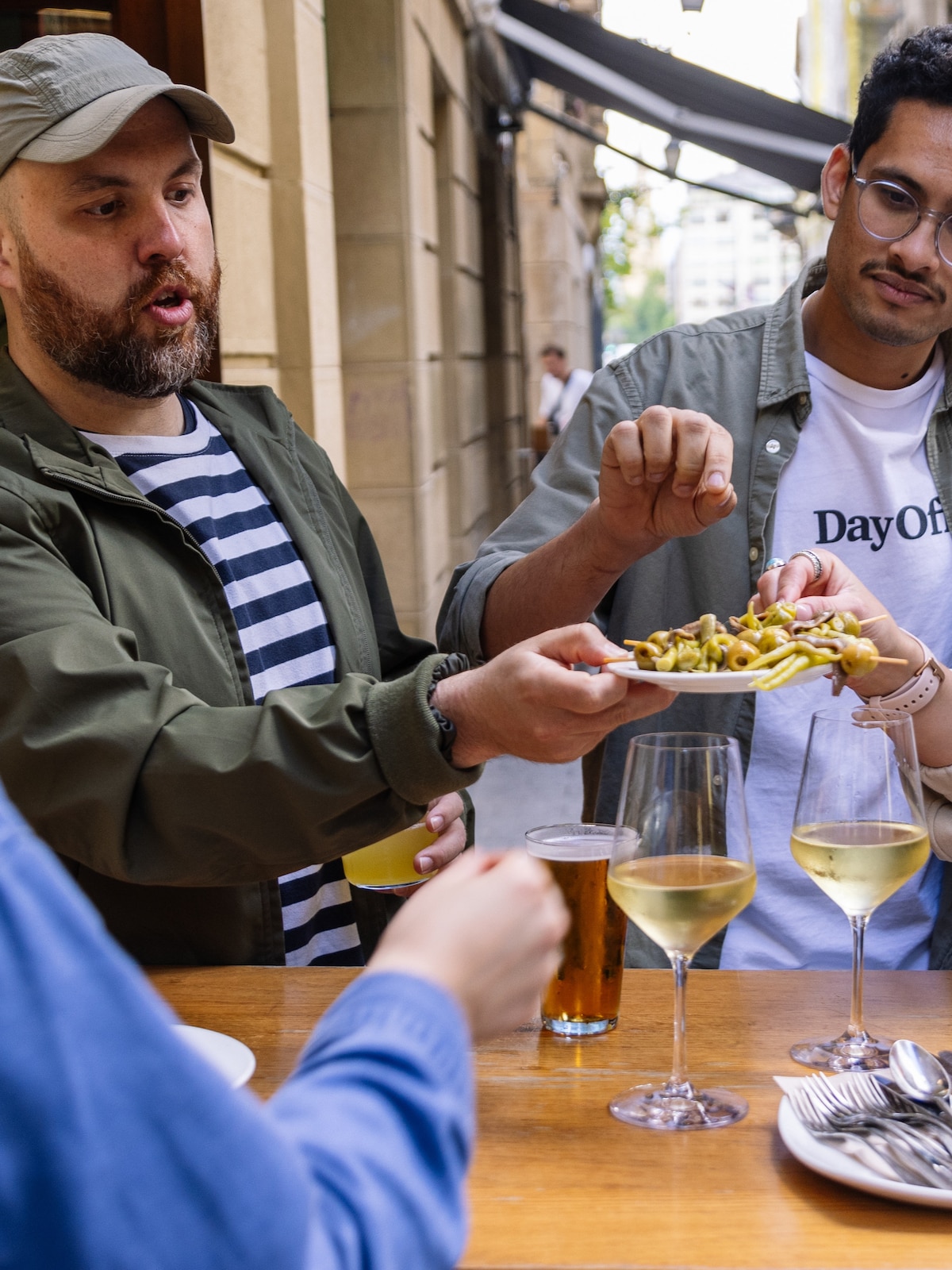
Explore pintxos in San Sebastian
Mon, Feb 23 • 6:30 PM
20006, Donostia-San Sebastian, Basque Country, Spain
View details
Nearby attractions of San Telmo Museum
San Bizente eliza
Baluarte del Mirador
Konstituzio Plaza
Basílica de Santa María del Coro
Gipuzkoako Argazkilari Elkartea
Donostia Information and Tourism Office
Motako Gaztelua
Alderdi Eder parkea
Puerto deportivo
Antzoki Zaharra
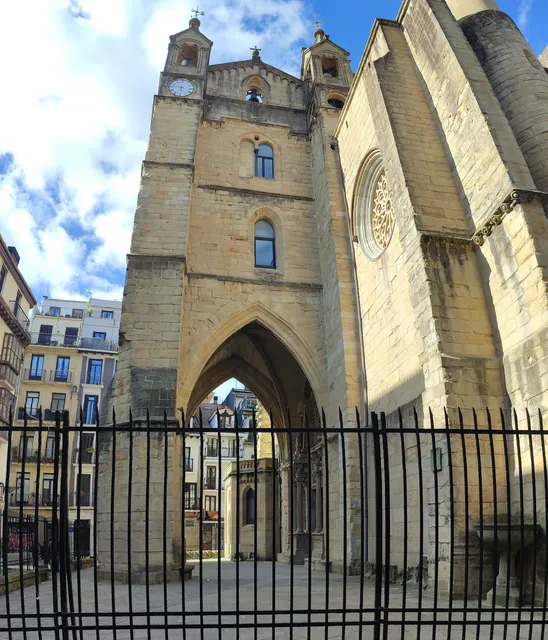
San Bizente eliza
4.5
(575)
Closed
Click for details
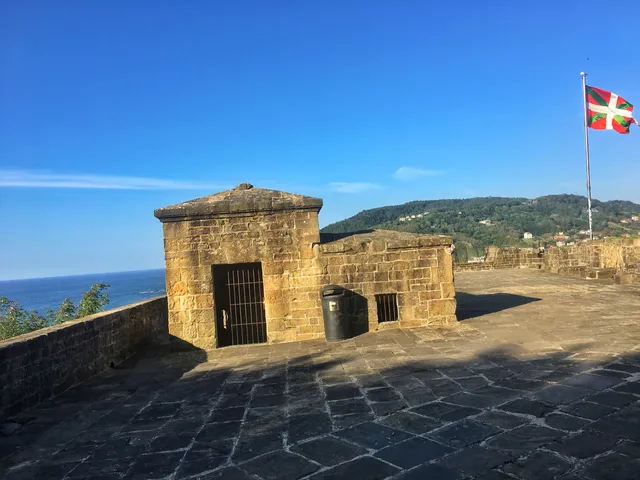
Baluarte del Mirador
4.6
(380)
Closed
Click for details
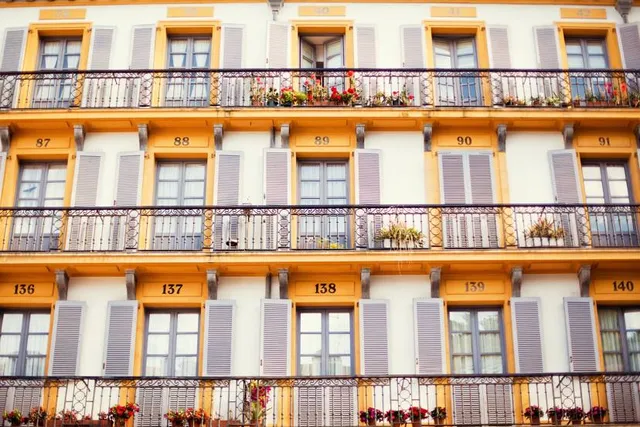
Konstituzio Plaza
4.6
(666)
Open 24 hours
Click for details
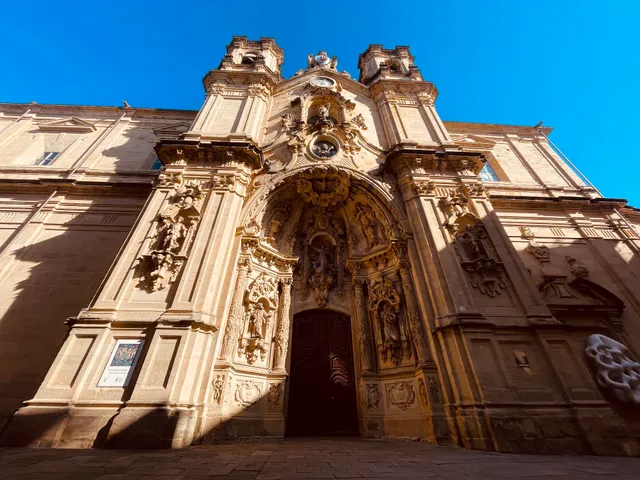
Basílica de Santa María del Coro
4.4
(1.0K)
Open 24 hours
Click for details
Nearby restaurants of San Telmo Museum
La Viña
Gandarias
Zazpi
La Cepa de Bernardo
BAR SPORT
Bar Martinez
Baluarte Donostia
Kaskazuri Jatetxea
Bar Txepetxa
Maiatza
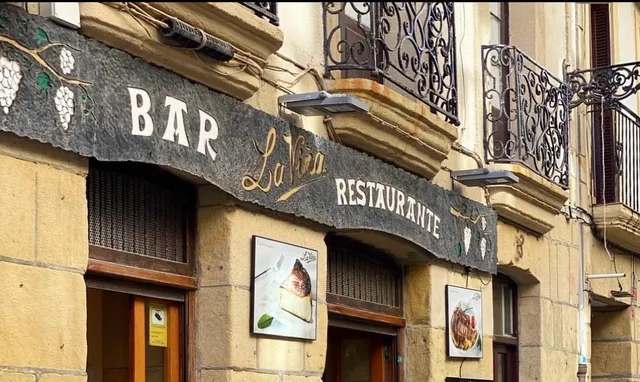
La Viña
4.4
(3.8K)
Open until 11:00 PM
Click for details
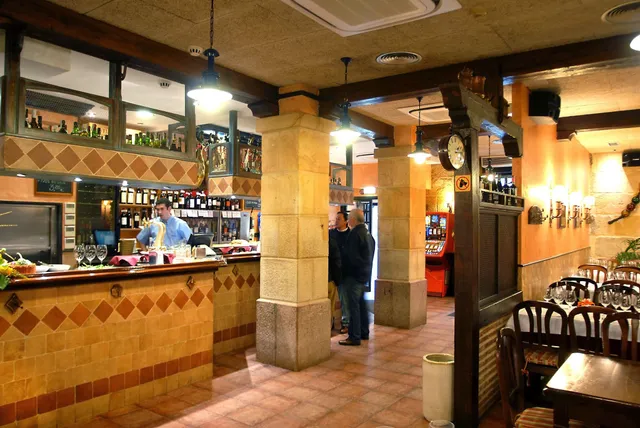
Gandarias
4.3
(4.1K)
$$
Open until 12:00 AM
Click for details
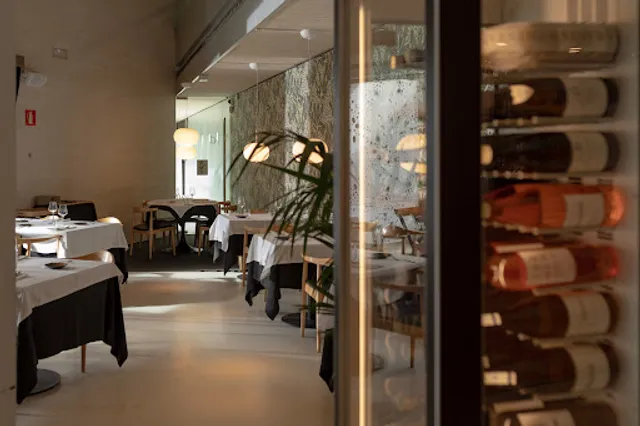
Zazpi
4.5
(926)
$
Closed
Click for details
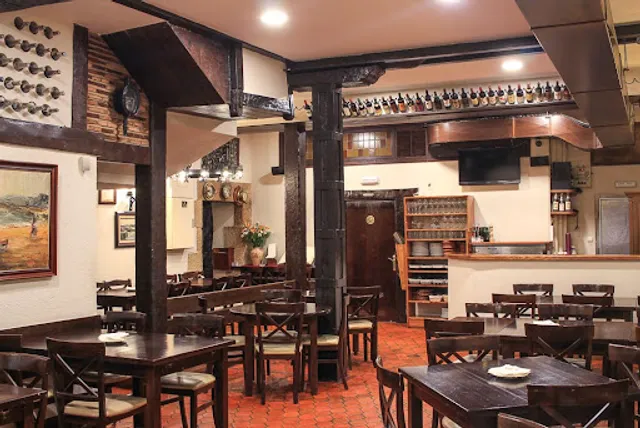
La Cepa de Bernardo
4.3
(1.5K)
$
Open until 12:00 AM
Click for details
Nearby local services of San Telmo Museum
Príncipe zinemak
Basílica de Nuestra Señora del Coro
Earra Tours Basque Country
Nomada Kilims and Rugs
Bretxa Public Market
Portu Kalea, 21
Bretxa Merkataritza Zentroa
Elkar Donostiako alde zaharra
Garrarte Donostia, Gozogintza Artisaua
Anton jostailu-denda orain Piezaz Pieza
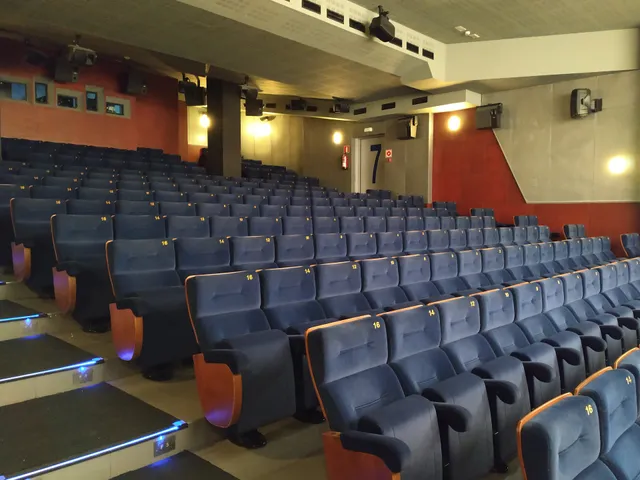
Príncipe zinemak
4.2
(1.1K)
Click for details
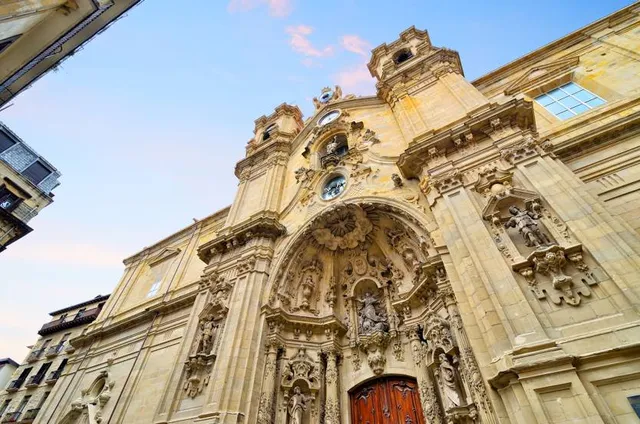
Basílica de Nuestra Señora del Coro
4.4
(845)
Click for details
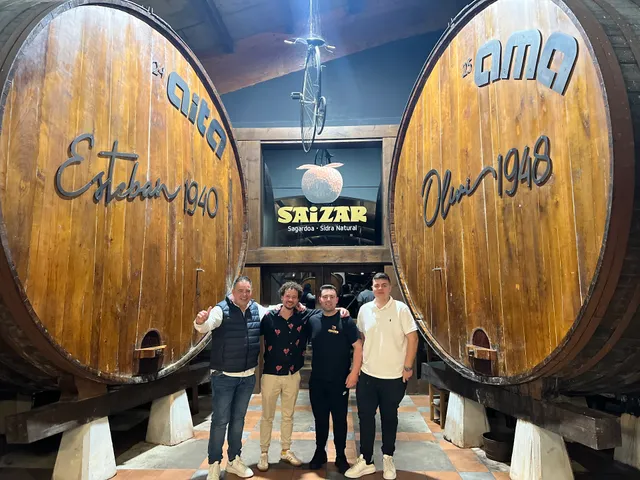
Earra Tours Basque Country
5.0
(118)
Click for details
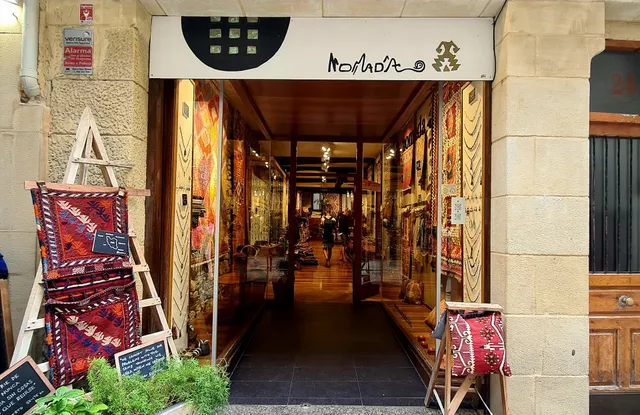
Nomada Kilims and Rugs
5.0
(74)
Click for details