Motako Gaztelua things to do, attractions, restaurants, events info and trip planning
Basic Info
Motako Gaztelua
s/n Subida al Castillo, C. de San Jerónimo, 20003 Donostia / San Sebastián, Gipuzkoa, Spain
4.6(1.3K)
Closed
Save
spot
spot
Ratings & Description
Info
Cultural
Outdoor
Adventure
Family friendly
attractions: Monte Urgull, Aquarium, Basílica de Santa María del Coro, Mota Gazteluko Urka, Puerto deportivo, Puerto de San Sebastián, San Telmo Museum, Baluarte del Mirador, Euskal Itsas Museoa, Konstituzio Plaza, restaurants: Gandarias, Casa Vergara, Mesón Portaletas, Igeldo jatetxea. Arrain eta Itsaskien berezitasuna, Akerbeltz, Ubarrechena, Kofradia Jatetxea - Itsas Etxea, La Viña, Kokotxa Jatetxea, Baztán pintxos&bar, local businesses: Urgull, Monte Urgull, Portu Kalea, 21, Basílica de Nuestra Señora del Coro, The English Cemetery, Santesteban Oroigarriak, Batería de Santiago, Príncipe zinemak, Garrarte Donostia, Gozogintza Artisaua, Museo Marítimo Vasco
 Learn more insights from Wanderboat AI.
Phone
+34 943 48 15 80
Website
sansebastianturismoa.eus
Open hoursSee all hours
Tue11 AM - 7 PMClosed
Plan your stay

Pet-friendly Hotels in San Sebastián
Find a cozy hotel nearby and make it a full experience.

Affordable Hotels in San Sebastián
Find a cozy hotel nearby and make it a full experience.

The Coolest Hotels You Haven't Heard Of (Yet)
Find a cozy hotel nearby and make it a full experience.

Trending Stays Worth the Hype in San Sebastián
Find a cozy hotel nearby and make it a full experience.
Reviews
Live events
La Cena Criminal
Fri, Feb 27 • 8:00 PM
Zubieta Kalea, 2, Donostia, 20007
View details
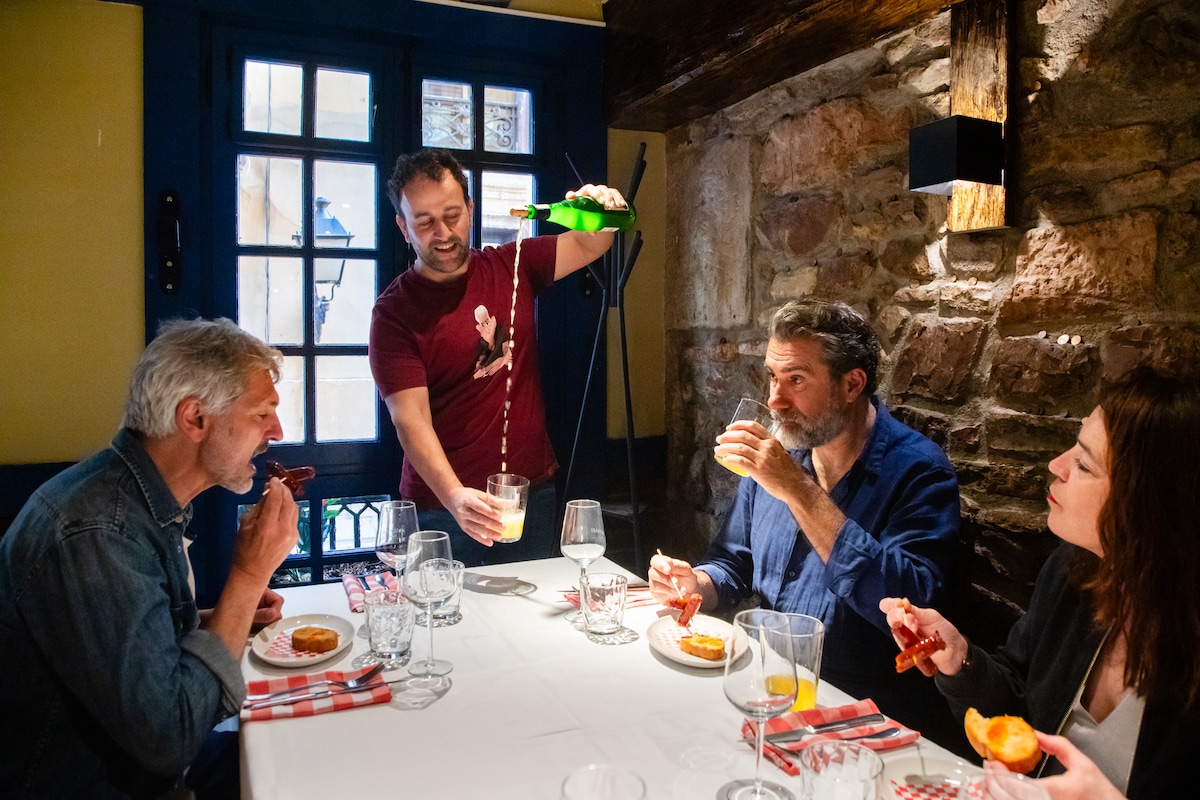
Market, Pintxos and Wine tour in San Sebastian
Wed, Feb 25 • 6:30 PM
20003, Donostia-San Sebastian, Basque Country, Spain
View details
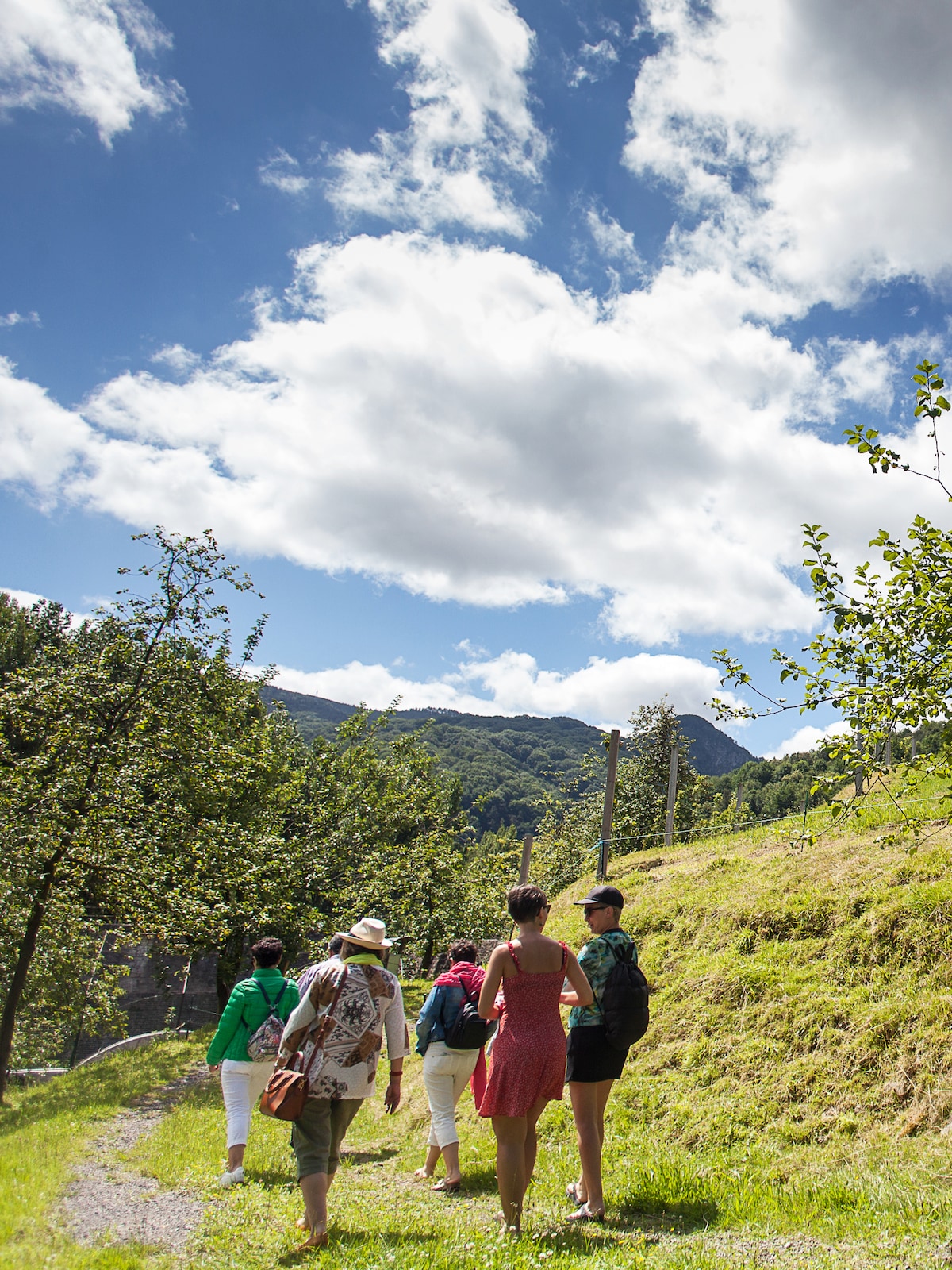
Visit a traditional Basque cider house
Tue, Feb 24 • 12:00 PM
20004, Donostia-San Sebastian, Basque Country, Spain
View details
Nearby attractions of Motako Gaztelua
Monte Urgull
Aquarium
Basílica de Santa María del Coro
Mota Gazteluko Urka
Puerto deportivo
Puerto de San Sebastián
San Telmo Museum
Baluarte del Mirador
Euskal Itsas Museoa
Konstituzio Plaza
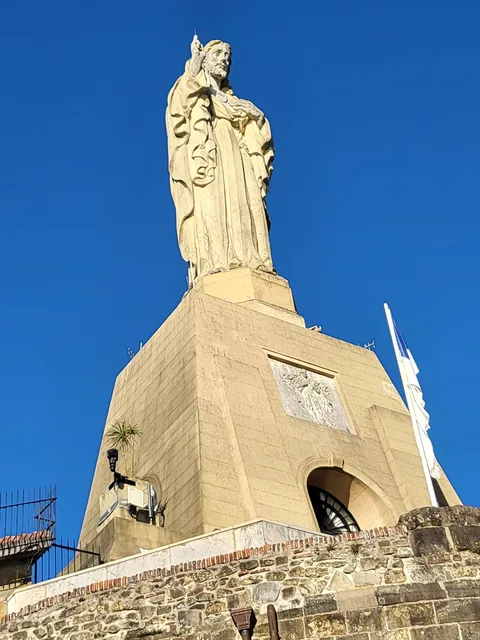
Monte Urgull
4.7
(339)
Open until 9:00 PM
Click for details

Aquarium
4.4
(6.2K)
Open until 12:00 AM
Click for details
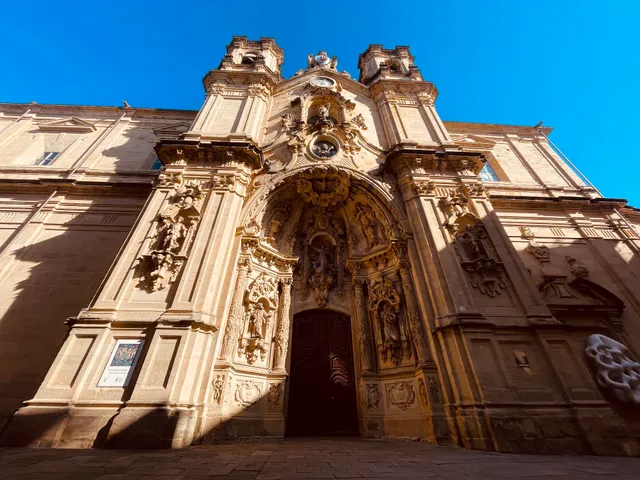
Basílica de Santa María del Coro
4.4
(947)
Open 24 hours
Click for details
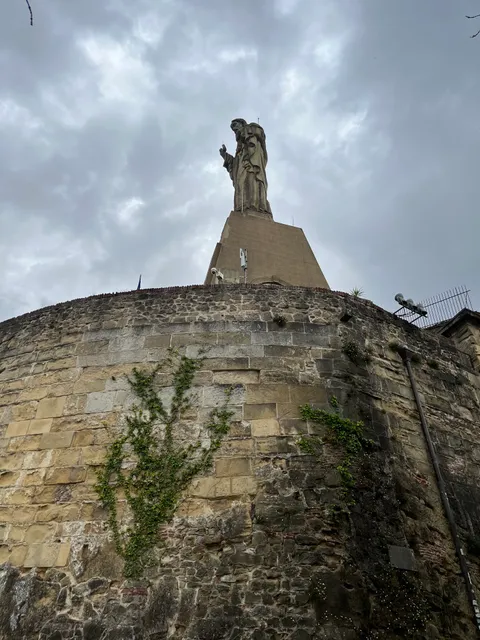
Mota Gazteluko Urka
4.8
(26)
Open 24 hours
Click for details
Nearby restaurants of Motako Gaztelua
Gandarias
Casa Vergara
Mesón Portaletas
Igeldo jatetxea. Arrain eta Itsaskien berezitasuna
Akerbeltz
Ubarrechena
Kofradia Jatetxea - Itsas Etxea
La Viña
Kokotxa Jatetxea
Baztán pintxos&bar
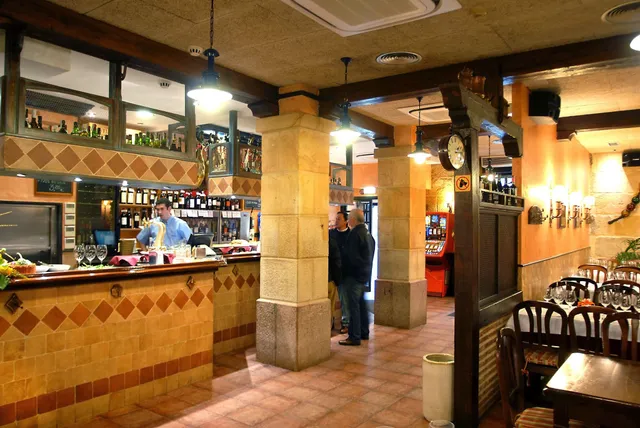
Gandarias
4.3
(4.1K)
$$
Closed
Click for details
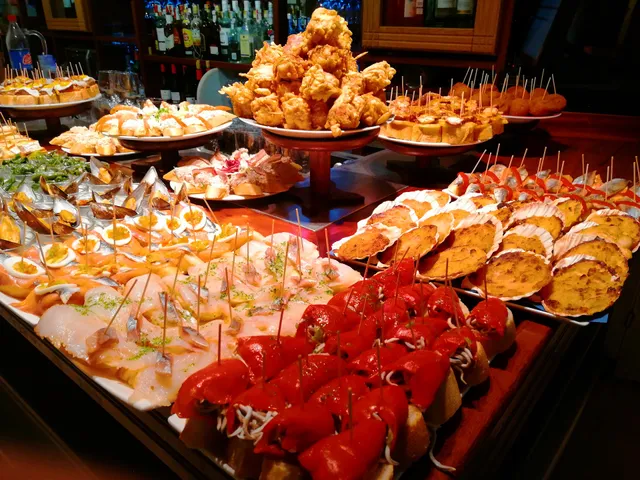
Casa Vergara
4.2
(1.9K)
$
Closed
Click for details
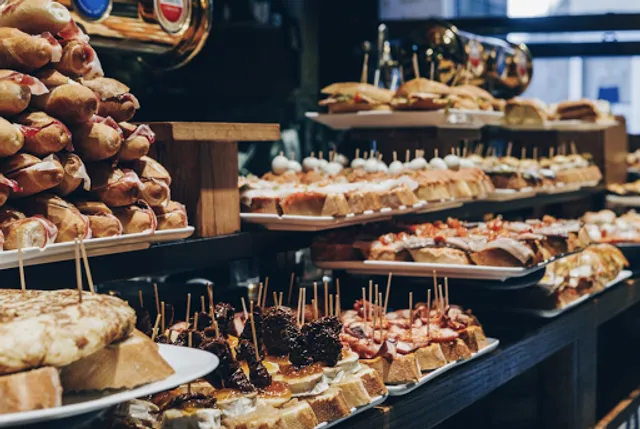
Mesón Portaletas
4.1
(1.8K)
$$
Closed
Click for details
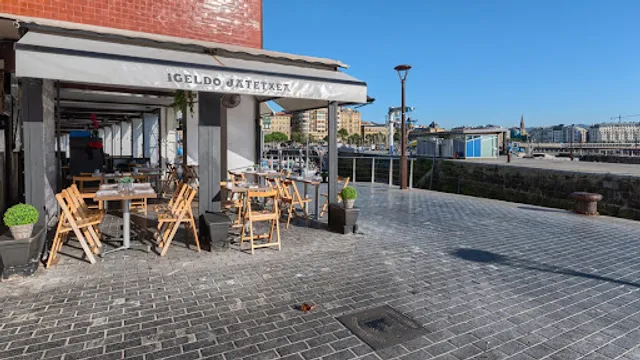
Igeldo jatetxea. Arrain eta Itsaskien berezitasuna
4.1
(733)
$$
Closed
Click for details
Nearby local services of Motako Gaztelua
Urgull
Monte Urgull
Portu Kalea, 21
Basílica de Nuestra Señora del Coro
The English Cemetery
Santesteban Oroigarriak
Batería de Santiago
Príncipe zinemak
Garrarte Donostia, Gozogintza Artisaua
Museo Marítimo Vasco
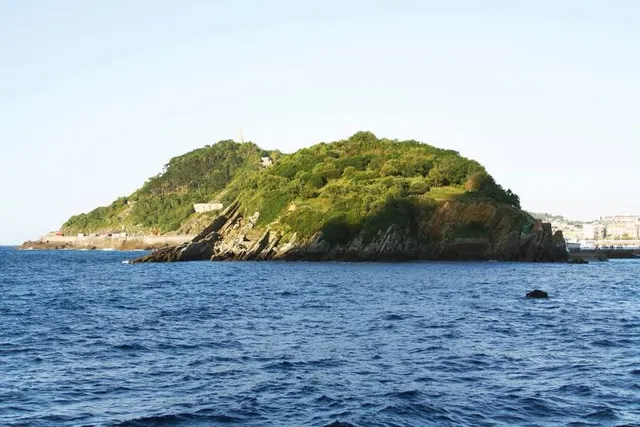
Urgull
4.7
(374)
Click for details
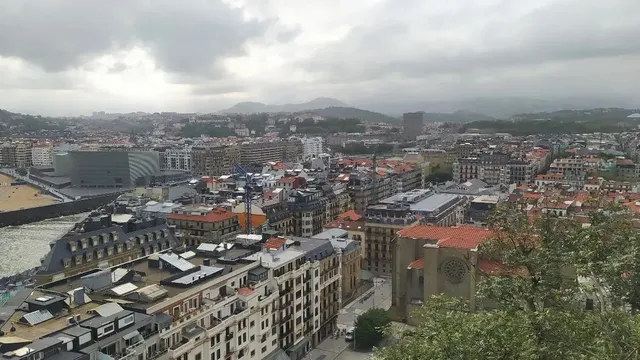
Monte Urgull
4.7
(305)
Click for details
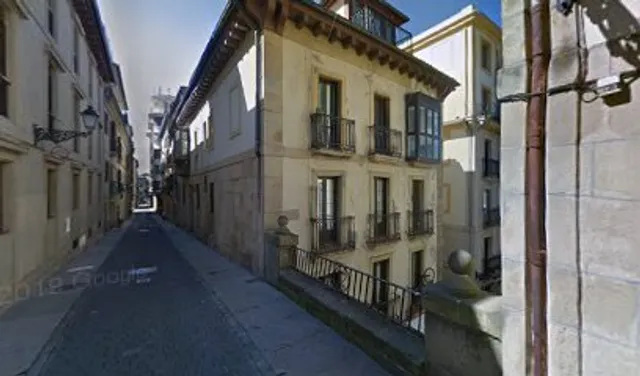
Portu Kalea, 21
4.1
(1.9K)
Click for details
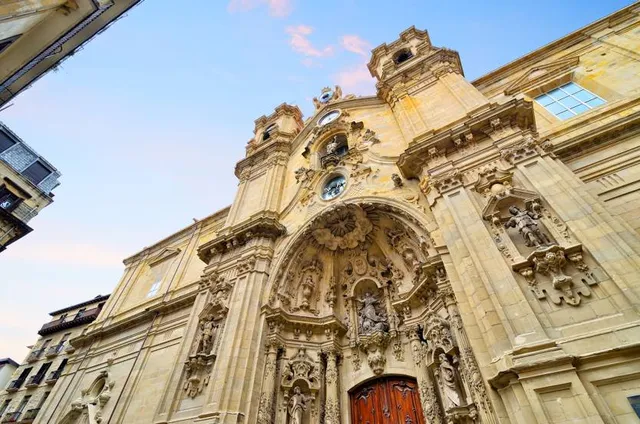
Basílica de Nuestra Señora del Coro
4.4
(840)
Click for details