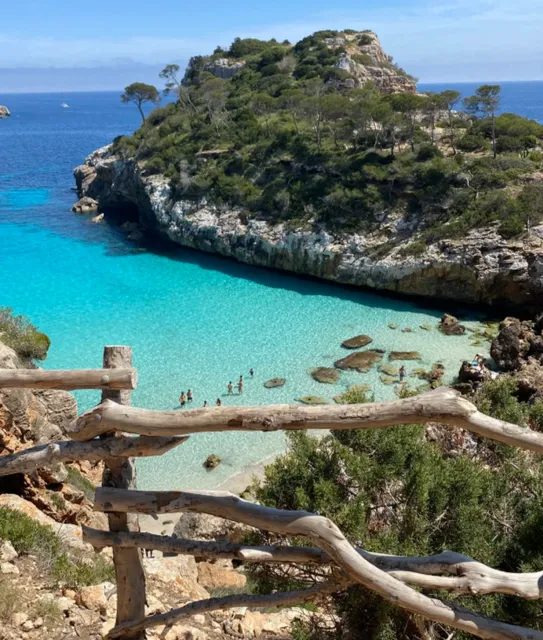
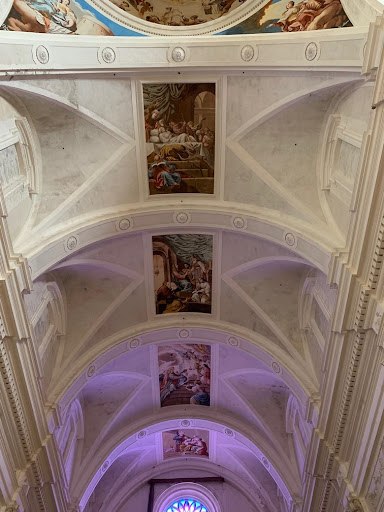
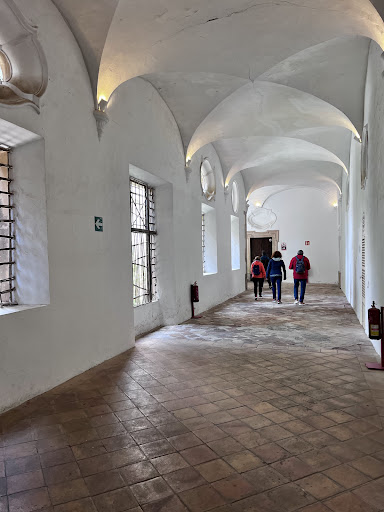
Carthusian Monastery Valldemossa things to do, attractions, restaurants, events info and trip planning
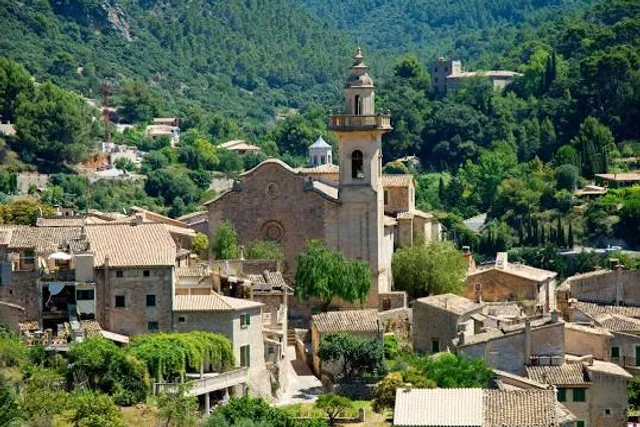
Basic Info
Carthusian Monastery Valldemossa
Plaça Cartoixa, s/n, 07170 Valldemossa, Illes Balears, Spain
4.4(2.1K)
Closed


tickets
Save
spot
spot
Ratings & Description
Info
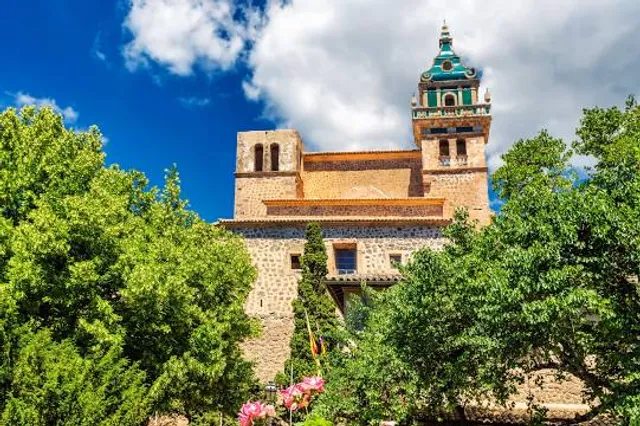
The Valldemossa Charterhouse is a palace in Valldemossa, Mallorca that was residence of the king Sancho of Majorca former royal residence and Royal Charterhouse.
Cultural
Accessibility
attractions: Frédéric Chopin and George Sand Museum, Jardins Rei Joan Carles, Monument a Frédéric Chopin, Camí a Deià, restaurants: Forn i Pastisseria Ca'n Molinas, Barbaflorida cafè, Cappuccino Valldemossa, La Viña - Tapas Club, QuitaPenas Valldemossa, Hostal Can Marió, Es Roquissar, Troia Restaurant Valldemossa, Sa Foganya, La Posada, local businesses: Iglesia de la Cartuja, Fundació Cultural Coll Bardolet, VALLDEMOSSA PEARL MUSEUM SHOP, Outbound Mallorca, Iglesia católica de San Bartolomé, Casa Natal de Sta. Catalina Thomàs
 Learn more insights from Wanderboat AI.
Phone
+34 971 61 21 06
Website
cartoixadevalldemossa.com
Open hoursSee all hours
Fri10 AM - 5 PMClosed
Plan your stay

Pet-friendly Hotels in Valldemossa
Find a cozy hotel nearby and make it a full experience.

Affordable Hotels in Valldemossa
Find a cozy hotel nearby and make it a full experience.

The Coolest Hotels You Haven't Heard Of (Yet)
Find a cozy hotel nearby and make it a full experience.

Trending Stays Worth the Hype in Valldemossa
Find a cozy hotel nearby and make it a full experience.
Reviews
Live events

El gran deute. Visites teatralitzades Parlament 2026
Sat, Feb 21 • 10:30 AM
11 Carrer del Conquistador 07001 Palma
View details
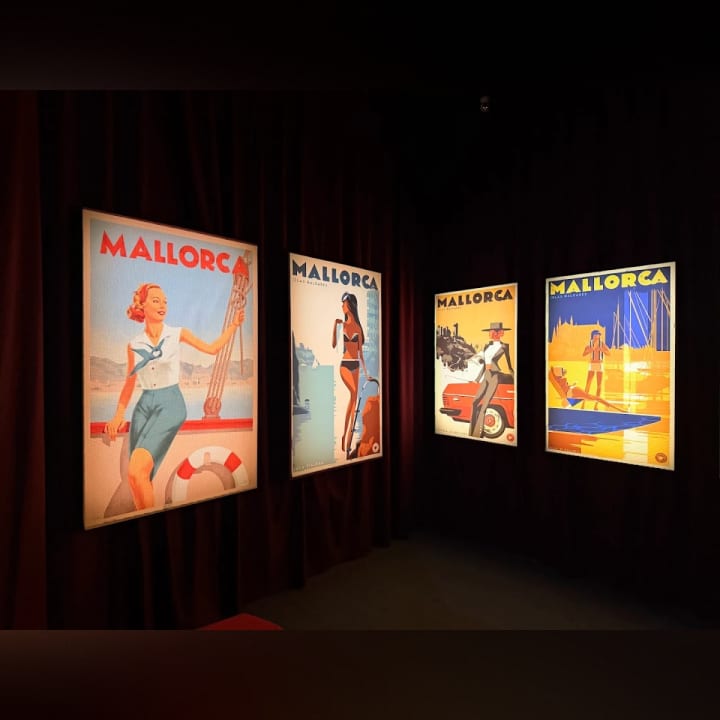
Visual - Mallorca Experience
Fri, Feb 20 • 10:00 AM
Carrer d'En Vilanova, 8, Palma, 07002
View details
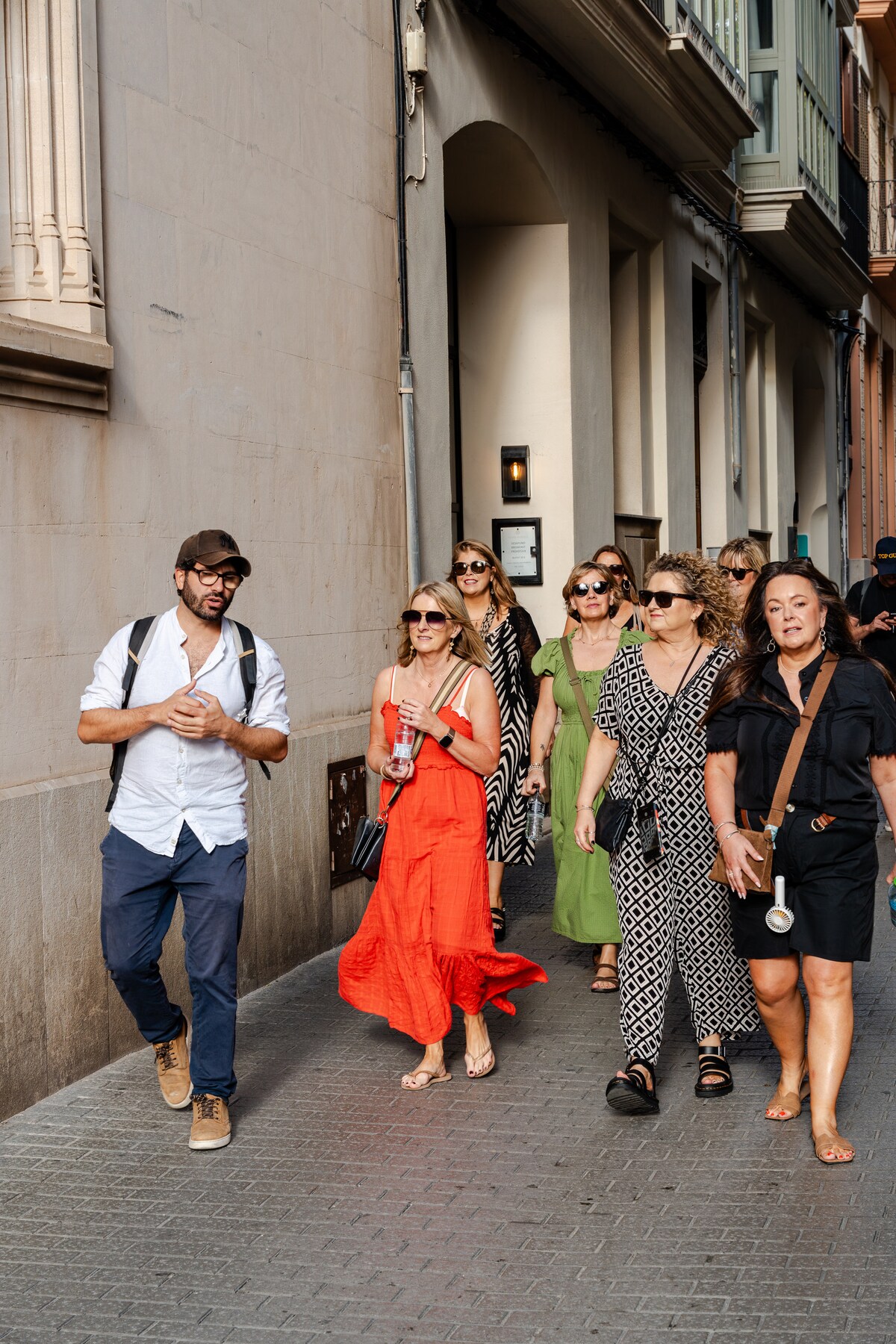
Palma city tour express
Fri, Feb 20 • 12:00 PM
07001, Palma, Balearic Islands, Spain
View details
Nearby attractions of Carthusian Monastery Valldemossa
Frédéric Chopin and George Sand Museum
Jardins Rei Joan Carles
Monument a Frédéric Chopin
Camí a Deià
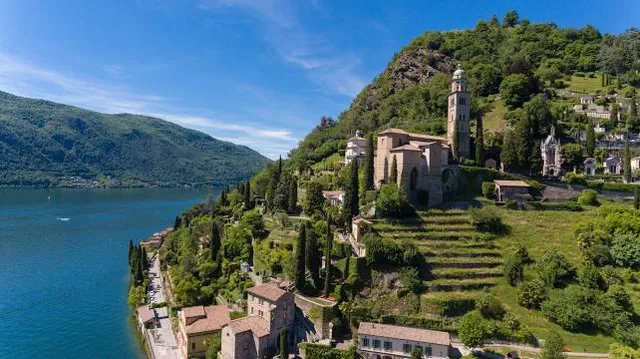
Frédéric Chopin and George Sand Museum
4.2
(658)
Closed
Click for details
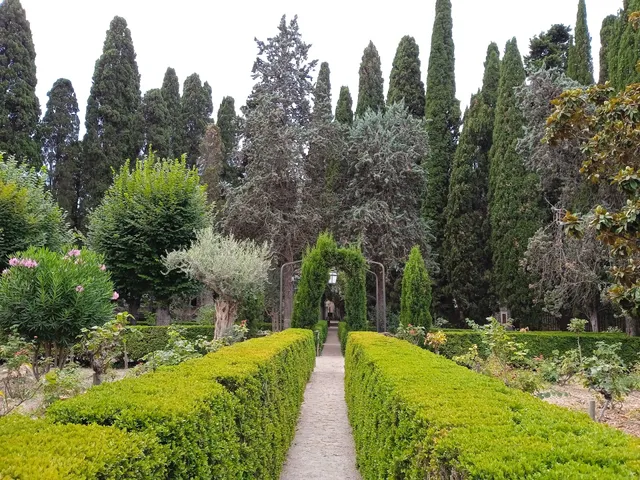
Jardins Rei Joan Carles
4.5
(171)
Open until 12:00 AM
Click for details
Monument a Frédéric Chopin
4.5
(60)
Open until 12:00 AM
Click for details
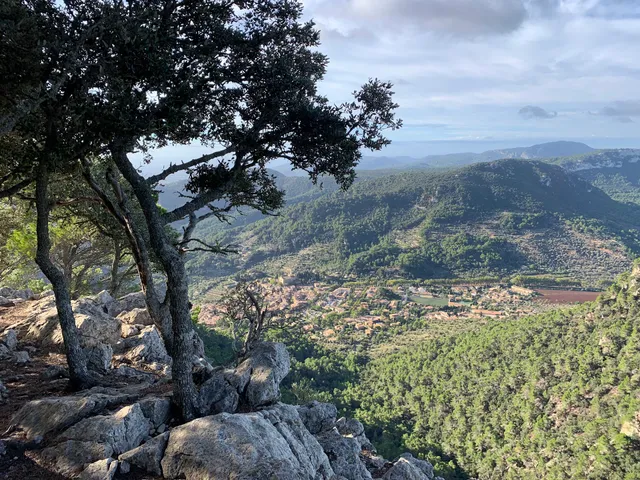
Camí a Deià
4.1
(11)
Open 24 hours
Click for details
Nearby restaurants of Carthusian Monastery Valldemossa
Forn i Pastisseria Ca'n Molinas
Barbaflorida cafè
Cappuccino Valldemossa
La Viña - Tapas Club
QuitaPenas Valldemossa
Hostal Can Marió
Es Roquissar
Troia Restaurant Valldemossa
Sa Foganya
La Posada
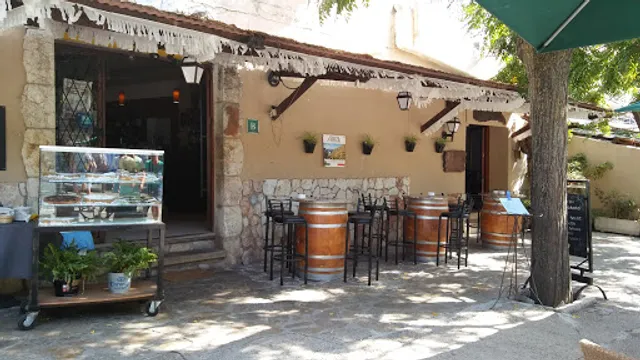
Forn i Pastisseria Ca'n Molinas
4.2
(1.7K)
Closed
Click for details
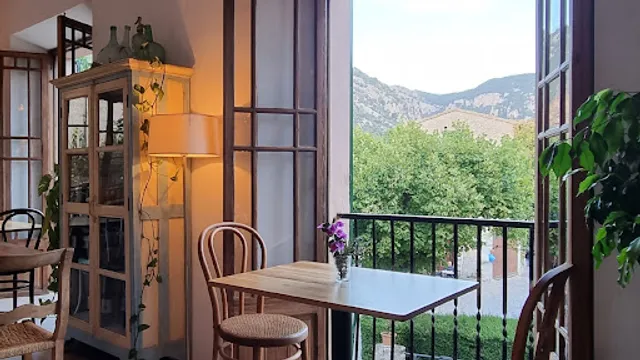
Barbaflorida cafè
4.8
(489)
Closed
Click for details
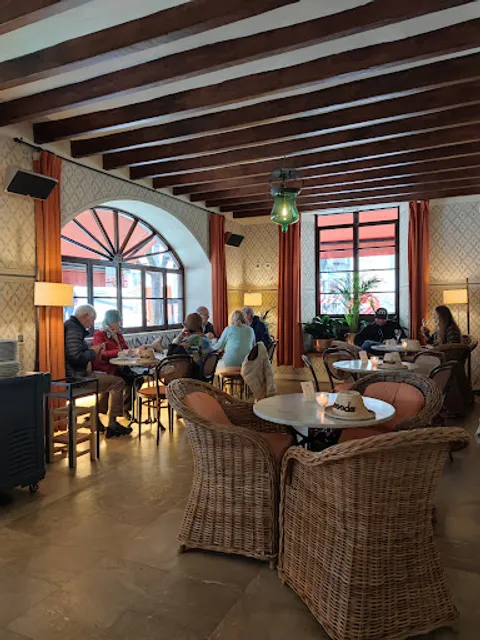
Cappuccino Valldemossa
3.5
(827)
$$
Closed
Click for details
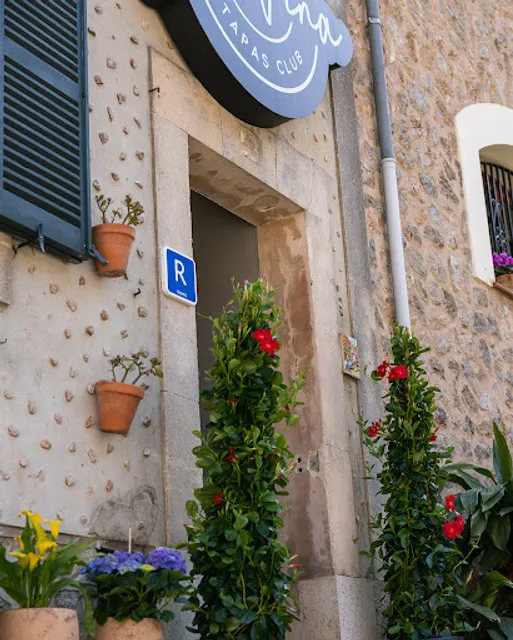
La Viña - Tapas Club
4.1
(409)
Click for details
Nearby local services of Carthusian Monastery Valldemossa
Iglesia de la Cartuja
Fundació Cultural Coll Bardolet
VALLDEMOSSA PEARL MUSEUM SHOP
Outbound Mallorca
Iglesia católica de San Bartolomé
Casa Natal de Sta. Catalina Thomàs
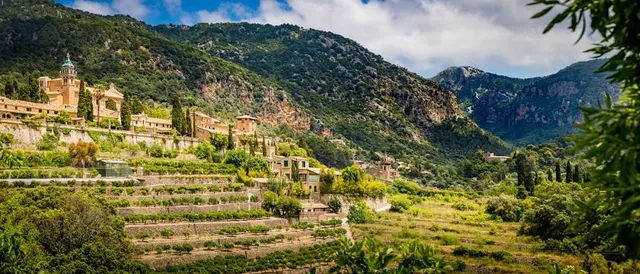
Iglesia de la Cartuja
4.3
(63)
Click for details
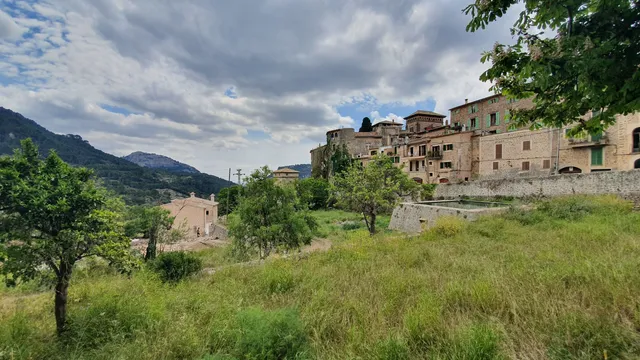
Fundació Cultural Coll Bardolet
4.4
(39)
Click for details
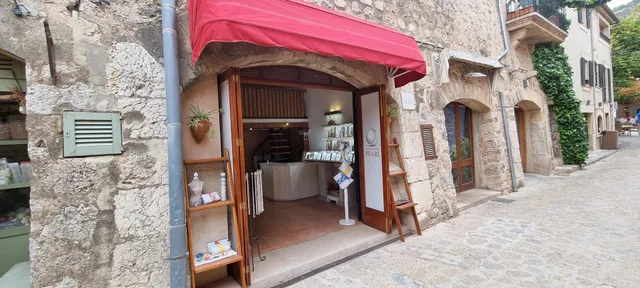
VALLDEMOSSA PEARL MUSEUM SHOP
5.0
(8)
Click for details
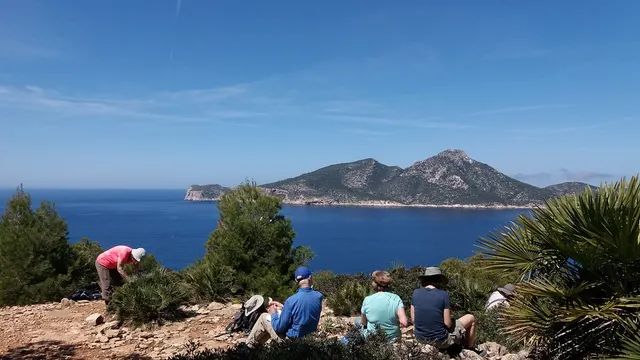
Outbound Mallorca
4.8
(55)
Click for details