Castell de Xàtiva things to do, attractions, restaurants, events info and trip planning
Basic Info
Castell de Xàtiva
Subida al Castillo, s/n, 46800 Xàtiva, Valencia, Spain
4.5(4.6K)
Closed

tickets
Save
spot
spot
Ratings & Description
Info
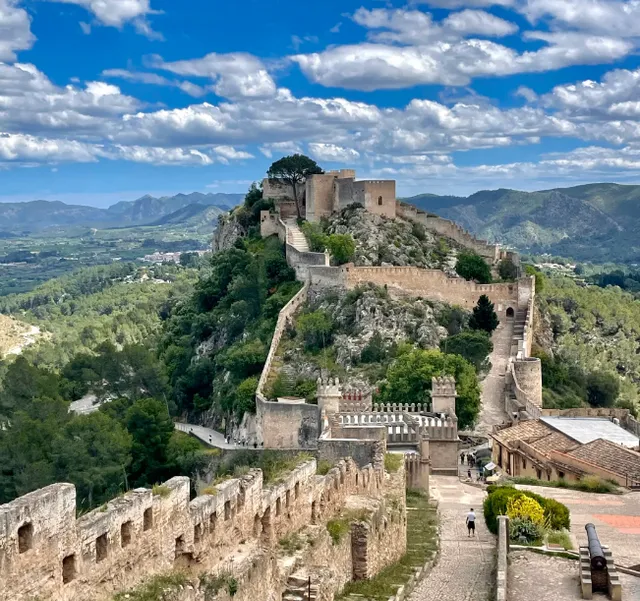
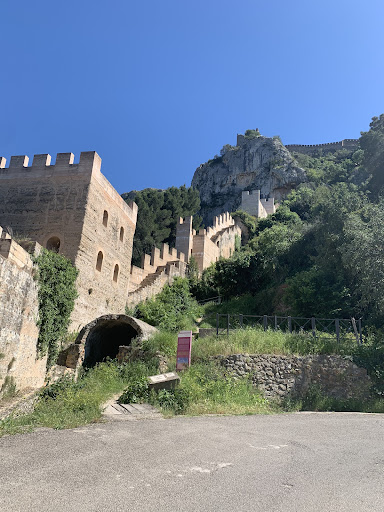
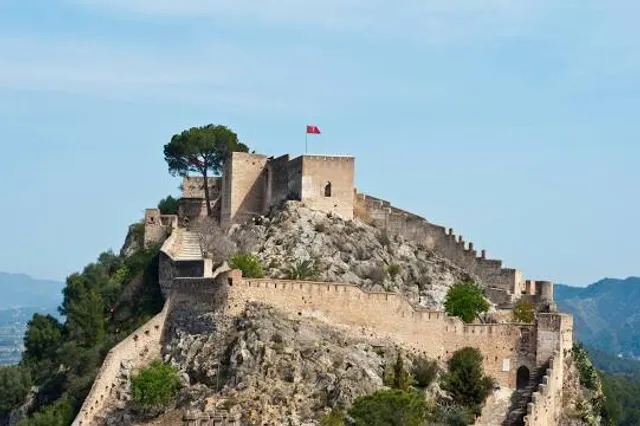
Xativa Castle is a castle located in the city of Xàtiva near Valencia, Spain. It consists of a twin fortification divided between the older "Castillo Menor", built on the Iberian and Roman remains of the site, and the more recent "Castillo Mayor", built during the medieval period.
Cultural
Outdoor
Family friendly
attractions: Torre del Sol, La Nevera, Sant Feliu, Xàtiva, Palau islàmic, Collegiate Basilica of Xàtiva, Plaça del Mercat, Cova dels coloms, Almudín de Játiva, Antic Hospital Reial (Centre d'Interpretació Borja), Jardín del Bes, restaurants: La Talaia del Castell - Restaurant a l'interior del Castell de Xàtiva, Restaurante MontSant, Terrassa Sant Josep, La Miga Artesanal, El Cullerot - Restaurante en Xàtiva, Restaurant Public Lounge Mercat, meson origen, Restaurant Els Porxes - Cuina de Mercat - Xàtiva, Restaurante El Túnel, Forn M. Pla, local businesses: Valencia Birding
 Learn more insights from Wanderboat AI.
Phone
+34 962 28 37 87
Website
xativaturismo.com
Open hoursSee all hours
Fri10 a.m. - 6 p.m.Closed
Plan your stay

Pet-friendly Hotels in Xàtiva
Find a cozy hotel nearby and make it a full experience.

Affordable Hotels in Xàtiva
Find a cozy hotel nearby and make it a full experience.

The Coolest Hotels You Haven't Heard Of (Yet)
Find a cozy hotel nearby and make it a full experience.

Trending Stays Worth the Hype in Xàtiva
Find a cozy hotel nearby and make it a full experience.
Reviews
Live events
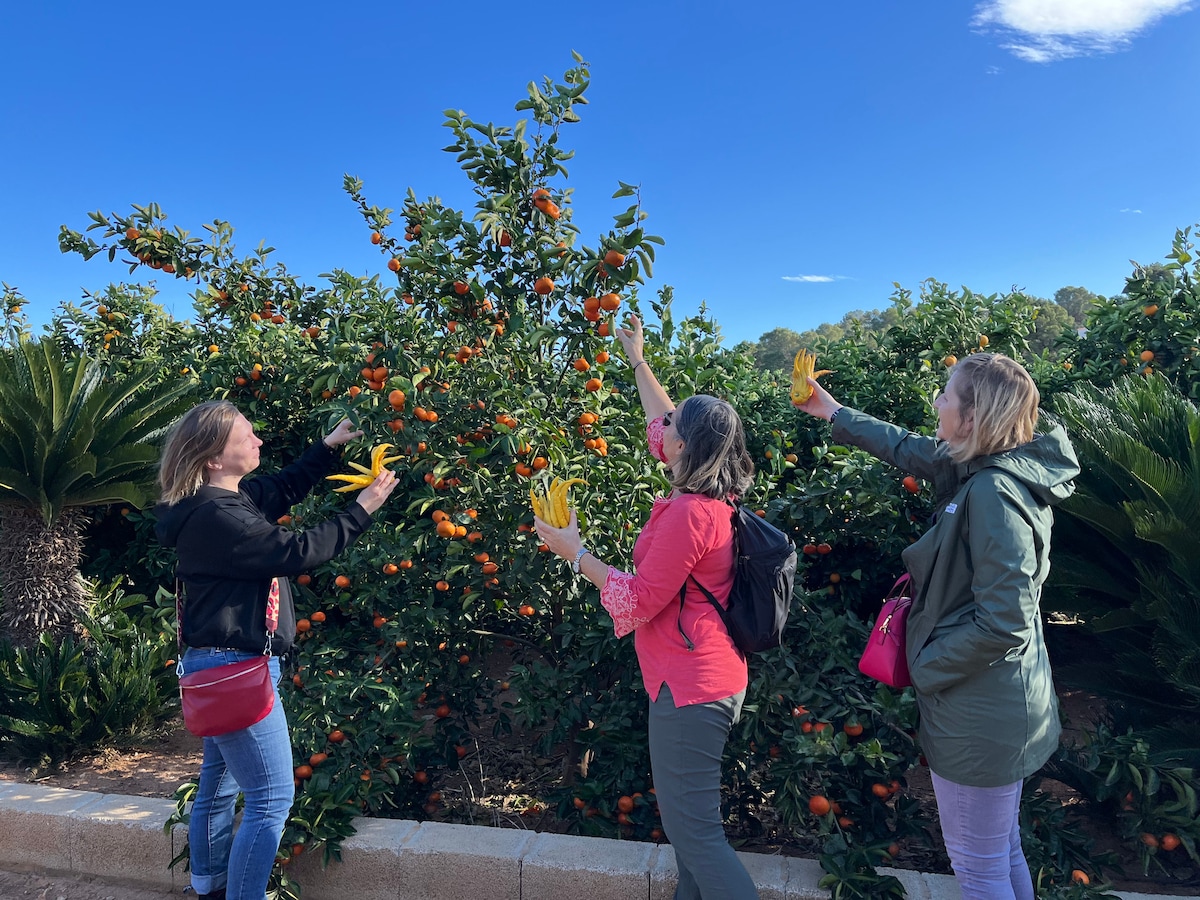
Visit the Orange Grove in Huerto Ribera
Fri, Feb 20 • 3:30 PM
46740, Valencia, Comunidad Valenciana, Spain
View details
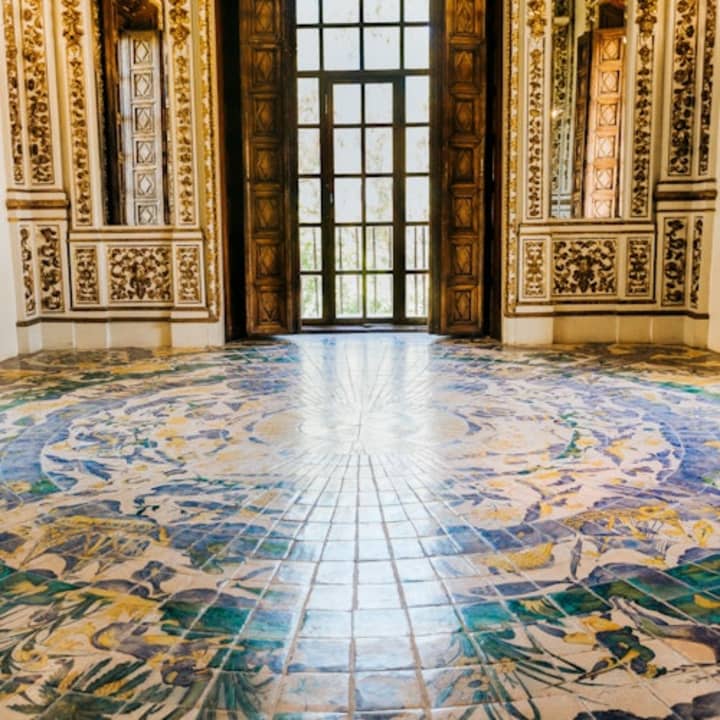
Palacio Ducal de Gandía: Visita audioguiada
Fri, Feb 20 • 10:00 AM
Carrer del Duc Alfons el Vell, 1, Gandia, 46701
View details
Nearby attractions of Castell de Xàtiva
Torre del Sol
La Nevera
Sant Feliu, Xàtiva
Palau islàmic
Collegiate Basilica of Xàtiva
Plaça del Mercat
Cova dels coloms
Almudín de Játiva
Antic Hospital Reial (Centre d'Interpretació Borja)
Jardín del Bes
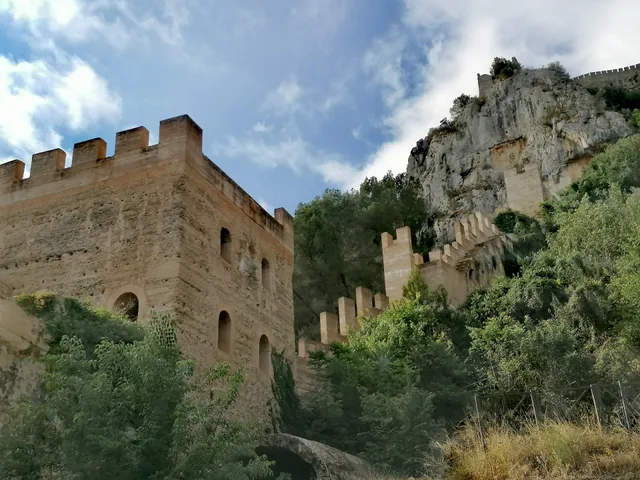
Torre del Sol
4.4
(23)
Open 24 hours
Click for details
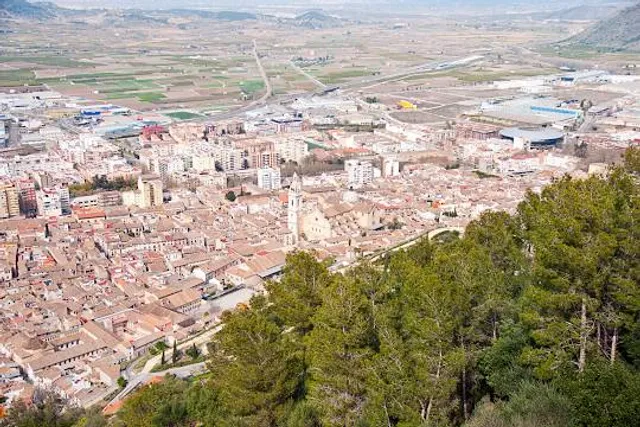
La Nevera
4.5
(27)
Open until 12:00 AM
Click for details
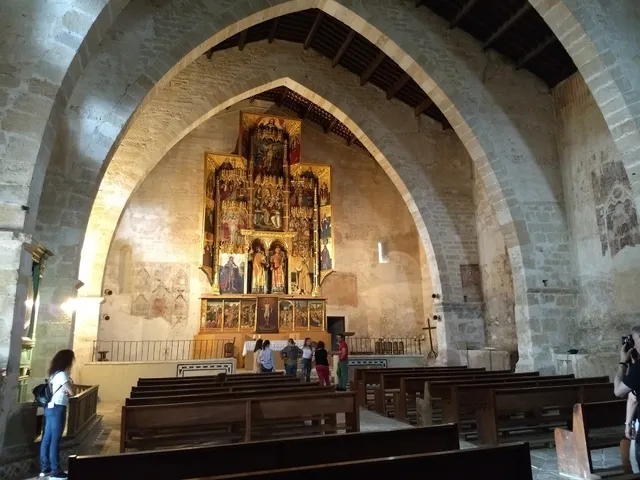
Sant Feliu, Xàtiva
4.8
(18)
Closed
Click for details
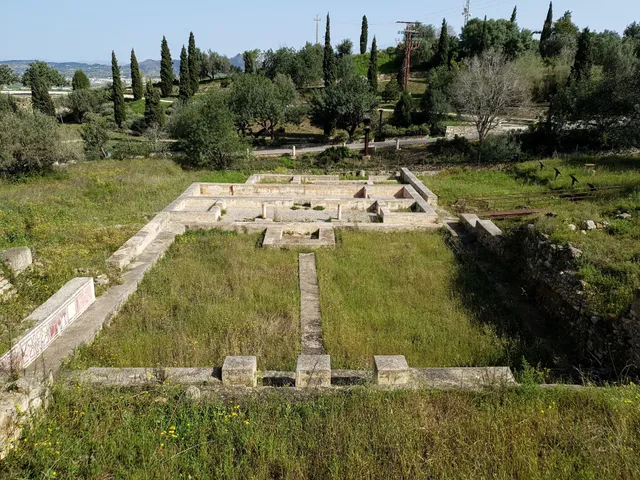
Palau islàmic
3.9
(9)
Open 24 hours
Click for details
Nearby restaurants of Castell de Xàtiva
La Talaia del Castell - Restaurant a l'interior del Castell de Xàtiva
Restaurante MontSant
Terrassa Sant Josep
La Miga Artesanal
El Cullerot - Restaurante en Xàtiva
Restaurant Public Lounge Mercat
meson origen
Restaurant Els Porxes - Cuina de Mercat - Xàtiva
Restaurante El Túnel
Forn M. Pla
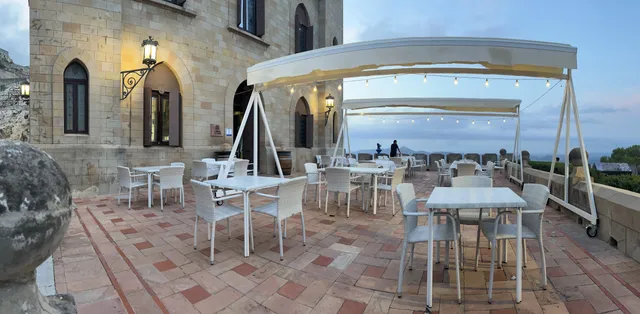
La Talaia del Castell - Restaurant a l'interior del Castell de Xàtiva
3.5
(192)
Closed
Click for details
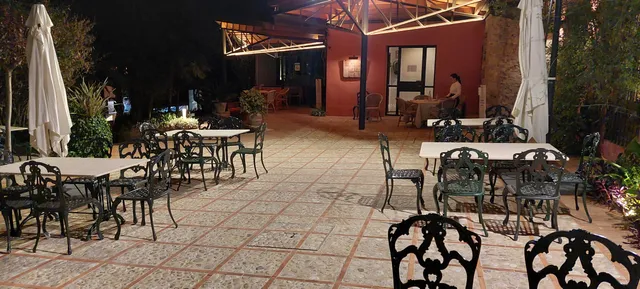
Restaurante MontSant
4.4
(408)
$$$
Closed
Click for details
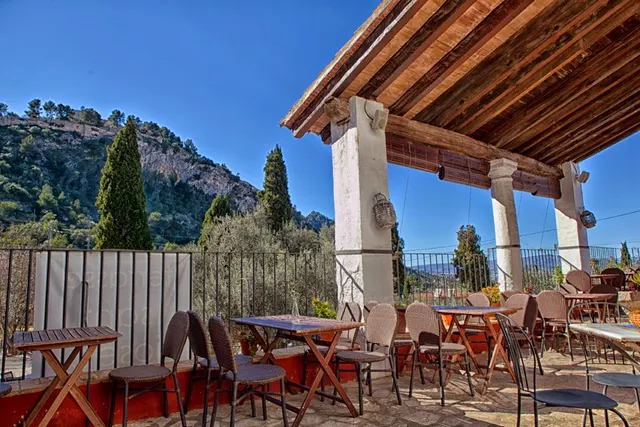
Terrassa Sant Josep
4.2
(503)
Closed
Click for details
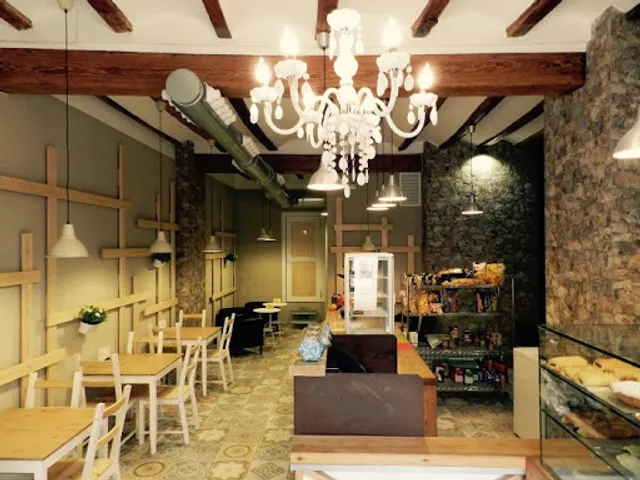
La Miga Artesanal
4.7
(144)
Closed
Click for details
Nearby local services of Castell de Xàtiva
Valencia Birding
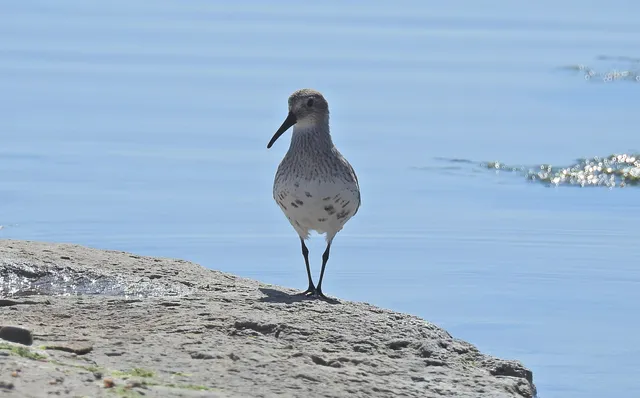
Valencia Birding
4.1
(13)
Click for details