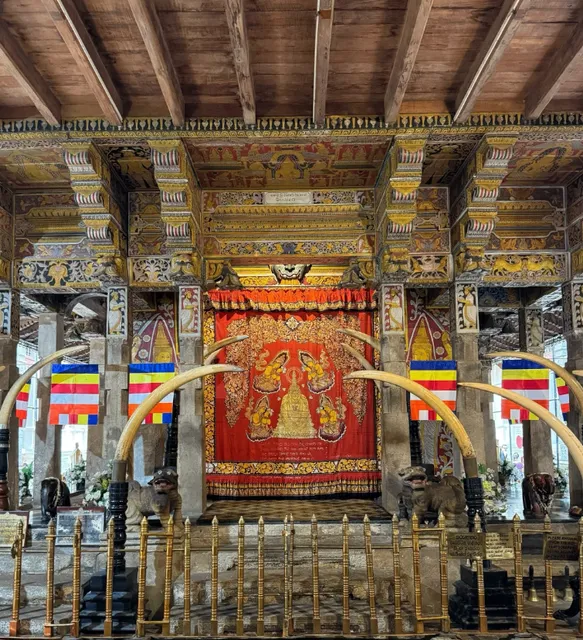
My fascination for the Kandy Tooth Relic Temple or the Kandy Dalada Maligawa shrine started with the one painting that I saw in a palatial temple called Kelaniya Raja Maha Vihara, located about 11 kms from the Srilankan capital, Colombo. Kelaniya Temple is a magnificent Buddhist temple filled with large murals and sculptures and it is of spiritual significance to both Hindus and Buddhists. However, the temple was once a palace and it also marked the culmination of Lord Rama’s tryst with Lanka. It was believed to be a palace handed over to Vibeeshana, Ravana’s brother after the war and it forms a part of the Ramayana Trail of Srilanka.
However, the local Buddhists believe that Buddha preached to his disciples when he visited the island after gaining enlightenment. There is a gem-studded throne enshrined in the temple and it is believed that Buddha sat on the throne when he gave his Dharma sermons. The temple which was later controlled by the colonial powers was rebuilt about a century ago.
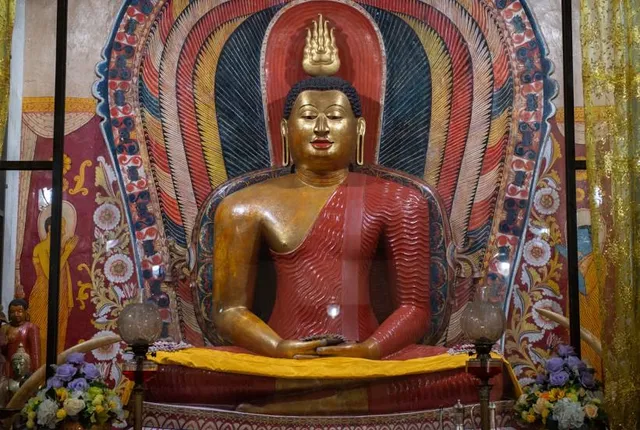
The sculptures and murals here celebrate Buddha’s life and it was believed to be painted by local artist, Solias Mendis. While there are several paintings, a few of them were iconic. One of them depicted the arrival of Samrat Ashoka’s daughter Sangamitra landing on the island with a sapling of the Bodhi tree. Another painting showcased the journey of Buddha’s sacred tooth relic from India to Srilanka.
Princess Hemmamali was apparently the daughter of King Guhasiva of Kalinga and Prince Danta was the son of King Udeni who came to Kalinga to worship the sacred relic which was guarded by the Kalinga rulers. They later get married and the Princess hides the tooth relic in her hair as she entered Srilanka in the 3rd century, They later handed it over to the king Sirimeghavanna of Anuradhapura who enshrined the relic in his capital, before the relic was eventually found a sacred home at Kandy. It was an inexplicable feeling, being at the Kandy Tooth Relic Temple or the Kandy Dalada Maligawa as it’s called, and later as we watched the colourful and dramatic pageant of the Kandy Esala Perahera, we were virtually overwhelmed.
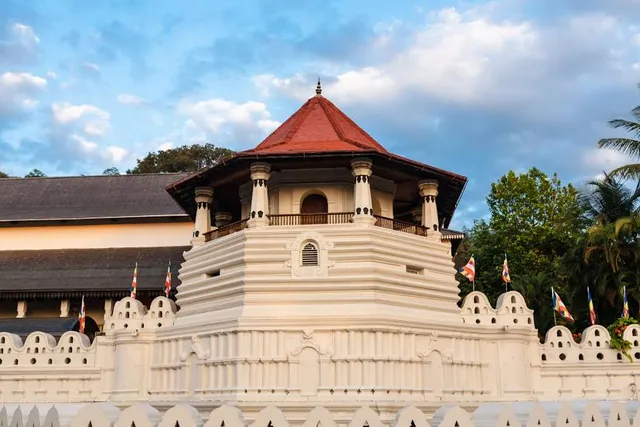
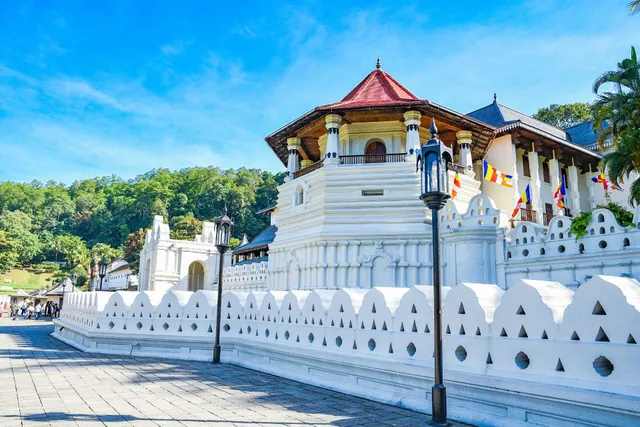
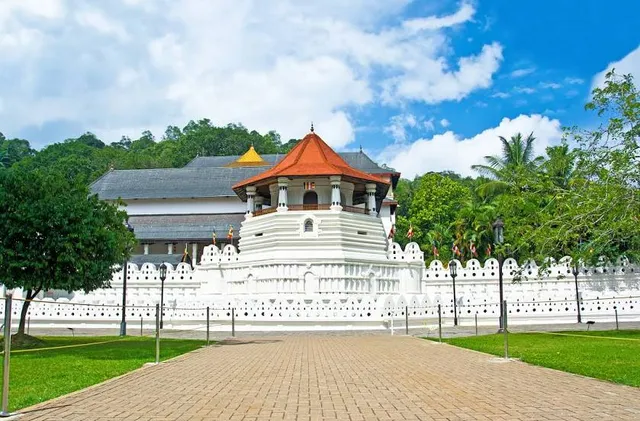
We landed in Kandy town just as the festivities were beginning and the city was all dressed up in vivid shades. We were staying at the Mahaweli Reach hotel, by the banks of the Mahaweli River and the entire town had a vibrant vibe as well. Kandy is synonymous with the Temple of the Tooth Relic, also referred to as the Shri Dalada Maligawa and it is a UNESCO World Heritage Site and one of the best places to visit in Kandy. The temple is a part of the royal complex as the kings were the guardians of the sacred relic, which is the left canine tooth of Buddha
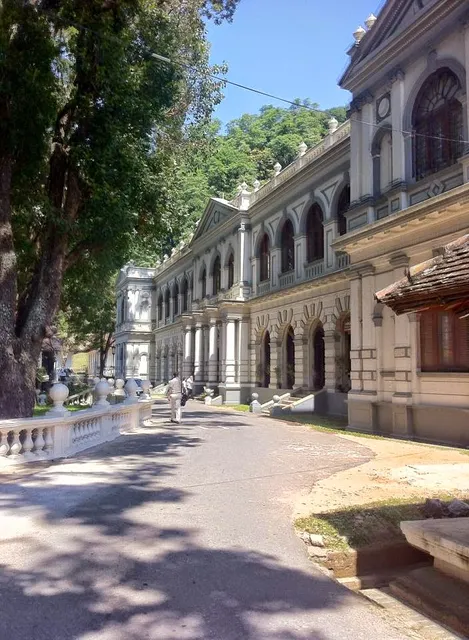
Historically, Kandy, earlier known as Senkadagala or Senkadagalapura and was founded in the mid-14th century and lasted for 450 years until the 19th century. The kingdom of Kandy as it was referred to was ruled by different kings and dynasties until it eventually became a part of the various colonial powers – Portuguese, Dutch, and eventually the British. The town, which was once referred to as Maha Nuwara or the Capital, referring to it being the last capital city of the monarchy and hence the royal complex with the temple is one of the best places to visit in Kandy.
While the Portuguese referred to it as Candea, the name Kandy was an Anglicised version of the original word, Kanda Uda Rata, or the land on the mountain. While the Sinhala rulers safeguarded the relic while ruling from Kandy, the town was briefly under the control of the Nayakkars from Madurai in South India. It is believed that the Kandy Tooth Relic temple was rebuilt around four times and further restored and reconstructed even after the civil wars.
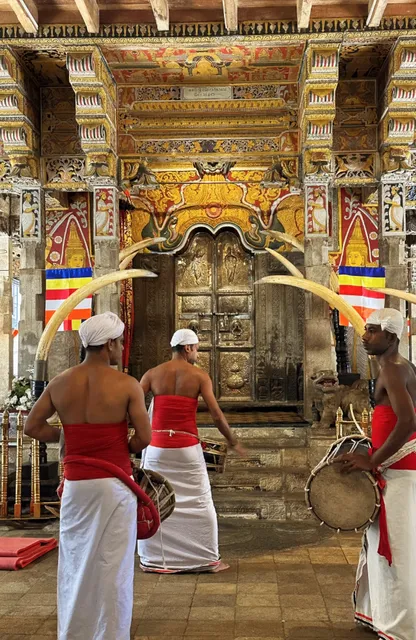
It was a mystical feeling being at the Kandy Tooth Relic Temple in the wee hours of the morning, for the dawn ritual. The divine energy was everywhere. The music echoed from the shrine. The sky was dark but the entire atmosphere was lit adding to the...
Read moreChatGPT 3.5

You
Please give Review Temple of the Sacred Tooth Relic (800 words)
ChatGPT
ChatGPT
The Temple of the Sacred Tooth Relic in Kandy, Sri Lanka, is a mesmerizing testament to the country's rich cultural and religious heritage. As one of the holiest sites for Buddhists, this temple attracts pilgrims, historians, and curious travelers from around the world. The awe-inspiring architecture, the spiritual significance, and the vibrant atmosphere make it a must-visit destination.
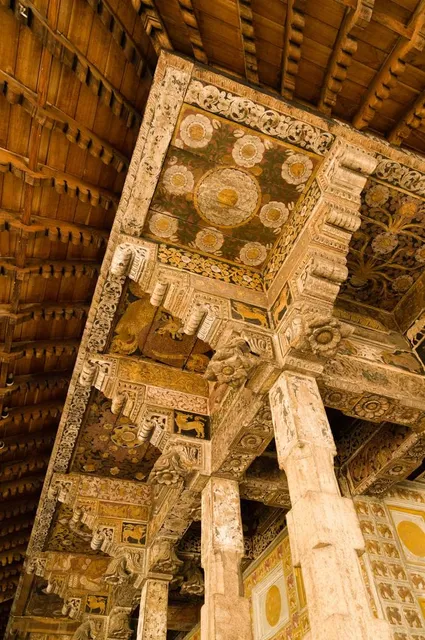
Upon entering the temple premises, visitors are greeted by an intricate facade that showcases the fusion of Kandyan and South Indian architectural styles. The stunning golden roof, embellished with intricate carvings and delicate sculptures, immediately captures the eye. The intricate details reflect the craftsmanship and dedication that went into the construction of this sacred space.
Inside the temple, the atmosphere is both serene and vibrant. Devotees clad in white move through the halls, carrying offerings and prayers. The air is filled with the scent of incense, creating a sensory experience that enhances the spiritual journey. The sound of chanting and rhythmic drumbeats resonates, creating a captivating ambiance that adds to the sense of sacredness.
The central focus of the temple is the chamber housing the Sacred Tooth Relic of Lord Buddha. As the custodian of this revered relic, the temple plays a pivotal role in preserving Buddhist traditions. The relic is enshrined within a series of ornate golden caskets, further emphasizing its significance. Pilgrims and visitors alike gather in quiet reverence to catch a glimpse of the sacred tooth during the daily rituals.
The museum within the temple complex provides valuable insights into the history and cultural significance of the relic. Exhibits showcase artifacts, manuscripts, and paintings that trace the journey of the tooth relic from its origins in India to its eventual enshrinement in Kandy. This historical context enriches the overall experience, allowing visitors to appreciate the cultural tapestry woven around this sacred artifact.
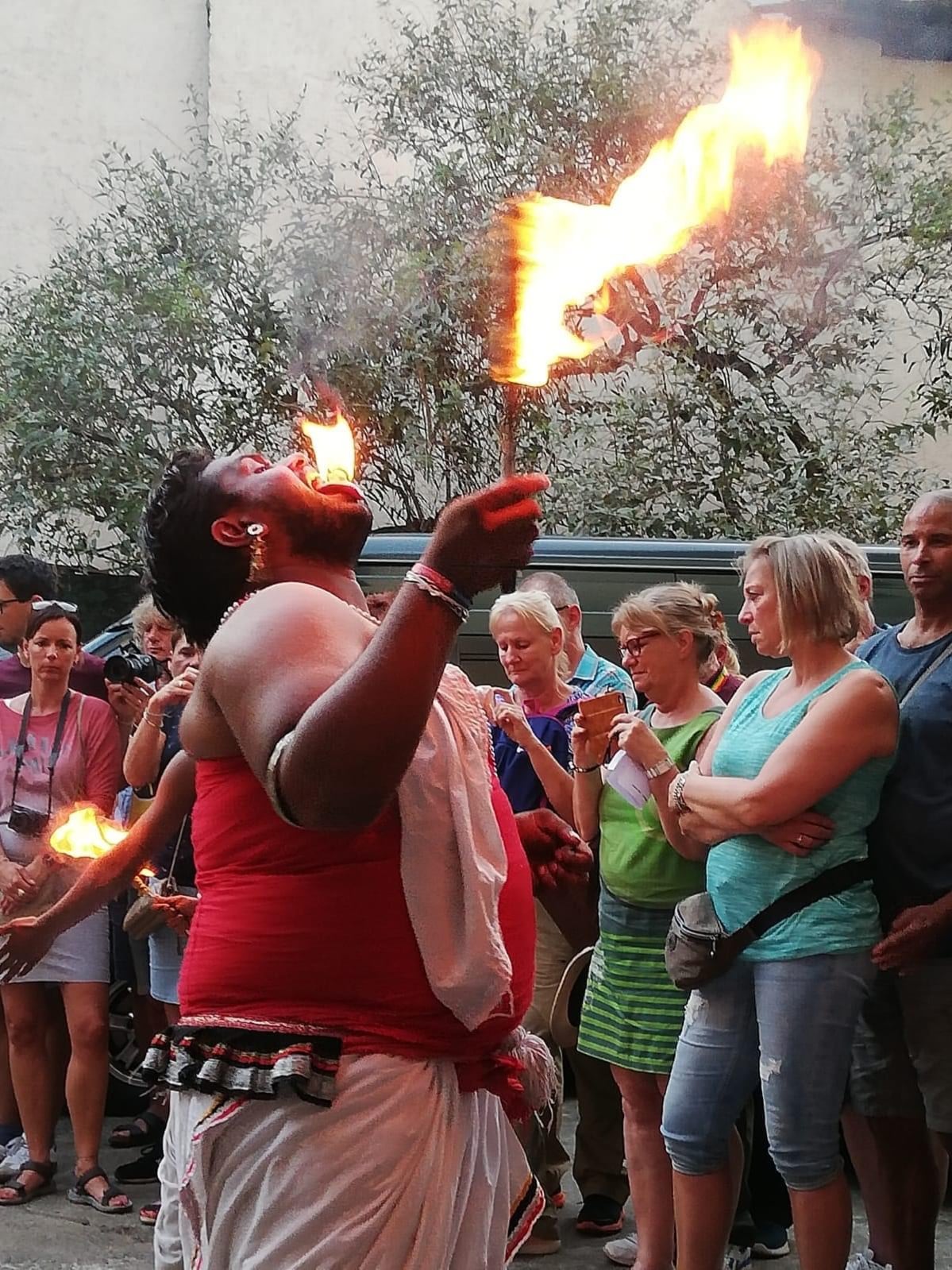
The temple's annual Esala Perahera festival is a spectacle that encapsulates the vibrancy and devotion associated with the Temple of the Sacred Tooth Relic. The procession, featuring adorned elephants, traditional dancers, and musicians, draws crowds in the thousands. The rhythmic procession of religious rituals, vibrant costumes, and the majestic tuskers carrying the relic creates a visual feast that leaves an indelible impression on spectators.
While the Temple of the Sacred Tooth Relic is a beacon of spirituality, it also serves as a cultural touchstone. The murals and frescoes adorning the walls depict scenes from Buddhist folklore and historical events, offering a visual narrative that complements the oral traditions passed down through generations. The artistic expressions within the temple not only showcase the aesthetic prowess of the creators but also serve as a medium for transmitting cultural values.
However, despite its undeniable beauty and cultural significance, the temple complex can be crowded, especially during peak visiting hours. Navigating through throngs of devotees and tourists may detract from the contemplative atmosphere that one might seek in a sacred space. It is advisable to plan visits during quieter times to fully appreciate the tranquility and spiritual ambiance that the temple has to offer.
The Temple of the Sacred Tooth Relic in Kandy is a jewel in Sri Lanka's cultural crown. Its architectural splendor, spiritual resonance, and historical significance make it a must-visit destination for those seeking a deeper understanding of Buddhism and Sri Lanka's rich heritage. While the crowds can be overwhelming, the experience of witnessing the rituals, exploring the museum, and immersing oneself in the cultural tapestry surrounding the Sacred Tooth Relic is undoubtedly worth...
Read more⭐️⭐️⭐️⭐️⭐️
A Sacred Jewel of Sri Lanka – The Temple of the Tooth Relic
The Sri Dalada Maligawa, or Temple of the Sacred Tooth Relic, is not only the most iconic attraction in Kandy but also one of the most revered religious sites in Sri Lanka and the entire Buddhist world. Visiting this temple is a moving and unforgettable experience, combining spirituality, history, and architectural beauty in one unique place.
The temple houses the most precious relic for Buddhists—the Sacred Tooth of the Buddha. For centuries, this relic has been a symbol of both spiritual devotion and political power, as it was believed that whoever possessed the Tooth Relic had the right to rule the island. Because of this, the Temple has always been at the heart of Sri Lankan culture, history, and governance.
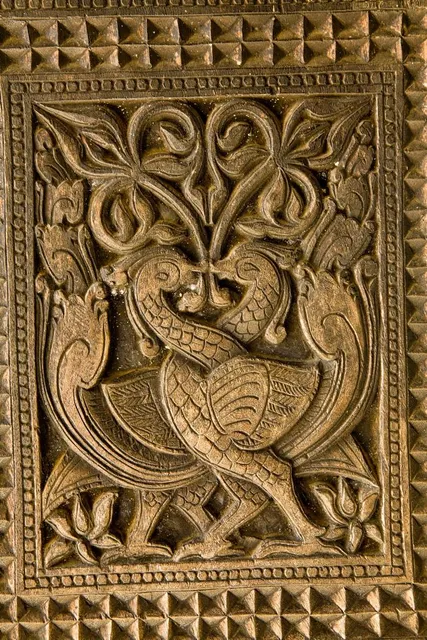
As you approach the temple, the first impression is its grandeur. The whitewashed walls, the moat, and the entrance gate all stand proudly, showing the harmony of Kandyan architecture. Inside, you will find a combination of ancient woodwork, intricate carvings, golden decorations, and traditional Kandyan paintings that all tell stories of faith and devotion. The temple grounds themselves are extensive and peaceful, with gardens, shrines, and smaller museums surrounding the main shrine.
The highlight of any visit is, of course, the viewing of the Sacred Tooth Relic. The relic itself is kept inside a golden casket, which is placed in an inner chamber. Visitors and devotees can only see the outer shrine and the golden doors, but the energy and devotion of the pilgrims make the experience very special. Daily rituals, known as Thevava, are performed three times a day by the resident monks, with traditional drumming and offerings of flowers. Attending one of these ceremonies is deeply moving, as you witness both the spiritual devotion of Buddhists and the timeless traditions that have continued for hundreds of years.
Another major attraction is the annual Esala Perahera, one of the most spectacular festivals in Asia. During this event, the temple organizes a grand procession with traditional dancers, drummers, and beautifully decorated elephants, carrying a replica of the Tooth Relic casket through the streets of Kandy. Even outside of this festival, however, the temple itself carries an atmosphere of reverence and cultural pride.
Visitors should also take time to explore the museums inside the complex. These contain artifacts, gifts from kings and foreign dignitaries, and exhibits that show how the temple and relic influenced Sri Lankan history. It is an excellent way to learn about both the religious and cultural significance of the site.
Practical tips for visitors: Dress modestly, as this is a place of worship (shoulders and knees should be covered). Shoes must be removed before entering, so it is best to bring socks if you are not comfortable walking barefoot. The temple can be busy, especially during weekends and full moon Poya days, but the sense of devotion you see among the crowds only adds to the atmosphere. If you prefer a quieter visit, early morning or late afternoon is ideal. Photography is allowed in many areas, but out of respect, avoid flash and follow the instructions of the staff.
What makes the Temple of the Tooth Relic so special is not only its beauty or its history, but the feeling it gives you when you are inside. Whether you are a Buddhist pilgrim, a student of history, or simply a traveler curious about Sri Lanka, the Dalada Maligawa offers a sense of peace, reverence, and connection to something timeless.
In conclusion, the Temple of the Tooth Relic is more than just a tourist attraction—it is the beating heart of Sri Lanka’s cultural and spiritual identity. To stand within its walls is to stand within centuries of history, devotion, and tradition. A visit here is an absolute must when in Kandy, and it will leave you with lasting memories of beauty, peace, and...
Read more