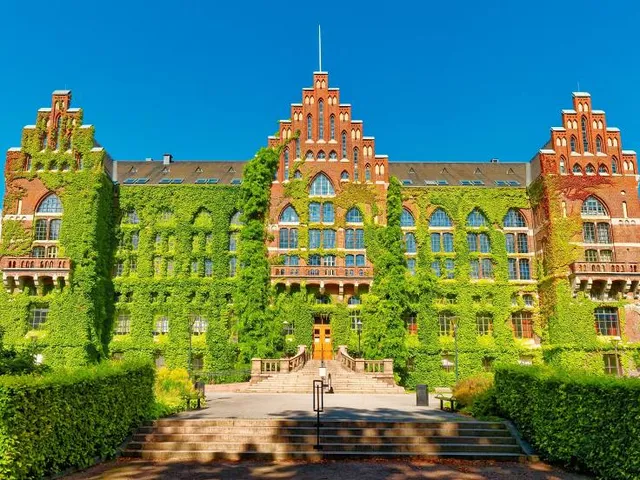
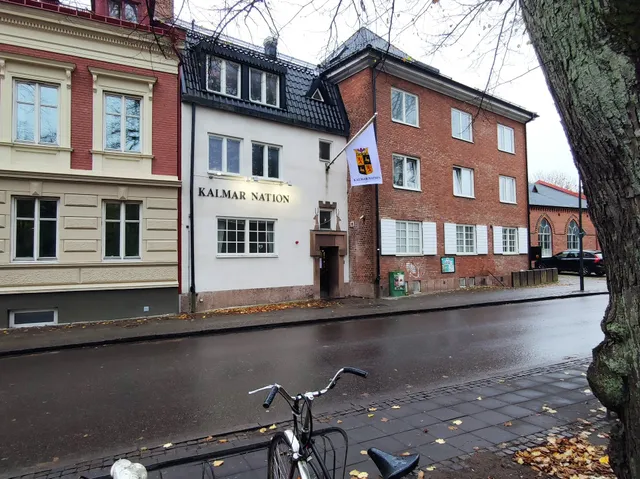
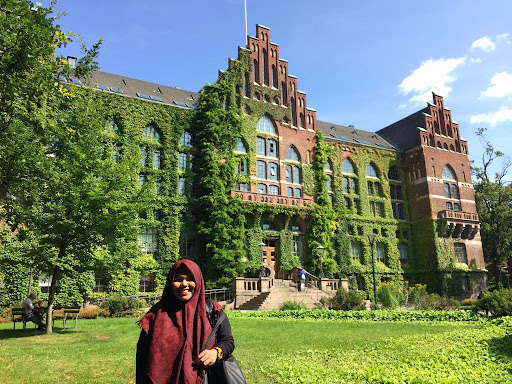
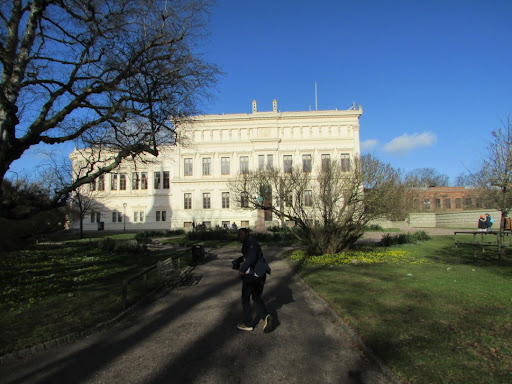
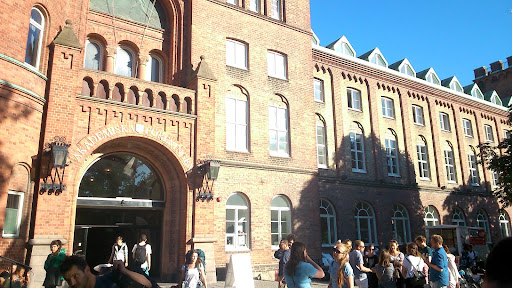
Lund University, located in Lund, Sweden, is one of Scandinavia’s oldest and most prestigious universities, founded in 1666. It’s a public research university known for its academic excellence, innovative research, and vibrant student life. Here’s a concise overview: Key Points: Ranking & Reputation: Consistently ranks among the top 100 universities globally (e.g., QS World University Rankings). It’s renowned for disciplines like medicine, engineering, social sciences, humanities, and natural sciences. Student Body: Hosts around 40,000 students, including over 8,000 international students from 130+ countries, fostering a diverse academic environment. Campus: The main campus is in Lund, a charming, student-friendly city in southern Sweden, with additional campuses in Malmö and Helsingborg. Lund’s cobblestone streets, historic buildings, and vibrant student culture (e.g., "nations" or student societies) create a unique atmosphere. Academic Structure: Offers 9 faculties, including Law, Medicine, Engineering (LTH), Social Sciences, and Fine & Performing Arts. Over 100 master’s programs are taught in English, attracting global talent. Research: A research powerhouse with strengths in areas like nanotechnology, climate science, and neuroscience. It hosts major facilities like the MAX IV synchrotron and contributes to the European Spallation Source (ESS). International Focus: Strong emphasis on global collaboration, with partnerships across Europe and beyond. Programs like Erasmus+ and scholarships (e.g., Lund University Global Scholarship) support international students. Student Life: Known for its "student nations" (social clubs), spex (humorous theater), and traditions like the Lund Carnival (every four years). The city’s compact size makes it bike-friendly and student-centric. Sustainability: Committed to sustainability, with research and initiatives focused on climate change and environmental solutions. Notable Aspects: History: Established after Sweden gained control of Scania from Denmark, with roots in a medieval cathedral school (1425). Innovation: Alumni and faculty include Nobel laureates (e.g., Manne Siegbahn, Physics) and contributions to Bluetooth technology. Admissions: Competitive, especially for international programs. Requires strong academic records, English proficiency (e.g., IELTS/TOEFL), and...
Read moreLund University encourages independent thinking, so here are my thoughts.
I have applied to Physics Bachelor’s programme. After lengthy process my application was marked as unqualified. Being unfamiliar with Swedish grading system I have contacted Physics Department, and asked about this issue. The response was that my application is not evaluated at all in a department I am applying to.
Dissatisfied with scarce information I had gathered I have asked the Professor of Physics from previous University I have attended about my application, as he have studied in Sweden before. My guess was correct that reason for this decision were courses I had ‘not taken’. Both in physics and mathematics. Having certificate from my previous University in classes like thermal physics and multivariable calculus, backed with experience from University from my hometown and having attending high school classes with highest level courses available in Physics and Mathematics and passing with high school diploma in ‘advanced’ science subjects, I have submitted an appeal form. Long story short, appeal was denied. The specific reason is unknown as the whole letter from the Appeal Board was in Swedish which I do not speak fluently yet. I have contacted Lund University about this issue, which consumed a lot of time and prevented me from applying elsewhere. Two of my emails to this day has been left without a response. The third one explained that classes I had taken does not meet entry requirements. The link was provided, to back up this argument, to converter of classes I have attended in high school to Swedish criteria. It did turn out that the required 4 level in physics have been completed by me at level 5 in my high school and mathematics was at the required level. Despite all this information I have tried to explain to Lund University this issue, stating that if still my qualifications are unsatisfactory, I will be more than happy to take fair exam, or any other method of clarification. No such alternative was provided and my case was basically ignored.
If that is the creative way University is teaching independent thinking and assess learning in no particular frame, where contact with faculty is described as one of the most welcome, I must admit my imagination would never though about such unusual and...
Read moreIt is concerning to observe how Lund University have neglected to integrate ethical considerations pertaining to veganism into their programs, particularly within the medical disciplines. One such institution, which prides itself on fostering inclusive and progressive values, unfortunately falls short in respecting and accommodating the principles of committed vegans and animal rights advocates within its Medical Degree (MD) program.
The curriculum requires all students to participate in practices that goes against the principles of veganism. This rigid approach leaves no room for ethical alternatives, which is not only troubling from an animal rights perspective but also stifles academic freedom and ethical individualism. The lack of flexibility within the program forces students who are dedicated to veganism either to compromise their principles, to reconsider their career paths, or seek education elsewhere.
The response from university administrators to the concerns voiced by vegan students and faculty has been notably inadequate. Instead of engaging with these issues in a meaningful way, the university's dismissive stance alienates a portion of its community, raising questions about its commitment to truly inclusive ethical practices.
Lund University's oversight in not integrating vegan principles into its medical program not only alienates and marginalizes committed vegans but also reflects poorly on its overall ethical stance. As educators of future medical professionals, it is crucial for the institution to reevaluate and reform its curriculum and policies to respect and incorporate vegan ethics, ensuring an inclusive educational environment for all students.
This is not a situation where there are no alternatives. For instance in Italy, not only does students have a right to conscientious objection to scientific or educational activities involving animals, but Institutions are obliged to fully inform workers and students about this right. (source:...
Read more