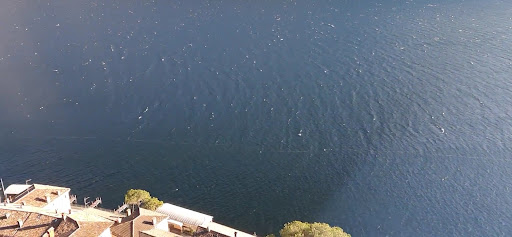
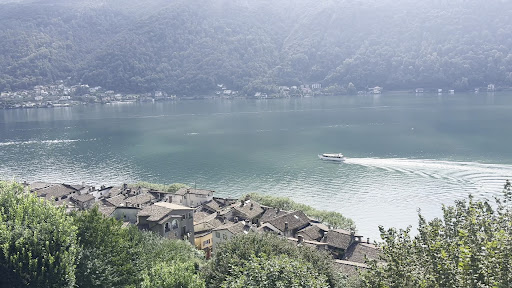
Chiesa Santa Maria del Sasso things to do, attractions, restaurants, events info and trip planning
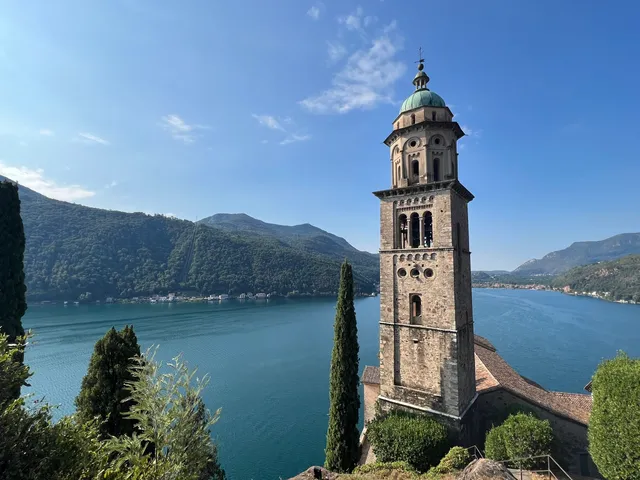
Basic Info
Chiesa Santa Maria del Sasso
Sentee da la Gesa, 6922 Morcote, Switzerland
4.8(285)
Open until 9:00 PM
Save
spot
spot
Ratings & Description
Info
Cultural
Scenic
Accessibility
attractions: Parco Scherrer, Castello di Morcote, Torre del Capitano, Tenuta Castello di Morcote, restaurants: Albergo Ristorante della Posta, La casa del gelato, Osteria Portici, Ristorante Barcaioli, Albergo Ristorante Al Battello, Ristorante della Torre, Gandalf Bar, Osteria la Terrazza sul Lago, Ristorante Oasi Morcote da Martino, La Sorgente, local businesses:
 Learn more insights from Wanderboat AI.
Phone
+41 91 996 12 50
Website
parrocchiamorcote.ch
Open hoursSee all hours
Sun7 AM - 9 PMOpen
Plan your stay

Pet-friendly Hotels in Circolo di Carona
Find a cozy hotel nearby and make it a full experience.

Affordable Hotels in Circolo di Carona
Find a cozy hotel nearby and make it a full experience.

The Coolest Hotels You Haven't Heard Of (Yet)
Find a cozy hotel nearby and make it a full experience.

Trending Stays Worth the Hype in Circolo di Carona
Find a cozy hotel nearby and make it a full experience.
Reviews
Live events
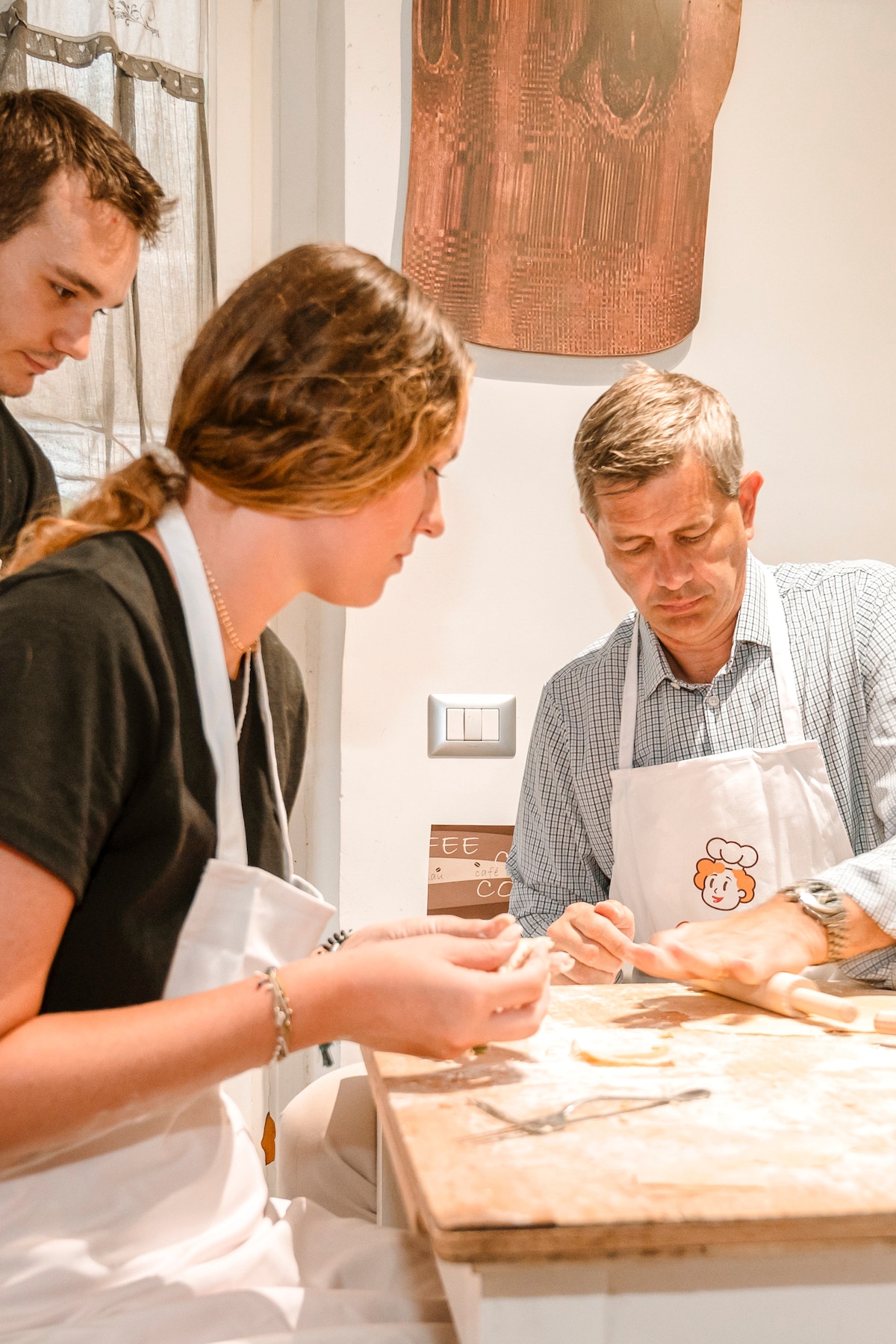
Make pasta and tiramisu in Como
Sun, Feb 8 • 5:00 PM
22100, Como, Lombardy, Italy
View details

Candlelight: Tributo ai Queen
Sun, Feb 15 • 6:00 PM
Via Vincenzo Bellini, 1, Como, 22100
View details
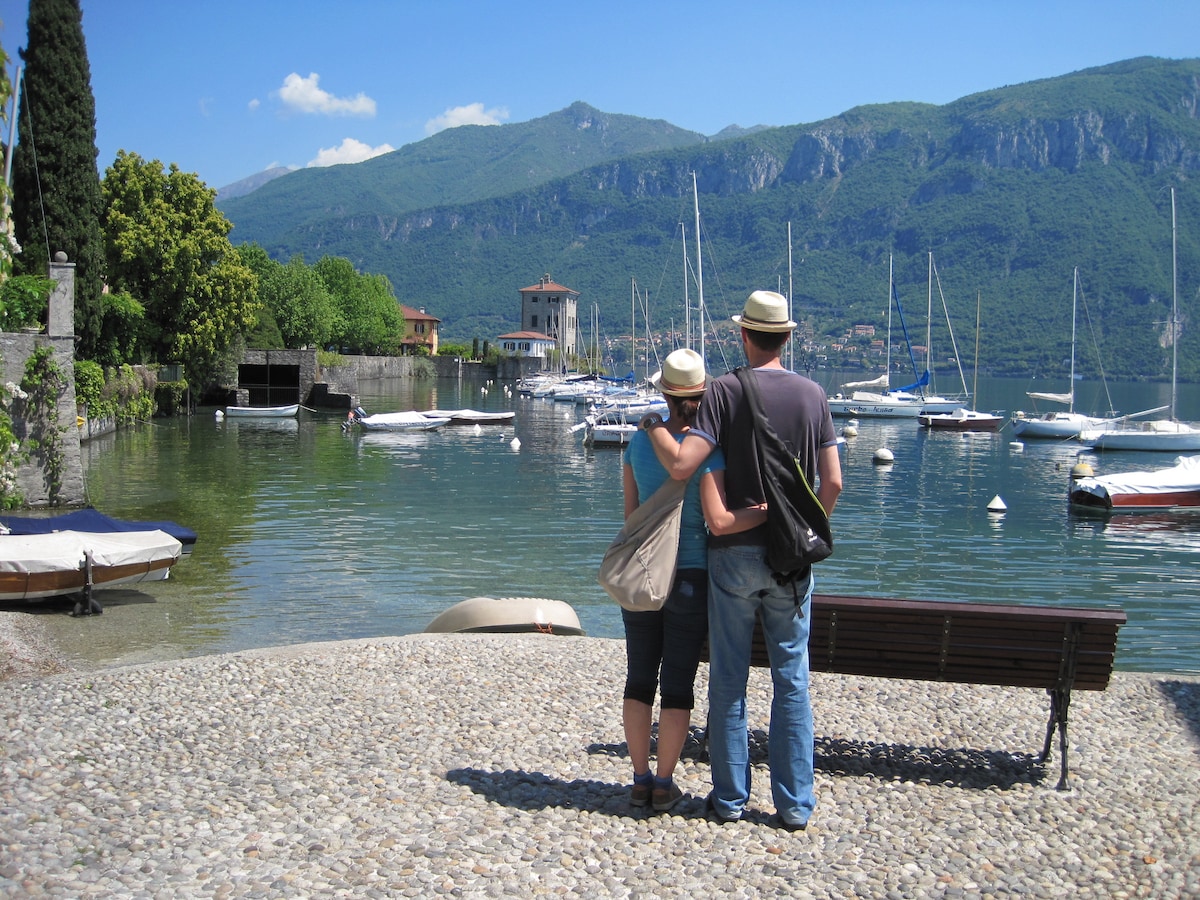
Explore Bellagios flavours and gardens
Mon, Feb 9 • 10:00 AM
22021, Bellagio, Lombardy, Italy
View details
Nearby attractions of Chiesa Santa Maria del Sasso
Parco Scherrer
Castello di Morcote
Torre del Capitano
Tenuta Castello di Morcote
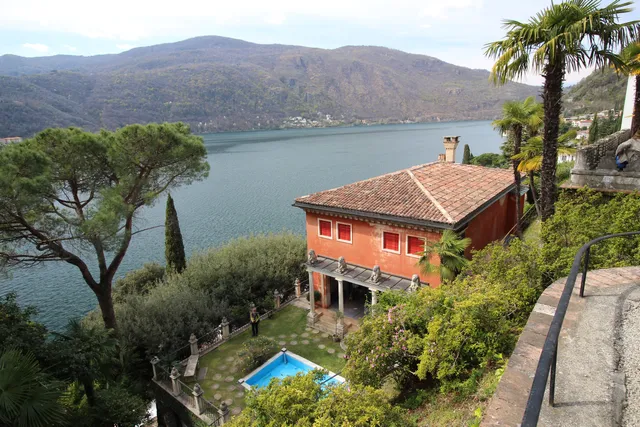
Parco Scherrer
4.7
(725)
Open 24 hours
Click for details
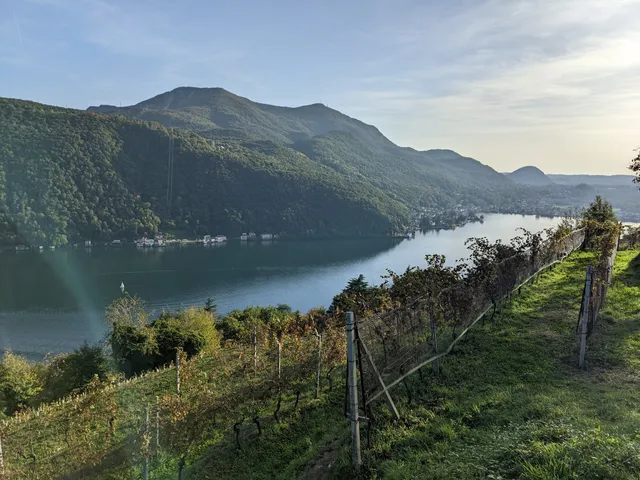
Castello di Morcote
4.7
(97)
Open until 12:00 AM
Click for details
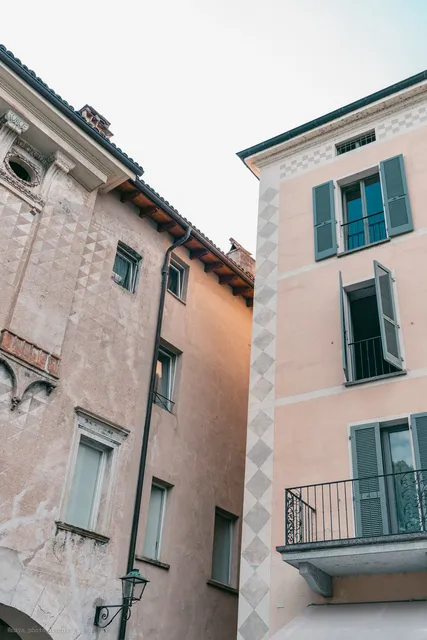
Torre del Capitano
4.3
(9)
Open 24 hours
Click for details
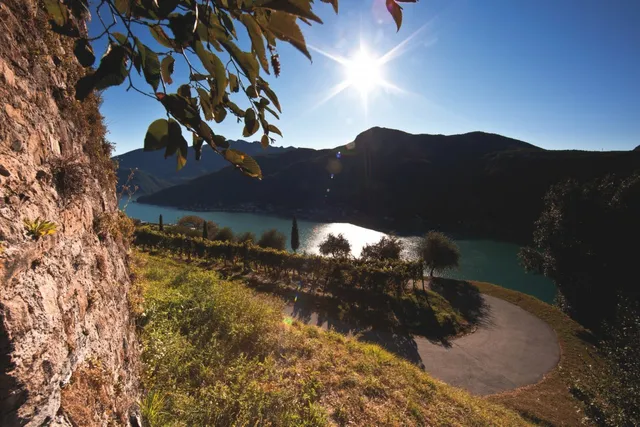
Tenuta Castello di Morcote
4.7
(28)
Open until 12:00 AM
Click for details
Nearby restaurants of Chiesa Santa Maria del Sasso
Albergo Ristorante della Posta
La casa del gelato
Osteria Portici
Ristorante Barcaioli
Albergo Ristorante Al Battello
Ristorante della Torre
Gandalf Bar
Osteria la Terrazza sul Lago
Ristorante Oasi Morcote da Martino
La Sorgente
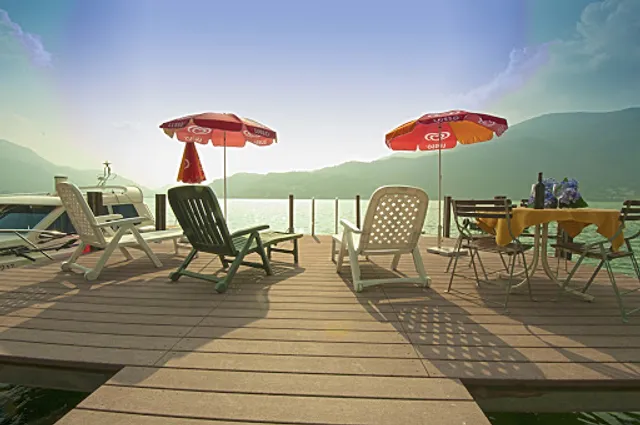
Albergo Ristorante della Posta
4.4
(442)
Click for details
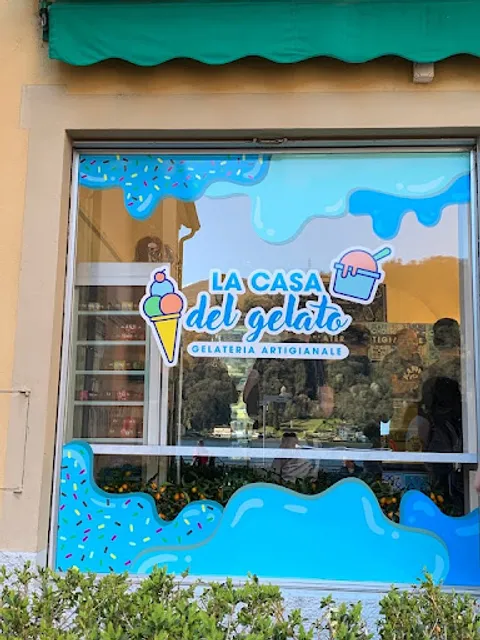
La casa del gelato
4.9
(154)
Closed
Click for details
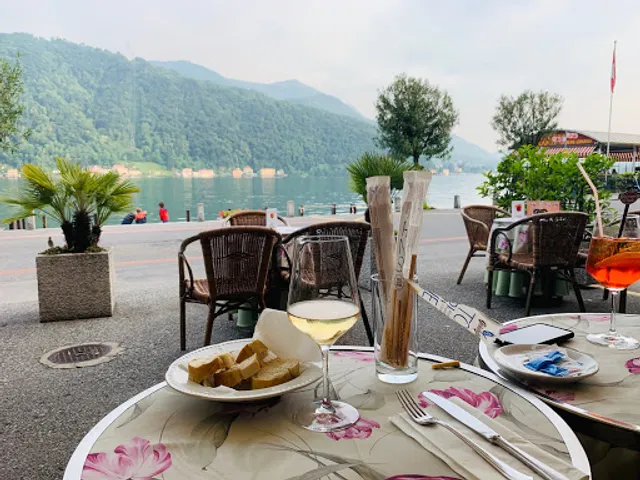
Osteria Portici
3.9
(198)
Open until 9:30 PM
Click for details
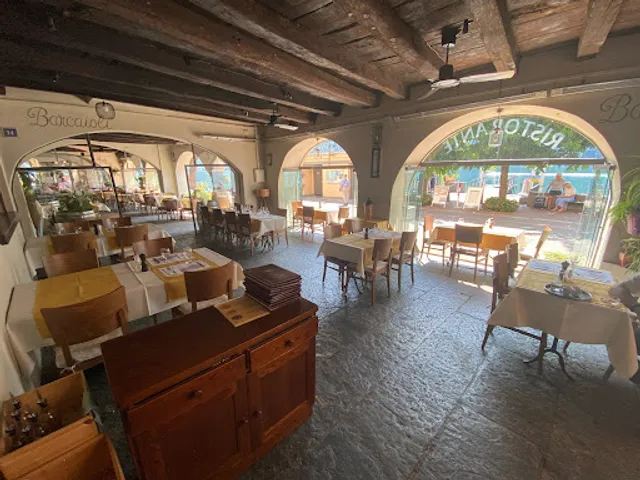
Ristorante Barcaioli
4.7
(238)
$$
Click for details