Qingshui Ziyunyan (Purple Cloud Temple)
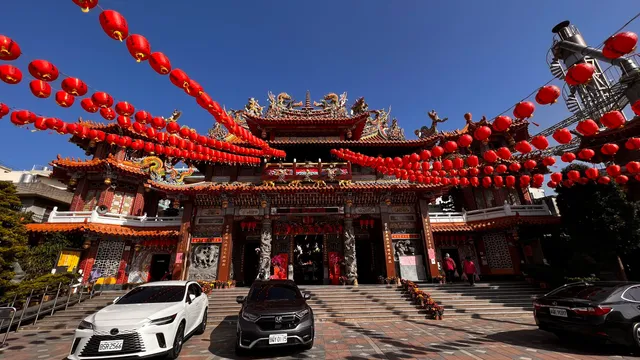
Qingshui Ziyunyan (located at No. 206, Dajie Road, Aofeng Village, Qingshui District, Taichung City, Taiwan) is a renowned and magnificent Guanyin temple in central Taiwan. Locally known as "Guanyin Pavilion," it serves as the spiritual and cultural hub of the Qingshui area.
History -The establishment of Ziyunyan dates back to the Kangxi or Qianlong era of the Qing Dynasty, with the earliest records around 1733 (Yongzheng Eleventh Year). It was built by early immigrants from Quanzhou who came to Taiwan to cultivate the land.
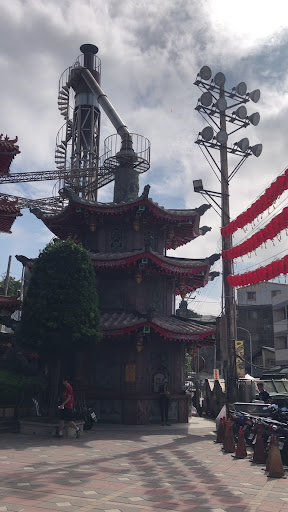
-According to legend, a bricklayer from Quanzhou, while passing by the current site, urgently needed to relieve himself and hung his portable Guanyin incense bag on a tree. He forgot it when he left. That night, auspicious light emanated from the tree, attracting residents to worship, and they subsequently pooled funds to build the temple. -The current structure was completed in 1980. It is a five-story Taiwanese-style pavilion, grand in scale, with distinctive golden glazed tile roofs.
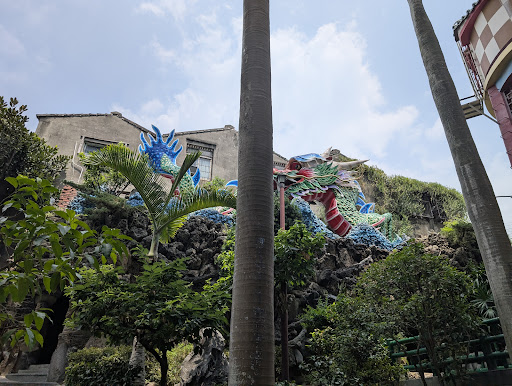
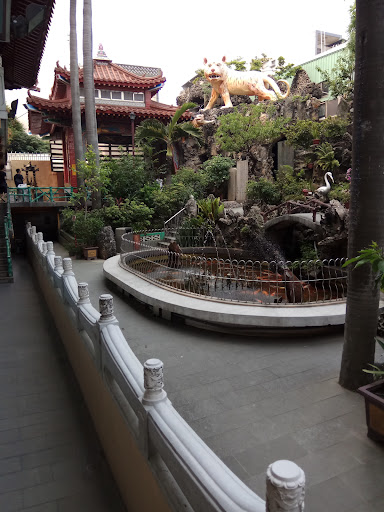
Deities and Architectural Features -Main Deity: Guanyin Bodhisattva (famous for its black-faced Guanyin), accompanied by Manjushri Bodhisattva, Samantabhadra Bodhisattva, and the Eighteen Arhats. -The second floor enshrines the Jade Emperor, along with Shennong Dadi, Mazu (Heavenly Holy Mother), Kai Tai Sheng Wang, Zhusheng Niangniang, and Wenchang Dijun. -The third floor enshrines the Three Treasure Buddhas and houses the Tai Sui Hall, dedicated to the Sixty Jiazi Tai Sui Generals. -Behind the temple, there's a garden with rockeries. -The temple's carvings, Koji pottery, and paintings are exquisite, radiating a strong atmosphere of religious art .
Cultural and Social Functions -Ziyunyan is not only a center of religious faith but also a significant hub for promoting local cultural and social education activities. -The temple actively organizes events such as blood drives, hiking, lantern riddles, lantern design competitions, calligraphy, Chinese chess, Go, and table tennis tournaments, as well as public welfare, charity events, winter relief efforts, and scholarships. -The Cultural Building houses a temple history museum, an art and cultural activity center, a library, a children's hall, and an auditorium that can accommodate 500 people, all aimed at promoting community cultural development.
Important Celebrations -Regular festival days include the 19th day of the second lunar month, the 21st day of the seventh lunar month, the 1st day of the ninth lunar month, and the 18th or 19th day of the ninth lunar month. All feature grand celebrations and folk activities. -Every year during the Dajia Mazu Pilgrimage, Ziyunyan is one of the important temples where the procession makes a stop. Transportation and Tourism -Located at the western foot of Aofeng Mountain, near Taichung Port, it boasts convenient transportation. There are many surrounding eateries and tourist attractions, and a pilgrim guesthouse is available for accommodation.
With its long history, flourishing incense, magnificent architecture, and diverse social functions, Qingshui Ziyunyan has become a highly representative Guanyin temple and cultural landmark in the...
Read more紫雲巖主要供奉觀世音菩薩,相傳建於清康熙年間;另據明治30年(1897)牛罵頭辨務署的調查,則是建於乾隆45年(1780)。該廟於清代歷經多次洪水危害,並在昭和10年(1935)的大地震中受到重創。
民國35年(1946),地方仕紳興工重修,始恢復雄偉之舊觀。民國53年(1964),奉准成立管理委員會;
民國61年(1972),為配合政府興建臺中港,管理委員會再次展開重建事宜,並於該年10月30日動土、
民國69年(1980)竣工,秏資數千萬元。廟宇造型由原先的平房式殿閣,擴建為五層樓臺之殿閣。
其中一樓圓通寶殿供奉主神觀世音菩薩,兩旁則有文殊師利菩薩及普賢菩薩,並配祀十八羅漢洞;二樓前殿為凌霄寶殿,主要供奉皇大帝,兩旁則分祀神農大帝、天上聖母、開臺聖王、註生娘娘等。
民國88年(1999), 經派員前往鹿港鎮天后宮參觀過文昌廳後,決定興建紫雲巖文昌殿,並著手將北側二、三樓的倉庫和香客房分別裝修為文昌殿及太歲殿,聘請名家雕刻供奉在太歲殿 的六十多尊神像,包括斗神君、南極仙翁和六十尊大將軍,而太歲殿則供奉六十尊太歲大將軍,每尊「輪值」一年,負責替「犯太歲」的信徒消災解厄,[108]而該宮所提供的七萬餘個文昌燈、太歲燈等燈位,則經常在每年農曆春節的燈位登記期間,提供信徒登記,廟方則在元宵節當天,將燈座換上新登記的信徒名稱,並舉行起斗儀式後點亮。至於紫雲巖的年中行事,則以每年農曆9月初1日的「二媽」回鑾高美活動及農曆7月的中元普渡最為重要。其中,所謂的「二媽」回鑾高美活動,據說與昭和10年(1935)發生的臺灣中部大地震有關,藉由百餘個陣頭在清水及高美地區的繞境活動,沿途設案膜拜的 民眾則祈求觀音菩薩保佑地震不再發生。「二媽」回鑾高美後,則由當地信眾設壇供奉三天,爐主則由高美五個里輪流擔任,成為當地的年度盛事。至於中元普渡 (公普),則由各里輪流擔任爐主、頭家以負責辦理法會事宜。「公普」的日期,須經神明指示舉行,並由全鎮卅二個里輪流普渡。普度活動開始時,會在廟前搭建 祭壇、孤棚,民眾通常會在祭典前天下午,就陸續將供品擺在紫雲巖廣場,經常多達數千桌之多。近 年來,紫雲巖結合社會教育、文化及觀光等多元化功能,已成為中部地區文化與社教之推廣重鎮。除了經常舉辦各項活動如捐血活動、健行、燈謎、花燈、寫生比 賽、全國性書法、象棋、圍棋比賽及桌球錦標賽外,並提供獎助學金以培育各項優秀人才、舉行冬令救濟及春安工作慰勞等活動。該宮所屬的「清雅樂府藝團」,由...
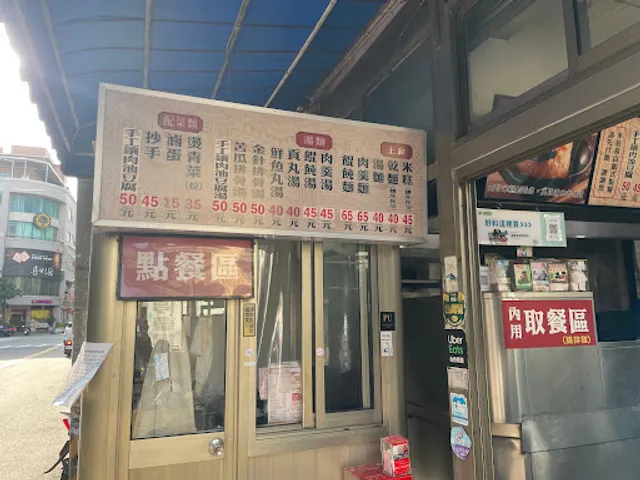
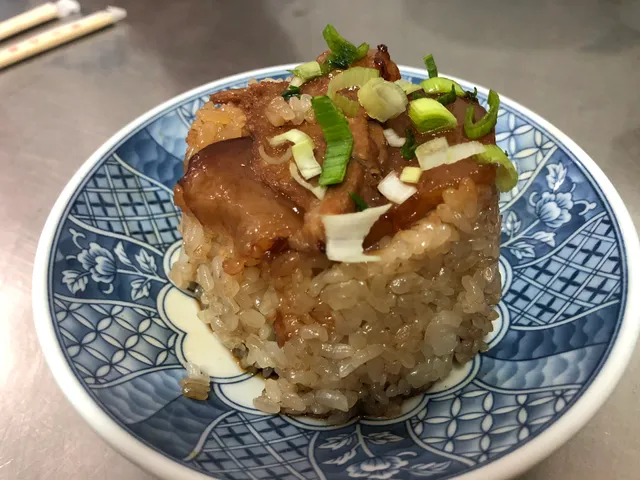
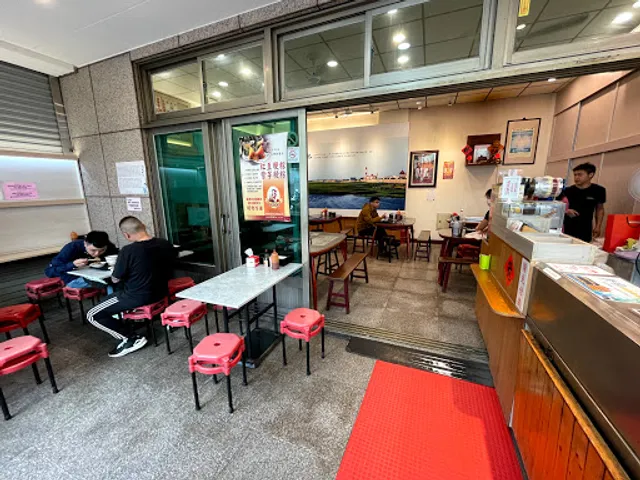
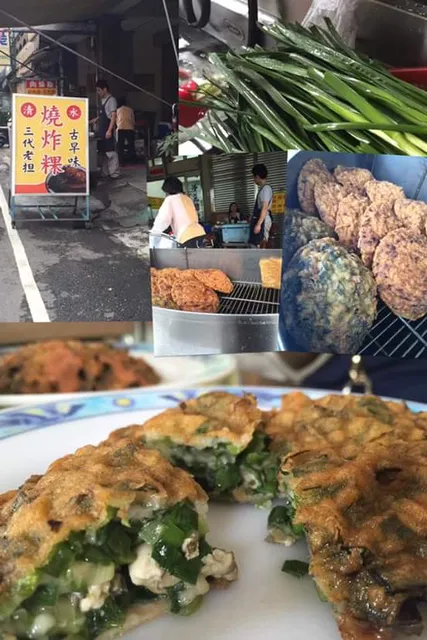
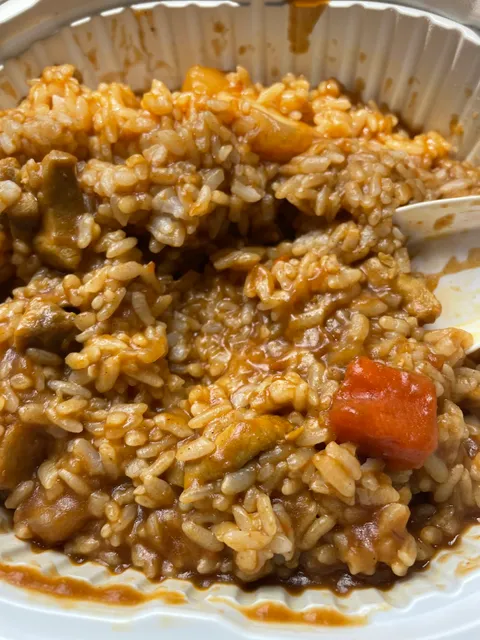
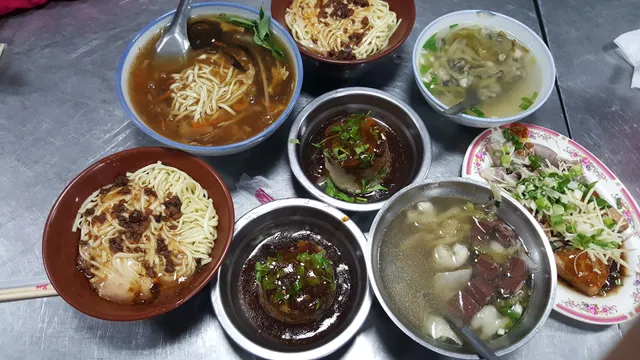
Read more臺中清水紫雲巖,在地人俗稱「觀音亭」,是清水地區最重要的信仰中心,也是一座歷史悠久、香火鼎盛的寺廟。對於清水人來說,紫雲巖不只是一間廟宇,更是從小到大生活中的重要一部分,承載著在地居民的信仰、記憶與情感。 歷史沿革與建築特色 紫雲巖創建於清康熙年間(約1672年),距今已有三百多年的歷史。最初僅為簡陋的茅草屋,供奉著自普陀山恭迎而來的觀世音菩薩。歷經多次的修建與擴建,才逐漸發展成今日規模宏偉的寺廟。其建築風格融合了閩南傳統寺廟的特色,莊嚴肅穆又不失精雕細琢之美。 寺廟的主體建築為三殿式格局,包含前殿、正殿及後殿。前殿設有山門,門口石獅雕刻精美,氣勢非凡。正殿供奉觀音佛祖,兩旁陪祀善財童子與龍女,殿內木雕、石雕、彩繪等藝術作品琳瑯滿目,充滿濃厚的傳統文化氣息。後殿則奉祀媽祖娘娘、註生娘娘等神祇,展現出台灣民間信仰多元融合的特點。 值得一提的是,紫雲巖在近年來的修建中,也融入了現代的防災與維護技術,使得這座古老的寺廟在保存傳統的同時,也能更好地適應現代社會的需求。 信仰文化與在地連結 紫雲巖最主要的信仰是觀世音菩薩,觀音佛祖慈悲為懷、聞聲救苦的形象深植人心,吸引著無數信眾前來祈福、消災。每年農曆二月十九日的觀音佛祖聖誕,是紫雲巖最盛大的慶典,來自各地的信徒湧入,廟宇內外熱鬧非凡。此外,農曆九月十九日的觀音佛祖出家紀念日,以及農曆六月十九日的觀音佛祖得道紀念日,也都是重要的祭典。 除了宗教活動,紫雲巖也積極參與在地的公益事務與文化推廣。廟方經常舉辦各類型的講座、課程,提供獎學金資助學子,並關懷弱勢族群。可以說,紫雲巖不僅是清水人的信仰中心,更是社區發展的重要推手。許多清水在地的小吃攤販、商家,也常以紫雲巖為中心向外發展,形成一個充滿生命力的商圈。 週邊美食與順遊景點 來到清水紫雲巖,絕對不能錯過品嚐在地美食的機會。清水米糕是這裡的代表性小吃,搭配一碗熱騰騰的肉羹湯,是許多人心中的經典組合。此外,筒仔米糕、麵線糊、粉圓冰等也都是不容錯過的地方小吃。廟宇周邊有許多老字號的店家,提供道地的風味。 參拜完紫雲巖後,也可以順道前往附近的景點。 高美濕地: 距離紫雲巖不遠,是世界級的生態濕地,以日落美景和豐富的生態聞名。 清水休息站: 位於國道三號上,擁有寬闊的觀景平台,可以俯瞰西海岸風光,並設有各式美食和特色商店。 牛罵頭遺址文化園區:...
Read more