Wat Khok Phraya things to do, attractions, restaurants, events info and trip planning
Basic Info
Wat Khok Phraya
9H74+FR2, Lum Phli, Phra Nakhon Si Ayutthaya District, Phra Nakhon Si Ayutthaya 13000, Thailand
3.8(42)
Closed
Save
spot
spot
Ratings & Description
Info
Cultural
Scenic
attractions: Wat Choeng Tha, Wat Hatdawas, Wat Ta Krai, Ayutthaya Royal Palace, Suriya Sat Amarin Throne Hall, Wat Phra Si Sanphet, Sanphet Maha Prasat Throne Hall, Wat Chao Ya, Wat Laiso, Pridi Banomyong Memorial, restaurants: ร้านอาหารริมคลอง ย่างเกาหลี อยุธยา, Nimitdee Restaurant, HOME thai grill and drink, Busaba Ayutthaya Cuisine, ร้านอาหารลูกศิษย์เท้ง, Cafe Baan Khon Suan & Rooms (บ้าน ฅน สวน คาเฟ่), After the Temple restaurant, พีจี หมูกระทะชั่งกิโล, local businesses: Wat Na Phra Meru Rachikaram, Million Toy Museum, Wat Tuek, Wat Thammikarat, Wat Phanom Yong, Wat Kuti Thong, Wat Si Pho, Wihan Phra Mongkhon Bophit, Wat Lokkayasutha, Wat Sala Pun Worawihan
 Learn more insights from Wanderboat AI.
Phone
+66 98 993 9577
Open hoursSee all hours
Sat6 a.m. - 4:30 p.m.Closed
Plan your stay

Pet-friendly Hotels in Phra Nakhon Si Ayutthaya City Municipality
Find a cozy hotel nearby and make it a full experience.

Affordable Hotels in Phra Nakhon Si Ayutthaya City Municipality
Find a cozy hotel nearby and make it a full experience.

The Coolest Hotels You Haven't Heard Of (Yet)
Find a cozy hotel nearby and make it a full experience.

Trending Stays Worth the Hype in Phra Nakhon Si Ayutthaya City Municipality
Find a cozy hotel nearby and make it a full experience.
Reviews
Nearby attractions of Wat Khok Phraya
Wat Choeng Tha
Wat Hatdawas
Wat Ta Krai
Ayutthaya Royal Palace
Suriya Sat Amarin Throne Hall
Wat Phra Si Sanphet
Sanphet Maha Prasat Throne Hall
Wat Chao Ya
Wat Laiso
Pridi Banomyong Memorial
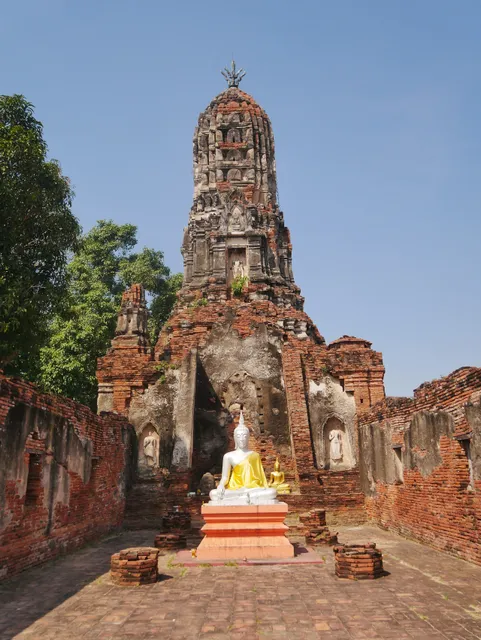
Wat Choeng Tha
4.6
(608)
Closed
Click for details
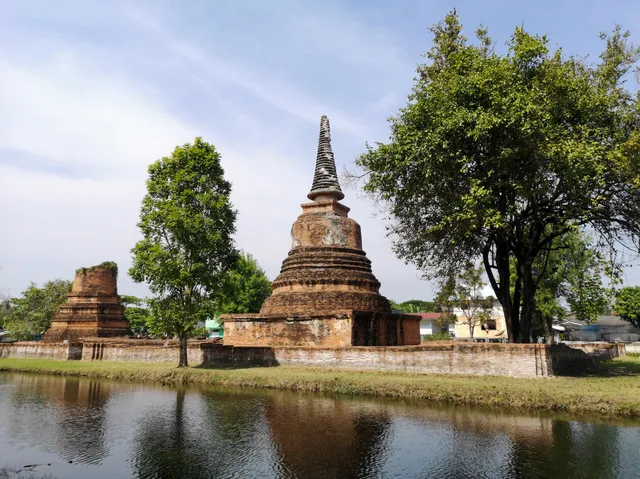
Wat Hatdawas
4.3
(24)
Open until 12:00 AM
Click for details
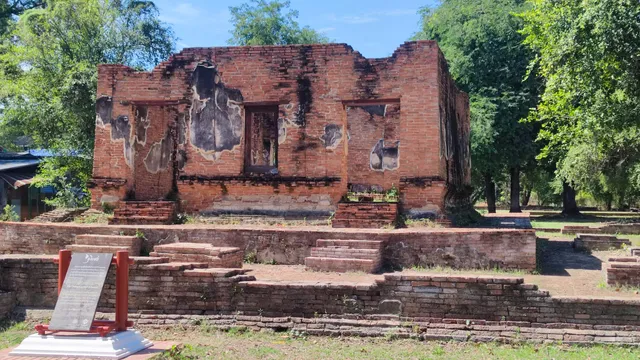
Wat Ta Krai
4.5
(41)
Open 24 hours
Click for details
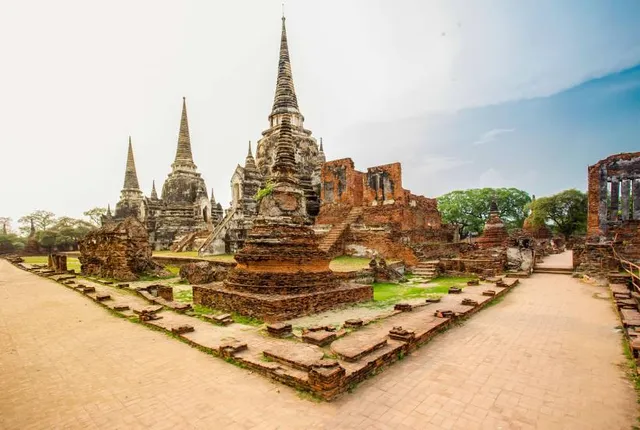
Ayutthaya Royal Palace
4.5
(153)
Open until 6:30 PM
Click for details
Nearby restaurants of Wat Khok Phraya
ร้านอาหารริมคลอง ย่างเกาหลี อยุธยา
Nimitdee Restaurant
HOME thai grill and drink
Busaba Ayutthaya Cuisine
ร้านอาหารลูกศิษย์เท้ง
Cafe Baan Khon Suan & Rooms (บ้าน ฅน สวน คาเฟ่)
After the Temple restaurant
พีจี หมูกระทะชั่งกิโล
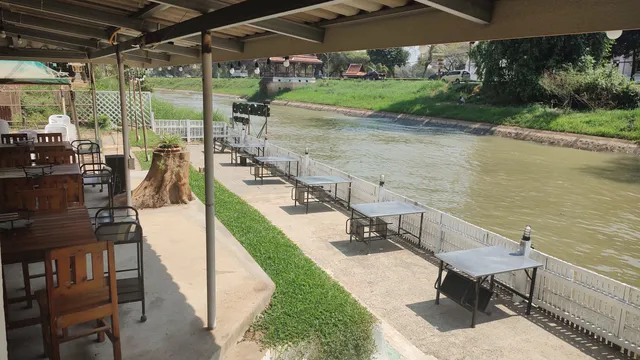
ร้านอาหารริมคลอง ย่างเกาหลี อยุธยา
4.1
(176)
$
Open until 10:00 PM
Click for details
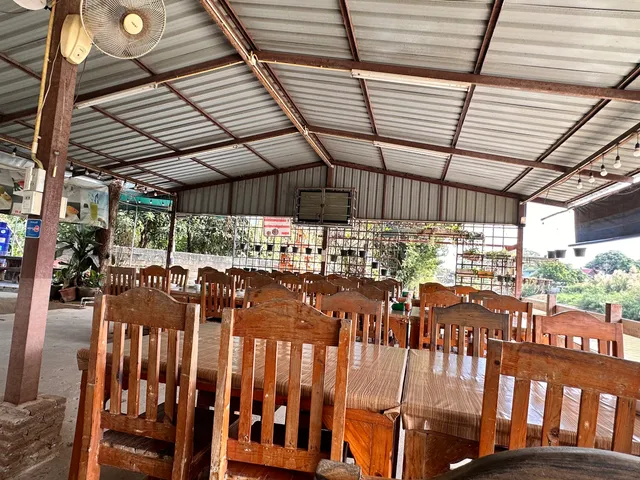
Nimitdee Restaurant
4.1
(201)
Open until 9:00 PM
Click for details

HOME thai grill and drink
4.9
(81)
Open until 10:00 PM
Click for details
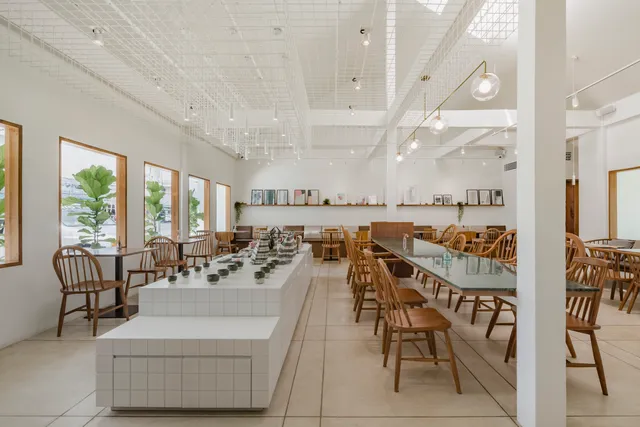
Busaba Ayutthaya Cuisine
4.4
(673)
Open until 7:30 PM
Click for details
Nearby local services of Wat Khok Phraya
Wat Na Phra Meru Rachikaram
Million Toy Museum
Wat Tuek
Wat Thammikarat
Wat Phanom Yong
Wat Kuti Thong
Wat Si Pho
Wihan Phra Mongkhon Bophit
Wat Lokkayasutha
Wat Sala Pun Worawihan
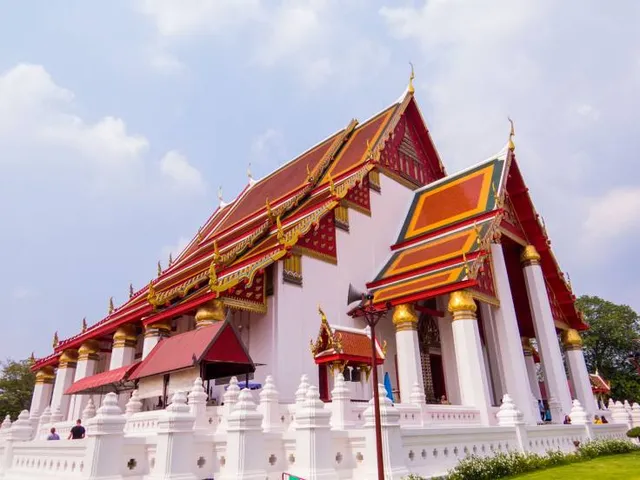
Wat Na Phra Meru Rachikaram
4.7
(2.1K)
Click for details
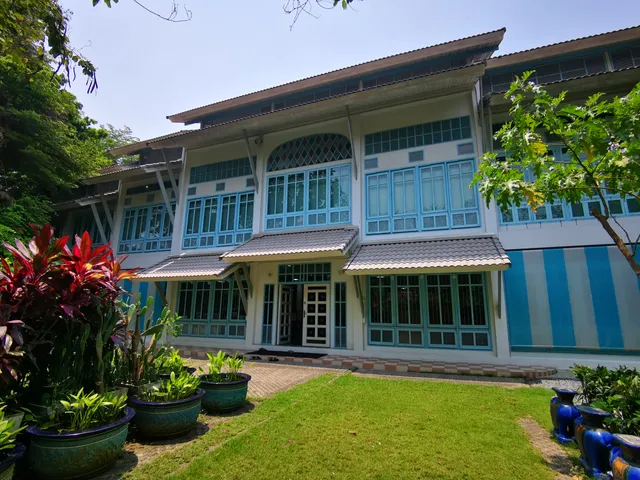
Million Toy Museum
4.2
(424)
Click for details
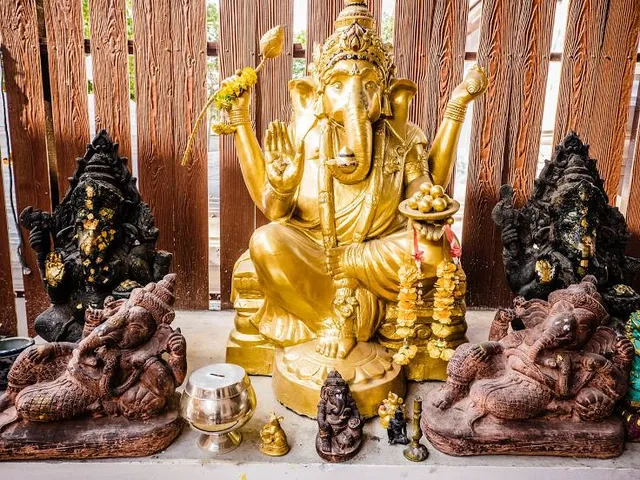
Wat Tuek
4.6
(120)
Click for details
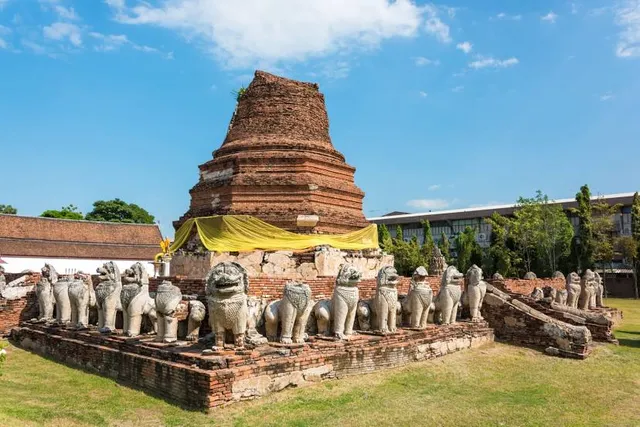
Wat Thammikarat
4.6
(1.1K)
Click for details