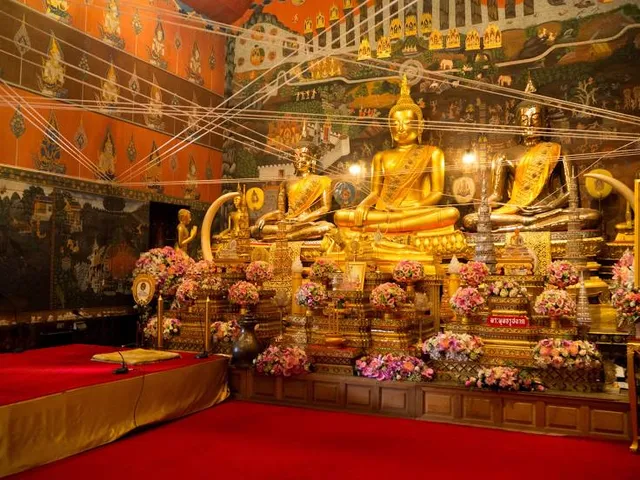
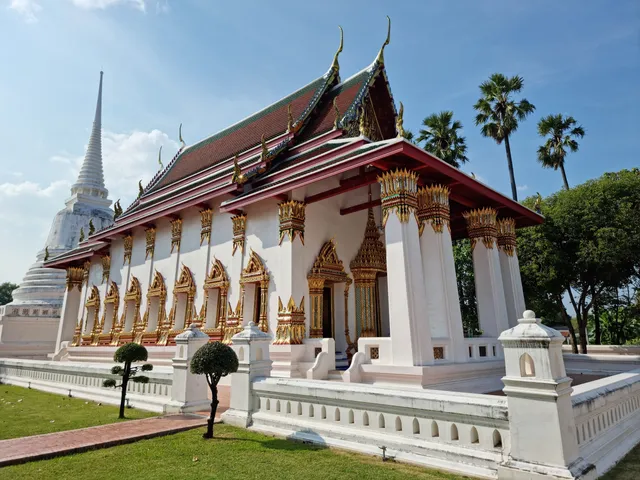
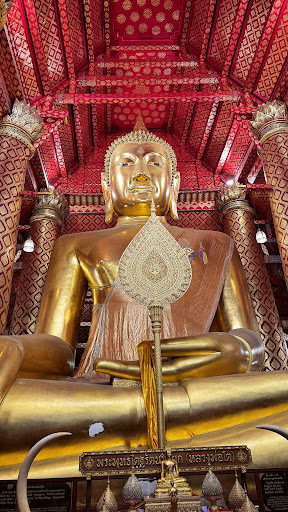
Wat Phanan Choeng is famous for its enormous seated Buddha image, considered to be one of the most beautiful in the country. According to legend tears shed from the eyes of the image just before the destruction of Ayutthaya by the Burmese in 1767.
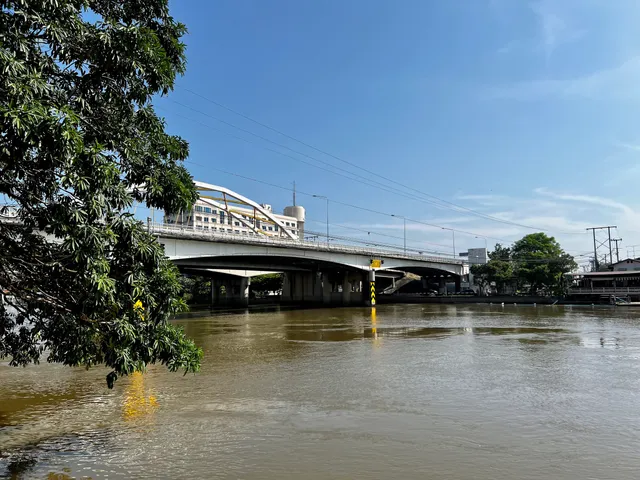
The temple is located on the banks of the Pa Sak river opposite the South East tip of the historical island. From a river boat you will have great views of the monastery, that also has a boat landing.
19 Meter tall Buddha image The temple’s main attraction is its huge image of the Buddha. The brick and mortar image named Phra Chao Phanan Choeng is seated in the posture of subduing Mara, otherwise known as Calling the Earth to witness.
The richly gilded U Thong style image is also known as Luang Pho To. It is flanked by two disciples in adoration, Sariputta and Moggallana, who were the Buddha’s closes disciples.
The image was built in 1324, several decades before Ayutthaya was founded. After its completion the image stood outside, as the viharn had not been built yet.
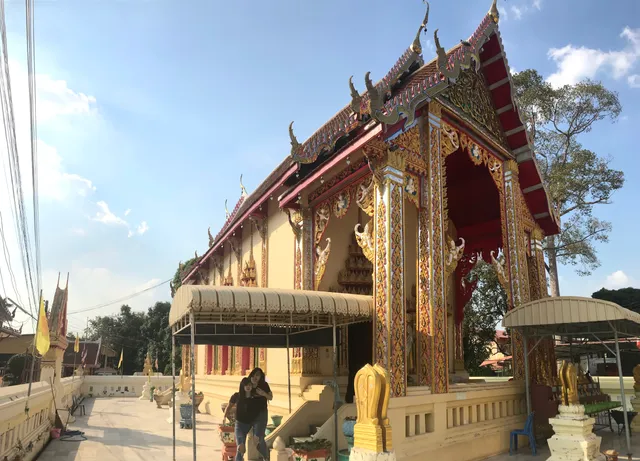
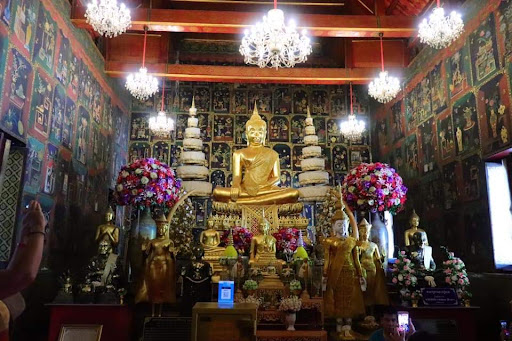
Today the Phra Chao Phanan Choeng is enshrined in a large assembly hall, the Viharn Phra Phanan Choeng. Its walls are lined with hundreds of niches containing small images of the Buddha.
The story of Princess Soi Dok Mak According to legend Phra Chao Sai Nam Phung, a King who ruled before the founding of Ayutthaya, wanted to marry the daughter of a Chinese emperor.
When the Princess named Soi Dok Mak arrived by boat the King was not there to welcome her. After having waited in vain a long time for the King’s return, the Princess was so sad that she killed herself by holding her breath. When the King finally returned he was stricken with grief and built the Wat Phanan Choeng on the spot where she was cremated.
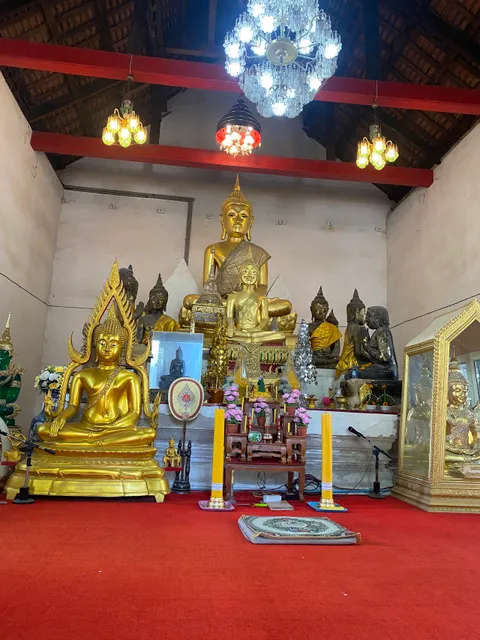
The ubosot The ubosot or ordination hall enshrines three very old Buddha images seated on a raised pedestal. All three are in the subduing Mara or Calling the Earth to witness posture. The central one measuring over 2½ meters tall is gilded. The ubosot’s walls are adorned with murals.
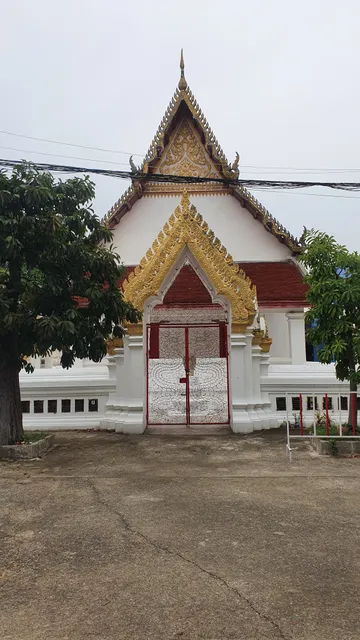
Chinese building & Lady Soi Dok Mak shrine Near the river bank stands a small, colorful Chinese temple adorned with dragons. Fearsome Chinese warriors guard its entrance.
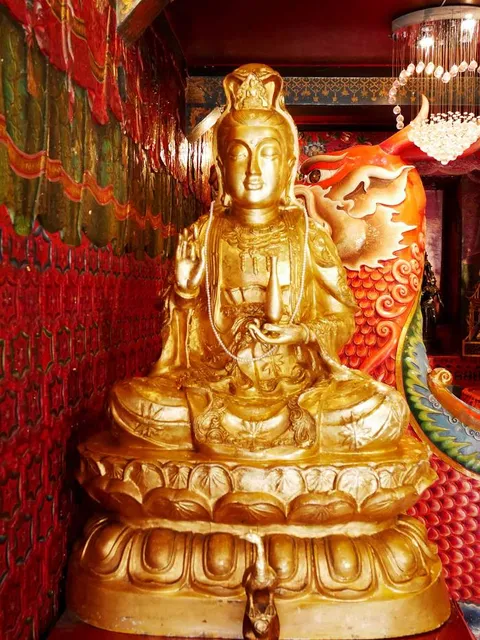
Two buildings are joined together. The ground floor of the building in the back is dedicated to Guanyin, the Bodhisattva of mercy who is often depicted with many arms. It is said that she has a thousand arms enabling her to help a great number of people at the time.
The top floor contains the shrine for Lady Soi Dok Mak with a statue of the Chinese Princess for whom the temple was built.
Opening hours Wat Phanan Choeng opens daily from 8 am until 5 pm.
Entrance fees Entrance...
Read moreWat Phanan Choeng, Ayutthaya – A Majestic Sanctuary of Faith and Grace
Historical Background Wat Phanan Choeng, located on the east bank of the Chao Phraya River in Ayutthaya, is one of Thailand’s most revered temples. This ancient monastery was established in 1324, even before the founding of the Ayutthaya Kingdom. It has long served as a spiritual anchor for Thai and Chinese communities and remains a place of deep worship and cultural pride.
The Beauty of Luang Pho To (Phra Phuttha Trai Rattana Nayok) At the heart of the temple lies Luang Pho To, an immense gilded Buddha image seated in the “subduing Mara” posture. Measuring approximately 19 meters high, the statue is a breathtaking sight, exuding serenity and compassion. The craftsmanship is intricate — the smooth golden surface, the peaceful facial expression, and the grandeur of the red and gold interior all combine to create a truly majestic atmosphere.
Sacred Power and Miracles Luang Pho To is not just admired for his beauty, but also deeply venerated for his sacred power. Locals and pilgrims from all over the country visit to pray for blessings, particularly in areas of health, business success, family harmony, and safe travels. Many worshippers have reported their prayers being answered, making the temple a revered place of faith.
How to Make a Wish To pay respect and make a wish: Light incense and offer lotus flowers in front of Luang Pho To. Present gold leaf and robes to the image. Kneel, pray with sincerity, and make your wish. After making your wish, it is customary to return to fulfill your vow once your wish comes true — often by offering offerings such as garlands, sweets, or chanting.
Getting There
🚗 By Car: From Bangkok, take Highway No. 1 or the Phahonyothin Road and connect to Highway 32 toward Ayutthaya. The journey takes about 1.5 hours. The temple is well-signposted and has ample parking available.
🚆 By Train: Take a train from Bangkok Railway Station (Hua Lamphong) to Ayutthaya Station — the ride takes about 1.5 to 2 hours. From the station, you can take a tuk-tuk or ferry across the river to the temple.
⸻
Final Thoughts Wat Phanan Choeng is more than just a tourist site — it’s a living spiritual sanctuary. Whether you’re seeking a quiet moment of reflection, wishing for good fortune, or admiring Thai artistry, this temple offers a profound and moving experience that touches the heart of...
Read moreWat Phanancheng is a historic and important temple in Ayutthaya, revered by Thai and Chinese Buddhists for its association with Luang Pho To or Chao Pho Sam Phao Kong. It is not uncommon to see a large crowd at this temple on the day they come to worship Luang Pho To and pay their respects. Wat Phanancheng has been around since long before Ayutthaya was even founded as a city. However, the identity of the temple's original constructor remains unknown. The Northern Chronicles attribute the temple's construction to King Sai Nam Phung, who gave it the name "Chao Phra Nang Choei." According to the Royal Chronicles of Luang Prasoet, King U Thong created Ayutthaya 26 years after a Buddha picture titled "Phra Chao Phra Nang Choei" was enshrined in the temple in 1767.
The golden Buddha picture, known as Luang Pho To, at the far end of the assembly hall is a major draw for tourists. The gilded stucco statue of the seated Buddha is 14.20 meters in width and 19.20 meters in height. It is thought that this statue of the Buddha was carved in the year 1688, during the reign of King Ramathibodi I, or 268 years before the founding of Ayutthaya.
The Ubosot of the temple has three important Buddha images: the red-faced Buddha image, the plaster Buddha image, and the Golden Buddha picture made of gold leaf. The Buddha statue is crafted of solid gold and measures 3 elbows in width and 4 elbows in height. Its golden hue gleams in the sunlight. The Ayutthaya-era stucco Buddha statue is 4 elbows across and 5 elbows high. This red-faced Buddha statue is from the Sukhothai era and measures 3 elbows in width and 5 elbows in height. Because of the stucco coating, it was first believed that these two Buddha figures were also made of stucco, like the other stucco images of the time. This may have been done to keep them safe from looters and bombs when Ayutthaya was under siege. Erosion of the stucco covering exposed the underlying gold and crimson materials.
In addition to worshiping the famous Luang Pho To, many visitors flock to the temple to see its rich history and...
Read more