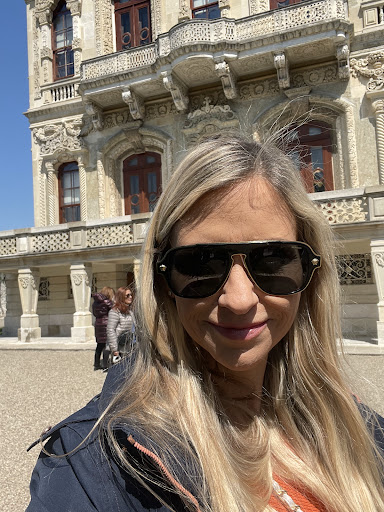
Küçüksu Pavilion things to do, attractions, restaurants, events info and trip planning

Basic Info
Küçüksu Pavilion
Göksu, Küçüksu Cd., 34810 Beykoz/İstanbul, Türkiye
4.6(3.2K)
Open until 12:00 AM


tickets
Save
spot
spot
Ratings & Description
Info
Küçüksu Pavilion, Littlewater Pavilion a.k.a. Göksu Pavilion, is a summer pavilion in Istanbul, Turkey, situated in the Küçüksu neighborhood of Beykoz district on the Asian shore of the Bosphorus between Anadoluhisarı and the Fatih Sultan Mehmet Bridge.
Cultural
Accessibility
attractions: Anadoluhisarı, İBB Küçüksu Çayırı, Anadolu Hisari Muzesi, Rumeli Fortress, Edip Efendi Yalisi, restaurants: Ghalia Lounge, BigChefs - Anadolu Hisarı, PEMBE YALI RESTAURANT & CAFE, Suna'nın Yeri, Ioki Kandilli, Turkish Pizza - Küçüksu, Borsa Restaurant, local businesses: Sevda Hill
 Learn more insights from Wanderboat AI.
Phone
+90 212 236 90 00
Website
millisaraylar.gov.tr
Open hoursSee all hours
MonClosedOpen
Plan your stay

Pet-friendly Hotels in Beykoz
Find a cozy hotel nearby and make it a full experience.

Affordable Hotels in Beykoz
Find a cozy hotel nearby and make it a full experience.

The Coolest Hotels You Haven't Heard Of (Yet)
Find a cozy hotel nearby and make it a full experience.

Trending Stays Worth the Hype in Beykoz
Find a cozy hotel nearby and make it a full experience.
Reviews
Live events

Perfume Making Workshop with Bosphorus View
Mon, Feb 23 • 10:00 AM
34425, Beyoğlu, İstanbul, Turkey
View details
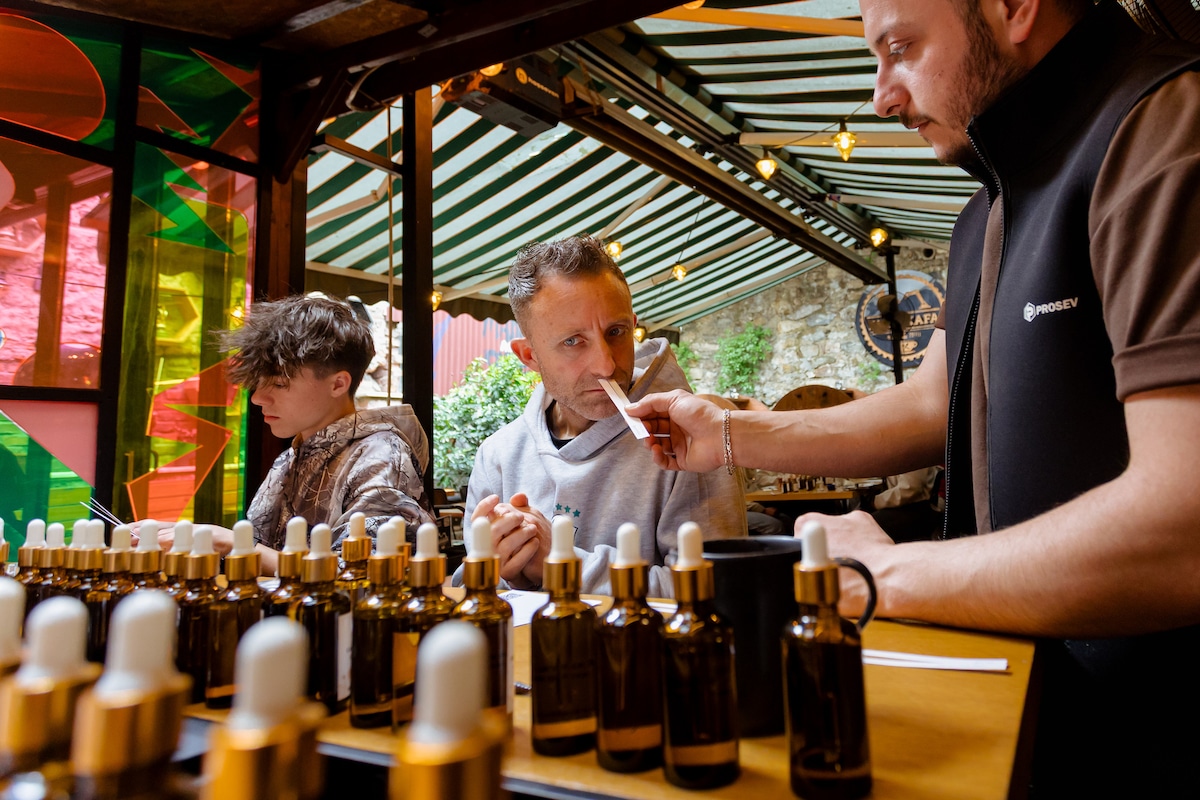
Create a signature scent in Istanbul
Mon, Feb 23 • 10:00 AM
34110, Fatih, İstanbul, Turkey
View details

Small Group Yacht Tour, Unlimited Wine & Fruits
Mon, Feb 23 • 5:00 PM
34421, Beyoğlu, İstanbul, Turkey
View details
Nearby attractions of Küçüksu Pavilion
Anadoluhisarı
İBB Küçüksu Çayırı
Anadolu Hisari Muzesi
Rumeli Fortress
Edip Efendi Yalisi

Anadoluhisarı
4.6
(3.3K)
Open until 12:00 AM
Click for details
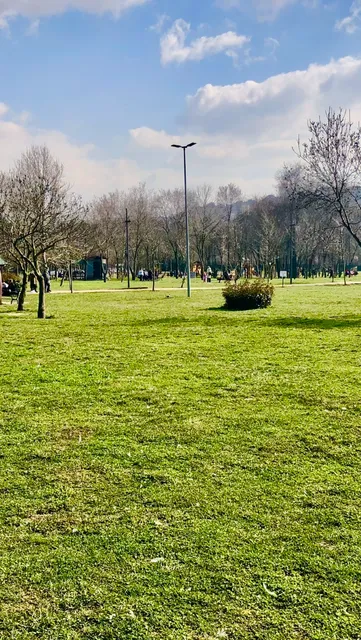
İBB Küçüksu Çayırı
4.6
(383)
Open 24 hours
Click for details

Anadolu Hisari Muzesi
4.5
(70)
Closed
Click for details
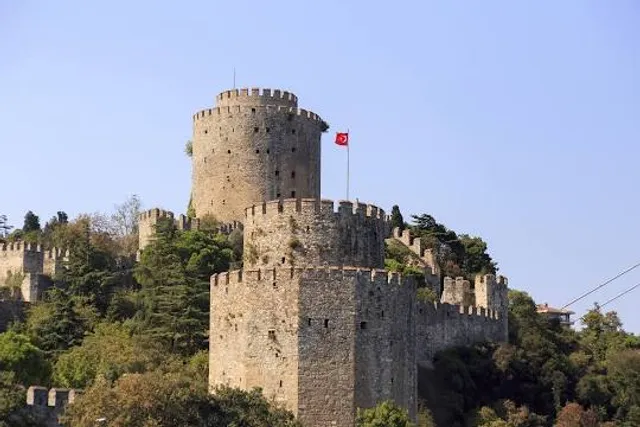
Rumeli Fortress
4.5
(5.8K)
Open until 12:00 AM
Click for details
Nearby restaurants of Küçüksu Pavilion
Ghalia Lounge
BigChefs - Anadolu Hisarı
PEMBE YALI RESTAURANT & CAFE
Suna'nın Yeri
Ioki Kandilli
Turkish Pizza - Küçüksu
Borsa Restaurant

Ghalia Lounge
3.9
(2.3K)
Closed
Click for details
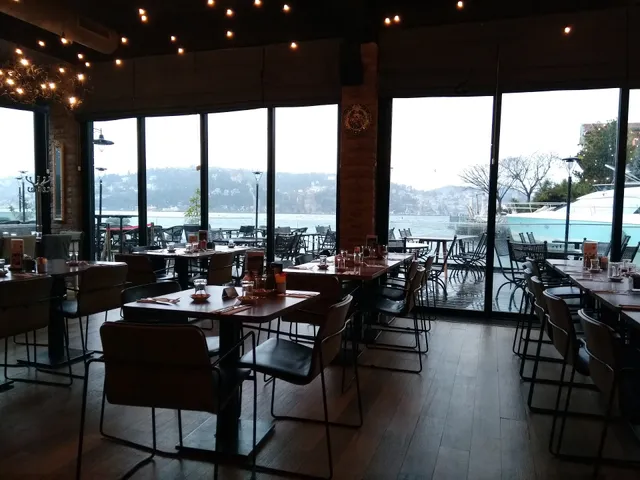
BigChefs - Anadolu Hisarı
3.9
(2.8K)
$$$
Closed
Click for details

PEMBE YALI RESTAURANT & CAFE
3.8
(491)
Open until 12:00 AM
Click for details
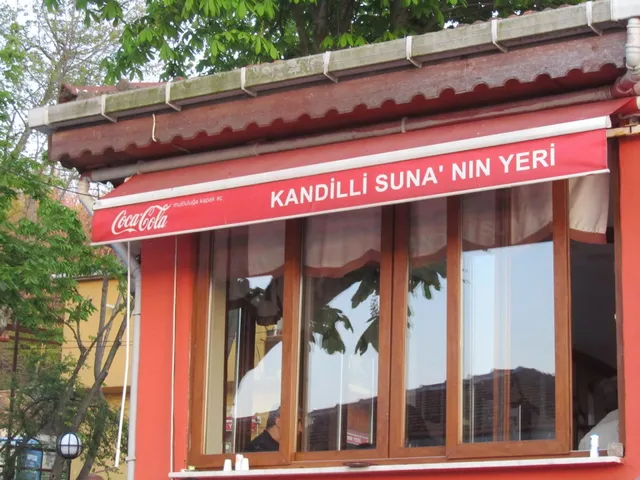
Suna'nın Yeri
3.9
(1.3K)
Closed
Click for details
Nearby local services of Küçüksu Pavilion
Sevda Hill
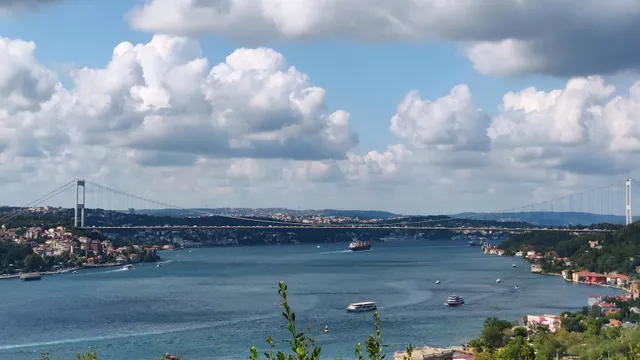
Sevda Hill
4.2
(97)
Click for details