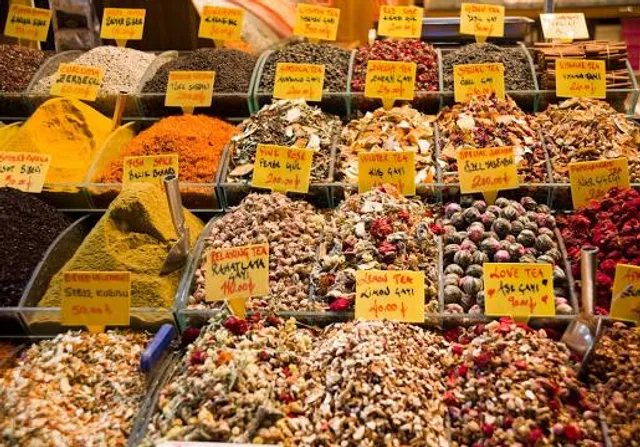
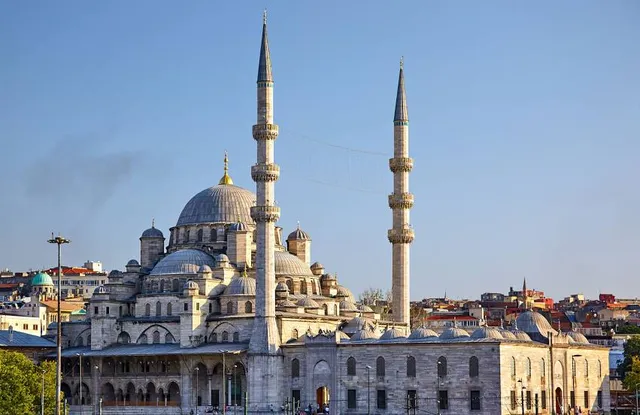
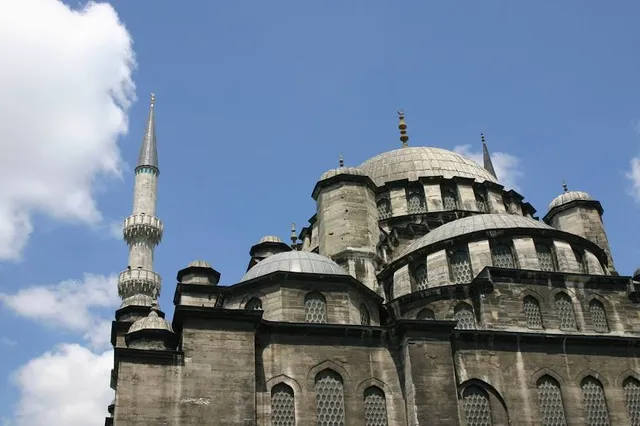
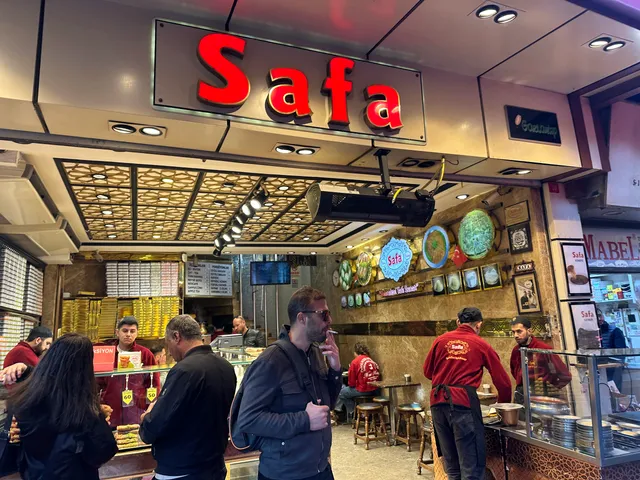
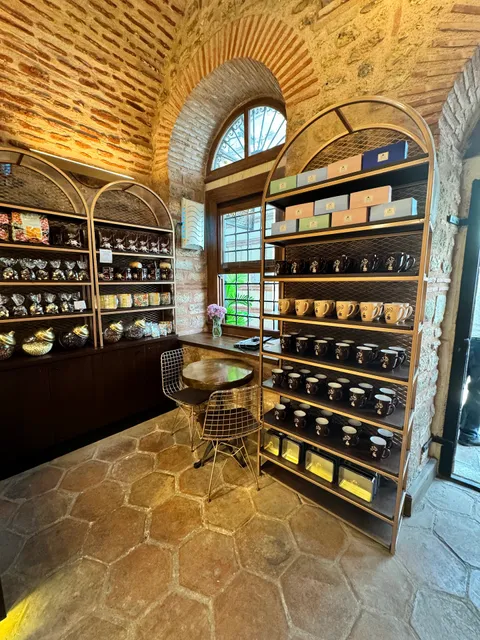
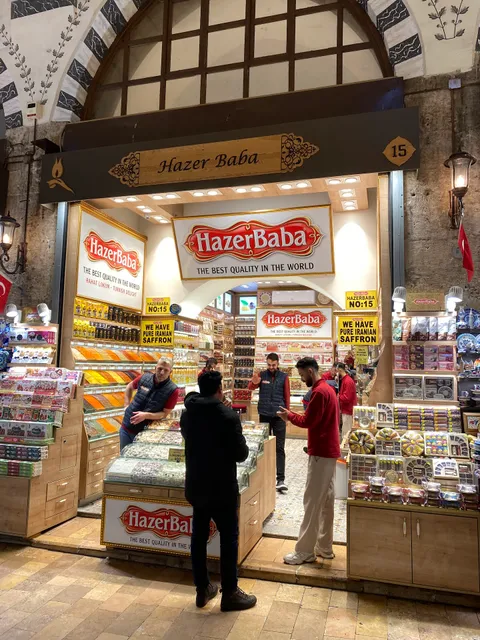
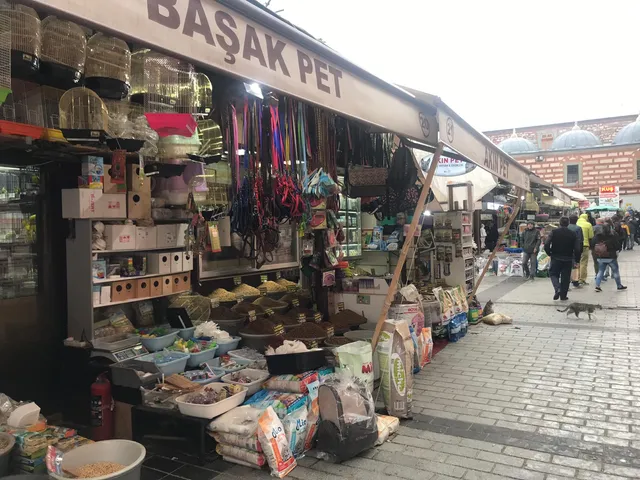
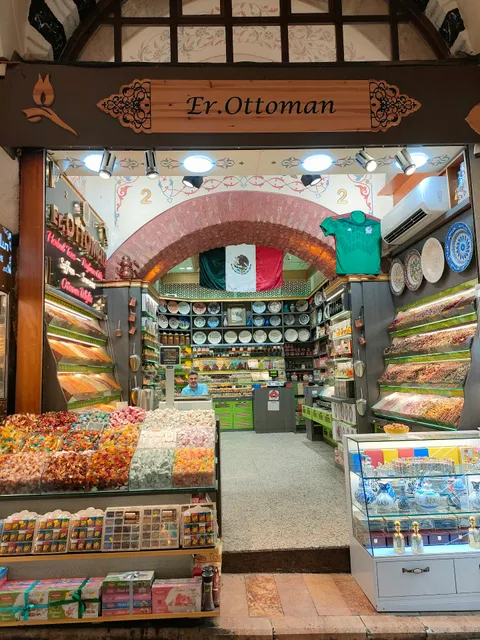
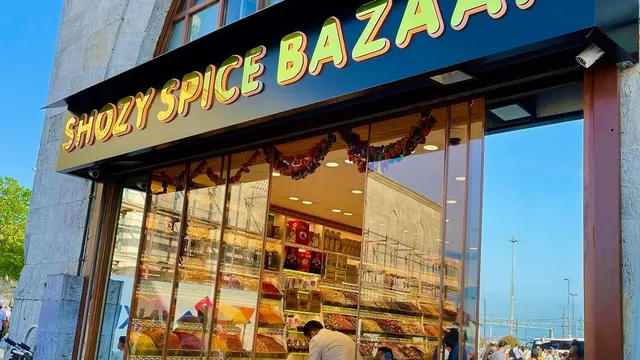
The Egyptian Bazaar, also known as the Spice Bazaar (Misir Çarşısı) in Istanbul, is one of the city's most vibrant and historical marketplaces. Located in the heart of the Eminönü district, this bustling bazaar has been a key trading hub since the 17th century, offering a sensory overload of colors, smells, and sounds that captivate every visitor.
Originally built in 1664 as part of the New Mosque complex, the Egyptian Bazaar got its name because it was historically a major marketplace for goods coming from Egypt, including spices, herbs, and exotic products. Today, it remains one of Istanbul's most famous covered markets, attracting both locals and tourists alike.
As you wander through its arched corridors, you'll find an incredible array of goods, from the fragrant spices, teas, and dried fruits that give the bazaar its distinctive aroma, to Turkish delight, nuts, and a variety of other local delicacies. The stalls are filled with vibrant displays of saffron, sumac, pomegranate molasses, and countless other culinary treasures.
But the Egyptian Bazaar offers more than just spices. Shoppers can also find high-quality textiles, ceramics, jewelry, and an assortment of souvenirs. The lively atmosphere is complemented by the friendly banter of shopkeepers, who are always eager to offer samples and share stories about their wares.
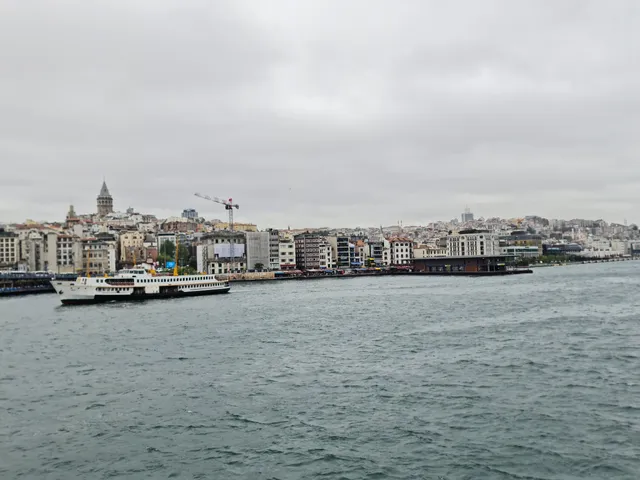
Beyond shopping, the Egyptian Bazaar is a place to immerse yourself in the rich culture and history of Istanbul. The surrounding area, with its proximity to the Galata Bridge and the Golden Horn, adds to the bazaar's appeal, making it a must-visit destination for anyone exploring the city.
Whether you're a seasoned traveler or a first-time visitor, the Egyptian Bazaar offers an unforgettable experience that encapsulates the essence of Istanbul's storied past and vibrant present. Best time to visit
The best time to visit the Egyptian Bazaar (Spice Bazaar) in Istanbul is during the early morning hours on weekdays. Here's why:
Less Crowded: Weekdays: The bazaar is less crowded on weekdays compared to weekends when both locals and tourists visit in large numbers. Morning Hours: Arriving early, around 9:00 AM when the bazaar opens, allows you to explore comfortably before the crowds build up.
Fresh Products: The vendors typically restock their goods in the morning, so you’ll find the freshest spices, herbs, and other products.
Better Interaction with Vendors: With fewer people around, you'll have more opportunities to interact with the vendors, learn about the products, and even negotiate prices.
Cooler Weather: If you’re visiting in the summer, mornings are cooler, making the experience more pleasant.
Photography Opportunities: Early in the morning, the light is ideal for photography, and the stalls are beautifully arranged with vibrant colors.
The bazaar can get quite busy later in the day, especially in the afternoon and on weekends, so planning your visit for a weekday morning will provide a more relaxed and...
Read moreMarhaba 👋
The Grand Bazaar and the Egyptian Bazaar are two of Istanbul's most popular markets, and they offer visitors a unique shopping and culinary experience. Located close to each other, these two bazaars are not to be missed if you're looking to explore the city's vibrant markets.
The Grand Bazaar is one of the largest covered markets in the world, with over 4,000 shops selling everything from textiles and ceramics to jewelry and souvenirs. It's a bustling hub of activity, and the maze-like streets can be overwhelming at first, but it's an exhilarating experience to wander through the narrow alleys and discover the hidden gems within. The vendors are friendly and welcoming, and bargaining is a must if you want to get the best deals.
The Egyptian Bazaar, also known as the Spice Bazaar, is a smaller market located just a few minutes' walk from the Grand Bazaar. As its name suggests, it specializes in spices, but you'll also find a range of other products such as Turkish delight, dried fruits, and nuts. The aroma of the spices is intoxicating, and it's a great place to pick up some unique ingredients for your own cooking or as gifts for friends and family.
One of the unique features of both markets is the opportunity to eat as you shop. The Grand Bazaar has a number of small cafes and restaurants where you can stop for a traditional Turkish tea or coffee, or even a full meal. The Egyptian Bazaar also has a few food stalls where you can sample some local snacks and sweets.
Overall, the Grand Bazaar and the Egyptian Bazaar are both must-visit destinations for anyone visiting Istanbul. They offer a rich cultural experience, with colorful displays of traditional items and lively interactions with local vendors. Whether you're a seasoned traveler or a first-time visitor to Turkey, these markets are sure to leave a lasting impression.
Note 📝!
Additionally, it's a good idea to have Turkish Lira on hand when shopping at these markets, as some vendors may only accept local currency. You can exchange your currency at the bazaar , I think it’s...
Read moreArchitectural Features
Layout: The bazaar is designed in an "L" shape, with both main and side axes featuring a total of six entrances.
Number of Shops: It houses approximately 85 to 100 shops, varying slightly due to restorations.
Architectural Style: Built in the classical Ottoman covered bazaar style, using stone and brick materials.
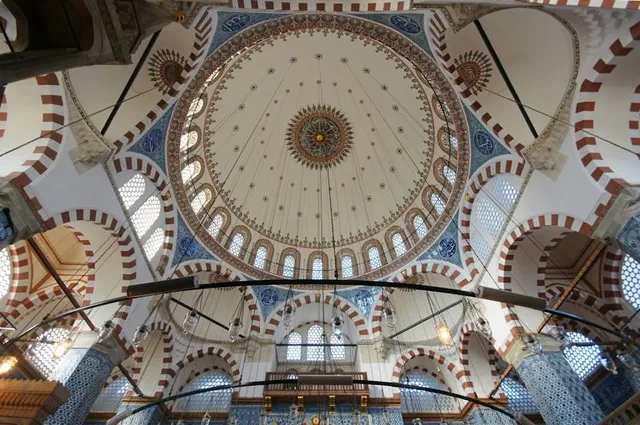
Structure: The entire market is covered, with arched passageways and domed ceilings that create a distinctive atmosphere.
🧂 Commercial and Cultural Significance
The name “Egyptian Bazaar” comes from the fact that many of the spices sold here were historically imported from Egypt, then an Ottoman territory.
During the Ottoman era, this was the primary center for obtaining medicinal herbs, exotic spices, and raw ingredients used in natural remedies.
Today, it remains a vibrant marketplace offering spices, Turkish delight, nuts, dried fruits, gold, and traditional souvenirs.
🕰️ Historical Importance
From the late Ottoman period to the present day, the Egyptian Bazaar has served as a major hub of commerce.
It has long functioned as a bridge between East and West in terms of trade and cultural exchange.
It is one of Istanbul’s oldest and most iconic historical marketplaces.
🧱 Restorations and Present-Day Status
The structure has suffered damage from various earthquakes and fires over the centuries and has undergone several restorations.
The most recent major restoration took place between 2009 and 2013.
Today, the bazaar is a bustling cultural landmark, attracting both locals and tourists in large numbers.
🎯 Interesting Facts
The Egyptian Bazaar is the second-largest covered market in Istanbul, after the Grand Bazaar.
Certain sections once served as a center for herbalists and traditional pharmacists during the Ottoman period.
Spices were used not only in cooking but also in healing practices; herbal prescriptions were often prepared on-site.
Interestingly, the word “Mısır” in Turkish refers both to the country Egypt and to “grain-based income,” reflecting the market's...
Read more