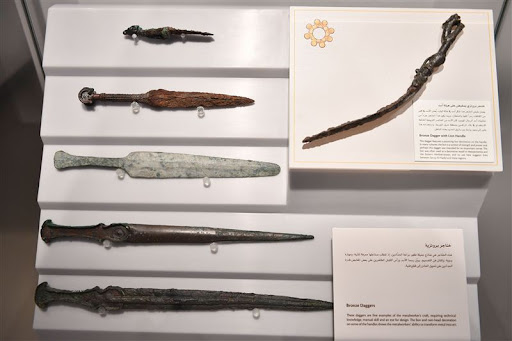
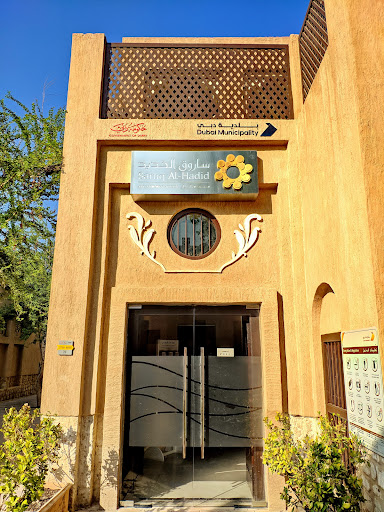
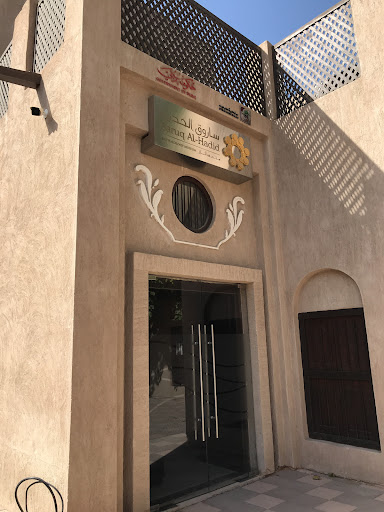
Saruq Al-Hadid Archaeological Museum things to do, attractions, restaurants, events info and trip planning
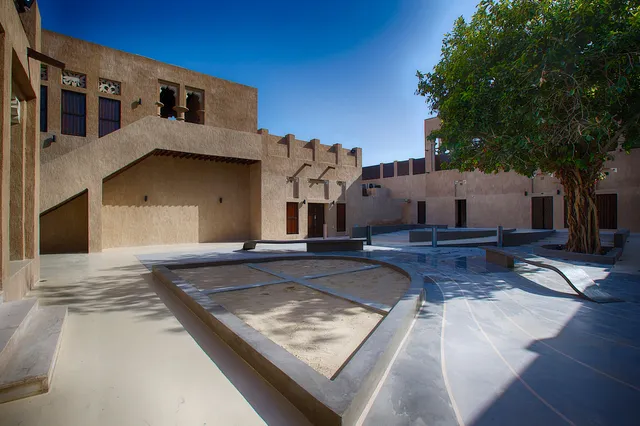
Basic Info
Saruq Al-Hadid Archaeological Museum
778Q+PVV - Al Shindagha - Al Fahidi - Dubai - United Arab Emirates
4.3(171)
Closed
Save
spot
spot
Ratings & Description
Info
Cultural
Family friendly
Accessibility
attractions: Al Shindagha Museum, House of Sheikh Saeed Al Maktoum, Crossroad of Civilizations Museum (CCM) متحف معبر الحضارات, Perfume House - Al Shindagha Museum, مركز الوثائق التاريخية, Bur Dubai Souk Market, Visitor Centre – Al Shindagha Museum, Abra Marine, House of Sheikh Obaid & Jumma bin Thani Al Maktoum, Al Shindagha Museum - Drop-Off point B, restaurants: Arabian Fish House Restaurant & Cafe - Dubai, Star Grills (TODAYS VIEW RESTAURANT), KASTHAMANDAP, Golden Fish Restaurant, BLUE PALACE RESTAURANT AND CAFE, Bayt Al Wakeel Restaurant / مطعم بيت الوكيل, Pak Liyari Restaurant L.L.C (Br.), Fulbari restaurant burdubai, Creek City Restaurant, مطعم ربوع اليمن للمندي, local businesses: Al Shindagha Museum, Carrefour Hypermarket, Al Shindagha Historic District, Carrefour UAE Head Office, Dubai Creek, Textile wholesale market Bur Dubai, Dubai Spice Souk, Kanz Jewels Gold Souk, Old souq ( Al Souq Al Kabeer ), Old Souk
 Learn more insights from Wanderboat AI.
Website
dm.gov.ae
Open hoursSee all hours
Fri9 AM - 5 PMClosed
Plan your stay

Pet-friendly Hotels in Al Shindagha
Find a cozy hotel nearby and make it a full experience.

Affordable Hotels in Al Shindagha
Find a cozy hotel nearby and make it a full experience.

The Coolest Hotels You Haven't Heard Of (Yet)
Find a cozy hotel nearby and make it a full experience.

Trending Stays Worth the Hype in Al Shindagha
Find a cozy hotel nearby and make it a full experience.
Reviews
Live events

Experience Luxury desert safari in Dubai
Fri, Feb 6 • 1:45 PM
Dubai, United Arab Emirates
View details
Nearby attractions of Saruq Al-Hadid Archaeological Museum
Al Shindagha Museum
House of Sheikh Saeed Al Maktoum
Crossroad of Civilizations Museum (CCM) متحف معبر الحضارات
Perfume House - Al Shindagha Museum
مركز الوثائق التاريخية
Bur Dubai Souk Market
Visitor Centre – Al Shindagha Museum
Abra Marine
House of Sheikh Obaid & Jumma bin Thani Al Maktoum
Al Shindagha Museum - Drop-Off point B
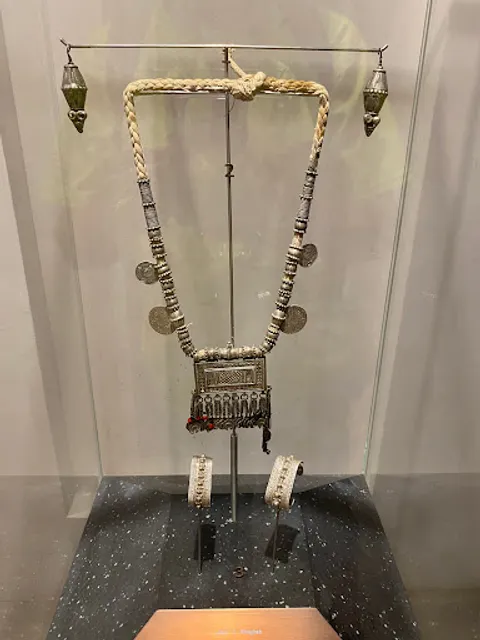
Al Shindagha Museum
4.5
(160)
Closed
Click for details
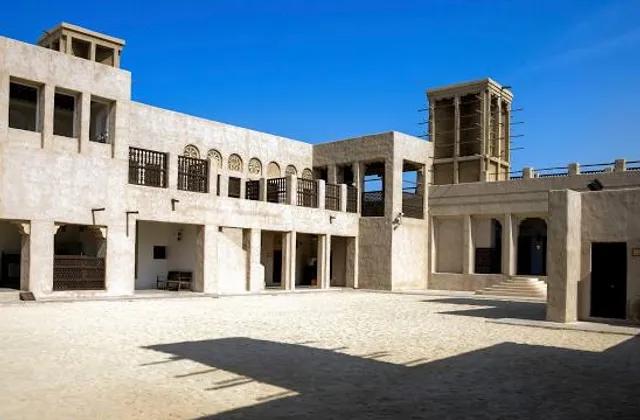
House of Sheikh Saeed Al Maktoum
4.5
(480)
Closed
Click for details
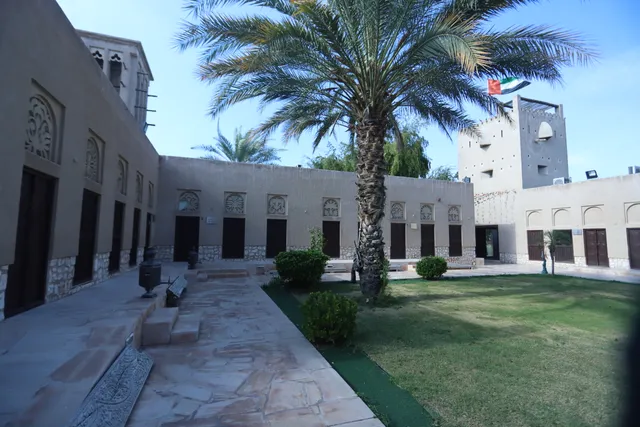
Crossroad of Civilizations Museum (CCM) متحف معبر الحضارات
4.5
(173)
Closed
Click for details
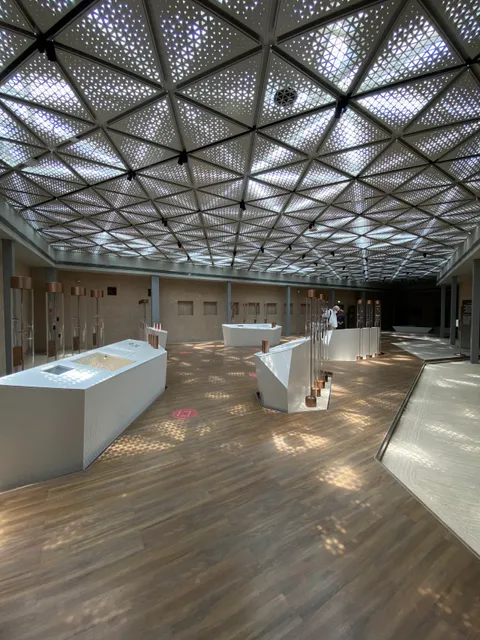
Perfume House - Al Shindagha Museum
4.8
(86)
Closed
Click for details
Nearby restaurants of Saruq Al-Hadid Archaeological Museum
Arabian Fish House Restaurant & Cafe - Dubai
Star Grills (TODAYS VIEW RESTAURANT)
KASTHAMANDAP
Golden Fish Restaurant
BLUE PALACE RESTAURANT AND CAFE
Bayt Al Wakeel Restaurant / مطعم بيت الوكيل
Pak Liyari Restaurant L.L.C (Br.)
Fulbari restaurant burdubai
Creek City Restaurant
مطعم ربوع اليمن للمندي
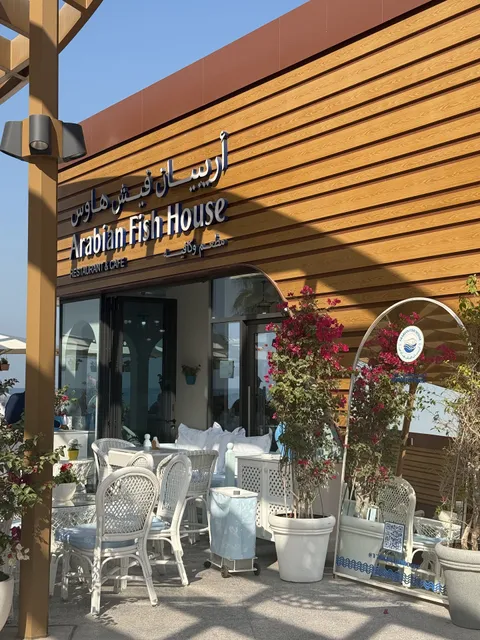
Arabian Fish House Restaurant & Cafe - Dubai
4.9
(819)
Closed
Click for details
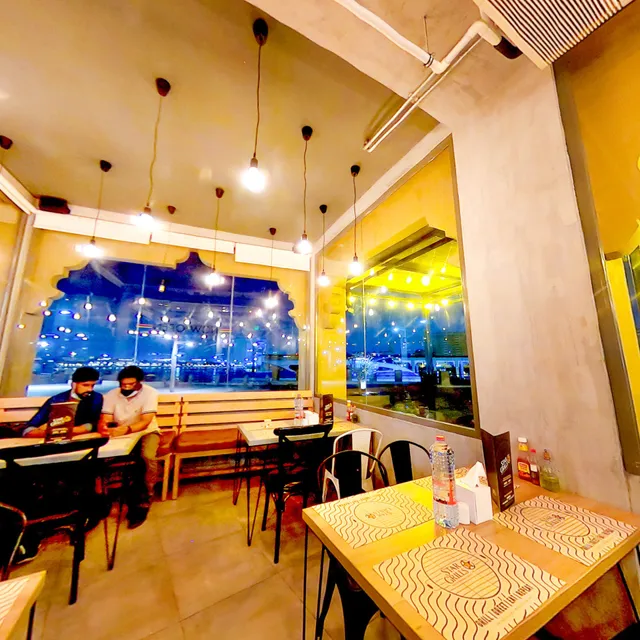
Star Grills (TODAYS VIEW RESTAURANT)
4.0
(239)
Open until 12:00 AM
Click for details
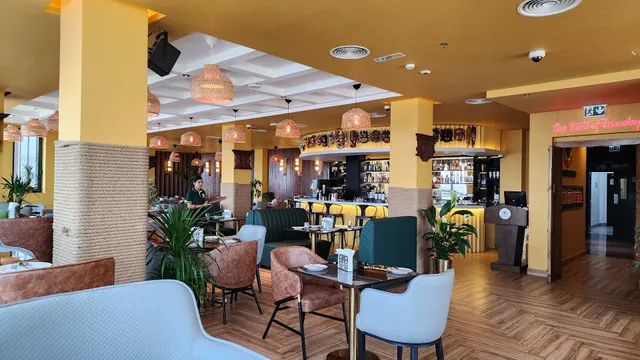
KASTHAMANDAP
4.8
(630)
Closed
Click for details
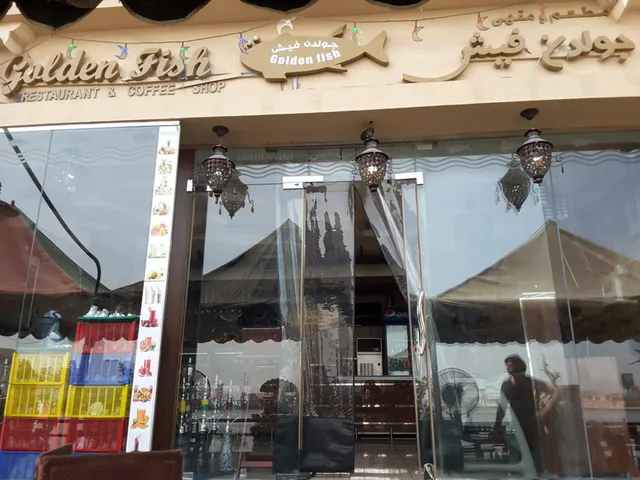
Golden Fish Restaurant
4.3
(717)
Open until 4:30 AM
Click for details
Nearby local services of Saruq Al-Hadid Archaeological Museum
Al Shindagha Museum
Carrefour Hypermarket
Al Shindagha Historic District
Carrefour UAE Head Office
Dubai Creek
Textile wholesale market Bur Dubai
Dubai Spice Souk
Kanz Jewels Gold Souk
Old souq ( Al Souq Al Kabeer )
Old Souk
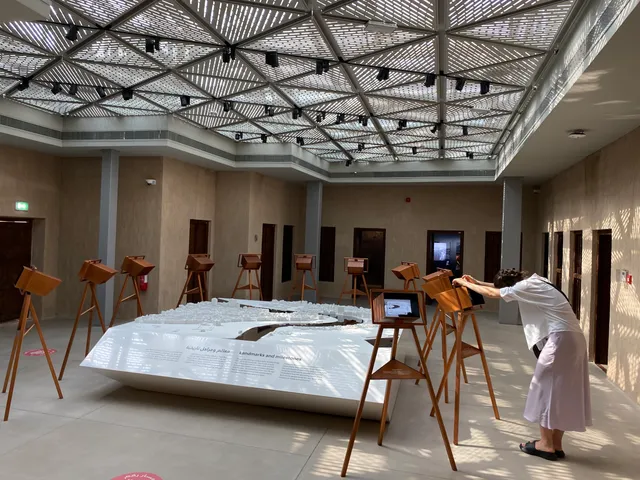
Al Shindagha Museum
4.6
(512)
Click for details
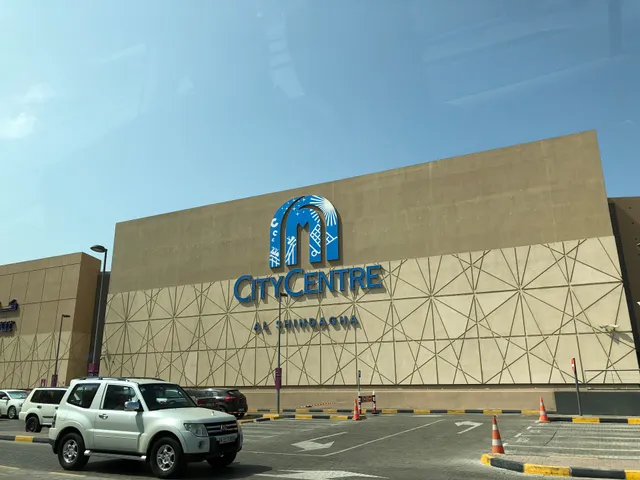
Carrefour Hypermarket
4.4
(3.5K)
Click for details
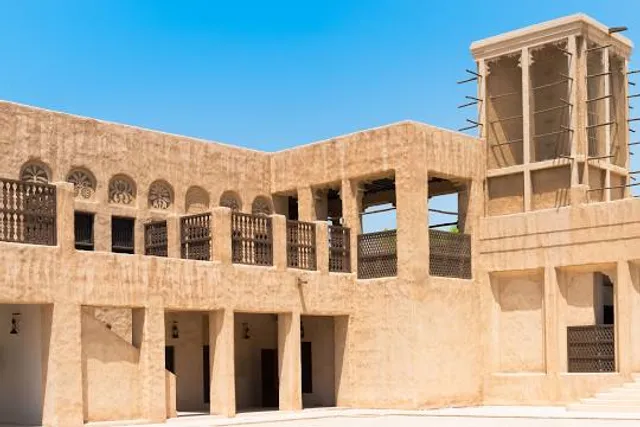
Al Shindagha Historic District
4.4
(1.1K)
Click for details
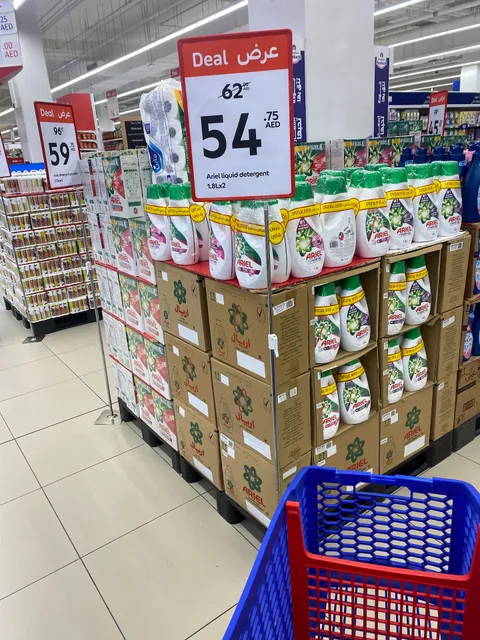
Carrefour UAE Head Office
3.0
(209)
Click for details