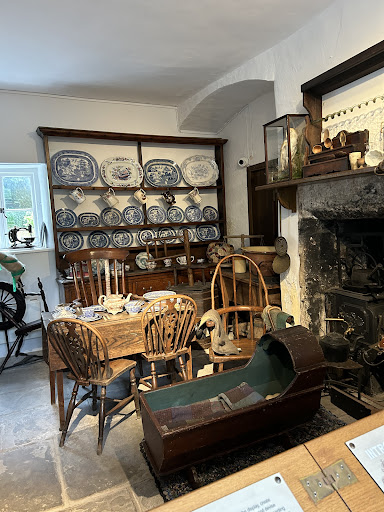
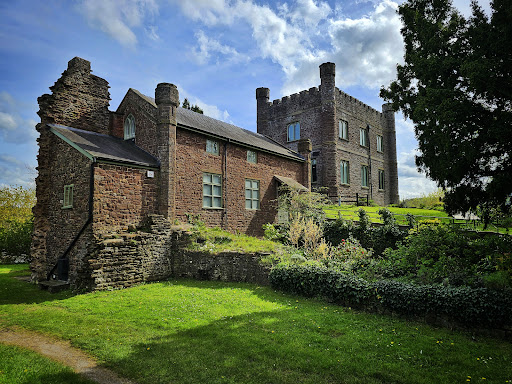
Abergavenny Museum things to do, attractions, restaurants, events info and trip planning
Basic Info
Abergavenny Museum
Castle St, Abergavenny NP7 5EE, United Kingdom
4.5(457)
Open 24 hours
Save
spot
spot
Ratings & Description
Info
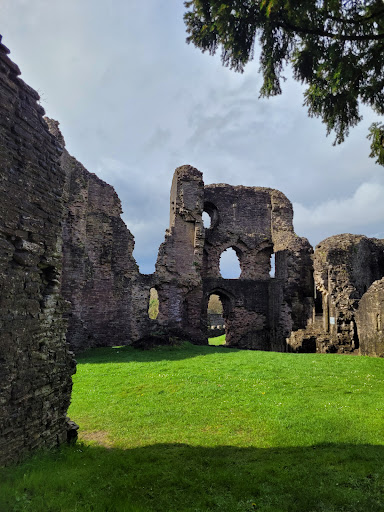
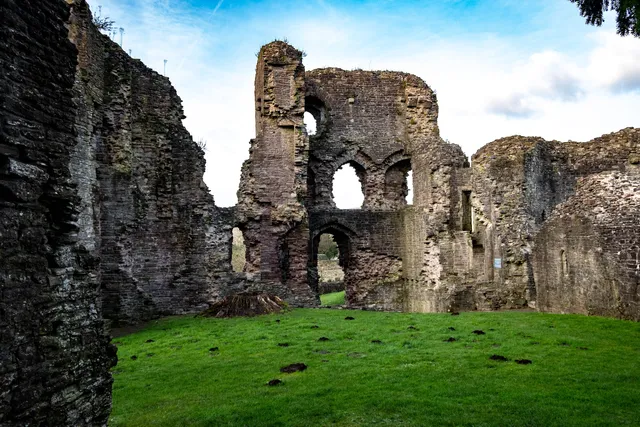
Abergavenny Castle is a ruined castle in the market town of Abergavenny, Monmouthshire, Wales, established by the Norman lord Hamelin de Balun c. 1087. It was the site of a massacre of Welsh noblemen in 1175, and was attacked during the early 15th-century Glyndŵr Rising.
Cultural
Family friendly
Accessibility
attractions: St Mary's Priory, Borough Theatre, The Art Shop & Chapel, Abergavenny Tourist Information Centre, Linda Vista Gardens, restaurants: Anatolian Restaurant, Oasis Snack Bar, Cinnamon Tree, Boonta Too Thai Restaurant, Luigis, Cwtch Cafe, Tamarind, Chesters Wine Merchants, Sundarbon, Hen & Chicken, local businesses: Abergavenny Bridge
 Learn more insights from Wanderboat AI.
Phone
+44 1873 854282
Website
visitmonmouthshire.com
Plan your stay

Pet-friendly Hotels in Abergavenny
Find a cozy hotel nearby and make it a full experience.

Affordable Hotels in Abergavenny
Find a cozy hotel nearby and make it a full experience.

The Coolest Hotels You Haven't Heard Of (Yet)
Find a cozy hotel nearby and make it a full experience.

Trending Stays Worth the Hype in Abergavenny
Find a cozy hotel nearby and make it a full experience.
Reviews
Live events
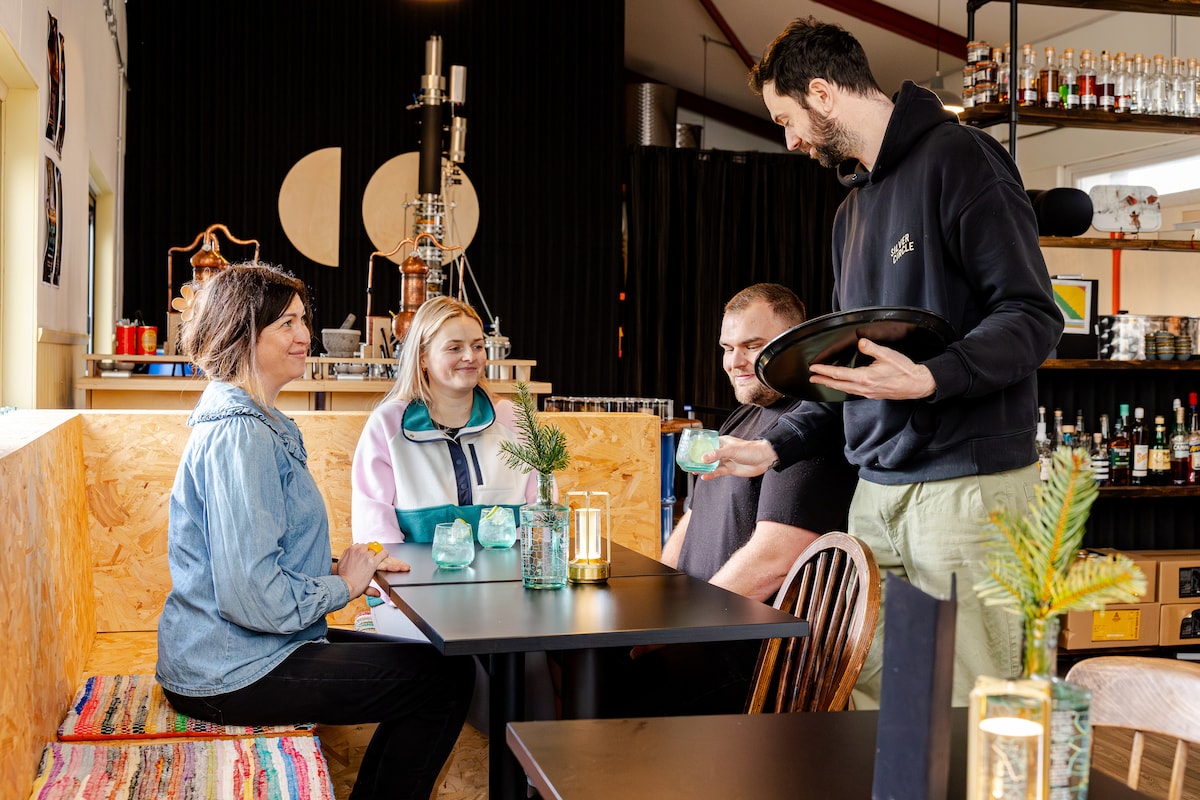
Craft your own gin
Sat, Feb 28 • 1:30 PM
Monmouthshire, NP25 4RP, United Kingdom
View details

Guided Archery Adventure in the Golden Valley
Tue, Feb 24 • 11:00 AM
Ewyas Harold, HR2 0JH, United Kingdom
View details
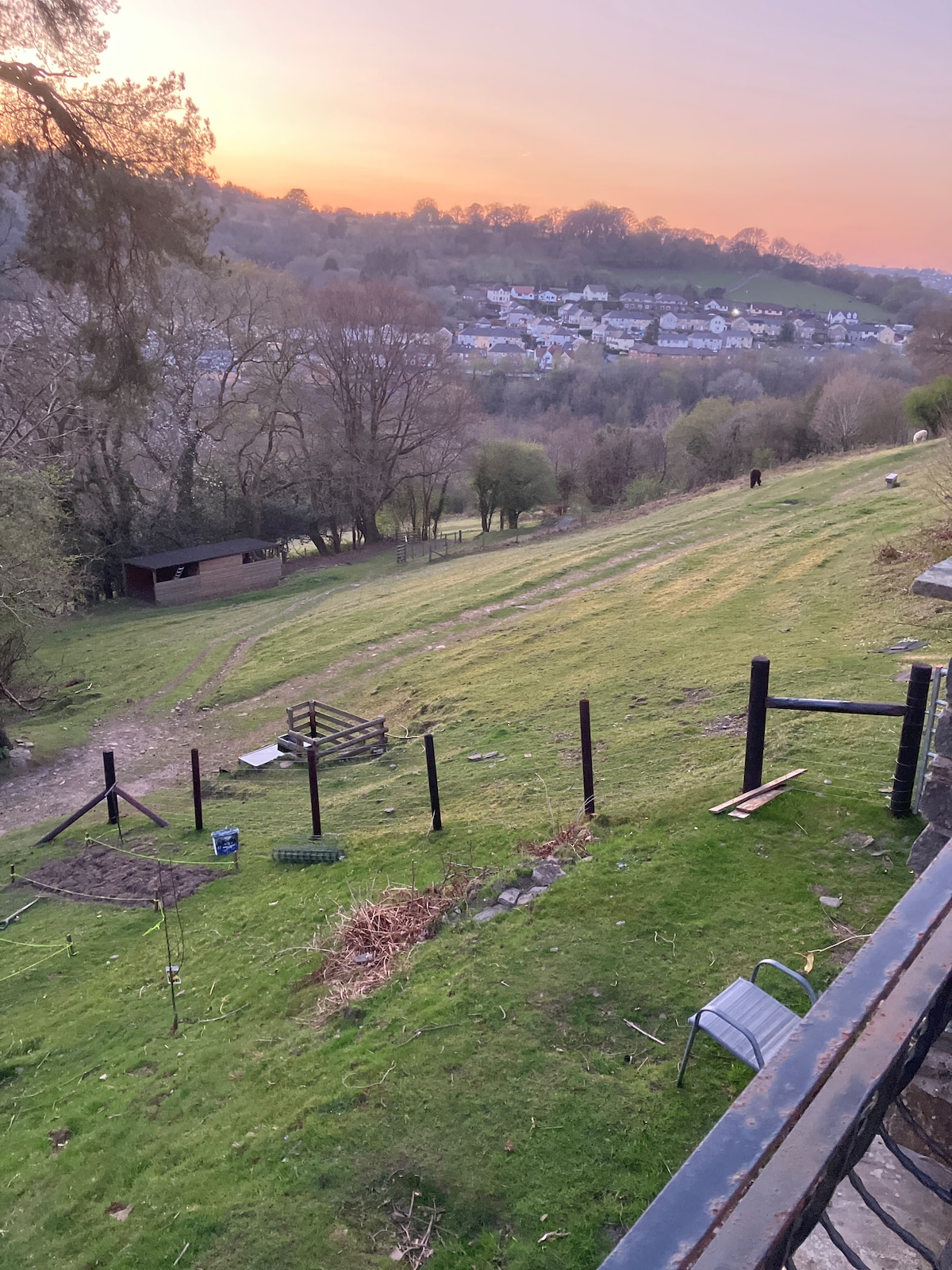
Ride Sirhowy Valley on e-bikes with family leaders
Sat, Feb 28 • 10:00 AM
Cwmfelinfach, NP11, United Kingdom
View details
Nearby attractions of Abergavenny Museum
St Mary's Priory
Borough Theatre
The Art Shop & Chapel
Abergavenny Tourist Information Centre
Linda Vista Gardens
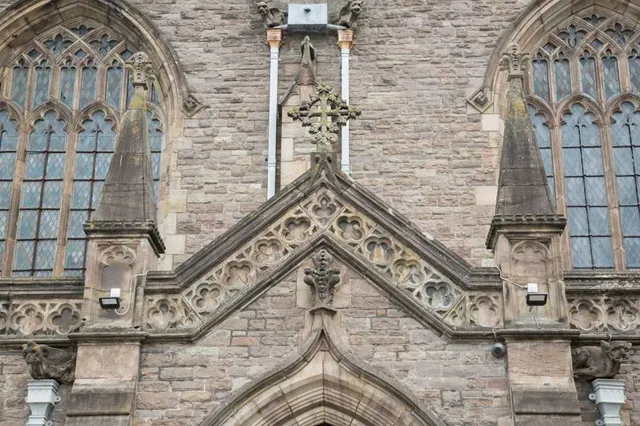
St Mary's Priory
4.6
(161)
Open 24 hours
Click for details

Borough Theatre
4.7
(162)
Open 24 hours
Click for details

The Art Shop & Chapel
4.3
(45)
Open until 12:00 AM
Click for details

Abergavenny Tourist Information Centre
4.5
(30)
Closed
Click for details
Nearby restaurants of Abergavenny Museum
Anatolian Restaurant
Oasis Snack Bar
Cinnamon Tree
Boonta Too Thai Restaurant
Luigis
Cwtch Cafe
Tamarind
Chesters Wine Merchants
Sundarbon
Hen & Chicken
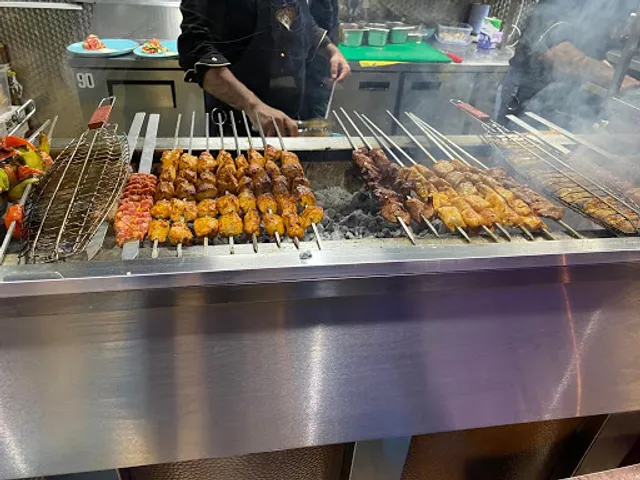
Anatolian Restaurant
4.9
(369)
$$
Closed
Click for details
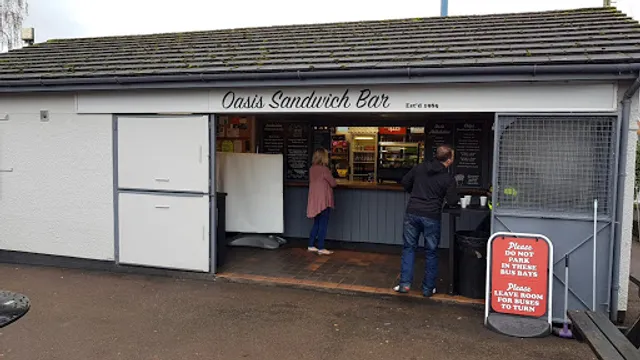
Oasis Snack Bar
4.4
(266)
Open until 12:00 AM
Click for details
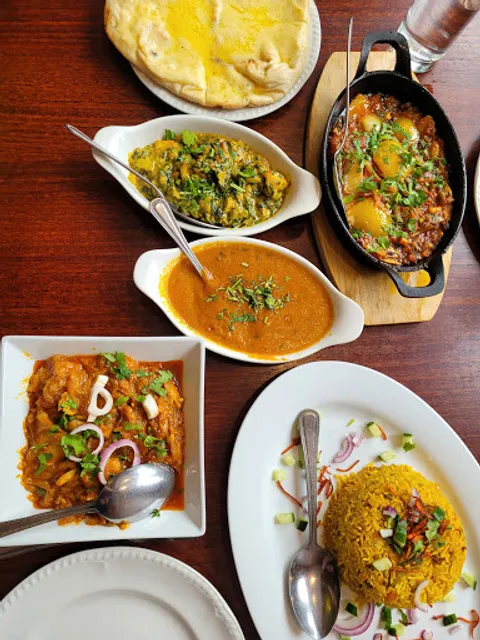
Cinnamon Tree
4.3
(113)
Open until 12:00 AM
Click for details
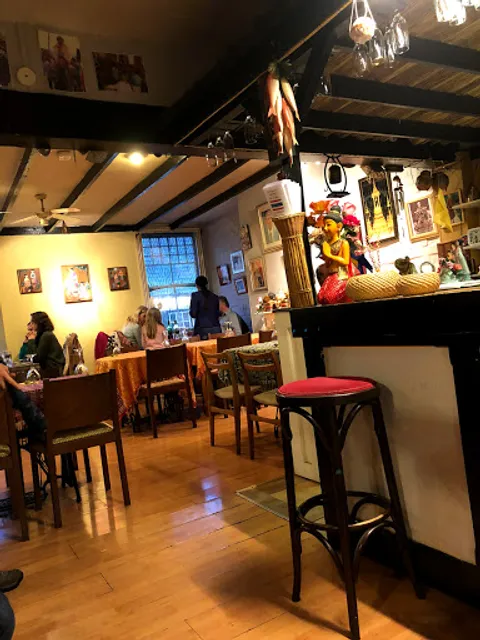
Boonta Too Thai Restaurant
4.4
(89)
Open until 12:00 AM
Click for details
Nearby local services of Abergavenny Museum
Abergavenny Bridge
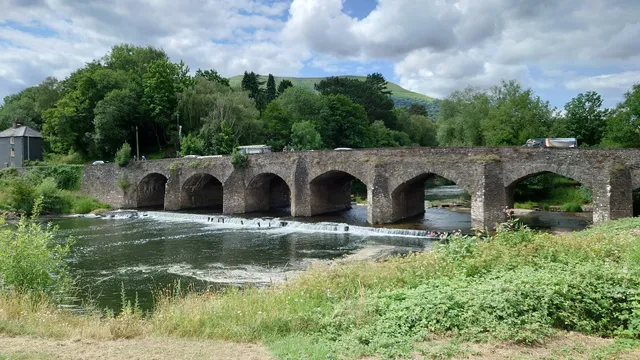
Abergavenny Bridge
4.7
(13)
Click for details