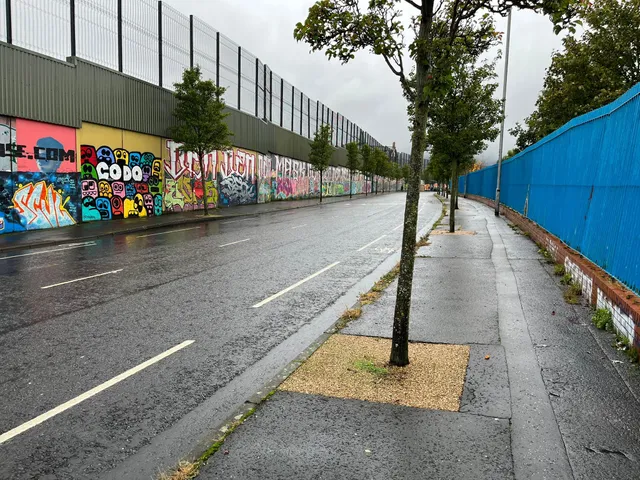
The Belfast Peace Wall is a remarkable and sobering sight that reflects the history and reality of the sectarian conflict in Northern Ireland. It is a series of barriers that separate Catholic and Protestant neighbourhoods in Belfast, mainly in the west and north of the city. The wall was built in 1969 as a temporary measure to prevent violence between the two communities, but it has become a permanent feature of the urban landscape, stretching over 34 kilometres (21 miles) and reaching up to 8 metres (25 feet) high in some places.
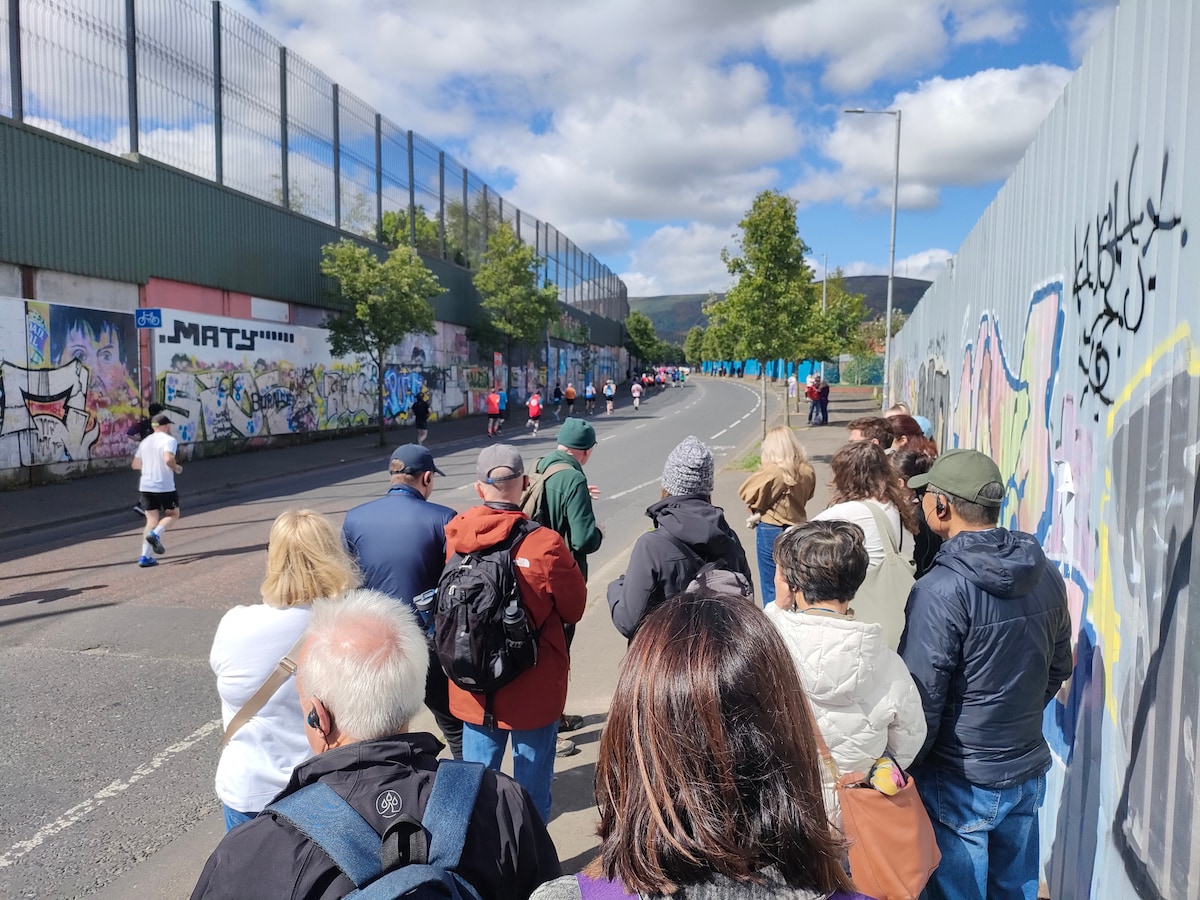
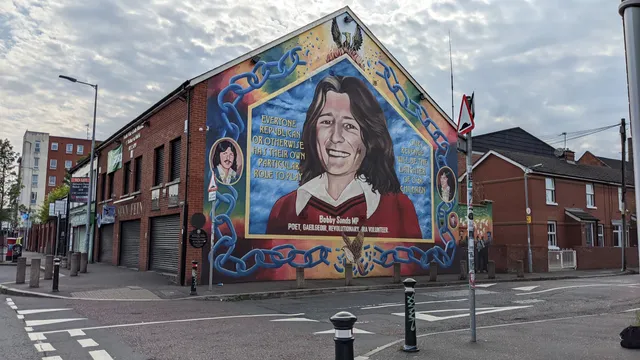
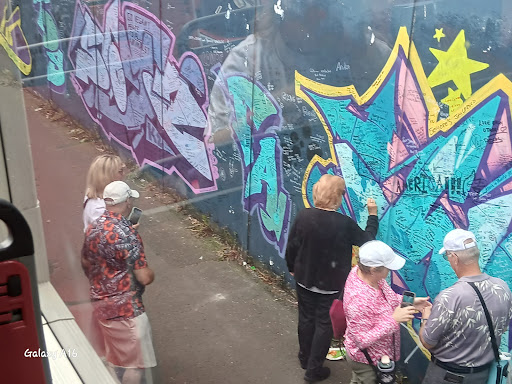
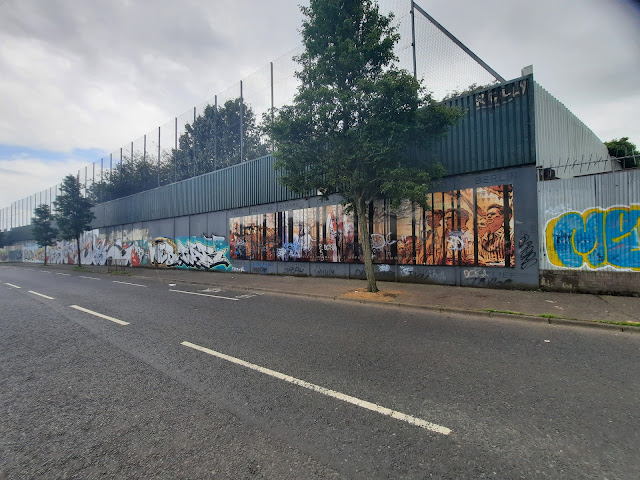
The wall is not a single structure, but rather a collection of different walls, fences, gates and roads that divide the city along religious and political lines. Some of the walls have gates that are opened during the day and closed at night, while others are completely sealed. The wall is also covered with graffiti, murals, messages and artwork that express the views, hopes, fears and identities of the people who live on either side of it. Some of the murals are political, depicting historical figures, events or symbols of the Irish republican or British loyalist movements. Others are more personal, reflecting the experiences, aspirations or grievances of the residents. Some are also more hopeful, calling for peace, reconciliation or unity among the people of Belfast.
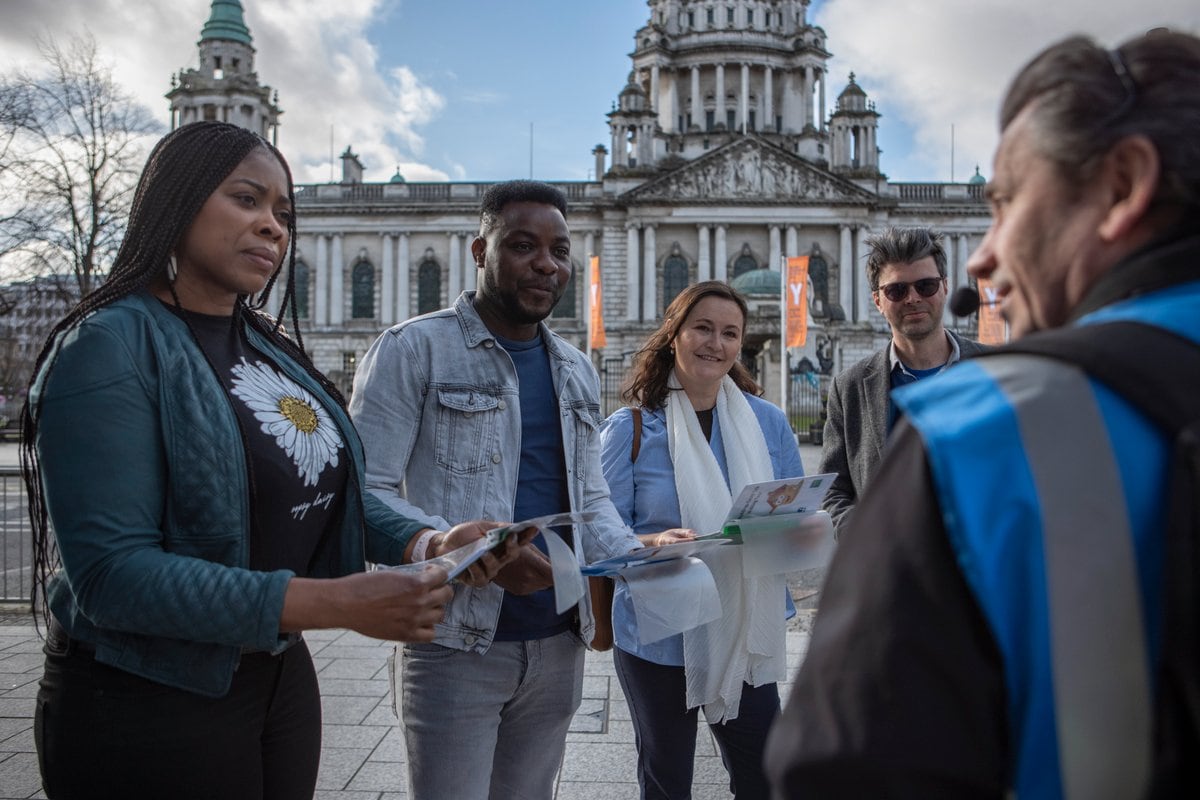
The wall is a popular tourist attraction, as it offers a unique insight into the culture and history of Belfast and Northern Ireland. There are several ways to visit the wall and learn more about its significance and context. One option is to take a walking tour with a local guide who can explain the background and meaning of the wall and its murals, as well as share stories and anecdotes from their own perspective. Another option is to take a black cab tour, which is a private taxi service that takes visitors around the wall and other sites of interest in Belfast. The drivers are usually from one of the communities affected by the wall and can provide a personal and candid account of life in Belfast during and after the Troubles. Both options allow visitors to interact with the locals and ask questions about their views and experiences.
The wall is also a controversial and contested site, as it raises questions about the future of Belfast and Northern Ireland. While some see it as a necessary security measure that prevents violence and maintains peace, others see it as a symbol of division, segregation and oppression that perpetuates fear and mistrust. There have been efforts to remove or reduce the wall in recent years, especially after the Good Friday Agreement of 1998 that ended the armed conflict and established a power-sharing government in Northern Ireland. However, progress has been slow and difficult, as many residents still feel unsafe or unwilling to live without the wall. According to a survey conducted in 2012, only 38% of residents living near the wall wanted it removed immediately or within the next five years, while 58% wanted it to remain as long as they felt it was necessary.
The Belfast Peace Wall is, therefore, a complex and fascinating site that reveals both the challenges and opportunities for peace and reconciliation in Northern Ireland. It is a place where history, politics, art, and culture collide and coexist, creating a rich and diverse tapestry of stories and meanings. It is also a place where visitors can witness firsthand the impact of conflict and division on people's lives, as well as their hopes and efforts for change and dialogue. It is definitely worth visiting for anyone who wants to understand more about Belfast and...
Read moreStepping up to the Peace Wall in Belfast is a truly sobering experience, and one that is absolutely essential for anyone hoping to understand the complex history and ongoing journey of this city. It's a stark, almost unbelievable, reality that in 2025, Europe still has such a significant physical barrier dividing communities. The very existence of these walls, built initially in 1969 as "temporary" measures to separate Catholic/Nationalist and Protestant/Unionist neighborhoods, is a poignant testament to the deep-seated divisions that once tore Northern Ireland apart. But the Peace Wall is more than just a barrier; it's a living, breathing canvas. The murals adorning both sides are powerful, visual narratives that tell a story of struggle, identity, and resilience. In their early iterations, these murals often served as stark declarations of allegiance, glorifying paramilitary groups and commemorating "martyrs" on both sides. They were tools of propaganda and intimidation, reflecting the raw emotions and political fervor of the Troubles. However, over the years, these murals have evolved significantly. While some still carry the weight of the past, many now express messages of peace, reconciliation, and hope. You'll see tributes to international struggles for justice, calls for unity, and even artistic expressions that transcend the historical conflict. This evolution reflects the immense progress Belfast has made towards a more peaceful future, even as the walls themselves remain a visible reminder of the past. A visit to the Peace Wall, whether on a black cab tour or simply by walking along its length, is not just a sightseeing opportunity; it's an immersion into the city's soul. It forces you to confront the uncomfortable truths of sectarianism and the enduring impact of historical conflict. It also highlights the incredible human spirit that has worked tirelessly towards building bridges where once only walls stood. To truly grasp Belfast, its past, and its aspirations for the future, the Peace Wall is an absolute must-see. It's a powerful reminder that peace is a continuous process, and that even in the shadow of division, art can be a catalyst for understanding...
Read moreThe Peace Walls in Belfast are a worldwide famous symbol of the conflict between Protestants and Catholics in Northern Ireland. The walls were first erected in 1969 in response to the continuous violence and sectarian tensions between the two communities. Today, the walls stand as divisive yet essential barriers, protecting the neighborhoods separated by them from physical attack and keeping the fragile peace of the region.
The wall stretches approximately 13 miles and ranges in height from eight to 45 feet. The gates along the wall are shut at night to prevent sectarian attacks. The wall has become a tourist attraction and a reminder of the complex history of Northern Ireland — especially to those who never witnessed first-hand the intensity of the tension between the two communities.
Some argue that the wall should be taken down because it is a reminder of the conflict and separates communities. However, the reality is that it remains crucial for maintaining peace and preventing the conflicts of the past from reigniting.
Today, although the tensions are not as high as in the past, the wall remains standing. Visitors to the city often leave feeling a sense of sadness and disbelief over the decades of violence that the wall embodies. However, it is also a testament to the courage of the people of Northern Ireland and the...
Read more