Hall i' th' Wood Museum things to do, attractions, restaurants, events info and trip planning
Basic Info
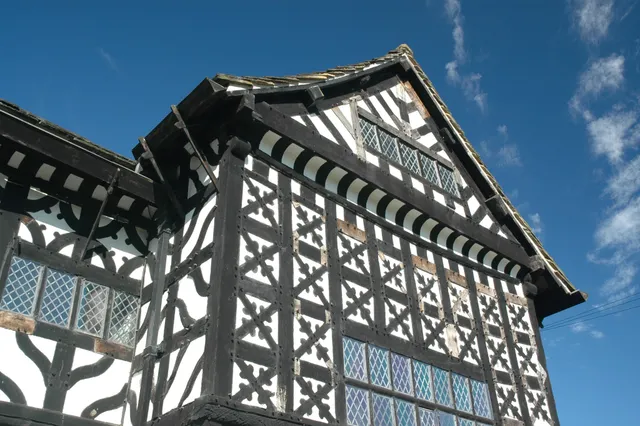
Hall i' th' Wood Museum
Hall I' Th' Wood Ln, Bolton BL1 8UA, United Kingdom
4.4(116)
Open 24 hours
Save
spot
spot
Ratings & Description
Info
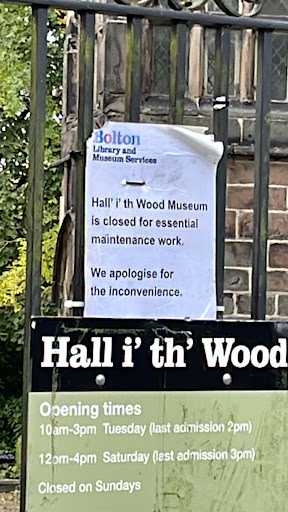
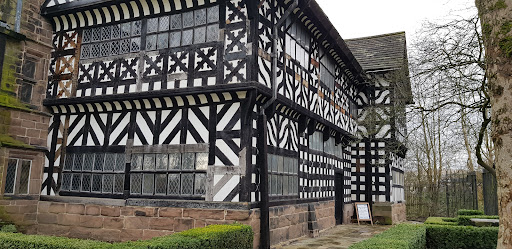
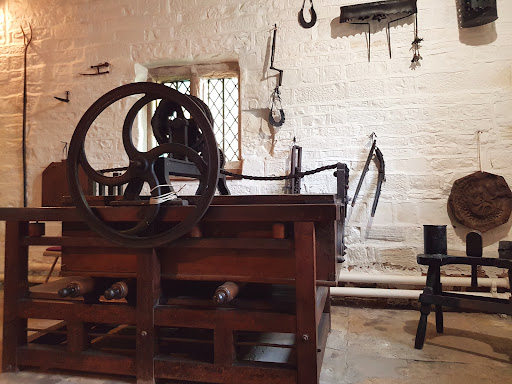
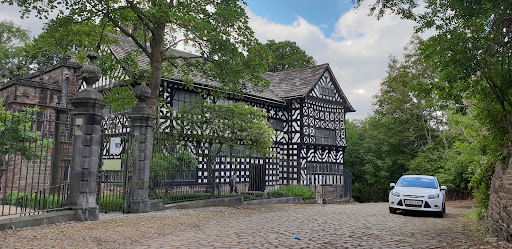
Hall i' th' Wood is an early 16th-century manor house in Bolton in the historic county of Lancashire and the ceremonial county of Greater Manchester, England. It is a Grade I listed building and is currently used as a museum by Bolton Metropolitan Borough Council.
Cultural
Family friendly
Accessibility
attractions: 10 Firwood Fold, restaurants: Toby Carvery Bolton, Sai Spice, Marmaris Turkish Grill, Istanbul Restaurant, Bolton, Jaan's Restaurant, Istanbul Grill Bolton, Turkis Chargrill, The Deli, Pretzel & Spelt, The Pineapple Inn, local businesses: Cineworld - Bolton, Santini's, Domino's Pizza - Bolton - North, Pizza Del Mondo
 Learn more insights from Wanderboat AI.
Phone
+44 1204 332377
Website
boltonlams.co.uk
Plan your stay

Pet-friendly Hotels in Bolton
Find a cozy hotel nearby and make it a full experience.

Affordable Hotels in Bolton
Find a cozy hotel nearby and make it a full experience.

The Coolest Hotels You Haven't Heard Of (Yet)
Find a cozy hotel nearby and make it a full experience.

Trending Stays Worth the Hype in Bolton
Find a cozy hotel nearby and make it a full experience.
Reviews
Live events

Bubble Planet: An Immersive Experience in Manchester
Thu, Feb 26 • 10:45 AM
10 Temperance St, Piccadilly, Manchester, M12 6HR
View details

LUMINISCENCE Manchester: The 360° Immersive Show - UK Premiere
Fri, Feb 27 • 8:30 PM
Victoria Street, Manchester, M3 1SX
View details

Machu Picchu: Journey to the Lost City
Thu, Feb 26 • 11:20 AM
Transmission House, 11 Tib St, Manchester, M4 1AF
View details
Nearby attractions of Hall i' th' Wood Museum
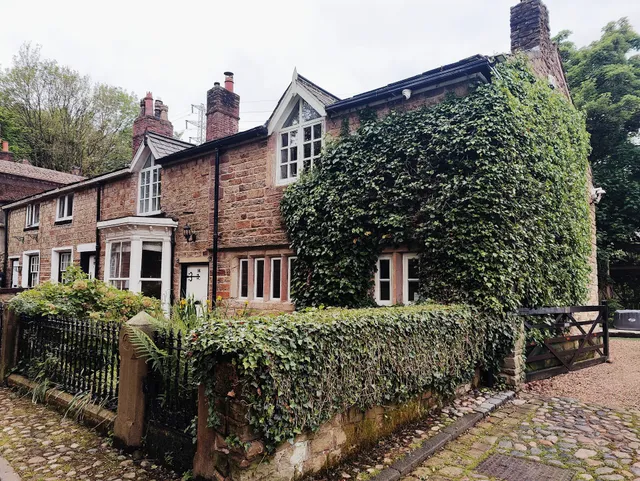
10 Firwood Fold
10 Firwood Fold
4.4
(28)
Open until 12:00 AM
Click for details
Nearby restaurants of Hall i' th' Wood Museum
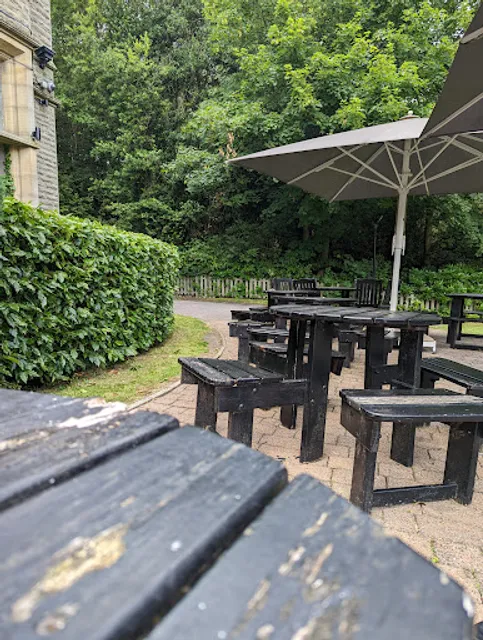
Toby Carvery Bolton
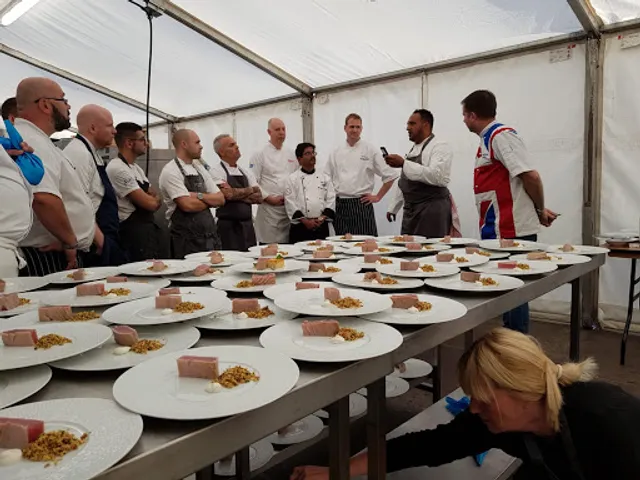
Sai Spice
Marmaris Turkish Grill
Istanbul Restaurant, Bolton
Jaan's Restaurant
Istanbul Grill Bolton
Turkis Chargrill
The Deli
Pretzel & Spelt
The Pineapple Inn
Toby Carvery Bolton
4.0
(1.5K)
$
Closed
Click for details
Sai Spice
4.5
(312)
$$
Closed
Click for details
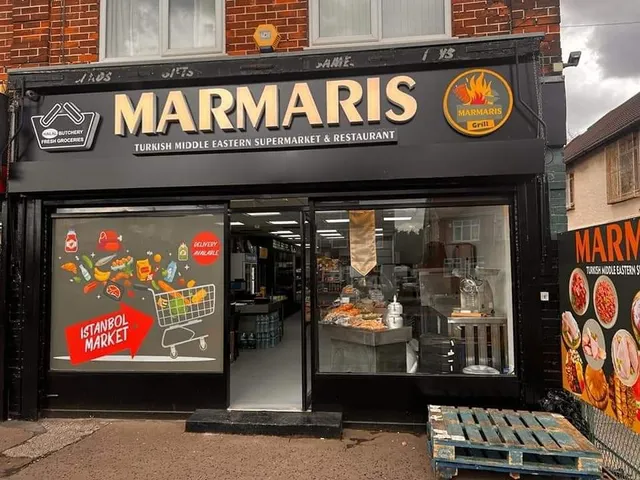
Marmaris Turkish Grill
3.4
(78)
Closed
Click for details
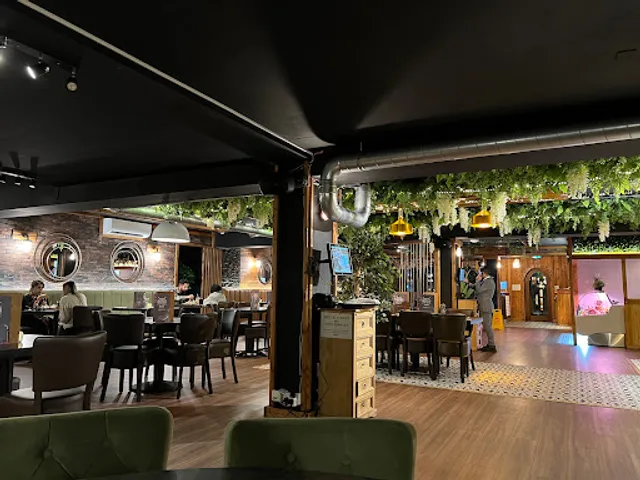
Istanbul Restaurant, Bolton
4.6
(336)
Closed
Click for details
Nearby local services of Hall i' th' Wood Museum
Cineworld - Bolton
Santini's
Domino's Pizza - Bolton - North
Pizza Del Mondo

Cineworld - Bolton
4.3
(1.2K)
Click for details
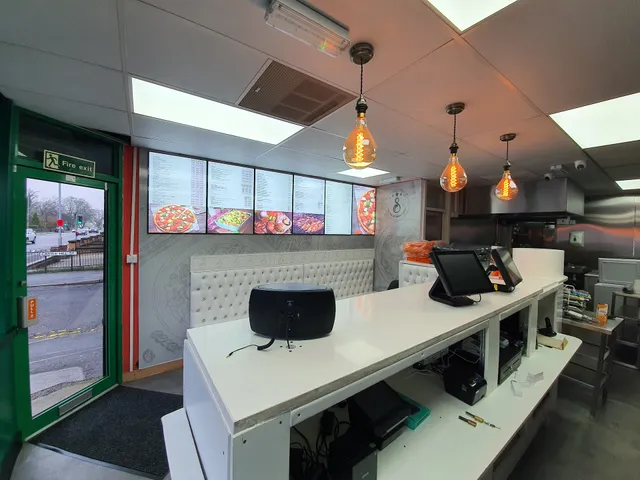
Santini's
4.6
(41)
Click for details

Domino's Pizza - Bolton - North
3.8
(101)
Click for details
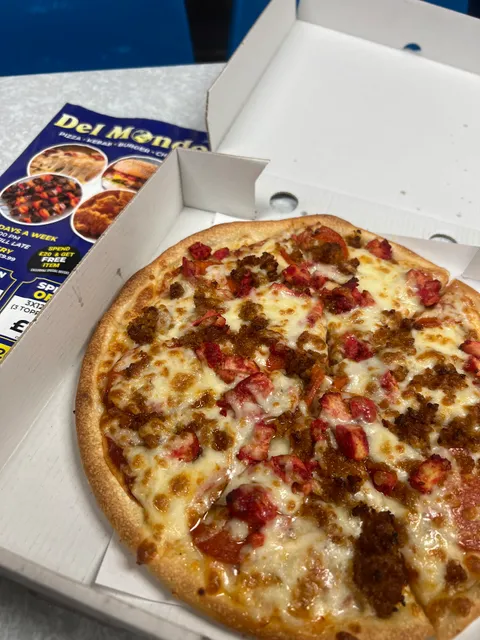
Pizza Del Mondo
3.7
(73)
Click for details