Durham Castle things to do, attractions, restaurants, events info and trip planning
Basic Info
Durham Castle
Durham DH1 3RW, United Kingdom
4.6(948)
Open 24 hours

tickets
Save
spot
spot
Ratings & Description
Info
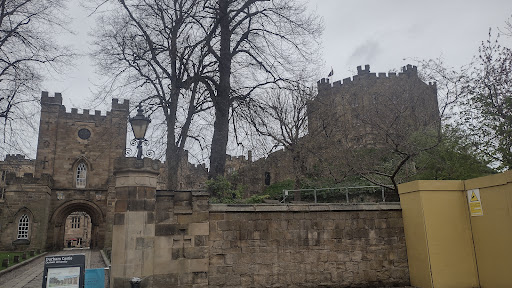
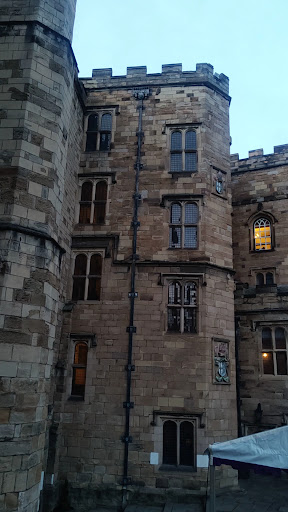
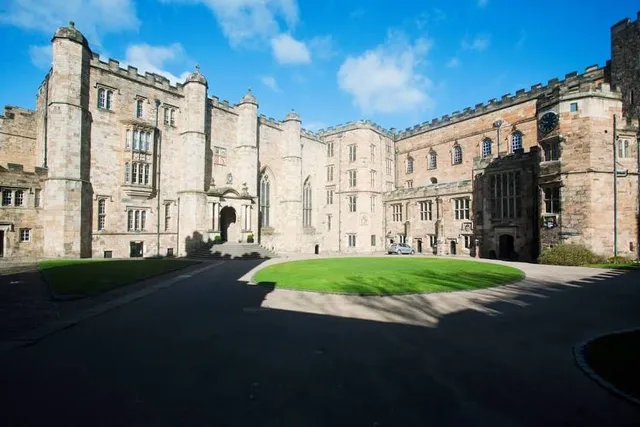
Durham Castle is a Norman castle in the city of Durham, England, which has been occupied since 1837 by University College, Durham after its previous role as the residence of the Bishops of Durham.
Cultural
Family friendly
Accessibility
attractions: Durham Cathedral, Museum of Archaeology • Durham University, Durham World Heritage Site Visitor Centre, Elvet Bridge, Mr.Sly Artist, Durham Visitor Contact Centre (Telephone Service), Prebends Bridge, Wharton Park, National Trust - Crook Hall Gardens, Seasons Gallery & Framing, restaurants: Akarsu Turkish Restaurant & Grill, Riverview Kitchen, Fat Hippo Durham, Treats Cafe & Tea Room, La Spaghettata, Inshanghai, Flat White Kitchen, Uno Momento, Rudy's Pizza Napoletana - Durham, Cafédral Durham, local businesses: The Riverwalk, Prince Bishops Place, Waterstones, CeX, Sirens beauty salon, Framwellgate Bridge, Escape Rooms Durham, The Keep Barbershop Durham, Woven Durham, Collected
 Learn more insights from Wanderboat AI.
Phone
+44 191 334 3800
Website
durhamworldheritagesite.com
Plan your stay

Pet-friendly Hotels in City of Durham
Find a cozy hotel nearby and make it a full experience.

Affordable Hotels in City of Durham
Find a cozy hotel nearby and make it a full experience.

The Coolest Hotels You Haven't Heard Of (Yet)
Find a cozy hotel nearby and make it a full experience.

Trending Stays Worth the Hype in City of Durham
Find a cozy hotel nearby and make it a full experience.
Reviews
Live events
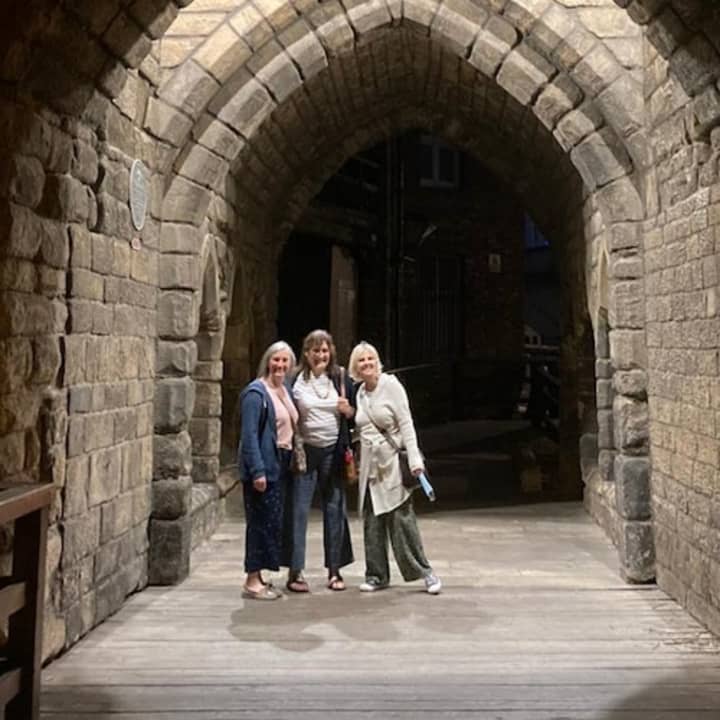
Newcastle True Crime Tour
Fri, Feb 13 • 7:00 PM
150 Grainger Street, Newcastle upon Tyne, NE1 5AF
View details

Candlelight: Bowie to Pink Floyd – Rock Ballads Tribute
Sat, Feb 14 • 7:00 PM
St Mary's Heritage Centre, Oakwellgate Gateshead, NE8 2AU
View details
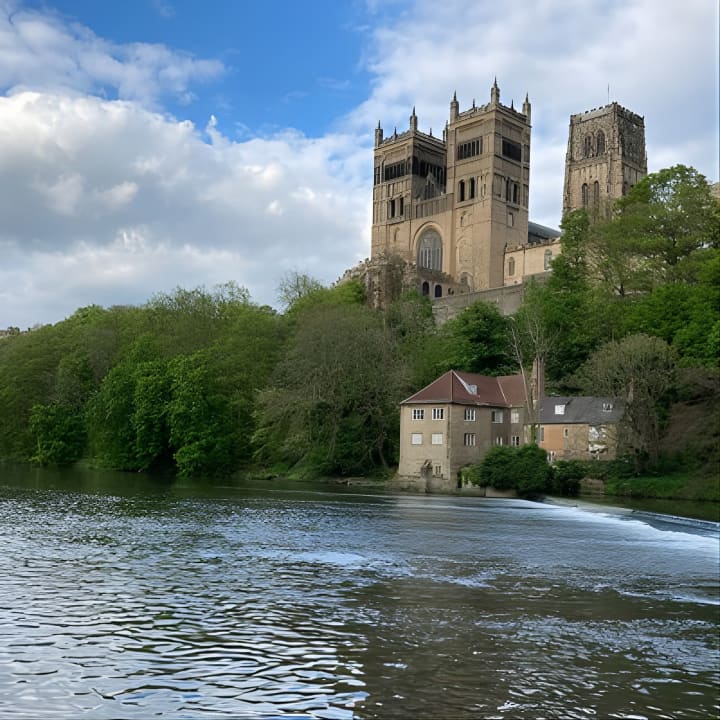
Durham’s Landmarks and Legends: A Self-Guided Audio Tour
Tue, Feb 10 • 12:00 AM
Durham, DH1
View details
Nearby attractions of Durham Castle
Durham Cathedral
Museum of Archaeology • Durham University
Durham World Heritage Site Visitor Centre
Elvet Bridge
Mr.Sly Artist
Durham Visitor Contact Centre (Telephone Service)
Prebends Bridge
Wharton Park
National Trust - Crook Hall Gardens
Seasons Gallery & Framing
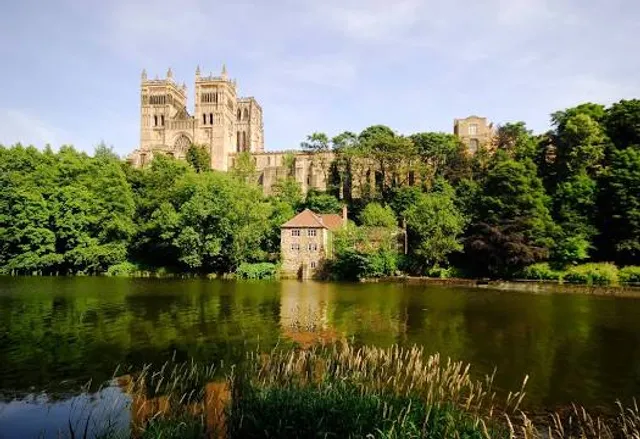
Durham Cathedral
4.8
(4.8K)
Closed
Click for details
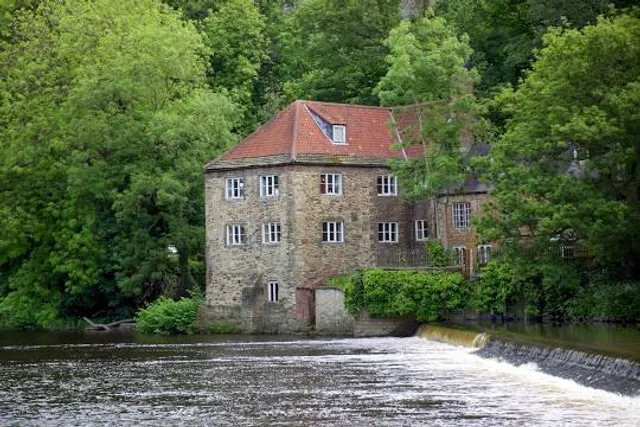
Museum of Archaeology • Durham University
4.5
(69)
Closed
Click for details
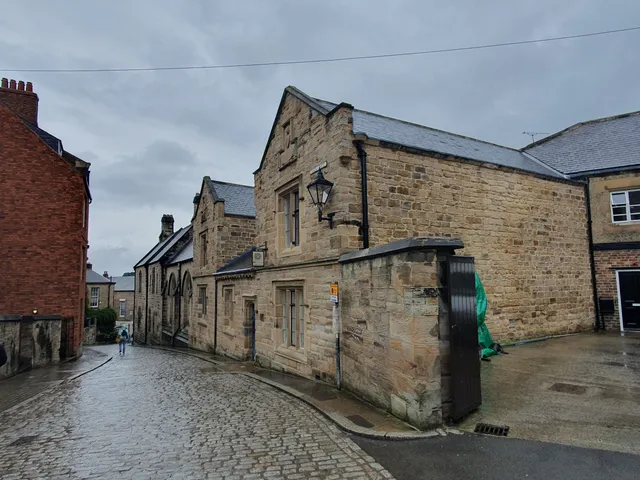
Durham World Heritage Site Visitor Centre
4.6
(39)
Closed
Click for details
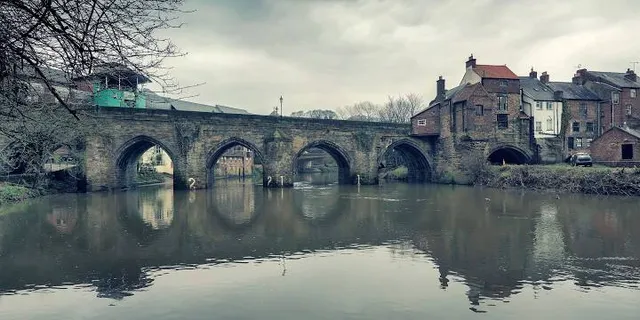
Elvet Bridge
4.7
(108)
Open until 12:00 AM
Click for details
Nearby restaurants of Durham Castle
Akarsu Turkish Restaurant & Grill
Riverview Kitchen
Fat Hippo Durham
Treats Cafe & Tea Room
La Spaghettata
Inshanghai
Flat White Kitchen
Uno Momento
Rudy's Pizza Napoletana - Durham
Cafédral Durham
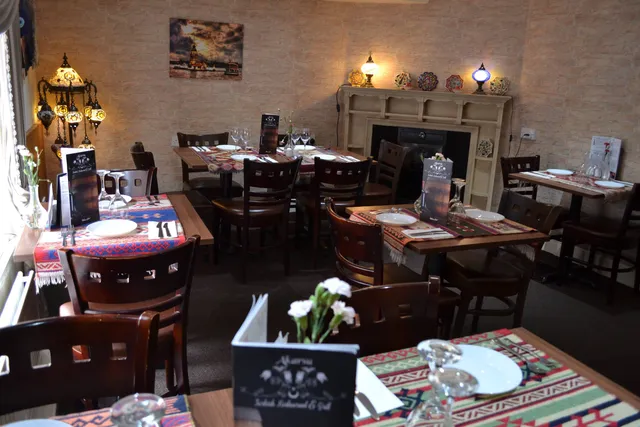
Akarsu Turkish Restaurant & Grill
4.7
(659)
Open until 9:00 PM
Click for details
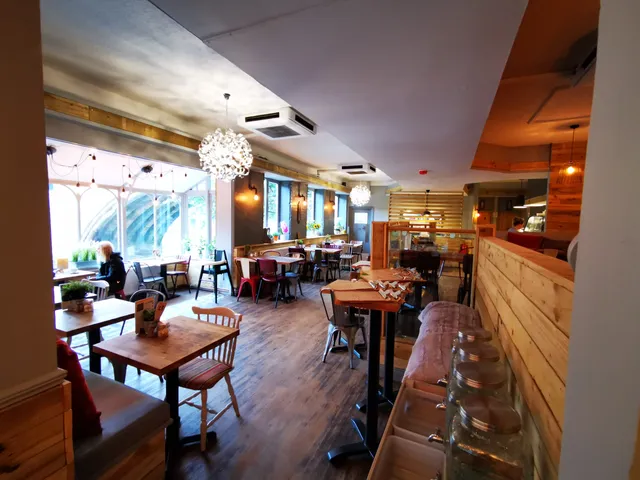
Riverview Kitchen
4.6
(483)
Closed
Click for details
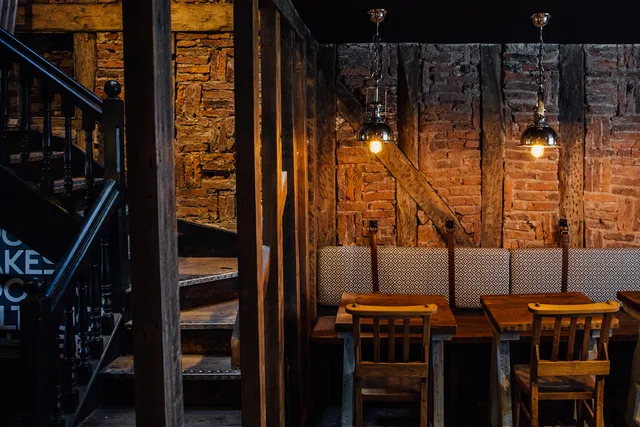
Fat Hippo Durham
4.5
(1.2K)
Open until 9:30 PM
Click for details
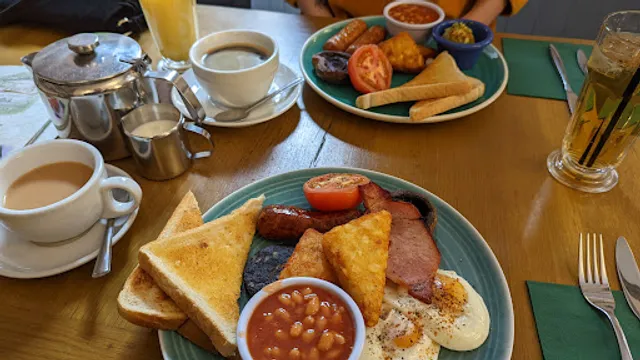
Treats Cafe & Tea Room
4.6
(435)
$
Closed
Click for details
Nearby local services of Durham Castle
The Riverwalk
Prince Bishops Place
Waterstones
CeX
Sirens beauty salon
Framwellgate Bridge
Escape Rooms Durham
The Keep Barbershop Durham
Woven Durham
Collected

The Riverwalk
4.3
(2.3K)
Click for details
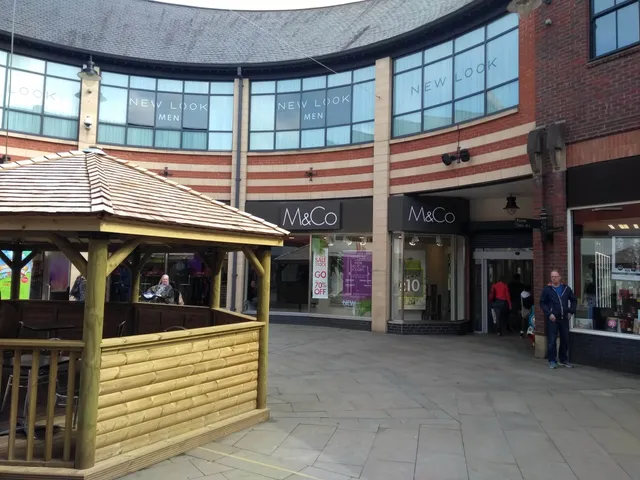
Prince Bishops Place
4.0
(1.7K)
Click for details

Waterstones
4.6
(265)
Click for details

CeX
4.2
(267)
Click for details