Museum of Archaeology • Durham University things to do, attractions, restaurants, events info and trip planning
Basic Info
Museum of Archaeology • Durham University
Palace Green Library, Durham DH1 3RN, United Kingdom
4.5(69)
Closed
Save
spot
spot
Ratings & Description
Info
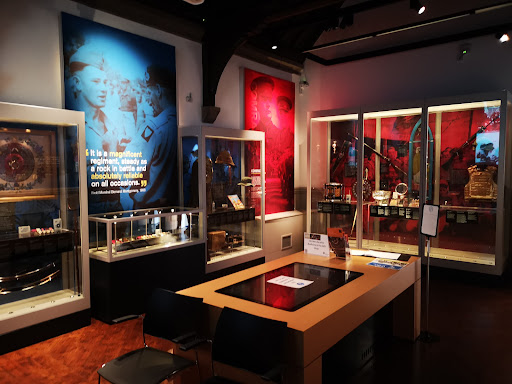
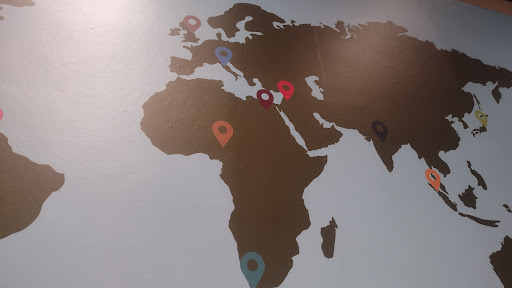
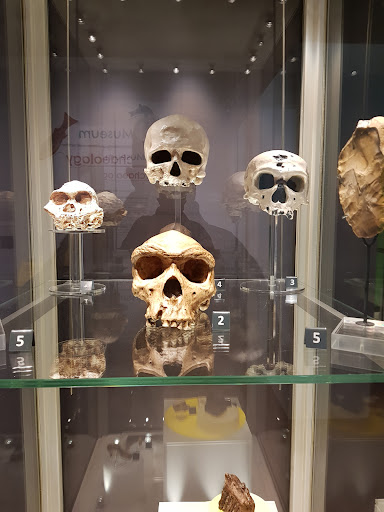
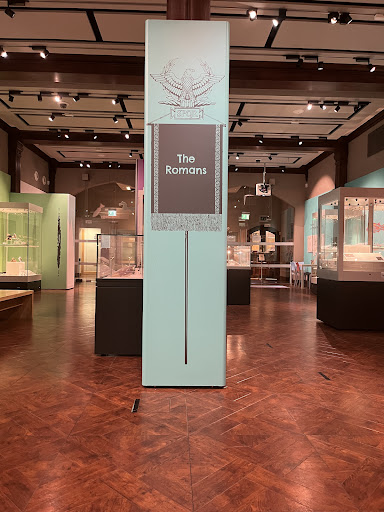
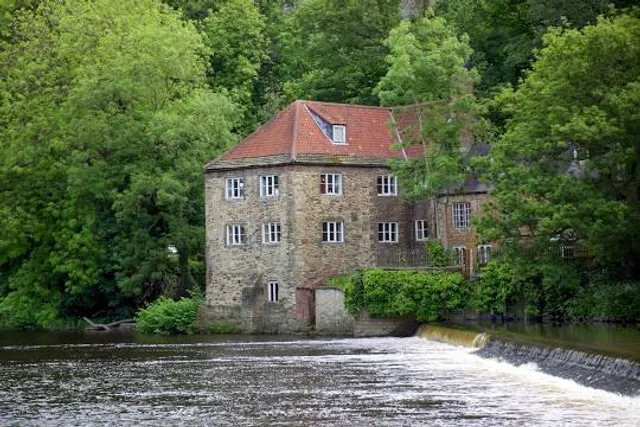
The Museum of Archaeology, founded in 1833, is the archaeology museum of Durham University in England and was the second university museum in England to be open to the public. It is mostly focused on the archaeology of north east England with some national and international artefacts.
Cultural
Family friendly
Accessibility
attractions: Durham Cathedral, Durham Castle, Durham World Heritage Site Visitor Centre, Elvet Bridge, Prebends Bridge, Durham Visitor Contact Centre (Telephone Service), Wharton Park, National Trust - Crook Hall Gardens, Redhills Durham Miners Hall, restaurants: Lebaneat, Fat Hippo Durham, Cafédral Durham, Akarsu Turkish Restaurant & Grill, Shaheens Indian, Riverview Kitchen, La Spaghettata, Flat White Kitchen, Zizzi - Durham, Tango Durham, local businesses: The Riverwalk, Palace Green, Prince Bishops Place, Waterstones, Durham Museum and Heritage Centre, The Keep Barbershop Durham, Escape Rooms Durham, Woven Durham, CeX, Sirens beauty salon
 Learn more insights from Wanderboat AI.
Phone
+44 191 334 2932
Website
dur.ac.uk
Open hoursSee all hours
Fri10 AM - 5 PMClosed
Plan your stay

Pet-friendly Hotels in City of Durham
Find a cozy hotel nearby and make it a full experience.

Affordable Hotels in City of Durham
Find a cozy hotel nearby and make it a full experience.

The Coolest Hotels You Haven't Heard Of (Yet)
Find a cozy hotel nearby and make it a full experience.

Trending Stays Worth the Hype in City of Durham
Find a cozy hotel nearby and make it a full experience.
Reviews
Live events

Candlelight: Queen vs. ABBA
Sat, Jan 31 • 7:00 PM
St Mary's Heritage Centre, Oakwellgate Gateshead, NE8 2AU
View details
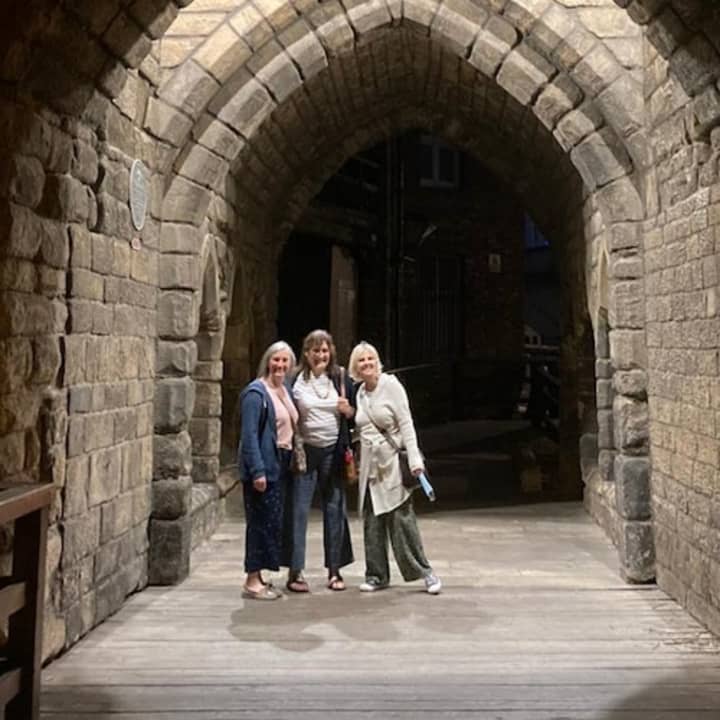
Newcastle True Crime Tour
Fri, Jan 30 • 7:00 PM
150 Grainger Street, Newcastle upon Tyne, NE1 5AF
View details

NCT Durham Bumps & Babies
Tue, Jan 20 • 10:00 AM
St Cuthbert’s Church, North Road, Durham, United Kingdom
View details
Nearby attractions of Museum of Archaeology • Durham University
Durham Cathedral
Durham Castle
Durham World Heritage Site Visitor Centre
Elvet Bridge
Prebends Bridge
Durham Visitor Contact Centre (Telephone Service)
Wharton Park
National Trust - Crook Hall Gardens
Redhills Durham Miners Hall
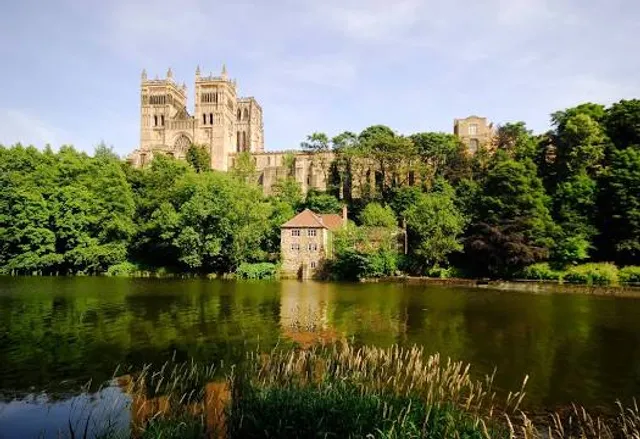
Durham Cathedral
4.8
(4.9K)
Closed
Click for details
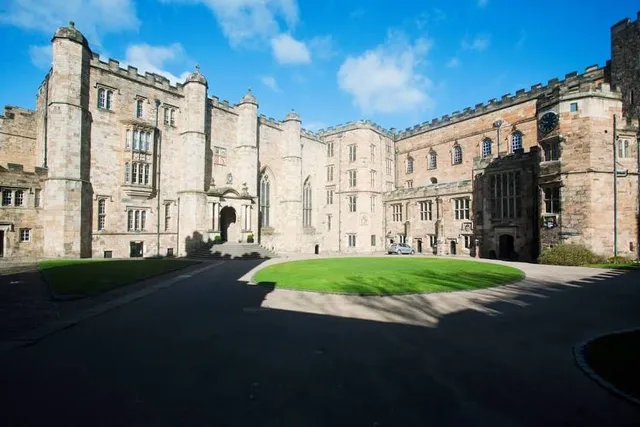
Durham Castle
4.6
(948)
Open 24 hours
Click for details
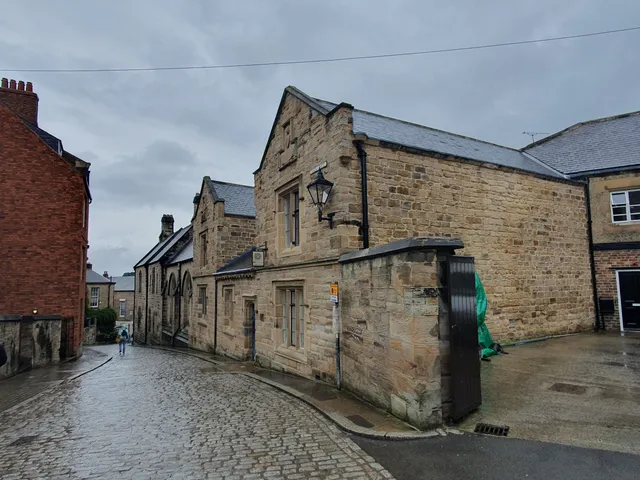
Durham World Heritage Site Visitor Centre
4.6
(38)
Closed
Click for details
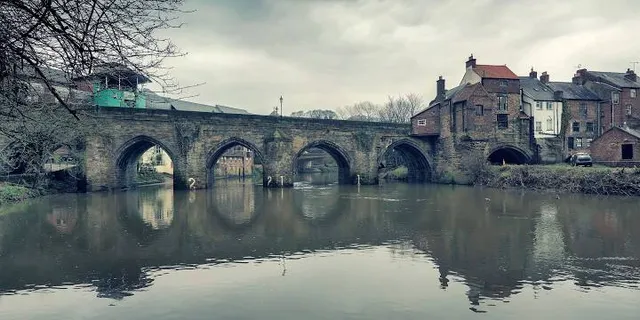
Elvet Bridge
4.7
(108)
Open until 12:00 AM
Click for details
Nearby restaurants of Museum of Archaeology • Durham University
Lebaneat
Fat Hippo Durham
Cafédral Durham
Akarsu Turkish Restaurant & Grill
Shaheens Indian
Riverview Kitchen
La Spaghettata
Flat White Kitchen
Zizzi - Durham
Tango Durham
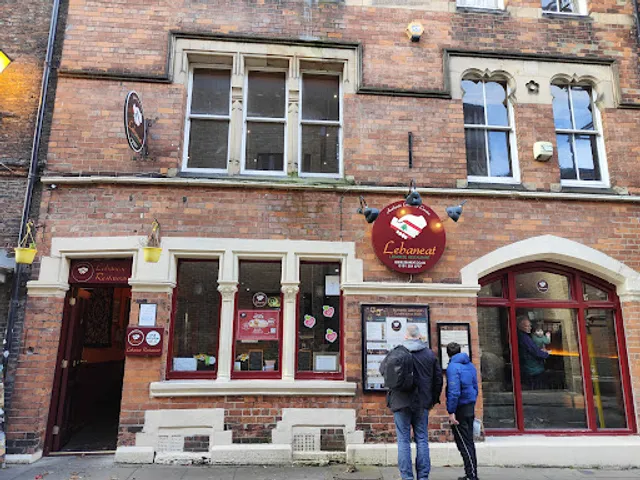
Lebaneat
4.3
(600)
Open until 11:00 PM
Click for details
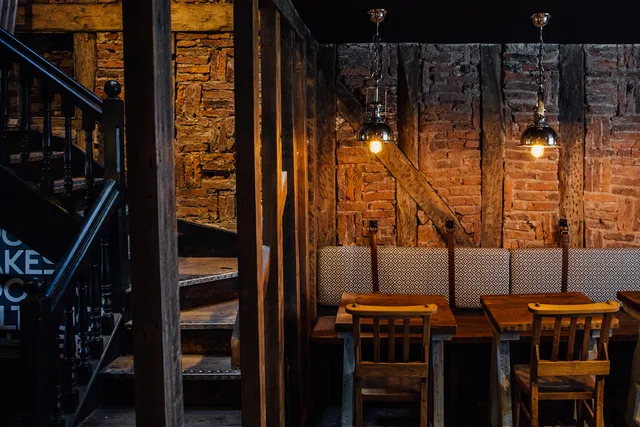
Fat Hippo Durham
4.5
(1.2K)
Open until 10:00 PM
Click for details
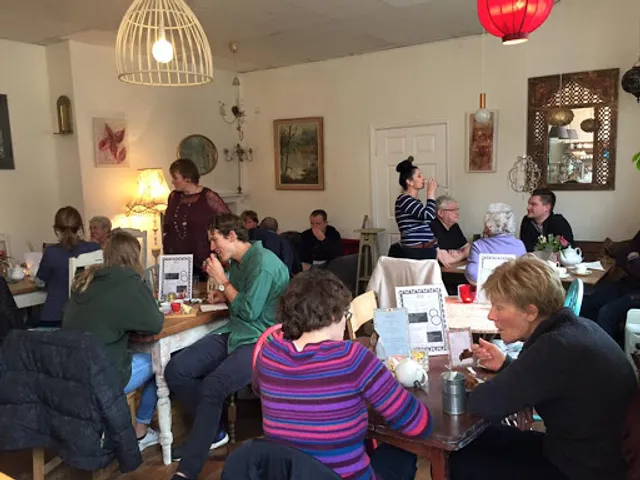
Cafédral Durham
4.7
(436)
Closed
Click for details
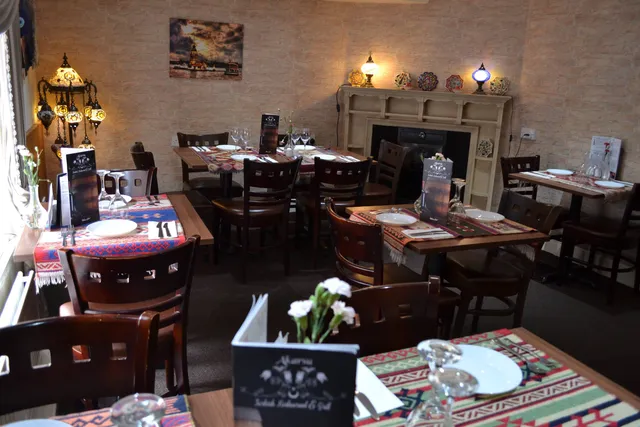
Akarsu Turkish Restaurant & Grill
4.7
(659)
Closed
Click for details
Nearby local services of Museum of Archaeology • Durham University
The Riverwalk
Palace Green
Prince Bishops Place
Waterstones
Durham Museum and Heritage Centre
The Keep Barbershop Durham
Escape Rooms Durham
Woven Durham
CeX
Sirens beauty salon

The Riverwalk
4.3
(2.2K)
Click for details
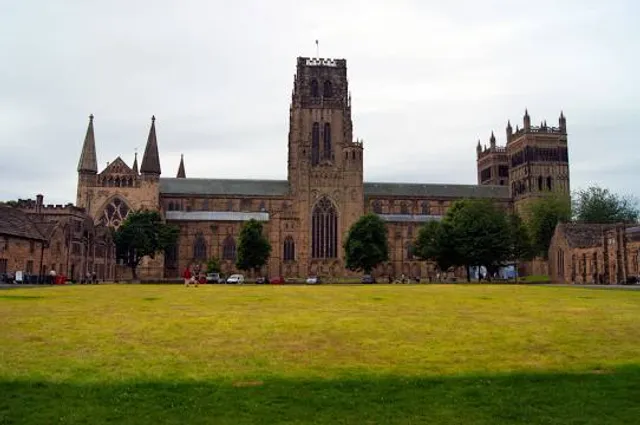
Palace Green
4.7
(44)
Click for details
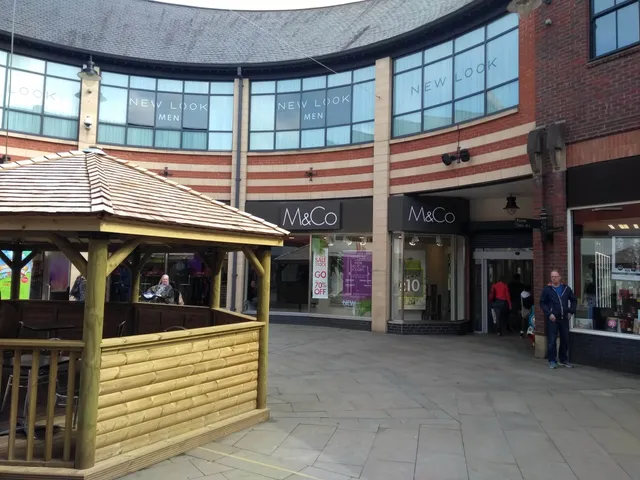
Prince Bishops Place
4.0
(1.7K)
Click for details

Waterstones
4.6
(247)
Click for details