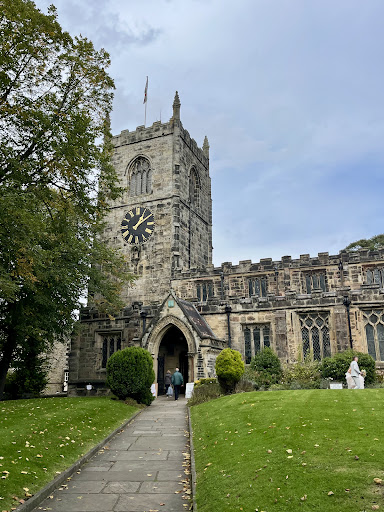
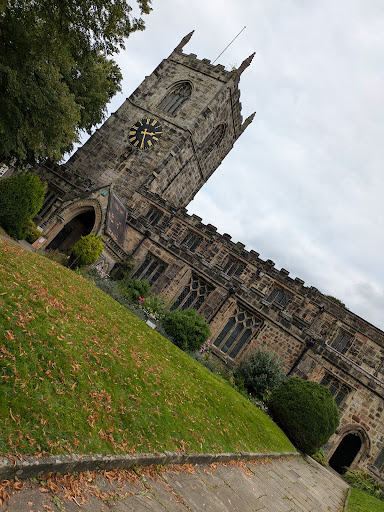
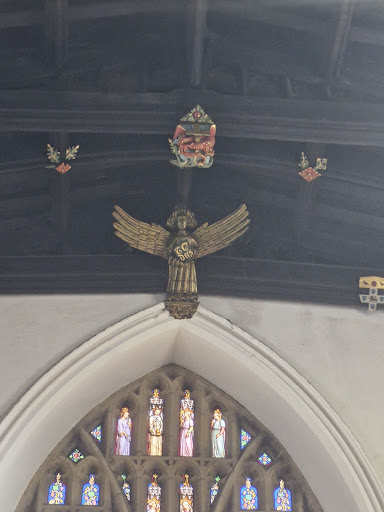
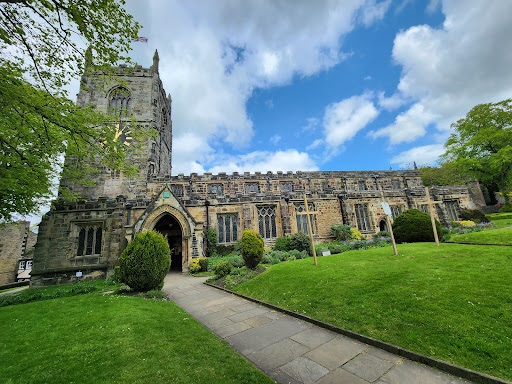
Holy Trinity Church things to do, attractions, restaurants, events info and trip planning
Basic Info
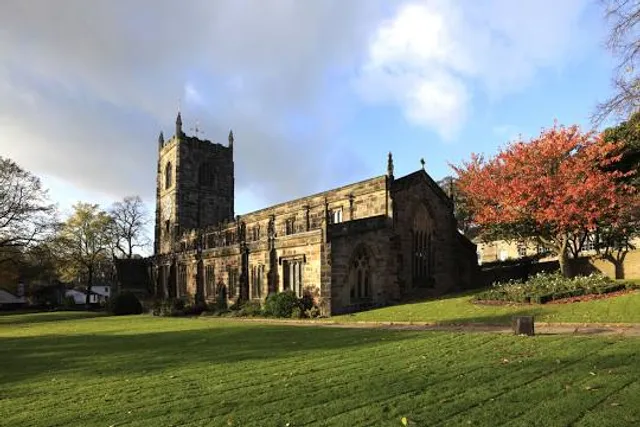
Holy Trinity Church
1A Mill Bridge, Skipton BD23 1NJ, United Kingdom
4.6(62)
Closed
Save
spot
spot
Ratings & Description
Info
Cultural
Accessibility
attractions: Skipton Castle, Skipton Town Hall, Craven Museum & Gallery, Mill Bridge Gallery, Skipton Visitor Centre, AC Gallery, Skipton Castle Woods, restaurants: Blackhorse Skipton, Alexander's Grand Café, Bar & Terrace, The Castle Inn, Two Sisters Bar & Kitchen, Efendy, Coffee & Clay, Le Bistro Des Amis, Farmhouse Fare, Walker’s Bakery, PizzaExpress, local businesses: The Bobbin Bridal Tailoring, Walker Foster Solicitors, Sarsaparilla's, Craven Court Shopping Centre, The Home Company, Pavers Shoes, Mountain Warehouse Skipton High Street, PureGym Skipton, Skipton Auto Services, The Aisle
 Learn more insights from Wanderboat AI.
Phone
+44 1756 793622
Website
holytrinityskipton.org.uk
Open hoursSee all hours
Fri8:30 AM - 5 PMClosed
Plan your stay

Pet-friendly Hotels in Embsay with Eastby
Find a cozy hotel nearby and make it a full experience.

Affordable Hotels in Embsay with Eastby
Find a cozy hotel nearby and make it a full experience.

The Coolest Hotels You Haven't Heard Of (Yet)
Find a cozy hotel nearby and make it a full experience.

Trending Stays Worth the Hype in Embsay with Eastby
Find a cozy hotel nearby and make it a full experience.
Reviews
Live events
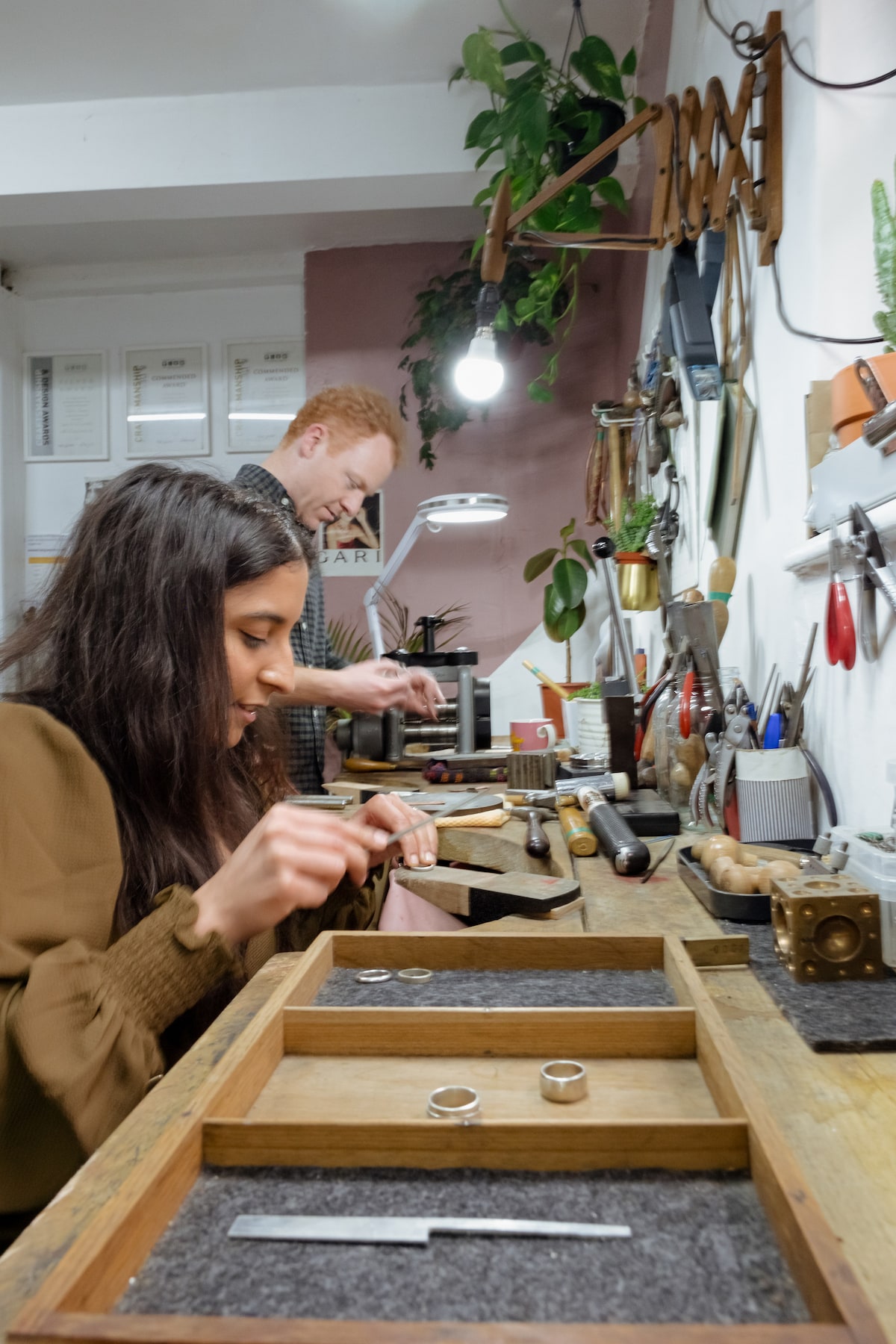
Design and craft a silver ring
Fri, Feb 27 • 12:00 PM
North Yorkshire, BD23 1DZ, United Kingdom
View details
Bradford Murder Mystery: Death in the Shadows
Sun, Feb 1 • 12:00 AM
37046 Bridge Street, Bradford, BD1 1SD
View details

One of only about TWO CAMRA Beer Festivals in Yorkshire this year.
Thu, Feb 26 • 12:00 PM
Victoria Hall, Victoria Rd,City of Bradford, Bradford, United Kingdom
View details
Nearby attractions of Holy Trinity Church
Skipton Castle
Skipton Town Hall
Craven Museum & Gallery
Mill Bridge Gallery
Skipton Visitor Centre
AC Gallery
Skipton Castle Woods
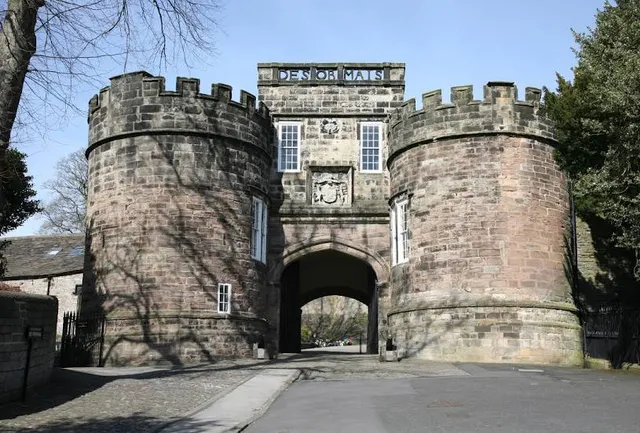
Skipton Castle
4.5
(2.4K)
Closed
Click for details

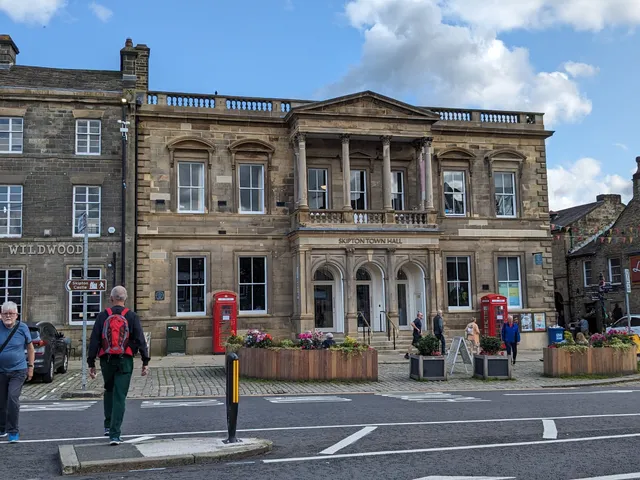
Skipton Town Hall
4.6
(134)
Closed
Click for details
Craven Museum & Gallery
4.6
(82)
Closed
Click for details
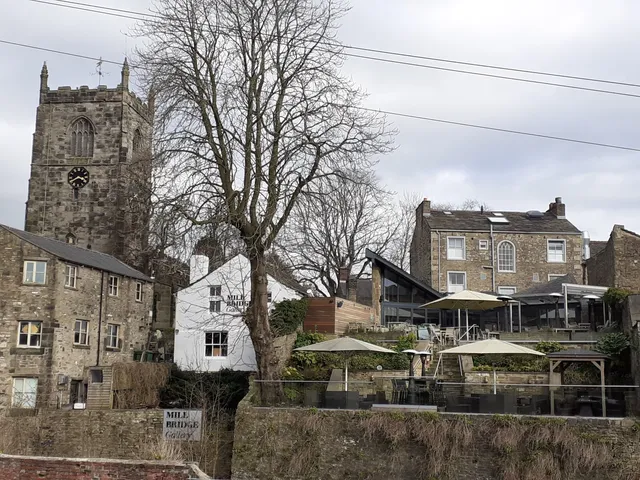
Mill Bridge Gallery
4.8
(25)
Closed
Click for details
Nearby restaurants of Holy Trinity Church
Blackhorse Skipton
Alexander's Grand Café, Bar & Terrace
The Castle Inn
Two Sisters Bar & Kitchen
Efendy
Coffee & Clay
Le Bistro Des Amis
Farmhouse Fare
Walker’s Bakery
PizzaExpress
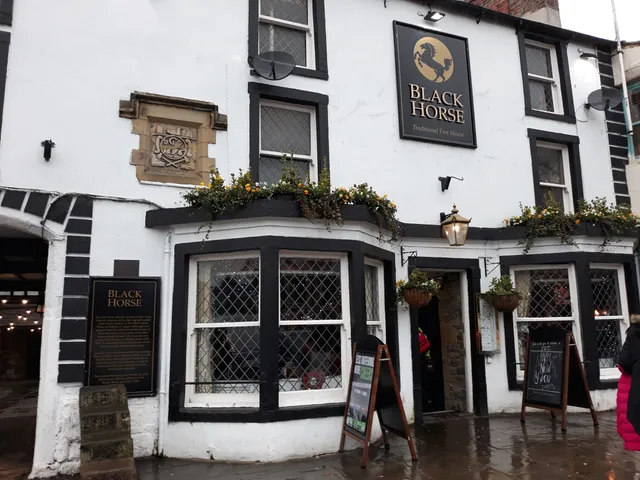
Blackhorse Skipton
4.0
(769)
Closed
Click for details
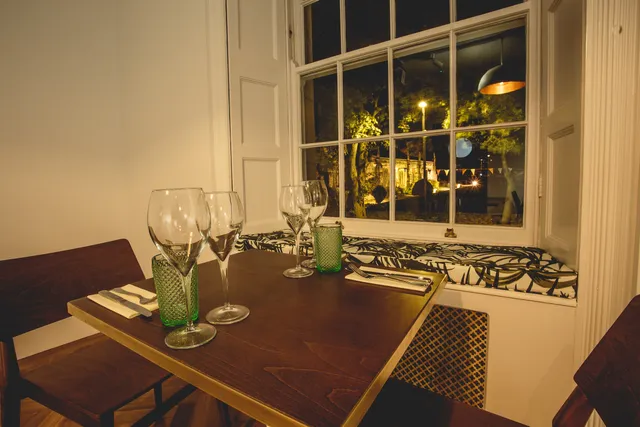
Alexander's Grand Café, Bar & Terrace
4.3
(382)
$$$
Open until 12:00 AM
Click for details
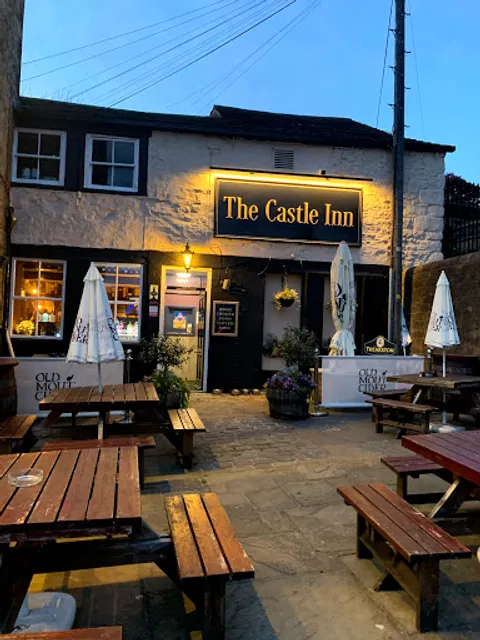
The Castle Inn
4.5
(738)
Closed
Click for details
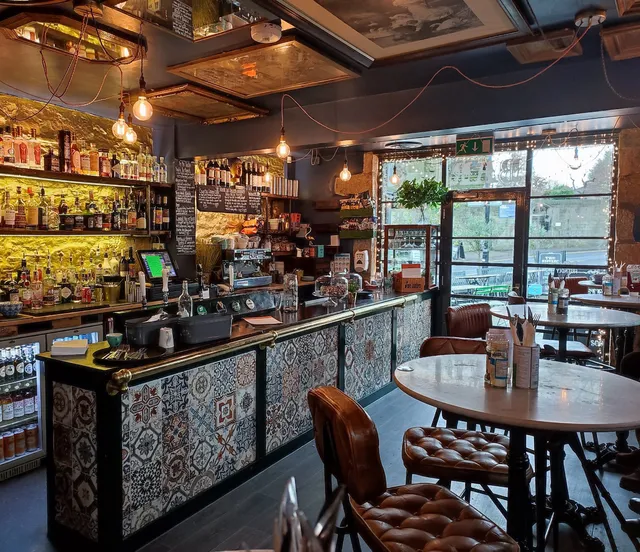
Two Sisters Bar & Kitchen
4.7
(311)
Closed
Click for details
Nearby local services of Holy Trinity Church
The Bobbin Bridal Tailoring
Walker Foster Solicitors
Sarsaparilla's
Craven Court Shopping Centre
The Home Company
Pavers Shoes
Mountain Warehouse Skipton High Street
PureGym Skipton
Skipton Auto Services
The Aisle

The Bobbin Bridal Tailoring
5.0
(71)
Click for details

Walker Foster Solicitors
4.6
(93)
Click for details

Sarsaparilla's
4.8
(42)
Click for details

Craven Court Shopping Centre
4.4
(639)
Click for details