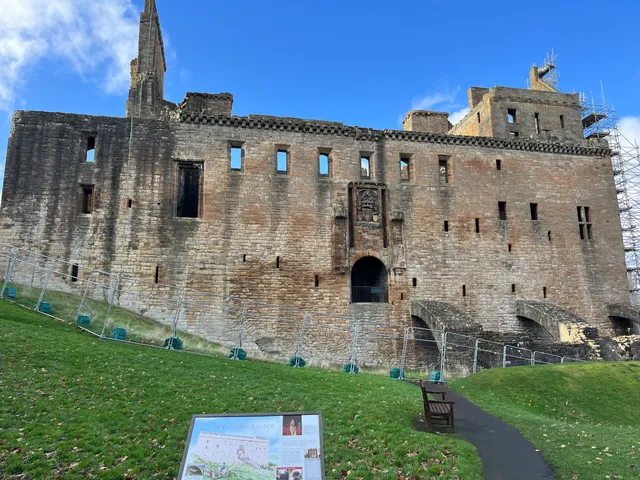
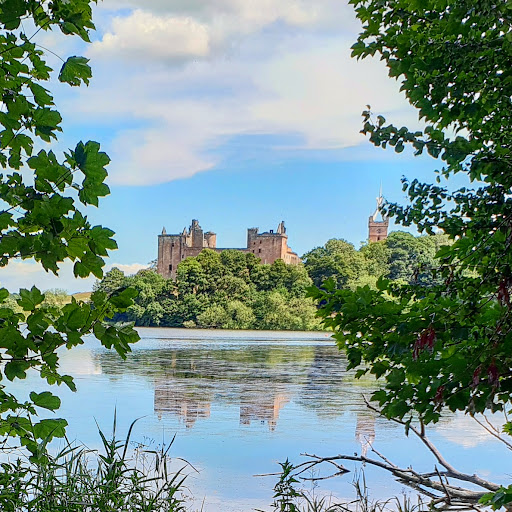
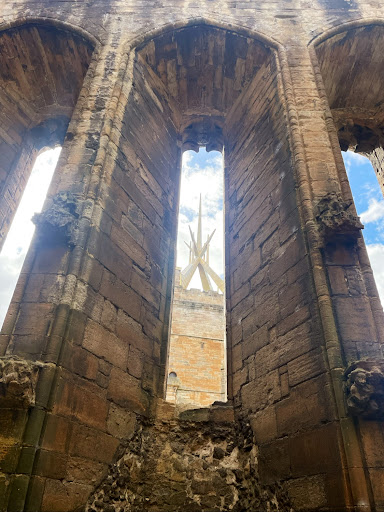
Linthgow Palace is a historically significant landmark located in Linlithgow, Scotland. It was the birthplace of Mary, Queen of Scots, and was used as a residence by Scottish monarchs for centuries. The palace was built in the 15th century by James I of Scotland and has gone through many transformations over the years.
Originally, the palace was a grand fortress meant to protect the Scottish monarchs from invading armies. The first significant addition to the palace was made during the reign of James III when his wife, Queen Margaret, had a chapel built in the French Gothic style.
During the 16th century, the palace went through major renovations under the direction of James V. He added a grand hall, a new chapel, a royal apartment, and an elaborate fountain. The palace was at the height of its grandeur during this time.
Following the death of James V, the palace went through a period of decline. Mary, Queen of Scots, spent her childhood at the palace, but it was not her preferred residence. She preferred the more modern and comfortable accommodations at Holyrood Palace in Edinburgh.
In the 17th century, after the Union of the Crowns, the palace was used less frequently and fell into disrepair. The palace was used as a military barracks during the Jacobite uprisings and was heavily damaged by a fire in 1746.
Despite its decline, the palace has remained an important landmark and a source of pride for the Scottish people. In the 19th and 20th centuries, there were several restoration projects to preserve the palace’s remaining structures, including the grand hall, the fountain, and the chapel.
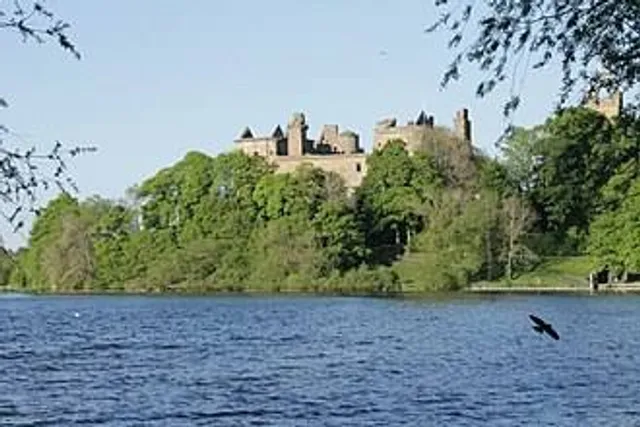
Today, Linthgow Palace is a popular tourist destination and a must-see attraction for history enthusiasts. Visitors can explore the remaining walls and towers of the palace while taking in the stunning views of the surrounding countryside.
Overall, Linthgow Palace is a symbol of Scottish history and a reminder of Scotland’s long and complex relationship with its monarchs. Its grand architecture and rich history have made it a beloved landmark and an important cultural site.
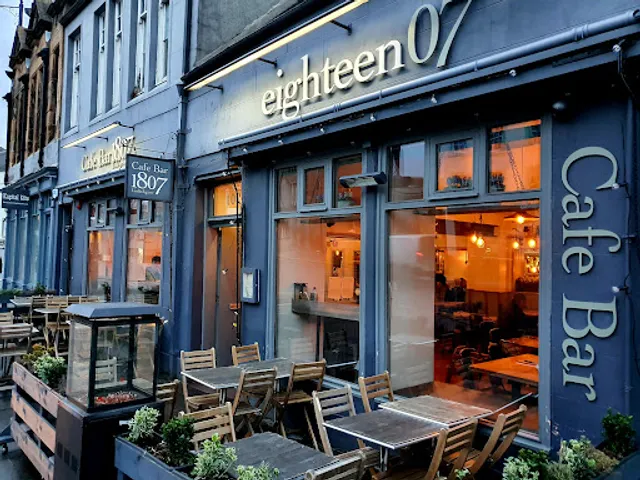
Stunning historic building with a lot of Scottish history set in the back drop of a beautiful lock and great restaurant and pubs near by I...
Read moreThis is an exceptional gem in the wonderful town of Linlithgow, West Lothian, Scotland. The Palace is the Birthplace of the famous Scottish Monarch Mary Queen of Scots and there is interesting information about her as you walk round the place. There are a number of interesting rooms you can see such as The Royal Apartments, Chapel, Kitchen & The Cellars where you can imagine how people lived lavishly during the Medieval Period and also where drinks such as wine were stored. There are informative interesting information boards in which of the rooms giving you further information about their uses and how people lived whilst at the Palace. The stand out feature inside the Palace is The Fountain as you walk into the Courtyard area of the Palace as the decorative detail is simply outstanding and also in marvellous condition considering its age and also the Courtyard gives you great panoramic views of the internal area of the Palace. Visitors can climb to the top of one of the towers and enjoy breathtaking views of the Loch and the surrounding area. You can also wander around the Loch and Parkland surrounding the Palace and admire its amazing breathtaking architecture and also see the magnificent statue of Mary Queen of Scots. There is an audio guide you can enjoy from online giving you more amazing informative facts of the Palace and Mary Queen of Scots. There is a gift shop selling a wonderful range of souvenirs at reasonable prices. Overall this is a thoroughly brilliant and marvellous place to visit and makes for a memorable day out to learn about the famous Monarch of Scotland and the place of her birth. Well worth a visit if in the West...
Read moreI recently visited Linlithgow Palace with my family, and we had a wonderful time exploring this historic site. We spent around an hour walking through the various rooms, and while some were closed off and had scaffolding, it didn’t detract from our experience too much. The signs around the palace were very informative, offering detailed descriptions of the different rooms, which helped bring the history to life. One highlight was the object room, which had samples of original pottery and weapons that were excavated. These were particularly interesting and gave great insight into the palace's past. We particularly liked the rooms with large fireplaces and had fun imagining how cosy they would have been with a roaring fire.
The staff we interacted with were friendly and helpful, which made the visit even more enjoyable. The gift shop closed around 15:15 so we didn't make it in time, and left the palace as it was closing at 16:00. We used the toilet on the way out, of which there was only one available and it didn't flush.
For a family of four, the £18 entry fee felt very reasonable, especially given the beautiful surroundings and the rich history of the palace. The views of the palace steeple and the nearby loch were stunning, making the visit even more memorable. After exploring the palace, we took a lovely walk around the loch, where we were able to spot ducks and swans, adding a peaceful touch to our day.
Overall, Linlithgow Palace is a fantastic place to visit, and I’d definitely return for another visit. Highly recommended for anyone interested in Scottish history and...
Read more