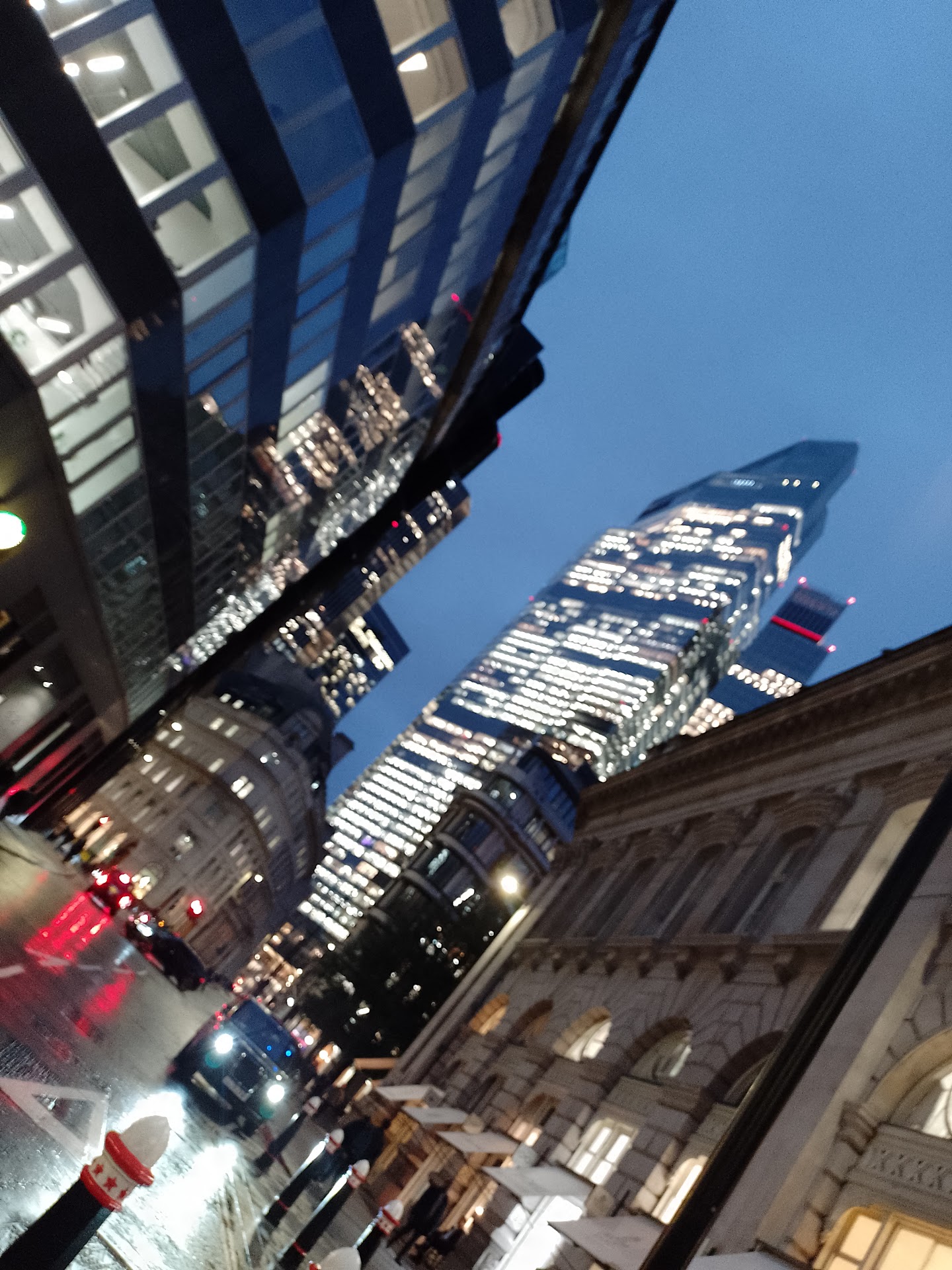
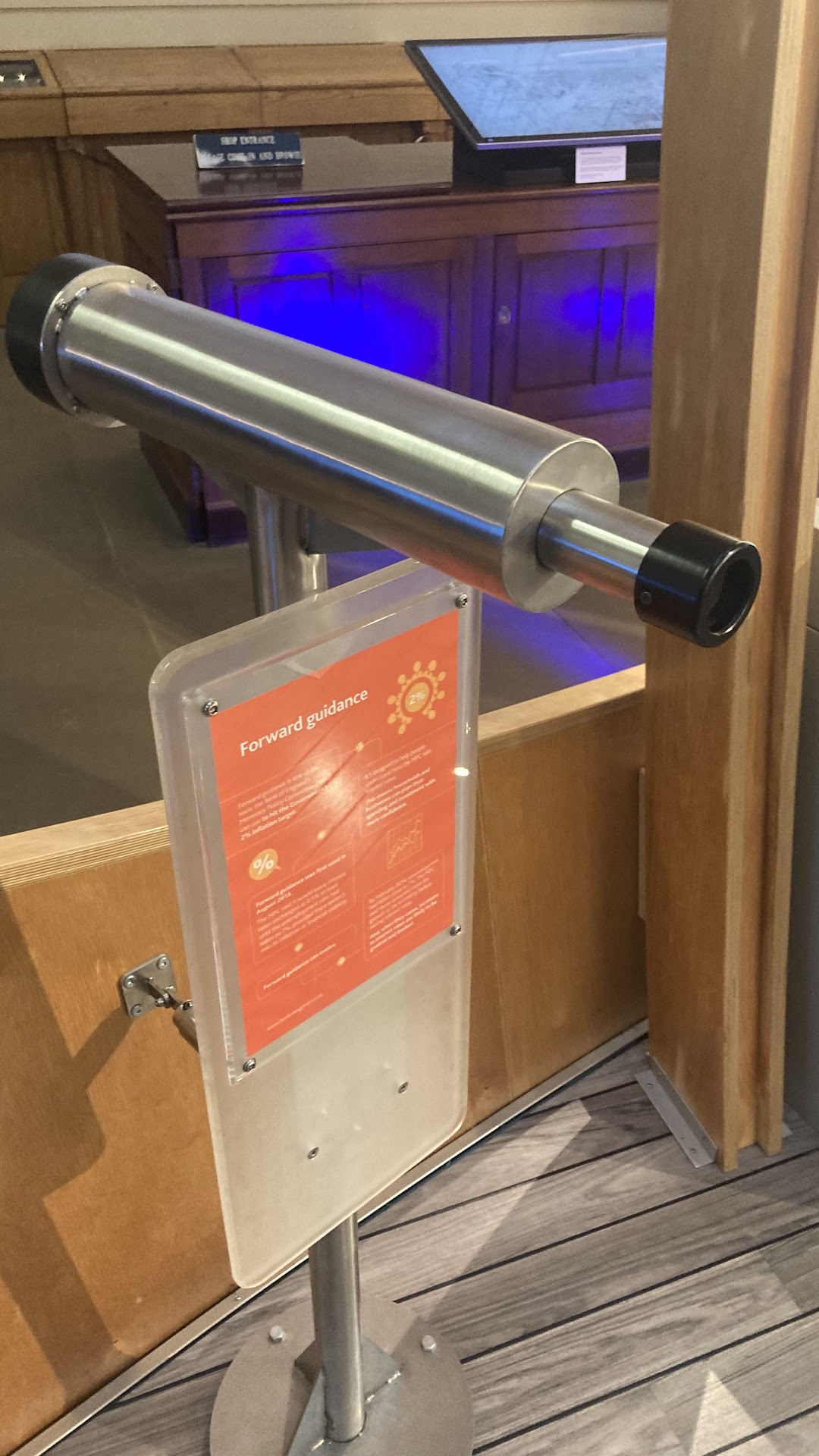
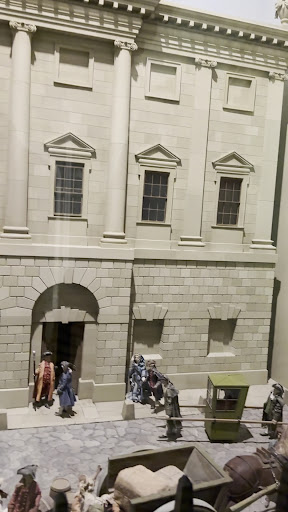
Bank of England Museum things to do, attractions, restaurants, events info and trip planning
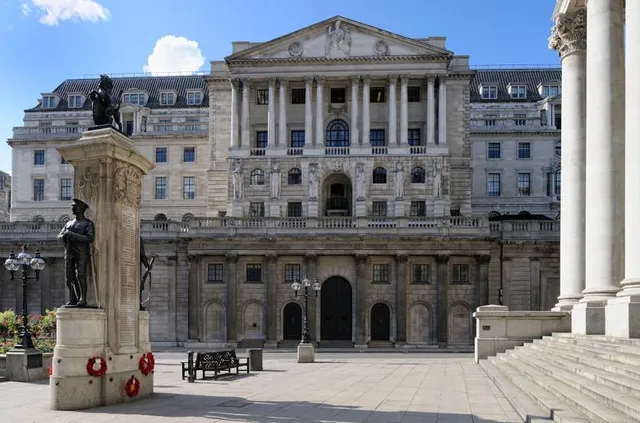
Basic Info
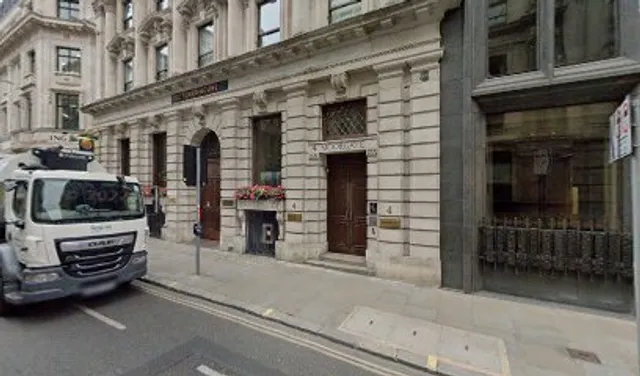
Bank of England Museum
Bartholomew Ln, London EC2R 8AH, United Kingdom
4.5(1.2K)
Closed
Save
spot
spot
Ratings & Description
Info
The Bank of England Museum, located within the Bank of England in the City of London, is home to a collection of diverse items relating to the history of the Bank and the UK economy from the Bank’s foundation in 1694 to the present day. The museum is open to the public, free of charge.
Cultural
Accessibility
attractions: London Troops War Memorial, Equestrian Statue of the Duke of Wellington, London Mithraeum Bloomberg SPACE, Escape Entertainment London, Horizon 22, The Fenchurch Building (The Walkie-Talkie), Mansion House, Monument to the Great Fire of London, St Michael Cornhill, IMPRINT Church London: St Mary Woolnoth, restaurants: Le Relais de Venise l'Entrecôte, Burger & Lobster Threadneedle Street, The Libertine Restaurant & Bar, Mint Leaf London, Forge, COYA City, Simmons Bar | Bank, Brasserie Blanc - Threadneedle Street, 1 Lombard Street Bar & Restaurant, Honest Burgers Bank, local businesses: Bank of England, The Royal Exchange, Royal Exchange Jewellers, The TokenHouse, Puttshack Bank, TK Maxx, Jo Malone London, 22 Bishopsgate, Ted's Grooming Room, Chinese Visa Application Service Centre
 Learn more insights from Wanderboat AI.
Phone
+44 20 3461 5545
Website
bankofengland.co.uk
Open hoursSee all hours
Fri10 AM - 5 PMClosed
Plan your stay

Pet-friendly Hotels in London
Find a cozy hotel nearby and make it a full experience.

Affordable Hotels in London
Find a cozy hotel nearby and make it a full experience.

The Coolest Hotels You Haven't Heard Of (Yet)
Find a cozy hotel nearby and make it a full experience.

Trending Stays Worth the Hype in London
Find a cozy hotel nearby and make it a full experience.
Reviews
Live events
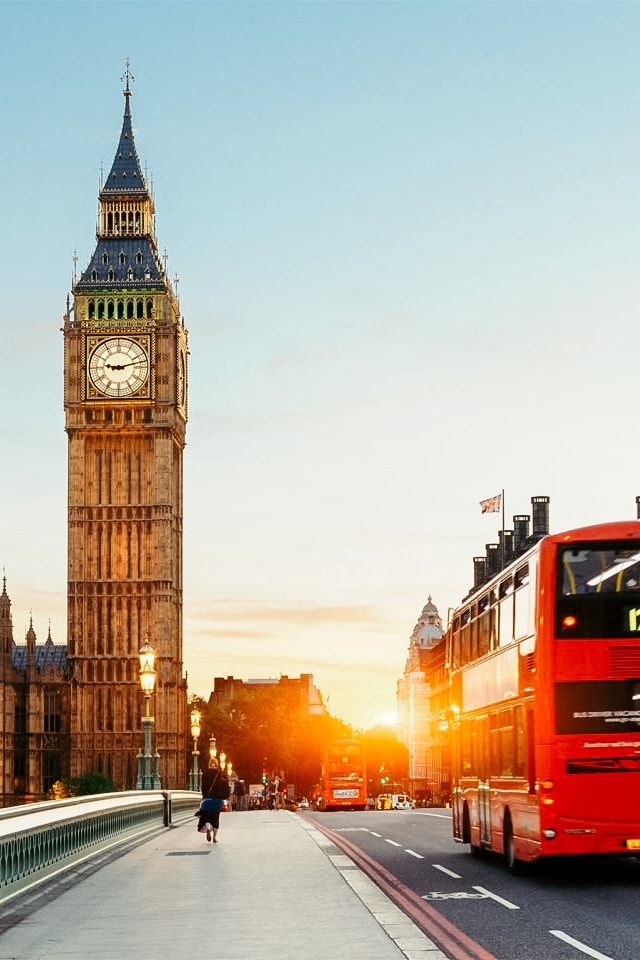
Explore 30+ London sights
Fri, Feb 6 • 3:00 PM
Greater London, W1J 9BR, United Kingdom
View details
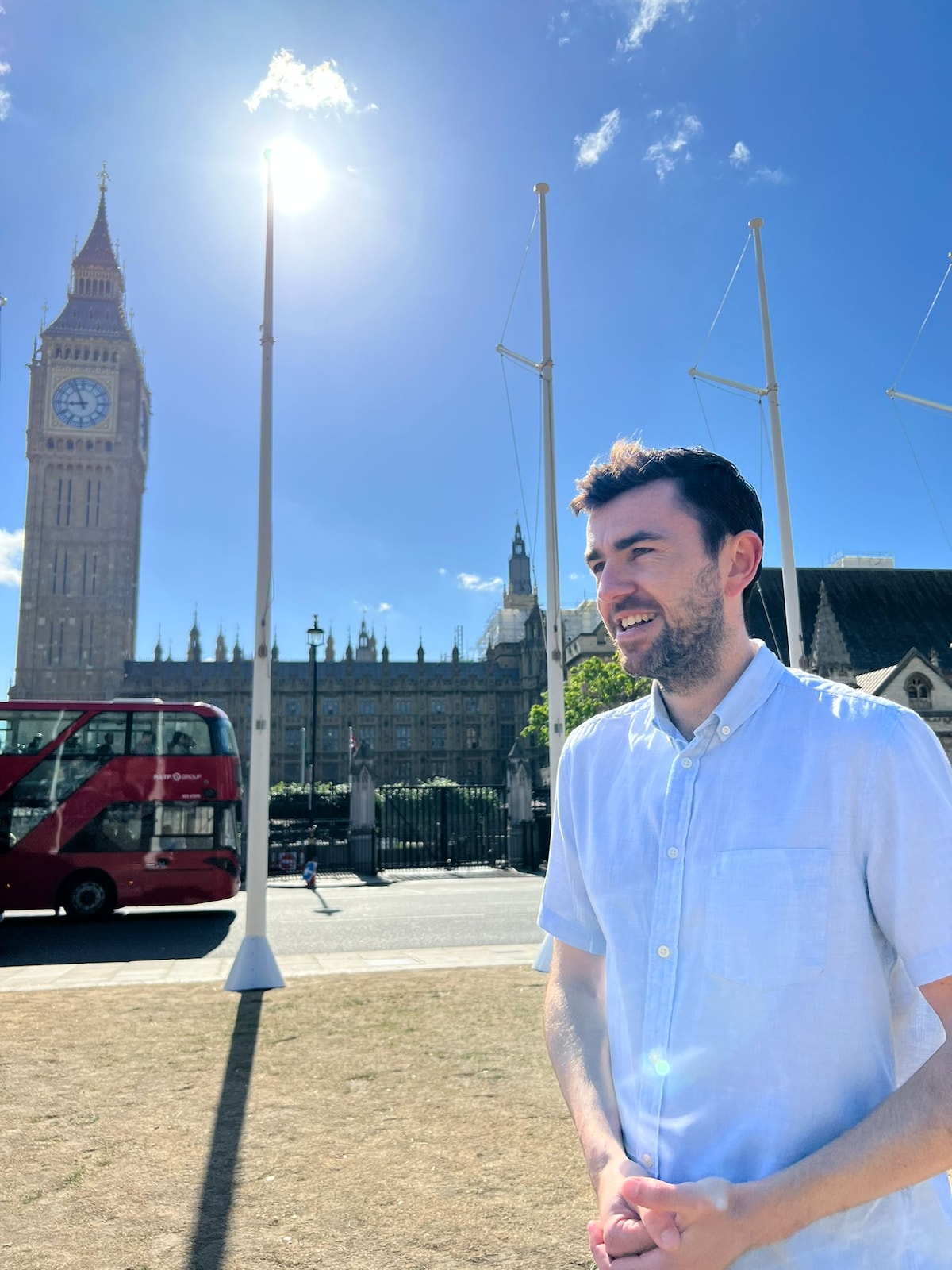
Walk London with a local - in easy English
Sun, Feb 8 • 9:30 AM
Greater London, W1J 9BT, United Kingdom
View details

London Pottery Workshop
Sat, Feb 7 • 11:00 AM
Greater London, HA0 1RQ, United Kingdom
View details
Nearby attractions of Bank of England Museum
London Troops War Memorial
Equestrian Statue of the Duke of Wellington
London Mithraeum Bloomberg SPACE
Escape Entertainment London
Horizon 22
The Fenchurch Building (The Walkie-Talkie)
Mansion House
Monument to the Great Fire of London
St Michael Cornhill
IMPRINT Church London: St Mary Woolnoth
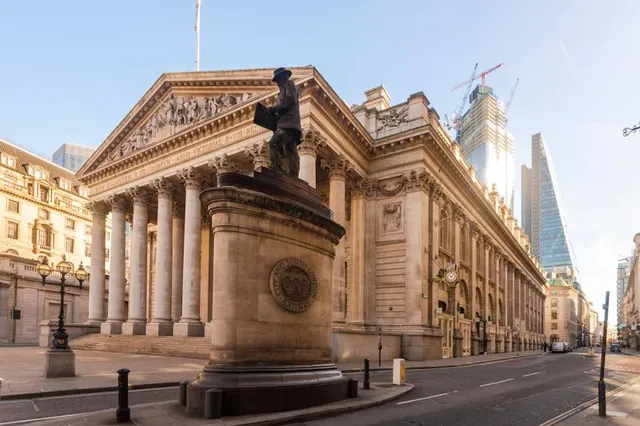
London Troops War Memorial
4.6
(101)
Open until 12:00 AM
Click for details
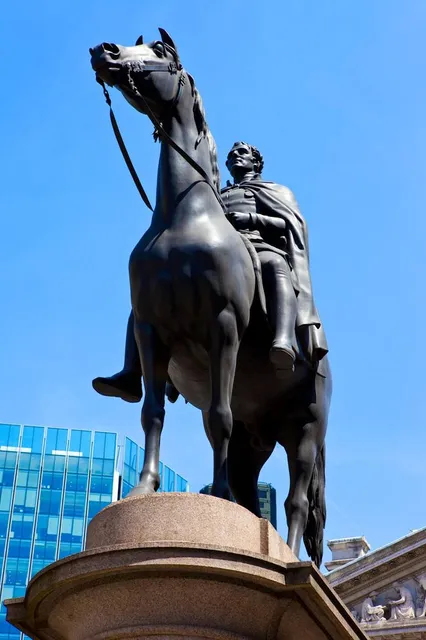
Equestrian Statue of the Duke of Wellington
4.5
(112)
Open until 12:00 AM
Click for details
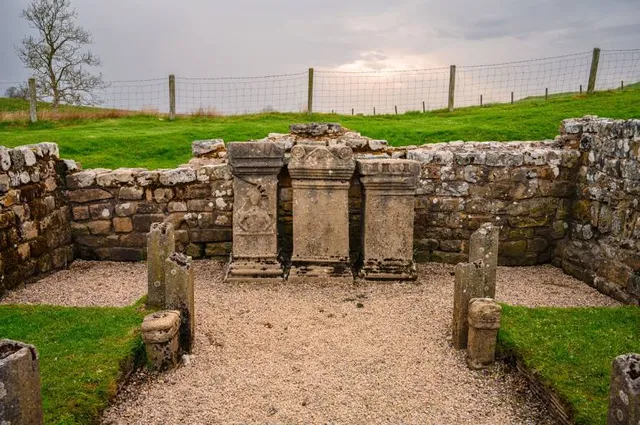
London Mithraeum Bloomberg SPACE
4.5
(1.5K)
Closed
Click for details

Escape Entertainment London
4.4
(330)
Open until 10:00 PM
Click for details
Nearby restaurants of Bank of England Museum
Le Relais de Venise l'Entrecôte
Burger & Lobster Threadneedle Street
The Libertine Restaurant & Bar
Mint Leaf London
Forge
COYA City
Simmons Bar | Bank
Brasserie Blanc - Threadneedle Street
1 Lombard Street Bar & Restaurant
Honest Burgers Bank
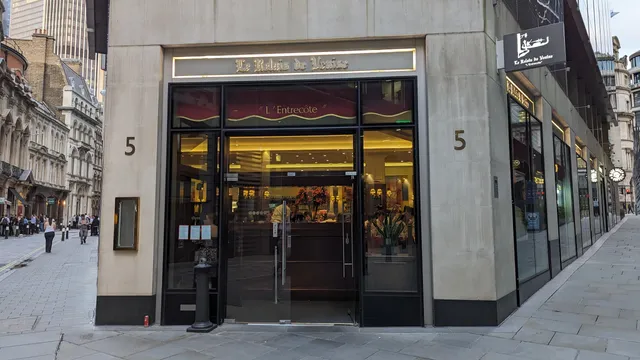
Le Relais de Venise l'Entrecôte
4.4
(1.2K)
Open until 10:00 PM
Click for details
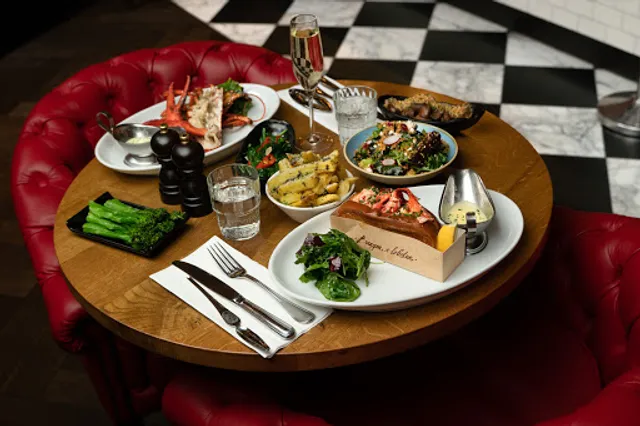
Burger & Lobster Threadneedle Street
4.6
(2.6K)
$$
Open until 10:00 PM
Click for details
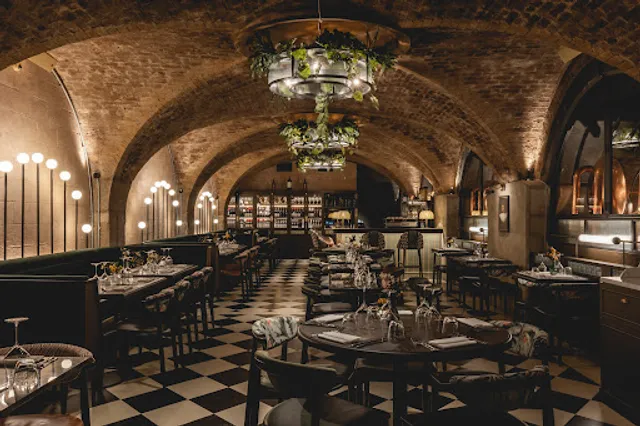
The Libertine Restaurant & Bar
4.7
(655)
Open until 12:00 AM
Click for details
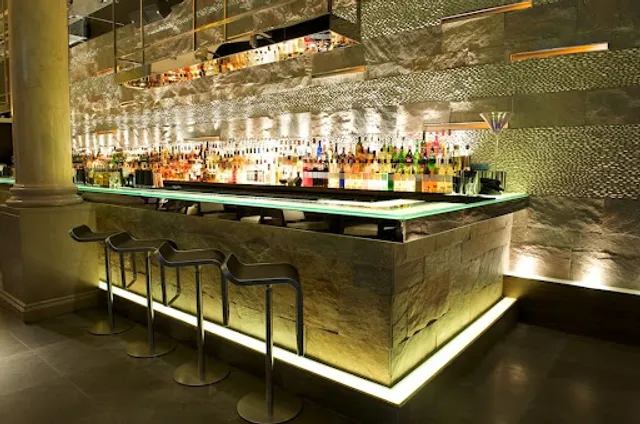
Mint Leaf London
4.4
(697)
$$$
Open until 11:00 PM
Click for details
Nearby local services of Bank of England Museum
Bank of England
The Royal Exchange
Royal Exchange Jewellers
The TokenHouse
Puttshack Bank
TK Maxx
Jo Malone London
22 Bishopsgate
Ted's Grooming Room
Chinese Visa Application Service Centre
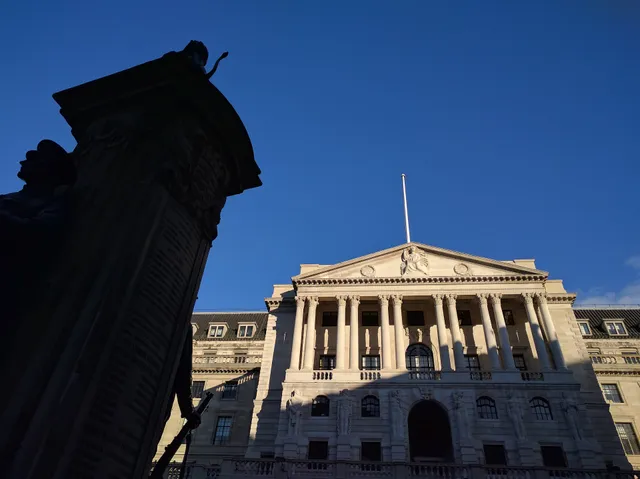
Bank of England
4.0
(1.2K)
Click for details
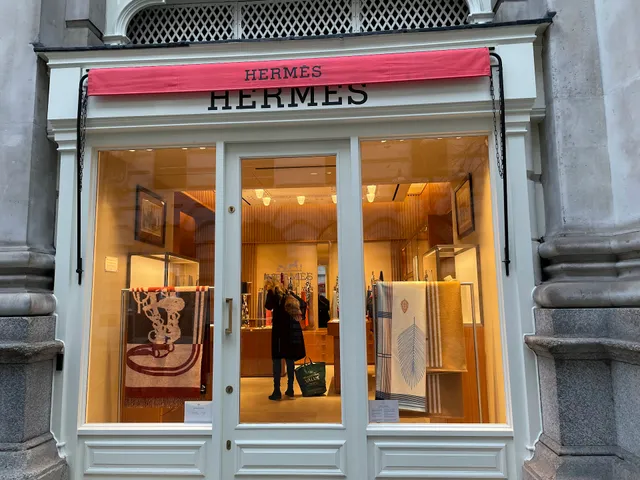
The Royal Exchange
4.5
(898)
Click for details
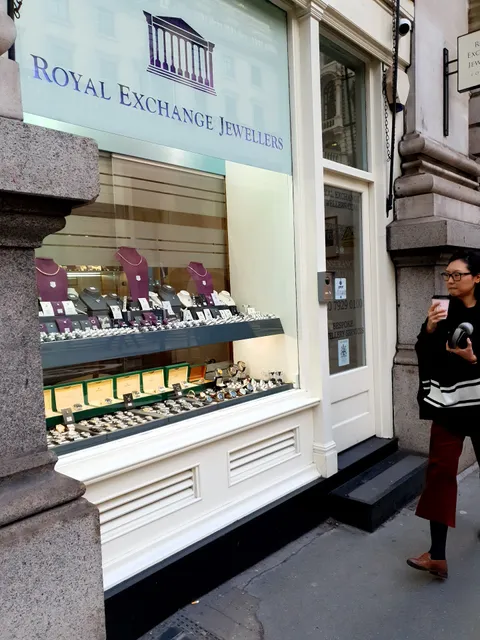
Royal Exchange Jewellers
4.4
(145)
Click for details
The TokenHouse
4.1
(550)
Click for details


The hit list

Plan your trip with Wanderboat
Welcome to Wanderboat AI, your AI search for local Eats and Fun, designed to help you explore your city and the world with ease.
Powered by Wanderboat AI trip planner.