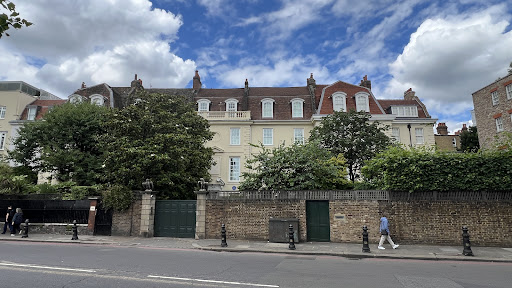
Lindsey House things to do, attractions, restaurants, events info and trip planning
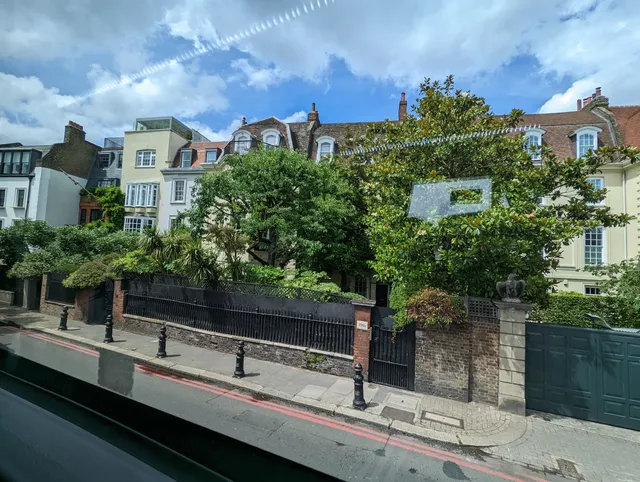
Basic Info
Lindsey House
100 Cheyne Walk, London SW10 0DQ, United Kingdom
3.5(8)
Open 24 hours
Save
spot
spot
Ratings & Description
Info
Cultural
Scenic
Family friendly
Accessibility
attractions: Crosby Moran Hall, Chelsea Muslim Community Hub, Chelsea Old Church, Cremorne Gardens, Silian Gallery, National Trust - Carlyle's House, SIGNET CONTEMPORARY ART, St Mary's Church, Battersea, Chelsea Embankment Gardens, JGM Gallery, restaurants: Mucci's, Mestizo Chelsea: Mexican Restaurant & Margarita Bar, Bluebird Chelsea, Bottarga, Chelsea Grill, Medlar, Frantoio By Bucci, Diba Persian Restaurant (Chelsea), Big Easy Bar.B.Q & Crabshack - Chelsea, The Pig's Ear, local businesses: Chelsea Bikes, Backstage Chelsea, Leyland SDM Chelsea | Decorating & DIY, Chelsea All In One Spa, Toqqa Hair Salon Chelsea, HK London Hair ✂, Worlds End Bookshop, Rococo Chocolates King's Road, Cadogan Arms, Margaret Dabbs London
 Learn more insights from Wanderboat AI.
Phone
+44 20 7799 4553
Website
nationaltrust.org.uk
Plan your stay

Pet-friendly Hotels in London
Find a cozy hotel nearby and make it a full experience.

Affordable Hotels in London
Find a cozy hotel nearby and make it a full experience.

The Coolest Hotels You Haven't Heard Of (Yet)
Find a cozy hotel nearby and make it a full experience.

Trending Stays Worth the Hype in London
Find a cozy hotel nearby and make it a full experience.
Reviews
Live events
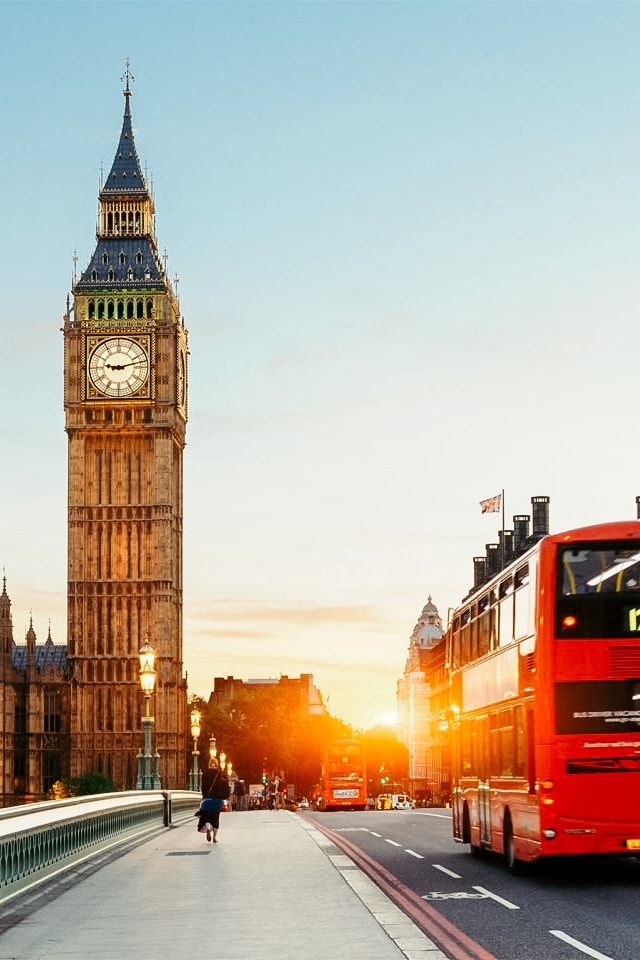
Explore 30+ London sights
Wed, Feb 11 • 10:00 AM
Greater London, W1J 9BR, United Kingdom
View details
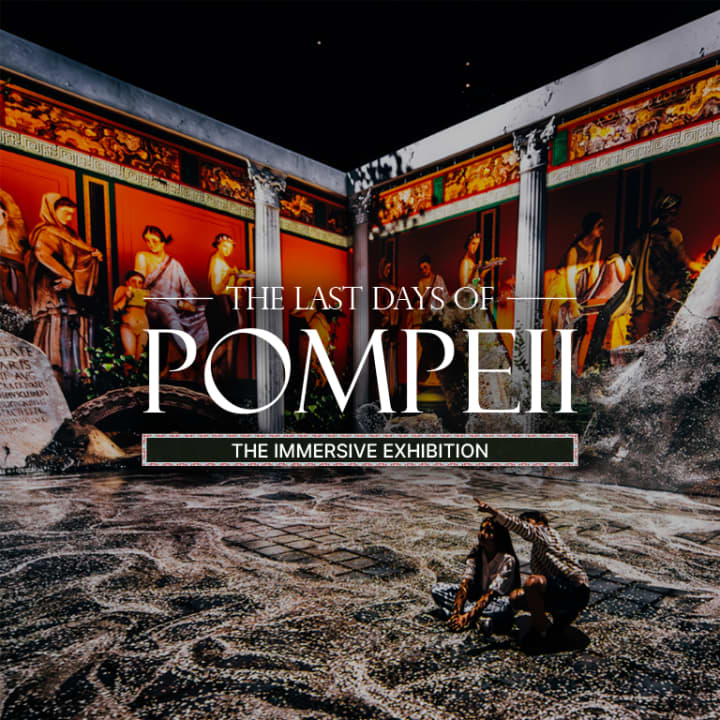
The Last Days of Pompeii: The Immersive Exhibition
Wed, Feb 11 • 10:00 AM
Royal Victoria Dock 1 Western Gateway, E16 1XL
View details
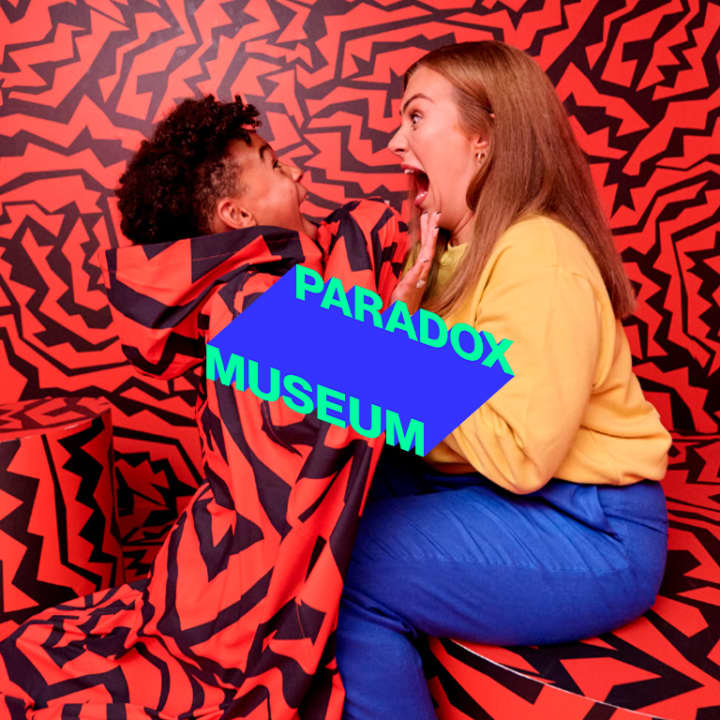
Paradox Museum London
Wed, Feb 11 • 10:00 AM
90 Brompton Road, London, SW3 1JJ
View details
Nearby attractions of Lindsey House
Crosby Moran Hall
Chelsea Muslim Community Hub
Chelsea Old Church
Cremorne Gardens
Silian Gallery
National Trust - Carlyle's House
SIGNET CONTEMPORARY ART
St Mary's Church, Battersea
Chelsea Embankment Gardens
JGM Gallery
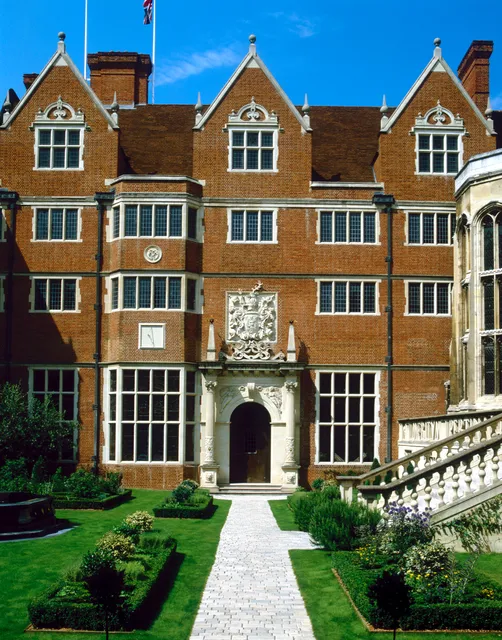
Crosby Moran Hall
4.6
(49)
Open 24 hours
Click for details

Chelsea Muslim Community Hub
4.5
(94)
Closed
Click for details
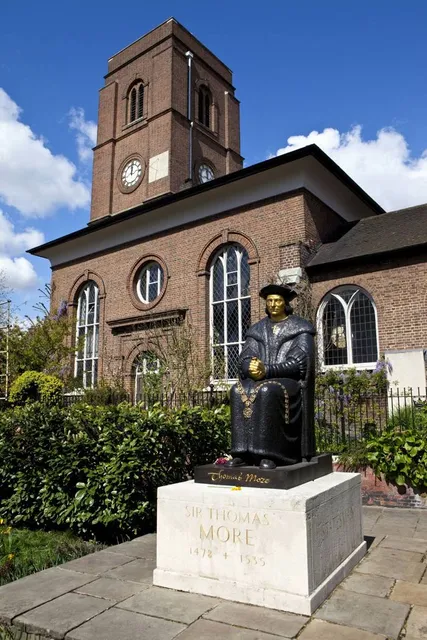
Chelsea Old Church
4.5
(81)
Closed
Click for details
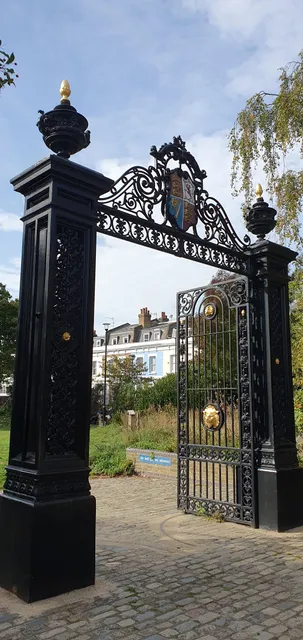
Cremorne Gardens
4.4
(132)
Open 24 hours
Click for details
Nearby restaurants of Lindsey House
Mucci's
Mestizo Chelsea: Mexican Restaurant & Margarita Bar
Bluebird Chelsea
Bottarga
Chelsea Grill
Medlar
Frantoio By Bucci
Diba Persian Restaurant (Chelsea)
Big Easy Bar.B.Q & Crabshack - Chelsea
The Pig's Ear
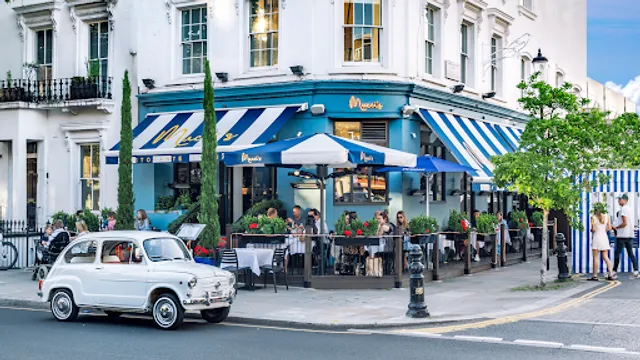
Mucci's
4.7
(1.1K)
Closed
Click for details
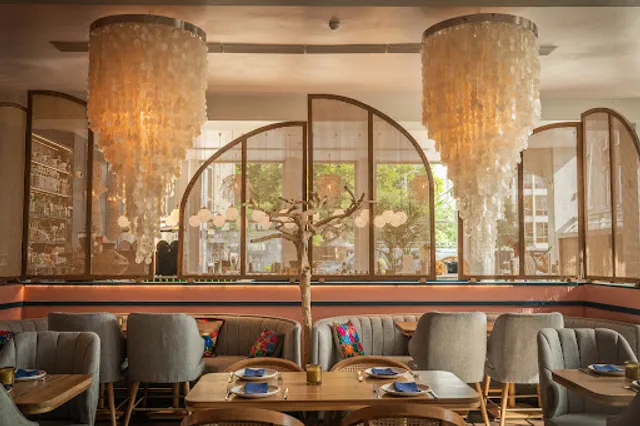
Mestizo Chelsea: Mexican Restaurant & Margarita Bar
4.7
(1.2K)
Closed
Click for details
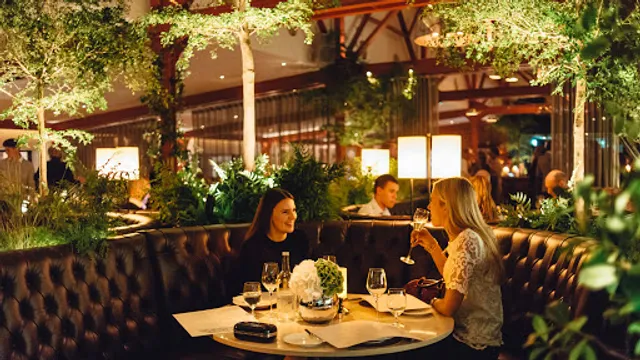
Bluebird Chelsea
4.3
(2.2K)
$$$
Closed
Click for details
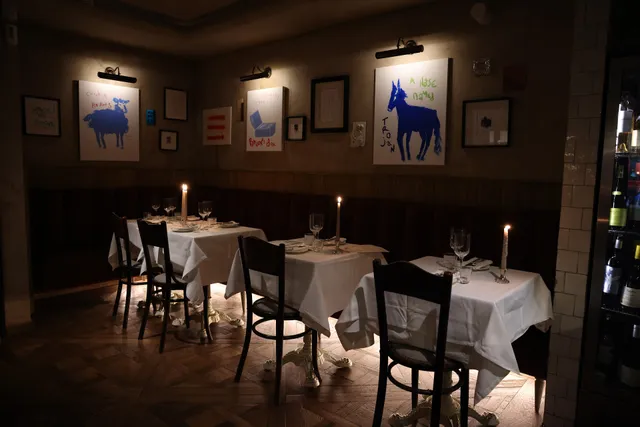
Bottarga
4.5
(283)
Closed
Click for details
Nearby local services of Lindsey House
Chelsea Bikes
Backstage Chelsea
Leyland SDM Chelsea | Decorating & DIY
Chelsea All In One Spa
Toqqa Hair Salon Chelsea
HK London Hair ✂
Worlds End Bookshop
Rococo Chocolates King's Road
Cadogan Arms
Margaret Dabbs London

Chelsea Bikes
4.2
(358)
Click for details

Backstage Chelsea
4.9
(184)
Click for details

Leyland SDM Chelsea | Decorating & DIY
4.3
(122)
Click for details

Chelsea All In One Spa
3.9
(79)
Click for details


The hit list

Plan your trip with Wanderboat
Welcome to Wanderboat AI, your AI search for local Eats and Fun, designed to help you explore your city and the world with ease.
Powered by Wanderboat AI trip planner.