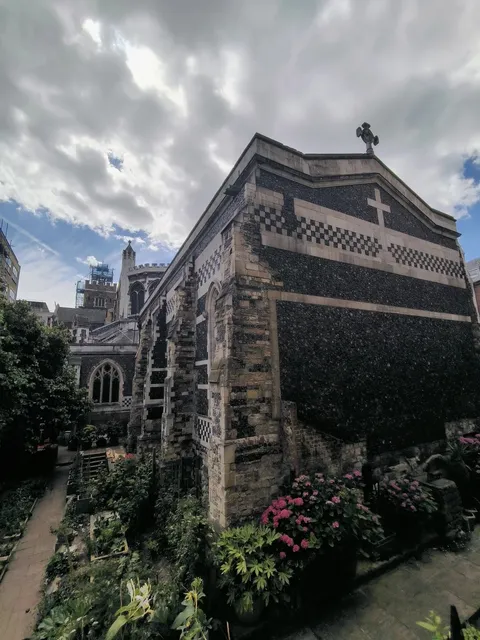
St Bartholomew the Great, located in Smithfield, London, is one of the city's oldest and most historically significant churches. Founded in 1123 by Rahere, a courtier and jester of King Henry I, it has a rich history intertwined with religion, architecture, and folklore. Below is a detailed summary:
Historical Background Foundation: Rahere founded the church after a near-death experience during a pilgrimage to Rome, where he had a vision of St. Bartholomew instructing him to build a church and hospital for the poor. Upon his return to London, King Henry I granted him land in Smithfield to fulfill this vision27]. Architectural Evolution: The church began in the Norman Romanesque style but transitioned to Gothic during construction, reflecting changing architectural trends. This mix of styles is visible in its Romanesque columns alongside Gothic pointed arches[1. Dissolution of the Monasteries: Much of the priory was destroyed under Henry VIII in 1539, leaving only parts of the original structure intact. The remaining sections became a parish church2.
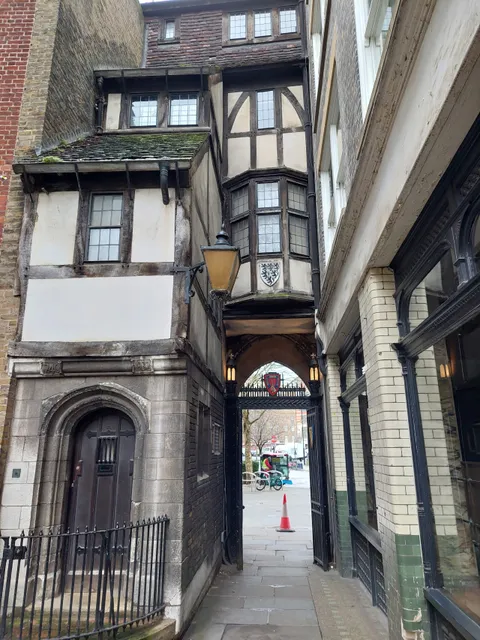
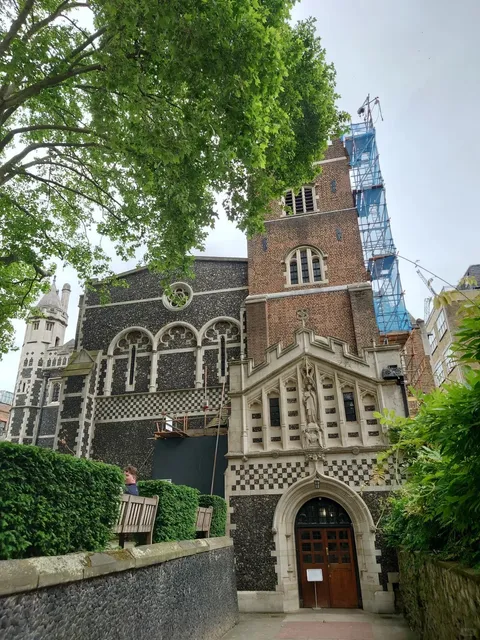
Notable Features Rahere’s Tomb: The founder's tomb, dating from 1405, remains a focal point. It is said that Rahere’s ghost haunts the church after his bones were disturbed during restoration9. Gatehouse: The Tudor-style gatehouse (built in 1595 atop a 13th-century archway) was rediscovered after damage from a World War I Zeppelin bomb revealed its historic facade1. Damien Hirst Statue: A modern addition is the gold statue Exquisite Pain by Damien Hirst, depicting St. Bartholomew holding his flayed skin—a nod to the saint's martyrdom6.
Hidden Stories and Famous Connections Miracles and Folklore: The church was reputed for miraculous healings attributed to St. Bartholomew's intercession. Pilgrims visited especially on St. Bartholomew's Day (August 24), seeking cures for ailments5. Historical Events: The area around the church witnessed significant events like William Wallace’s execution and heretic burnings during the Reformation4. Famous Figures: William Hogarth was baptized here. Benjamin Franklin worked as an apprentice printer in its former Lady Chapel. John Wesley preached at St. Bartholomew’s when other London churches were closed to him11.
Cultural Significance The church has appeared in films such as Four Weddings and a Funeral and Shakespeare in Love, showcasing its atmospheric medieval interior6. It survived major disasters like the Great Fire of London (1666) and World War II bombings due to its robust medieval walls10.
St Bartholomew the Great remains an iconic site for its blend of history, architecture, and legend—a must-see for those exploring London's deep historical roots.
Citations: [1] 9 Secrets Of St Bartholomew The Great Church https://livinglondonhistory.com/9-secrets-of-st-bartholomew-the-great-church/ [2] Smithfield St Bartholomew the Great - National Churches Trust https://www.nationalchurchestrust.org/church/st-bartholomew-great-smithfield [3] A Visit to St Bartholomew the Great - The Courtauldian https://www.courtauldian.com/single-post/a-visit-to-st-bartholomew-the-great [4] The Fool's Church: Rahere and the Church of St Bartholomew https://folklorethursday.com/regional-folklore/fools-church-rahere-church-st-bartholomew/ [5] St Bartholomew-the-Great - Wikipedia https://en.wikipedia.org/wiki/St_Bartholomew-the-Great [6] Inside St Bartholomew the Great, Smithfield - the lost byway https://thelostbyway.com/2024/08/inside-st-bartholomew-the-great-smithfield.html [7] St Bartholomew the Great and Barts by Miranda Miller http://the-history-girls.blogspot.com/2018/03/st-bartholomew-great-and-barts-by.html [8] Great St Barts https://www.greatstbarts.com [9] 7 Bits of Sneaky History in St Bartholomew the Great https://lookup.london/st-bartholomew-the-great-history/ [10] History of St Barts - London - St...
Read moreA Glimpse into Timeless History and Architectural Beauty
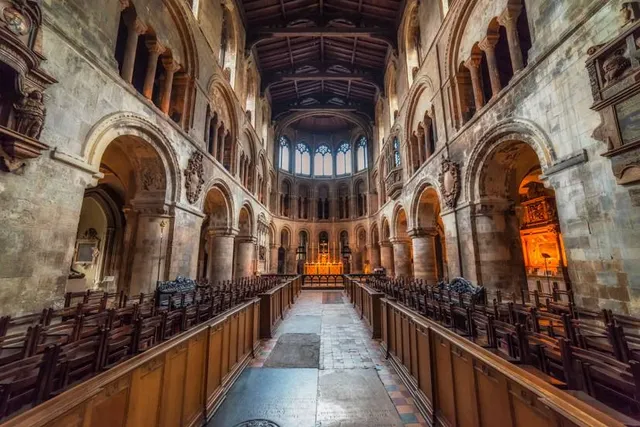
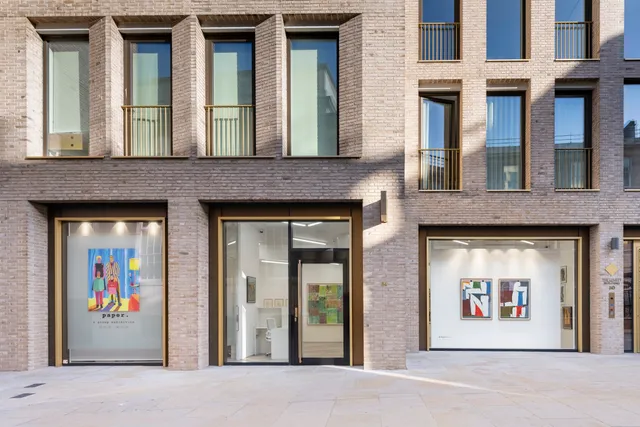
Nestled within the modern cityscape, this church offers a striking contrast between old-world charm and the evolving architecture around it. The entrance, now flanked by contemporary buildings, stands as a remnant of history, offering a portal to a past that still echoes through its walls. The blend of Gothic and medieval styles immediately transports you to another era, evoking a deep sense of reverence and awe as you step inside.
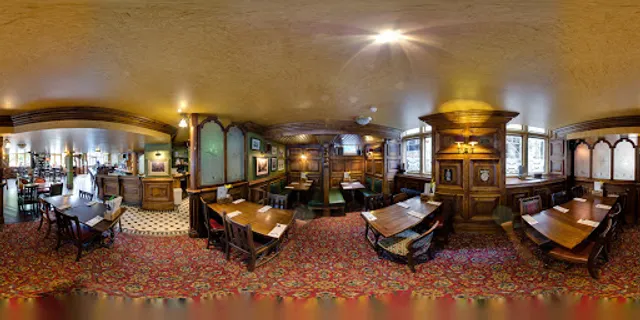
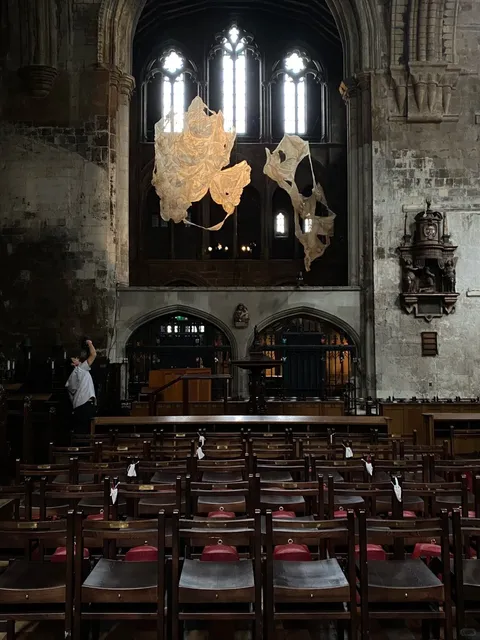
The interior is nothing short of breathtaking. Every arch, every stone seems imbued with centuries of history, pulling you in as you walk through its hallowed halls. The craftsmanship is evident in the high, sweeping arches and the intricate woodwork, especially around the organ and choir sections, where the delicate yet grand design speaks of the devotion and artistry of its creators.
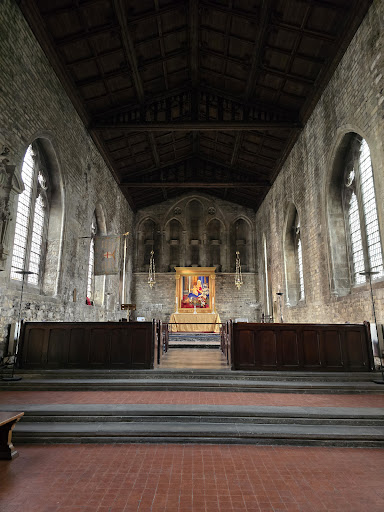
One of the most captivating aspects is how the space flows seamlessly, guiding your eyes upward to the vaulted ceilings and toward the altar, where the warm glow of natural light filters through the windows, casting a soft, divine light on the scene. The sense of balance and harmony in the design makes you feel as though the very air is infused with something ethereal, drawing you into a meditative state. The imagery and sculptures within the church are detailed, conveying spiritual narratives that complement the grandeur of the space itself.
This is not just a building; it’s an experience of being surrounded by the aethers of history, enveloped in the craftsmanship of another time. Each step within these sacred walls allows you to feel the weight of the past while remaining firmly in the present. The subtle details, from the intricate carvings to the towering stone columns, invite you to pause, reflect, and truly appreciate the beauty that continues to endure.
For anyone with an eye for history and a love for architecture, this church is a must-visit. It is a reminder of how beauty, faith, and craftsmanship can come together to create something truly timeless.
Paid parking available Accessible by train (Farringdon/Barbican) Wheelchair accessible No entry fee (just a donation of...
Read moreI was on a quest for exploring haunted places in London, when my search came across a church billed as the most haunted and oldest church in London. I was sold immediately. As, I enjoy going to churches in the places I visit, as well as the paranormal. This was a two in one deal- fantastic!
Walking into one of London’s oldest parish church, St Bartholomew the Great (Great St. Bart’s), one will find it truly a gem hidden in Old London. Once you enter you are greeted with the lingering smell of incense and architectural wonder. The atmosphere in this medieval church dating back to 1123 of its foundation filled every molecule of my being with such a sense of spiritual serenity, unexpected of me, tears began to fall from my eyes.
The beauty of this place survived through the tumultuous periods of London, from the Great Fire of London 1666 to the Second World War. Great St. Bart’s has stood fast through the test of time.
Inside the arches of the church display an impressive workmanship of gothic architecture. From the vestibule looking towards the front- the nave flanks the aisle with medieval cylindrical pillars serving as its backdrop leading up the sanctuary. In the sanctuary you find the ceiling ascends towards the heavens as the windows allow the soft glow of the midday sun to spill through. Looking back towards the choir stand, you will see the organs of Great St. Bart’s. Behind the great alter, lays the Lady Chapel, and throughout your exploration of the church- paintings, sculptures, and plaques where people slumber in eternal rest in the dark interiors of the church.
This medieval wonder was truly mine to enjoy without the overbearing crowds of some of the more touristy places. I spent the whole afternoon relishing in the atmosphere of St. Bart’s to myself, I admit I left bragging to everyone back home how my hands touched the medieval times. I look forward to returning to St. Bart’s on...
Read more