London Mithraeum Bloomberg SPACE things to do, attractions, restaurants, events info and trip planning
Basic Info
London Mithraeum Bloomberg SPACE
12 Walbrook, London EC4N 8AA, United Kingdom
4.5(1.5K)
Open until 12:00 AM
Save
spot
spot
Ratings & Description
Info
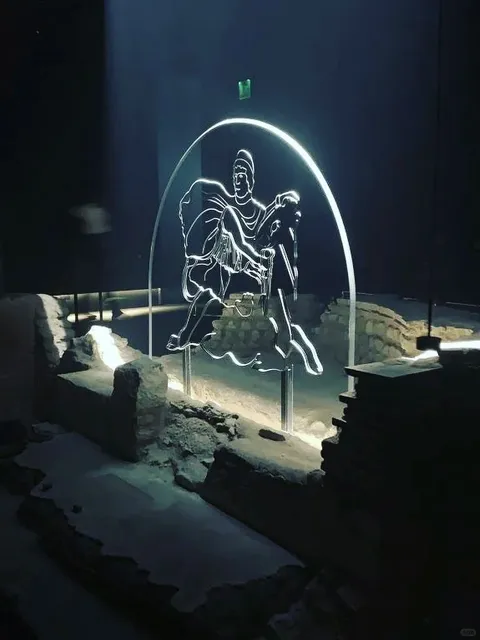
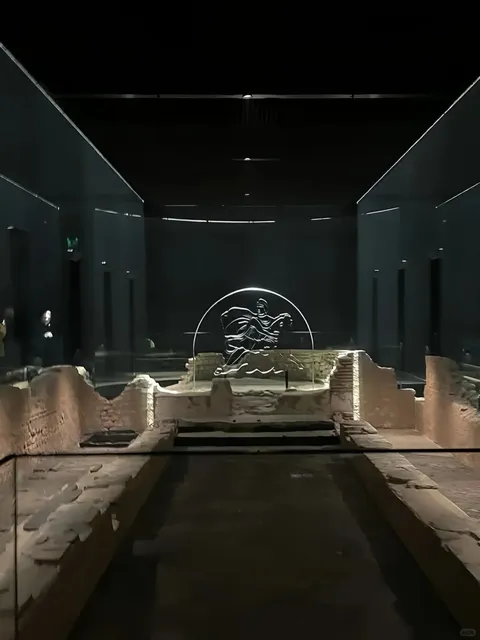
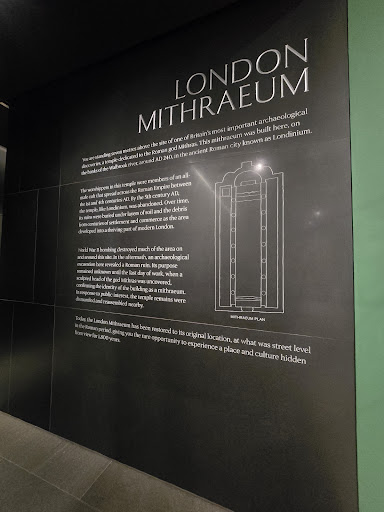
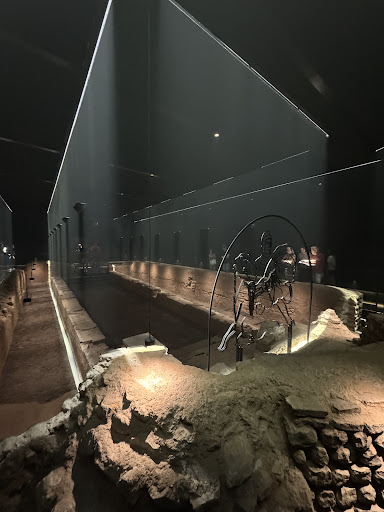
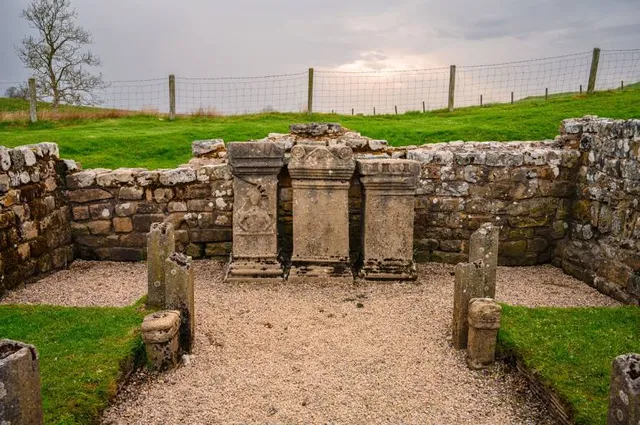
The London Mithraeum, also known as the Temple of Mithras, Walbrook, is a Roman Mithraeum that was discovered in Walbrook, a street in the City of London, during a building's construction in 1954.
Cultural
Accessibility
attractions: St Stephen Walbrook, Mansion House, Bank of England Museum, Monument to the Great Fire of London, St Mary Aldermary, London Bridge, Equestrian Statue of the Duke of Wellington, London Stone (remaining part), St. Paul's Cathedral, London Troops War Memorial, restaurants: Caravan City, Brigadiers, Lina Stores City - Italian Restaurant, The India - Cannon Street, All Bar One, Coq d'Argent, Vinoteca City, Koya Japanese Restaurant City of London, 1 Lombard Street Bar & Restaurant, The Candlemaker, local businesses: Puttshack Bank, tSmart - Mansion House - Tech Repair Experts, Bank of England, Three, The Royal Exchange, Boots, Marlin Apartments - Queen Street St Paul's, Daunt Books, Beauty Essence, Bank Tube Station
 Learn more insights from Wanderboat AI.
Phone
+44 20 7330 7500
Website
londonmithraeum.com
Open hoursSee all hours
MonClosedOpen
Plan your stay

Pet-friendly Hotels in London
Find a cozy hotel nearby and make it a full experience.

Affordable Hotels in London
Find a cozy hotel nearby and make it a full experience.

The Coolest Hotels You Haven't Heard Of (Yet)
Find a cozy hotel nearby and make it a full experience.

Trending Stays Worth the Hype in London
Find a cozy hotel nearby and make it a full experience.
Reviews
Live events
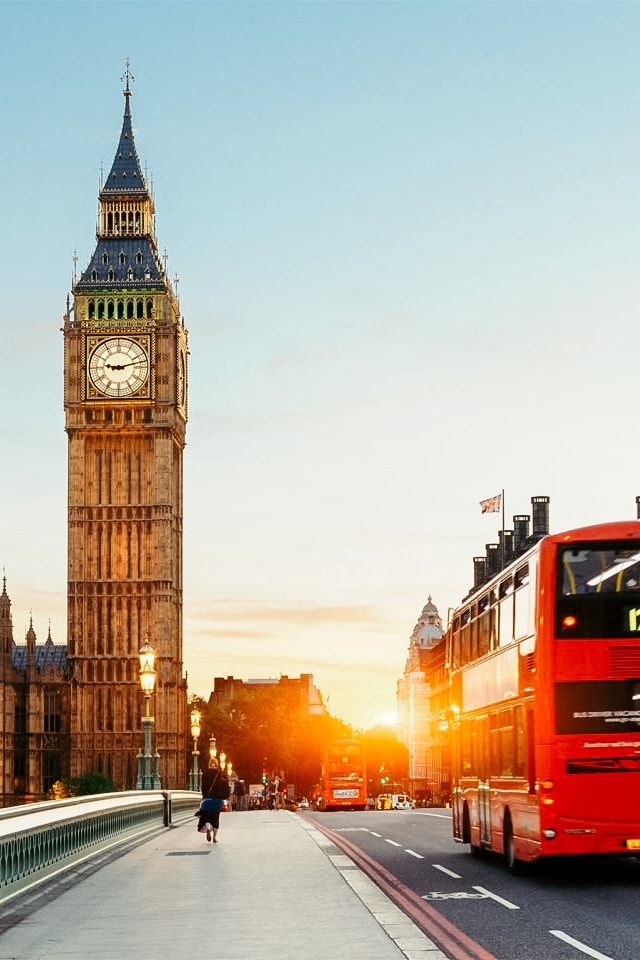
Explore 30+ London sights
Mon, Feb 23 • 10:00 AM
Greater London, W1J 9BR, United Kingdom
View details
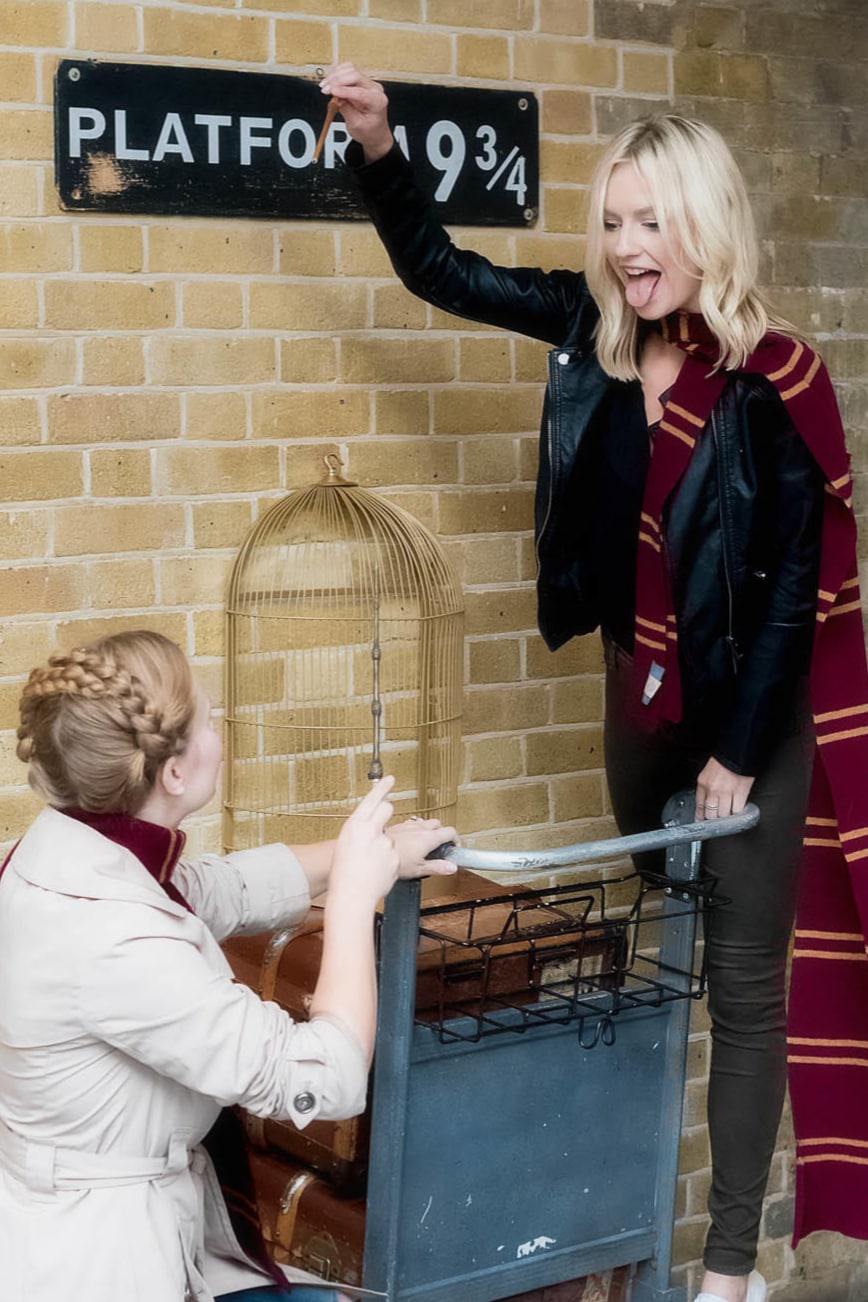
Top-Rated London Harry Potter Tour—Family Friendly
Mon, Feb 23 • 9:30 AM
Greater London, N1 9AP, United Kingdom
View details
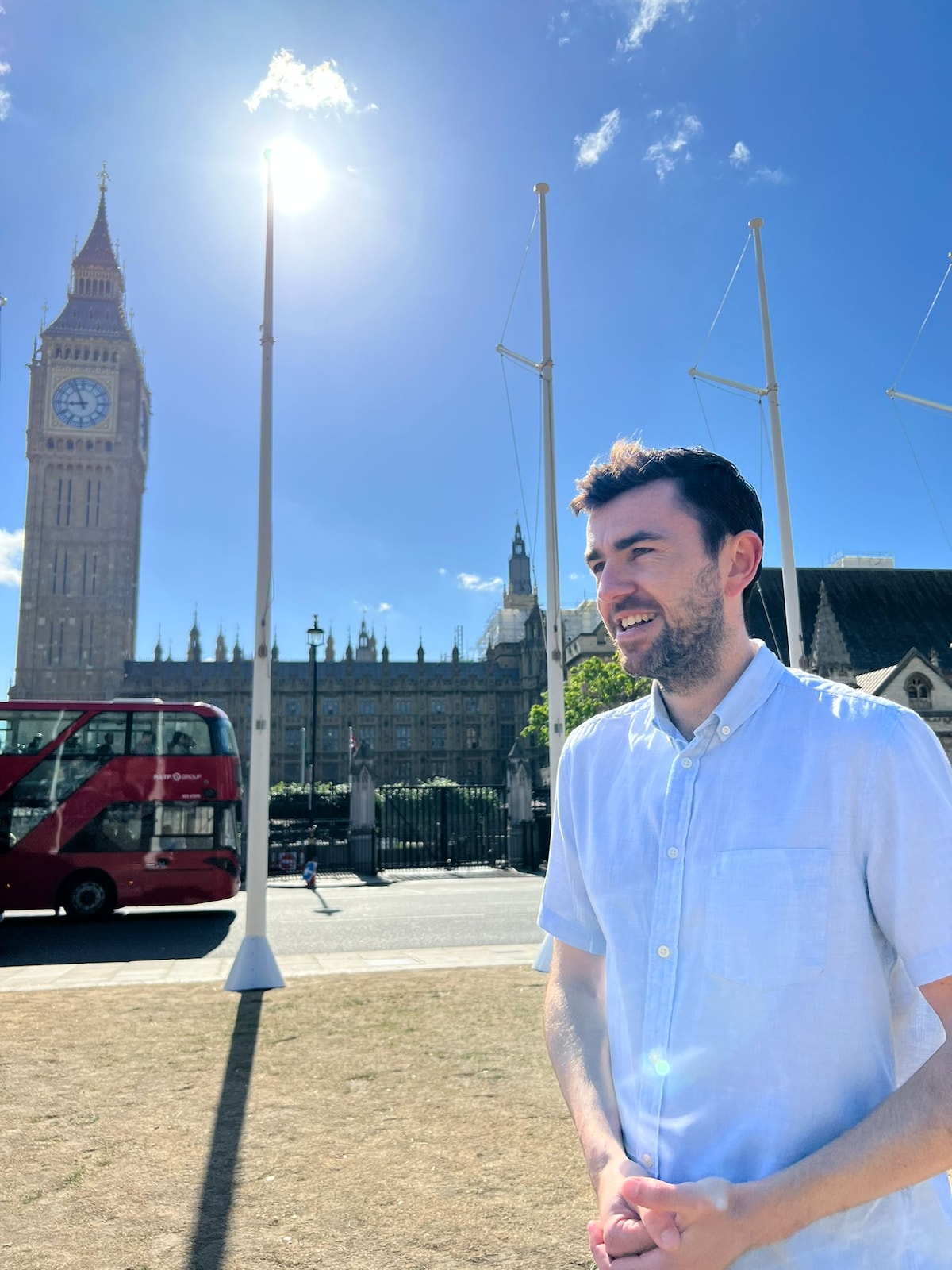
Walk London with a local - in easy English
Mon, Feb 23 • 10:30 AM
Greater London, W1J 9BT, United Kingdom
View details
Nearby attractions of London Mithraeum Bloomberg SPACE
St Stephen Walbrook
Mansion House
Bank of England Museum
Monument to the Great Fire of London
St Mary Aldermary
London Bridge
Equestrian Statue of the Duke of Wellington
London Stone (remaining part)
St. Paul's Cathedral
London Troops War Memorial
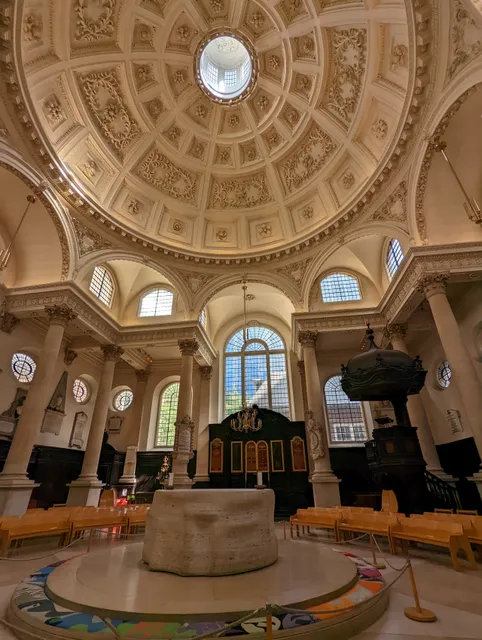
St Stephen Walbrook
4.8
(138)
Open until 12:00 AM
Click for details
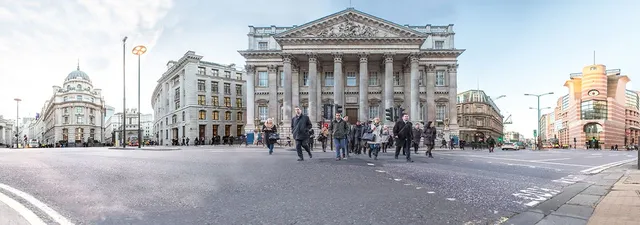
Mansion House
4.6
(98)
Open 24 hours
Click for details
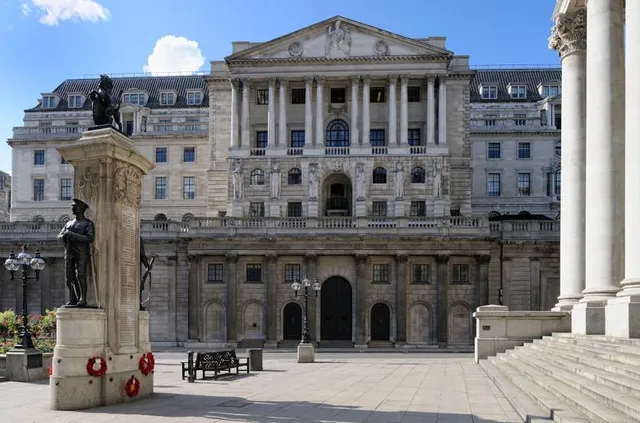
Bank of England Museum
4.5
(1.2K)
Open until 12:00 AM
Click for details
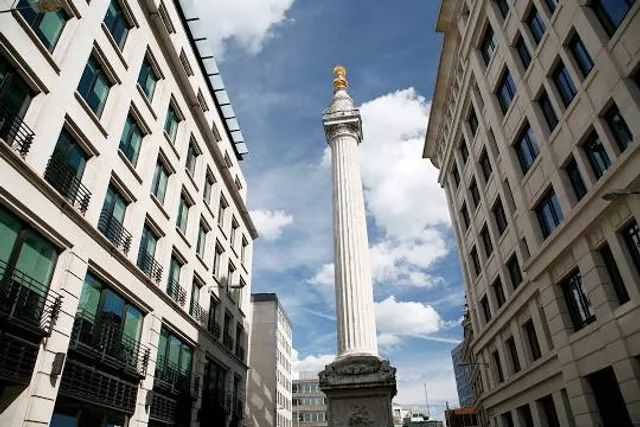
Monument to the Great Fire of London
4.5
(5.4K)
Closed
Click for details
Nearby restaurants of London Mithraeum Bloomberg SPACE
Caravan City
Brigadiers
Lina Stores City - Italian Restaurant
The India - Cannon Street
All Bar One
Coq d'Argent
Vinoteca City
Koya Japanese Restaurant City of London
1 Lombard Street Bar & Restaurant
The Candlemaker
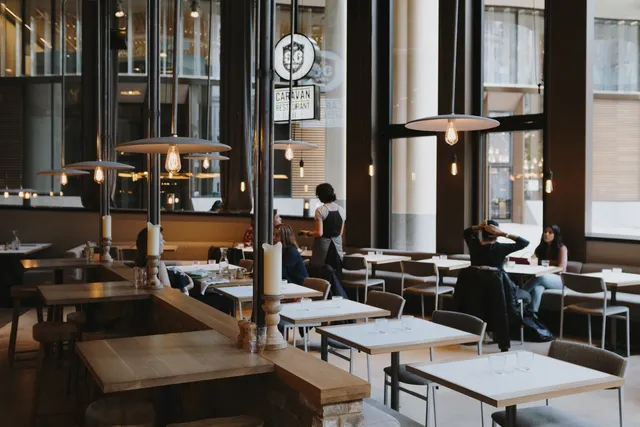
Caravan City
4.4
(1.3K)
Closed
Click for details
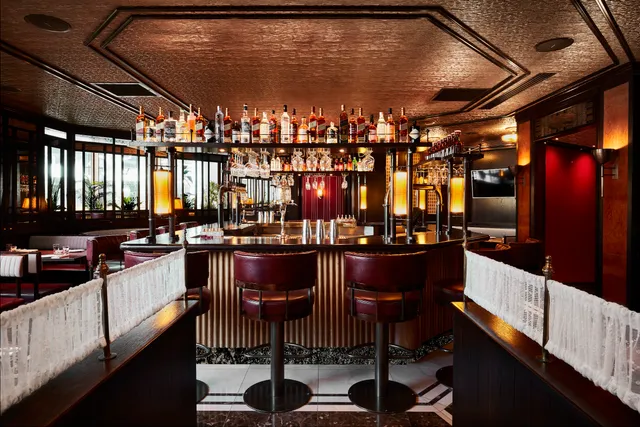
Brigadiers
4.5
(1.4K)
$$$
Open until 12:00 AM
Click for details
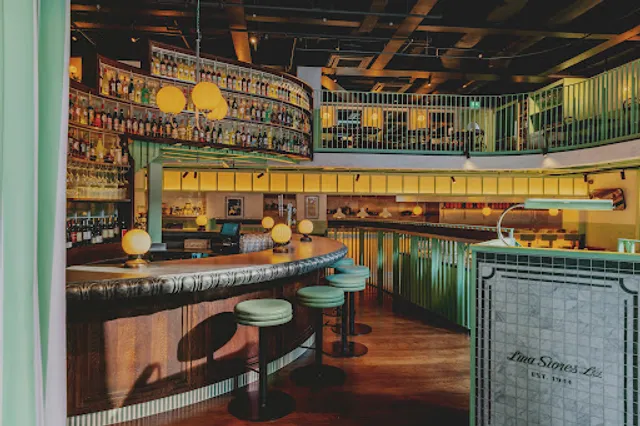
Lina Stores City - Italian Restaurant
4.6
(694)
Open until 12:00 AM
Click for details
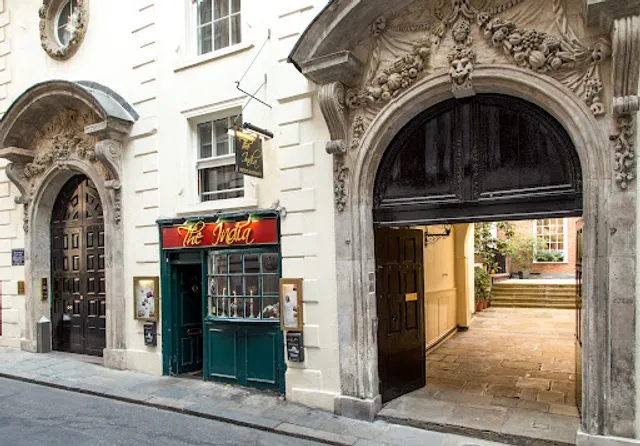
The India - Cannon Street
4.7
(3K)
Closed
Click for details
Nearby local services of London Mithraeum Bloomberg SPACE
Puttshack Bank
tSmart - Mansion House - Tech Repair Experts
Bank of England
Three
The Royal Exchange
Boots
Marlin Apartments - Queen Street St Paul's
Daunt Books
Beauty Essence
Bank Tube Station
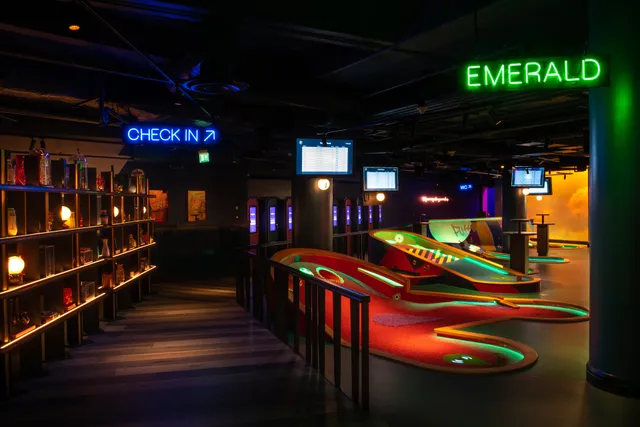
Puttshack Bank
4.7
(1.9K)
Click for details

tSmart - Mansion House - Tech Repair Experts
4.9
(940)
Click for details
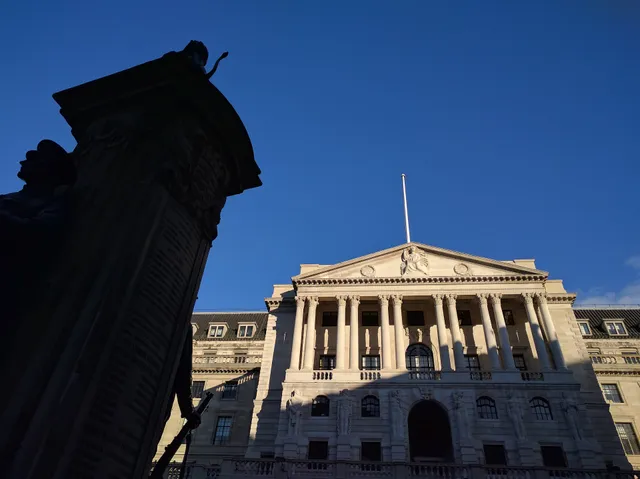
Bank of England
4.0
(1.2K)
Click for details

Three
4.0
(170)
Click for details


The hit list


Plan your trip with Wanderboat
Welcome to Wanderboat AI, your AI search for local Eats and Fun, designed to help you explore your city and the world with ease.
Powered by Wanderboat AI trip planner.