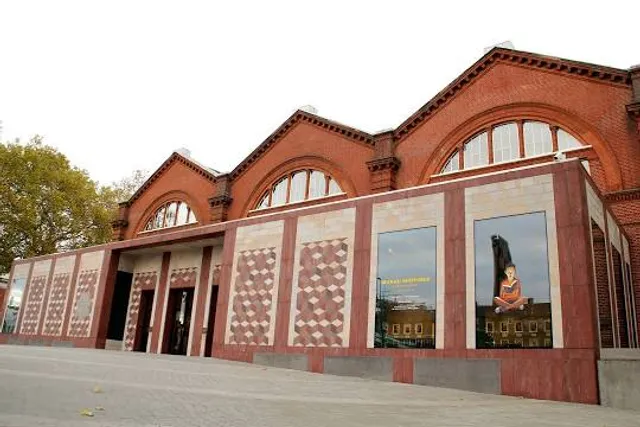
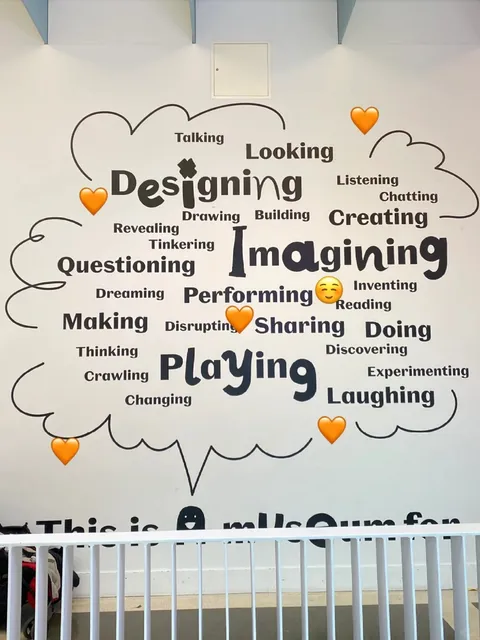
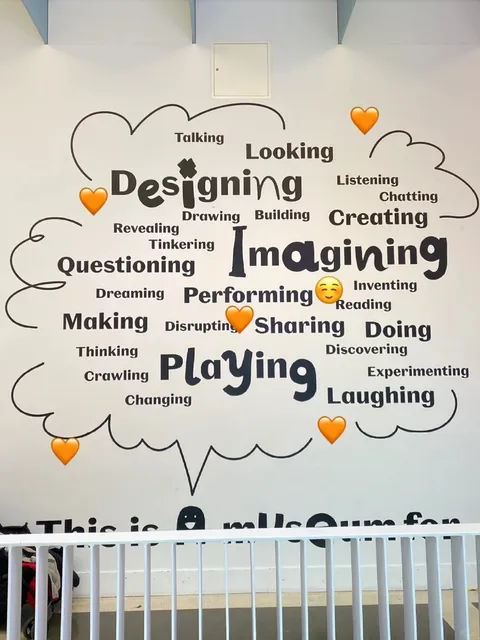
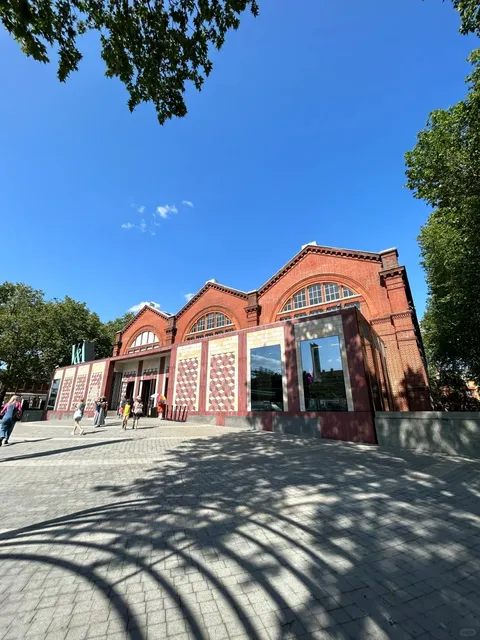
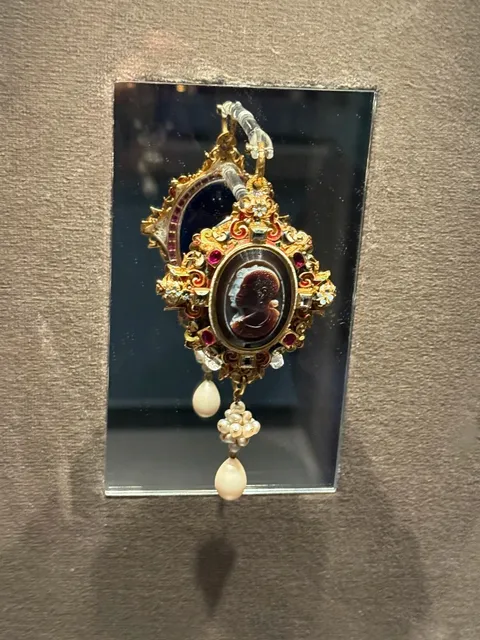
We took a group of students here, and I came without having read much about this place. I love museum and can spend hours being captivated by their displays and rich history. However, this is just my view. I read the information on the plaque inside the building that this museum was renovated and re-opened over the summer (2023) by HRH Catherine l, Princess of Wales. The displays were good, especially in the doll house, and create design sections. It encourages imagination, creativity, and simplicity. Showing how people used simple resources to create a lasting impact on children. Some of the displays force us to understand the sense of community that toys, plays, and other creative expressions can bring.
So why such a low score? My opinion is that this place could have been designed with a more inclusive outlook. The atmosphere was very Euro-centric considering the diversity of a city such as London. This came from the food, which wasn't rich and diverse, the activities that seemed boring, rather than engaging. Maybe these are cultural differences. It’s just that it needed a sprinkle of more cultural input to bring it to life. It was like an unseasoned chicken that just needed some of those tantalising flavours from the spice tray or spice cupboard to make it not just a meal, but one that left your mouth watering and craving for more... The museum definitely needed something extra (more fun), more lively (engage members of the Black and Asian community for input on this).
On the day, the majority of the visitors were middle class, mainly white British (my colleague said these were mainly stay at home families), I love people, but it definitely didn't create a sense of inclusion, when so many people from the diverse backgrounds of London were missing.
Then there were the prices: £10 for a Special Japanese event (our visit had students who rely on school meals- this was way beyond their reach- although there were a few concessions). If you did attend this special event, then the souvenir shop linked to the event had bags being sold for £25, toys from £14-£20.
One of the young people we brought to the museum wanted to buy one of the teddy bears from the souvenir shop, but the price was £14! The price, for low incomes families, would be extortionate, which defeats the inclusivity that a museum can bring. This alone would exclude those from poorer backgrounds., who wouldn't be able to afford most of the items in the museum shop.
All in all, it all seemed quite middle-class and middle-minded.
It's good to have a museum like this and to see the renovations, however equal focus needed to be placed on not just renovating the structure of this building, with its educational and attractive displays, but in renovating how it will connect with and fully use the diversity of London's different communities to create a more dynamic experience. One that embraces all the different peoples and cultures of London, with loads more engaging, fun, playful, interactive activities for children and young people. If it's...
Read moreI think I may have slightly misunderstood what the purpose of this museum is! As the re-developed Young V&A celebrating all things toys, games and childhood, I thought it would be built for children and prioritising play. Instead, it's about 60% traditional museum with traditional exhibitions and 40% interactive elements.
The first thing that struck me was that there are no actual toys to play with. My children loved seeing the old-fashioned toys in the glass cases but were really disappointed they couldn't play with them. I didn't expect they could play with the actual museum items but I had assumed there would be more replica items. What better way for children to learn about old toys than to enjoy playing with replica versions? There was a replica dolls house which my children loved but that was it. The numbers of children crowding around the toy dolls house trying to play demonstrated what kids wanted in that space but which was not really provided.
The design gallery upstairs was almost entirely an exhibition to look at, not to actively engage with. We were really looking forward to the design studio, envisaging paper, pens, cardboard, blocks, junk modelling. Instead there was just paper and pencils. It was nice but just didn't feel very creative, which was ironic given it was the design studio.
Throughout our experience, the children in the space were showing the adults how they wanted to play, showing us what real play is. And due to the design of the museum, this play was often restricted. For example, there was an area with blue foam shapes and blocks for building. There were also blue foam noodles. Straight away I saw two children pretend the noodles were swords and they started a pretend sword fight. A volunteer asked them to stop because there wasn't enough space for that kind of play and they were worried babies could get hurt. I completely understood where they were coming from but I can also see that this is instinctive play - children will turn objects into different things with their imagination, they'll want to run or jump or make noise. Real kid's play doesn't always look the way adults want or fit in with adult built structures.
Overall, it was a good day out, and my children enjoyed the interactive elements. For a free museum, it's definitely worth a visit and brilliant to have that resource as a free one.
However, it's not a museum for children. It didn't feel like it had been designed by adults who really know how children engage and play and learn, and who wanted the space to be FOR children. It felt like a museum primarily for adults, but with more interactive elements so it's...
Read moreThe Young V&A museum, formerly the Museum of Childhood, has recently had a £13million revamp. The building is brighter and has spaces for children to play. My daughter enjoyed the sand that spun on a lazy-Susan-style circular plate, and you could comb it into shapes. We also enjoyed the large blue building blocks, where you could build your dream house.
However, there weren't really enough blocks for the amount of children that would attend the museum - please can the museum get some more blocks so that the children can build properly and enjoy the area to the full.
There is a sectioned off area for the youngest children (3 and under) so they can play in peace, which is thoughtful. My daughter was a little disappointed that you couldn't see the cabinets of old toys in that area as we were not allowed in... perhaps this can be addressed?
We enjoyed the storytelling which you had to get a (free!) ticket for. There was an area with doll houses that children could play with, and an optical illusion room, which was very fun and interactive. We enjoyed the many, many listening posts where you can put an earphone to your ear and hear objects talking about their design, or hear inventor children discussing their inventions, or listen to d&d masters discuss their campaigns and dioramas.
It is a lovely free museum. There was a paid for exhibition, which I did not visit this time but would be interested in seeing another day (currently about Japanese Myths and their influence in modern Japanese culture). I enjoyed it a lot but do feel there were a few things that could improve it - more availability of equipment in the construction play area (also the 'marble run' was low on balls to run down it). I think it would be easy to add more interactive play at little cost, such as large boxes of lego, but the interactive things we played with were brilliant. This museum has gone from a nostalgic time for adults (a 'toy prison' with everything behind glass) to a modern, interactive, fun day out for children. Just a few easy fixes would really improve the interactivity and complete it to the...
Read more