Wenlock Priory things to do, attractions, restaurants, events info and trip planning
Basic Info
Wenlock Priory
Bull Ring, Much Wenlock TF13 6HS, United Kingdom
4.6(422)
Open 24 hours

tickets
Save
spot
spot
Ratings & Description
Info
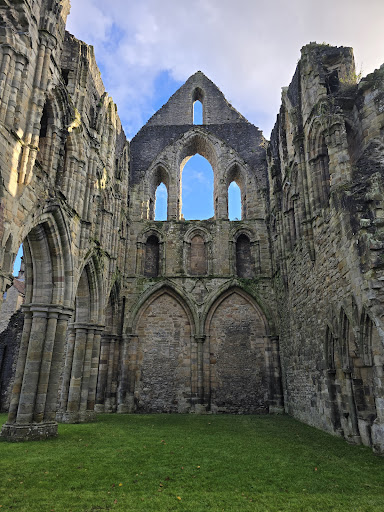
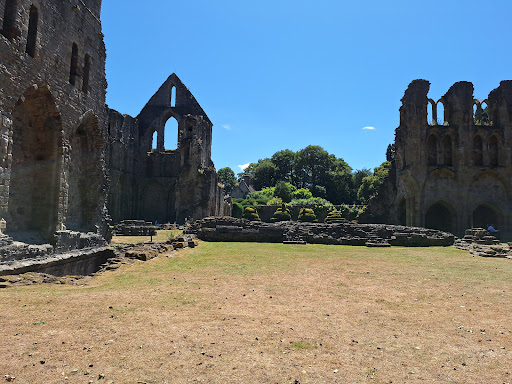
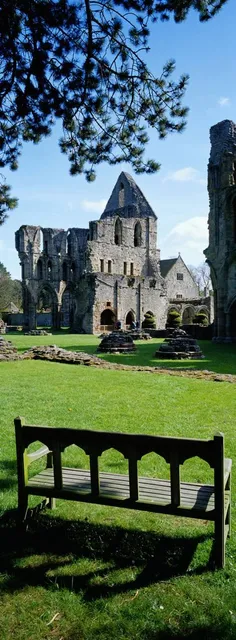
Wenlock Priory, or St Milburga's Priory, is a ruined 12th-century monastery, located in Much Wenlock, Shropshire, at grid reference SJ625001. Roger de Montgomery re-founded the Priory as a Cluniac house between 1079 and 1082, on the site of an earlier 7th-century monastery.
Cultural
Scenic
Outdoor
Family friendly
Accessibility
attractions: Much Wenlock Museum, restaurants: The George & Dragon Inn, Barrow St Cafe, Tea on the Square, Baker & Cook, The Wenlock Smoothie, Bilash, ChocTilly (inside Mrs P's), WAH LAI, The Fox, local businesses: A Ryan & Son, Much More Books Ltd, Colours Florists, The Wenlock Wardrobe ( Margaret’s Of Wenlock), Dubelle Jewellery
 Learn more insights from Wanderboat AI.
Phone
+44 370 333 1181
Website
english-heritage.org.uk
Plan your stay

Pet-friendly Hotels in Much Wenlock
Find a cozy hotel nearby and make it a full experience.

Affordable Hotels in Much Wenlock
Find a cozy hotel nearby and make it a full experience.

The Coolest Hotels You Haven't Heard Of (Yet)
Find a cozy hotel nearby and make it a full experience.

Trending Stays Worth the Hype in Much Wenlock
Find a cozy hotel nearby and make it a full experience.
Reviews
Live events
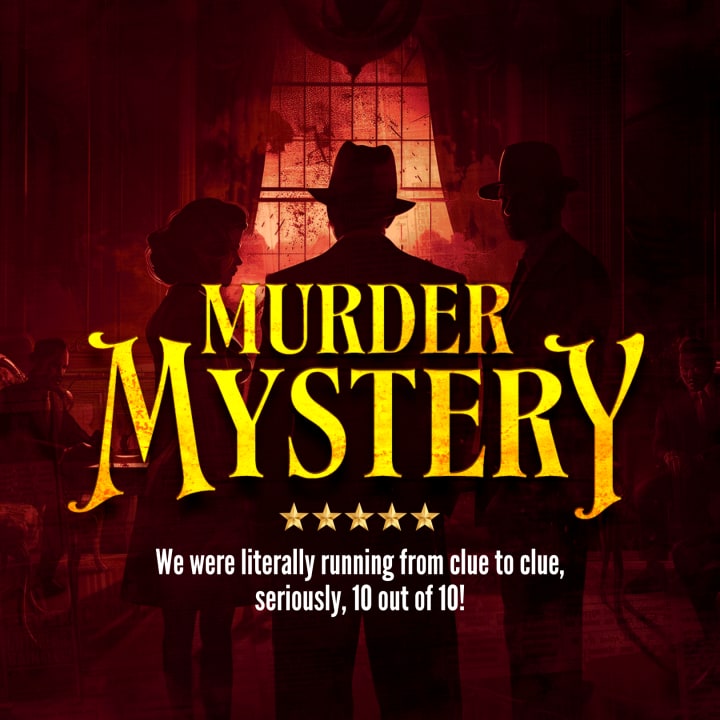
Wolverhampton Murder Mystery: Solve the case!
Sun, Feb 1 • 12:00 AM
1 Queen Square, Wolverhampton WV1 1TE, UK, WV1 1TE
View details
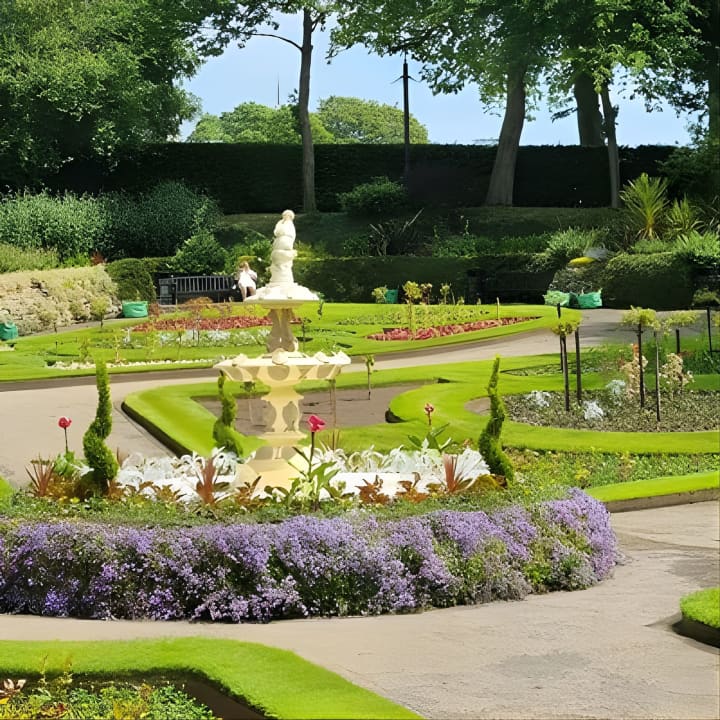
On the Origins of Charles Darwin: A Self-Guided Audio Tour of Shrewsbury
Wed, Feb 25 • 12:00 AM
Castle Street, Shrewsbury, SY1 2AT
View details
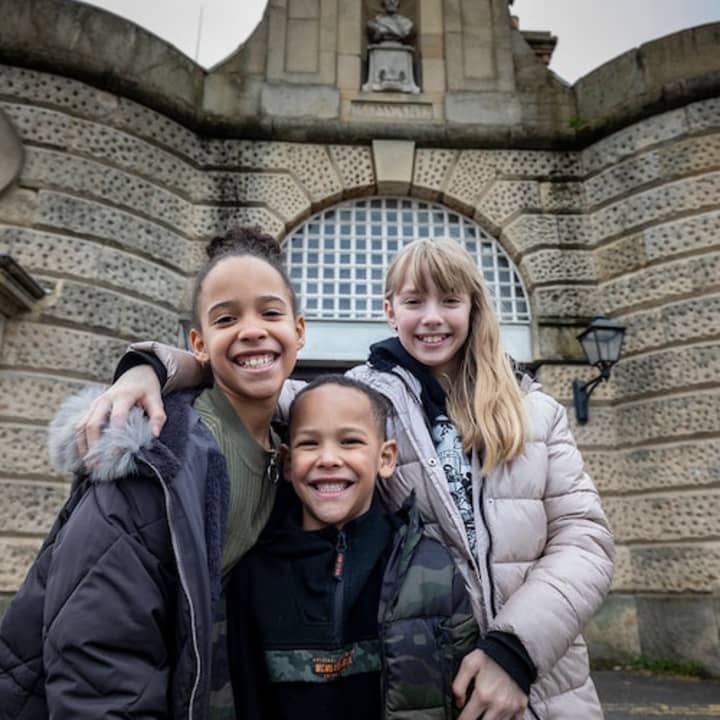
Shrewsbury Prison Self-Guided Tour
Wed, Feb 25 • 10:00 AM
The Dana, Shrewsbury, SY1 2HP
View details
Nearby attractions of Wenlock Priory
Much Wenlock Museum
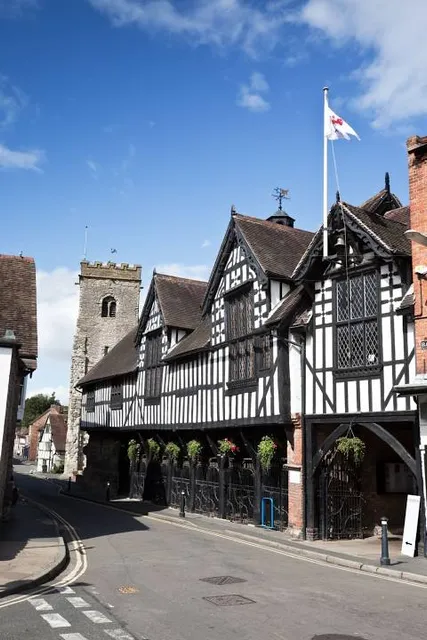
Much Wenlock Museum
4.5
(52)
Open until 12:00 AM
Click for details
Nearby restaurants of Wenlock Priory
The George & Dragon Inn
Barrow St Cafe
Tea on the Square
Baker & Cook
The Wenlock Smoothie
Bilash
ChocTilly (inside Mrs P's)
WAH LAI
The Fox
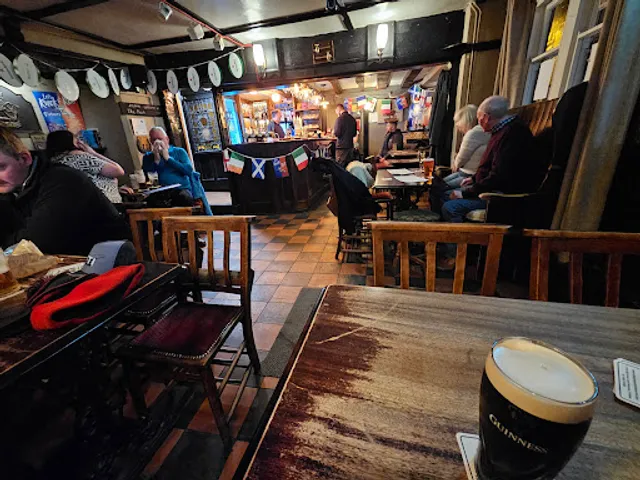
The George & Dragon Inn
4.6
(331)
Open until 11:00 PM
Click for details
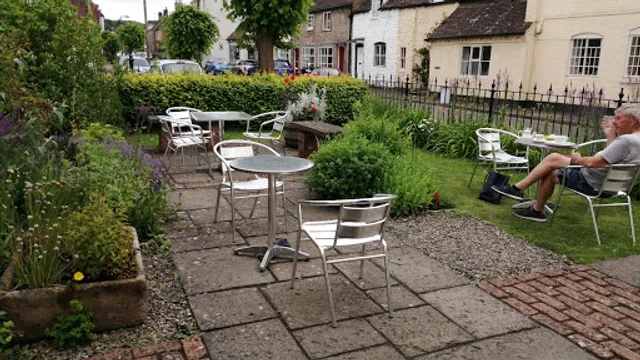
Barrow St Cafe
4.6
(134)
Open until 4:00 PM
Click for details
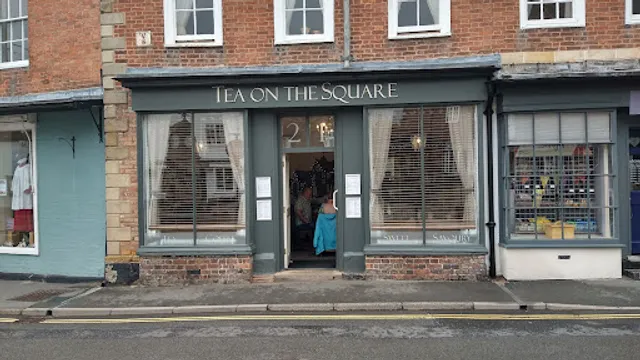
Tea on the Square
4.5
(105)
$
Open until 4:00 PM
Click for details
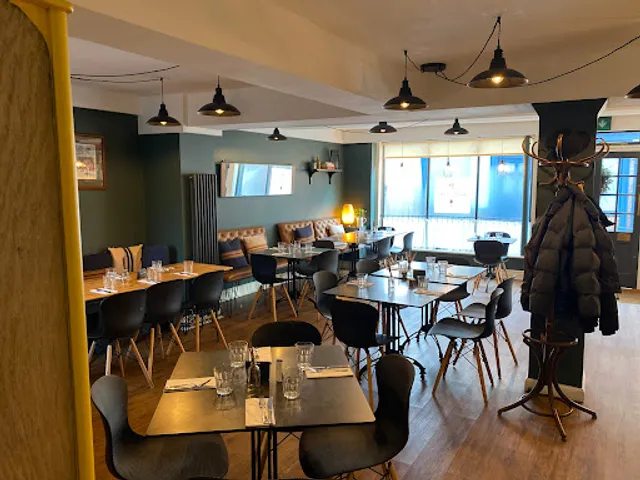
Baker & Cook
4.8
(72)
Open until 12:00 AM
Click for details
Nearby local services of Wenlock Priory
A Ryan & Son
Much More Books Ltd
Colours Florists
The Wenlock Wardrobe ( Margaret’s Of Wenlock)
Dubelle Jewellery

A Ryan & Son
4.9
(97)
Click for details

Much More Books Ltd
4.3
(30)
Click for details

Colours Florists
4.8
(28)
Click for details

The Wenlock Wardrobe ( Margaret’s Of Wenlock)
4.7
(13)
Click for details