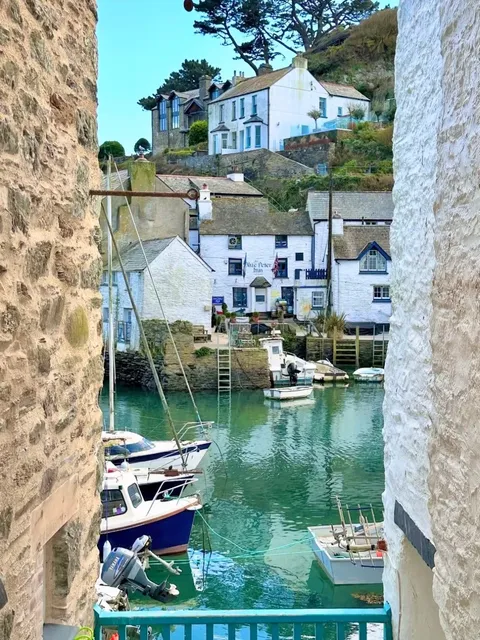
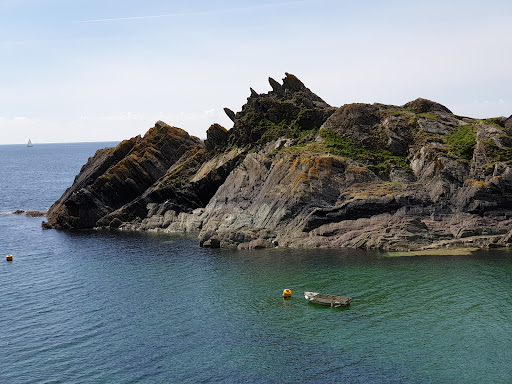
Polperro Beach things to do, attractions, restaurants, events info and trip planning
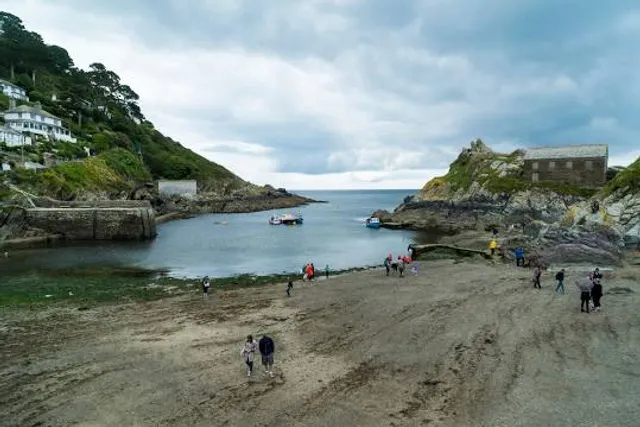
Basic Info
Polperro Beach
Polperro, Looe PL13 2QY, United Kingdom
4.6(1.2K)
Open 24 hours
Save
spot
spot
Ratings & Description
Info
Outdoor
Relaxation
Family friendly
attractions: Polperro Harbour Heritage Museum, Chapel Pool, Polperro Model Village, East Cornwall Society Of Artists Ebenezer gallery, Polperro Arts Foundation Gallery, restaurants: Blue Peter Inn, The Three Pilchards, The Museum Tea Room, The Wheelhouse Family Restaurant, Priscilla’s Restaurant, Polperro Bakery, Couch's Great House, The Ship Inn, Clements & Hope, The Plantation Tea Rooms, local businesses: Polperro Harbour
 Learn more insights from Wanderboat AI.
Plan your stay

Pet-friendly Hotels in Polperro
Find a cozy hotel nearby and make it a full experience.

Affordable Hotels in Polperro
Find a cozy hotel nearby and make it a full experience.

The Coolest Hotels You Haven't Heard Of (Yet)
Find a cozy hotel nearby and make it a full experience.

Trending Stays Worth the Hype in Polperro
Find a cozy hotel nearby and make it a full experience.
Reviews
Live events

Candlelight: Tribute to Adele
Fri, Feb 27 • 6:30 PM
Rope Walk, Coxside, Plymouth, PL4 0LF
View details

Plymouth, UK Murder Mystery: Solve the case!
Sun, Feb 1 • 12:00 AM
55-57 New George St, Plymouth PL1 1RJ, UK, PL1 1RJ
View details
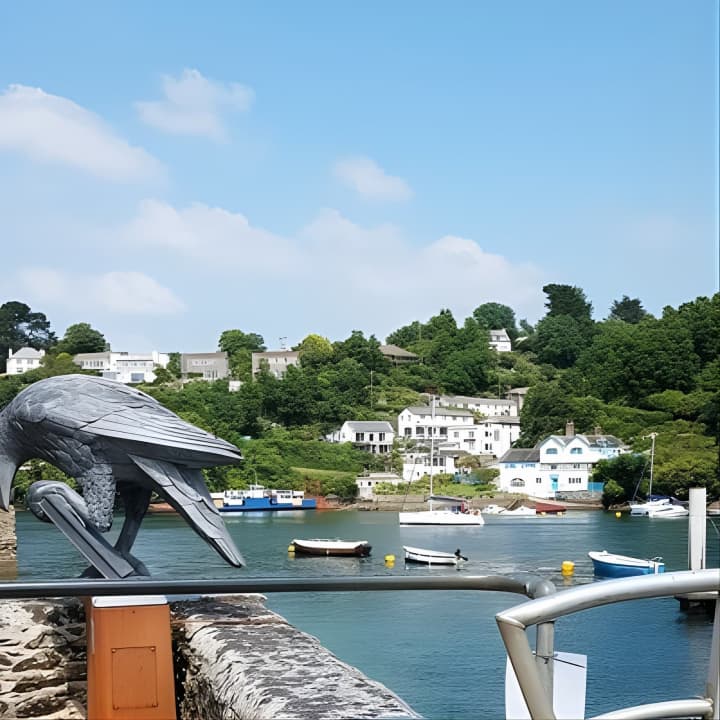
Walking Tour of Fowey
Sun, Feb 22 • 10:15 AM
United Kingdom, PL23 1DF
View details
Nearby attractions of Polperro Beach
Polperro Harbour Heritage Museum
Chapel Pool
Polperro Model Village
East Cornwall Society Of Artists Ebenezer gallery
Polperro Arts Foundation Gallery
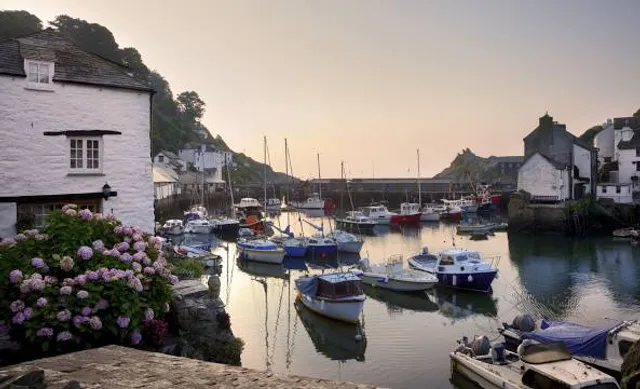
Polperro Harbour Heritage Museum
4.6
(72)
Open until 4:30 PM
Click for details
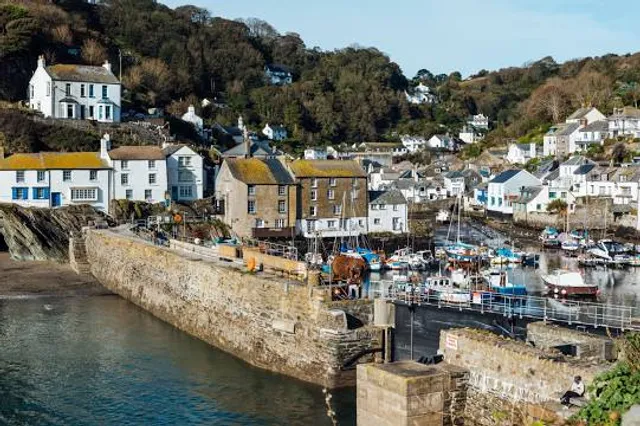
Chapel Pool
4.8
(44)
Open until 12:00 AM
Click for details
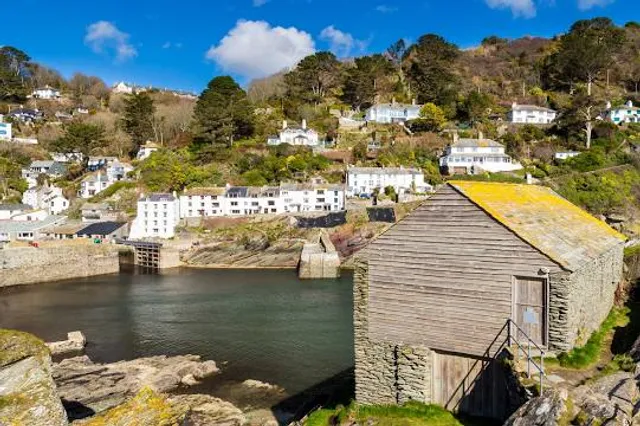
Polperro Model Village
4.3
(445)
Open until 12:00 AM
Click for details

East Cornwall Society Of Artists Ebenezer gallery
4.4
(20)
Open until 4:00 PM
Click for details
Nearby restaurants of Polperro Beach
Blue Peter Inn
The Three Pilchards
The Museum Tea Room
The Wheelhouse Family Restaurant
Priscilla’s Restaurant
Polperro Bakery
Couch's Great House
The Ship Inn
Clements & Hope
The Plantation Tea Rooms
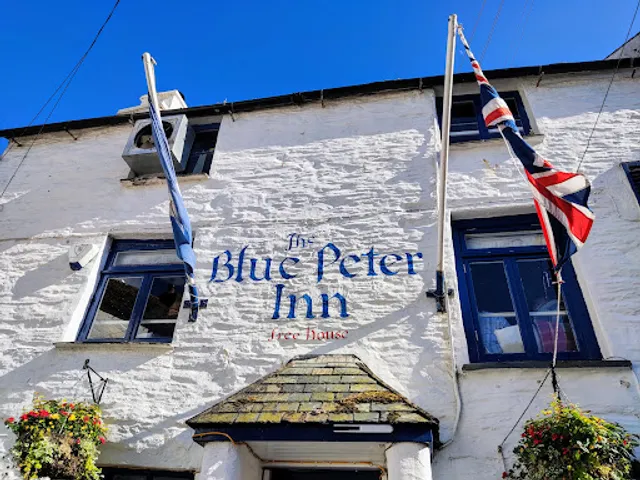
Blue Peter Inn
4.7
(824)
Open until 11:00 PM
Click for details
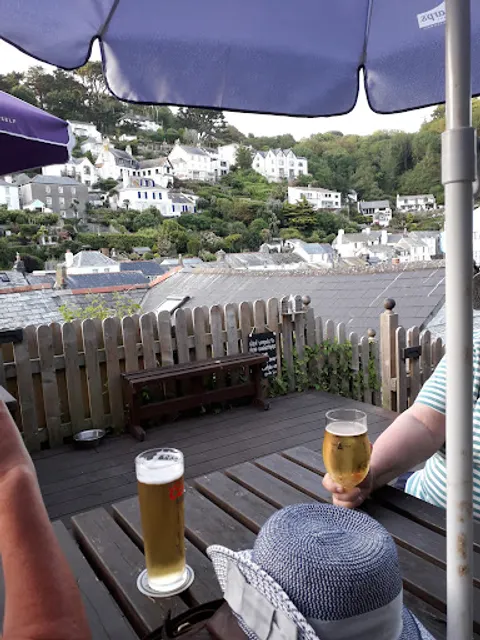
The Three Pilchards
4.7
(898)
Open until 11:00 PM
Click for details
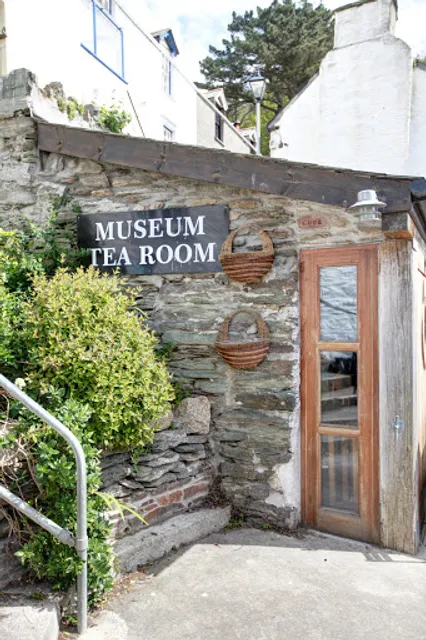
The Museum Tea Room
3.7
(35)
Open until 4:00 PM
Click for details
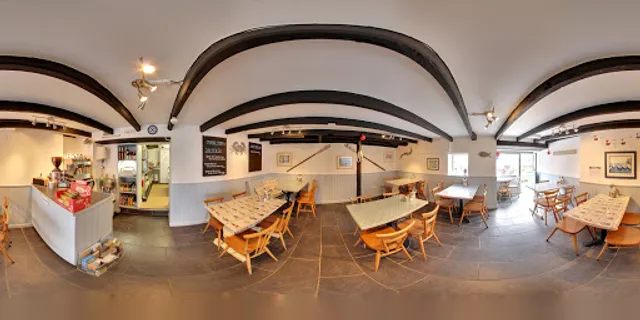
The Wheelhouse Family Restaurant
4.5
(33)
Open until 4:00 PM
Click for details
Nearby local services of Polperro Beach
Polperro Harbour
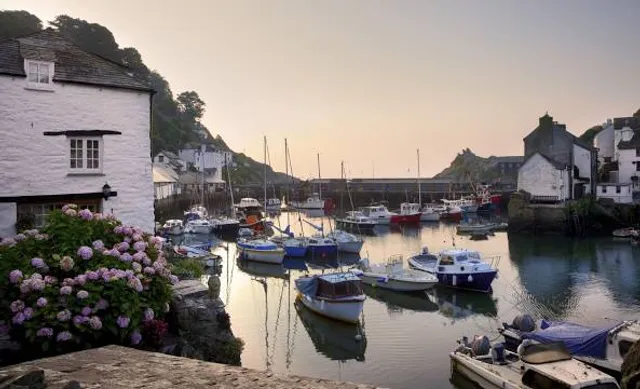
Polperro Harbour
4.6
(817)
Click for details