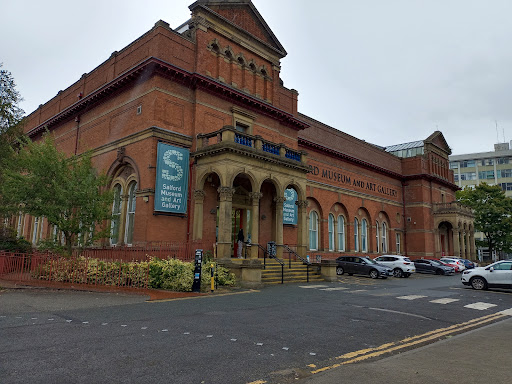
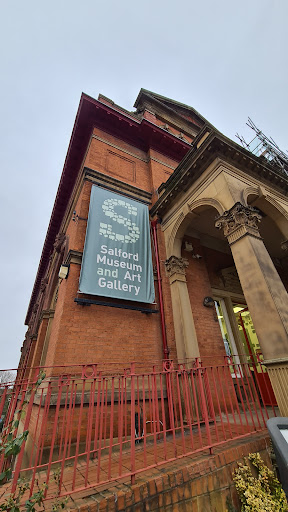
Salford Museum & Art Gallery things to do, attractions, restaurants, events info and trip planning
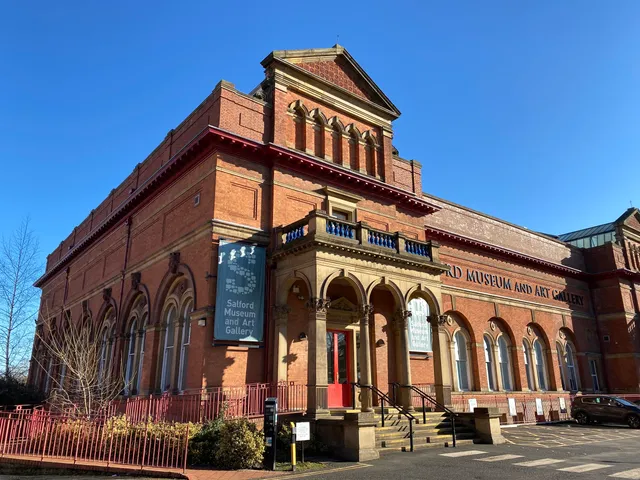
Basic Info
Salford Museum & Art Gallery
Crescent, Salford M5 4WU, United Kingdom
4.6(8)
Closed
Save
spot
spot
Ratings & Description
Info
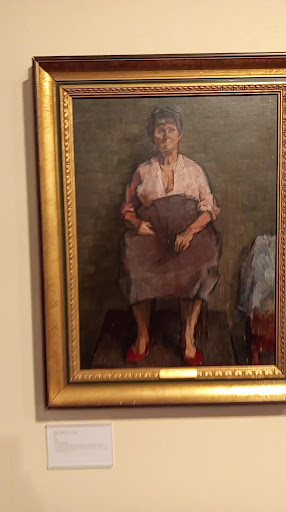
Salford Museum and Art Gallery, in Peel Park, Salford, Greater Manchester, opened to the public in November 1850 as the Royal Museum and Public Library. The gallery and museum are devoted to the history of Salford and Victorian art and architecture.
Cultural
Entertainment
Family friendly
Accessibility
attractions: Peel Park, University of Salford, Graystone Action Sports (Skatepark, Trampoline, Bouldering) (Manchester), Working Class Movement Library, University of Salford, School of Science, Engineering & Environment, New Adelphi, University of Salford - Alumni, Islington Mill, Cathedral Church of St John the Evangelist, Salford Centre for Spiritualism, restaurants: The Old Fire Station Bakery, Old Pint Pot, Pizzology – Pizza & Burger Takeaway, McDonald's, Atmosphere, The View Bar and Restaurant, Vero Moderno, Union Tavern, Gelato Salford ltd, Maida Grill House, local businesses: Carfix Manchester, Saint Philips Chapel Street, RE:SCULPT studios, Salford Argos (Inside Sainsbury's), Manchester Bikes
 Learn more insights from Wanderboat AI.
Phone
+44 161 778 0800
Website
salfordmuseum.com
Open hoursSee all hours
SunClosed
Plan your stay

Pet-friendly Hotels in Salford
Find a cozy hotel nearby and make it a full experience.

Affordable Hotels in Salford
Find a cozy hotel nearby and make it a full experience.

The Coolest Hotels You Haven't Heard Of (Yet)
Find a cozy hotel nearby and make it a full experience.

Trending Stays Worth the Hype in Salford
Find a cozy hotel nearby and make it a full experience.
Reviews
Live events

Machu Picchu: Journey to the Lost City
Sun, Feb 22 • 2:20 PM
Transmission House, 11 Tib St, Manchester, M4 1AF
View details
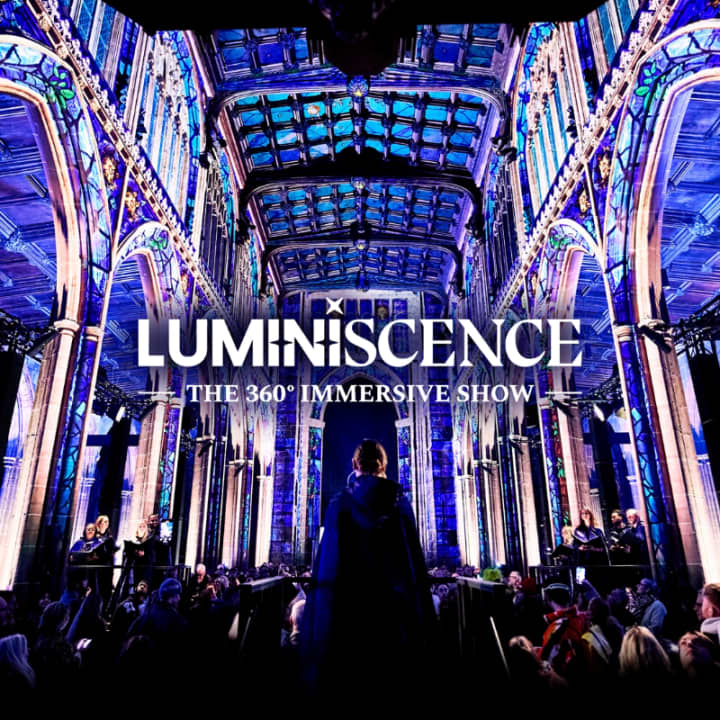
LUMINISCENCE Manchester: The 360° Immersive Show - UK Premiere
Mon, Feb 23 • 7:00 PM
Victoria Street, Manchester, M3 1SX
View details

Bubble Planet: An Immersive Experience in Manchester
Sun, Feb 22 • 2:15 PM
11 Baring Street, Manchester, M1 2PY
View details
Nearby attractions of Salford Museum & Art Gallery
Peel Park
University of Salford
Graystone Action Sports (Skatepark, Trampoline, Bouldering) (Manchester)
Working Class Movement Library
University of Salford, School of Science, Engineering & Environment
New Adelphi
University of Salford - Alumni
Islington Mill
Cathedral Church of St John the Evangelist
Salford Centre for Spiritualism
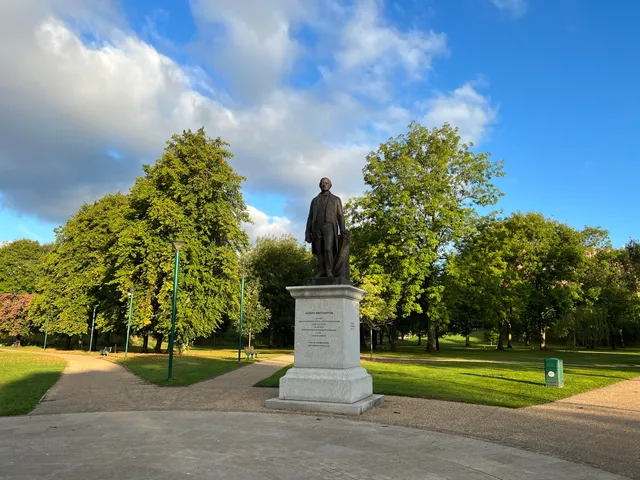
Peel Park
4.6
(944)
Open until 12:00 AM
Click for details

University of Salford
4.4
(353)
Open until 12:00 AM
Click for details

Graystone Action Sports (Skatepark, Trampoline, Bouldering) (Manchester)
4.8
(433)
Open until 10:00 PM
Click for details

Working Class Movement Library
4.5
(20)
Open until 12:00 AM
Click for details
Nearby restaurants of Salford Museum & Art Gallery
The Old Fire Station Bakery
Old Pint Pot
Pizzology – Pizza & Burger Takeaway
McDonald's
Atmosphere
The View Bar and Restaurant
Vero Moderno
Union Tavern
Gelato Salford ltd
Maida Grill House
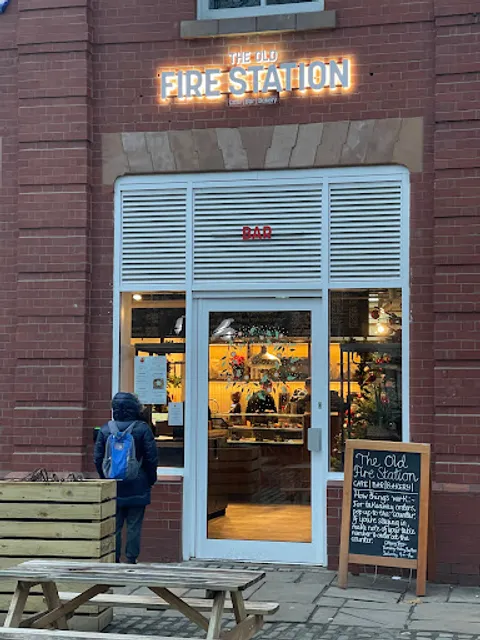
The Old Fire Station Bakery
4.3
(188)
Open until 12:00 AM
Click for details
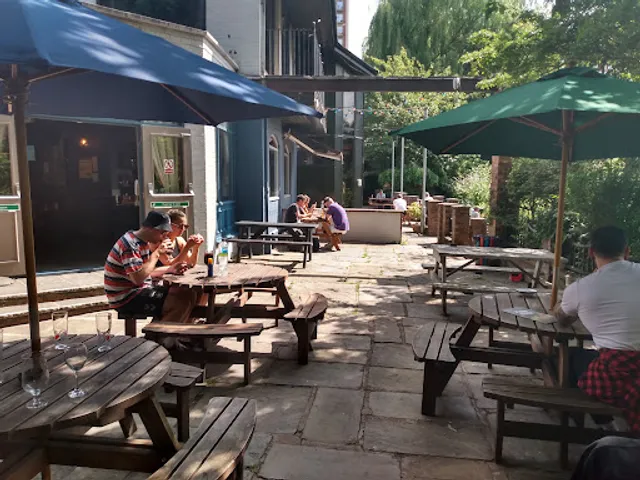
Old Pint Pot
4.3
(729)
$
Open until 12:00 AM
Click for details

Pizzology – Pizza & Burger Takeaway
3.7
(139)
Open until 12:00 AM
Click for details
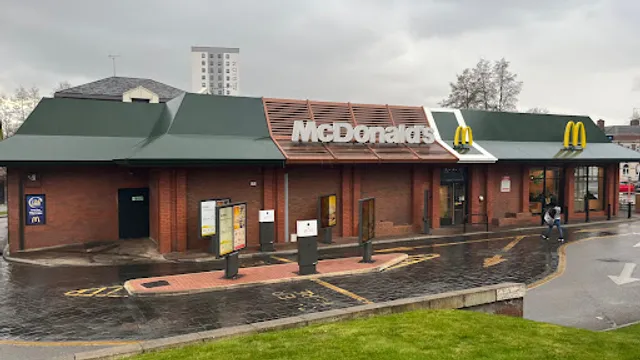
McDonald's
3.7
(1.5K)
Open until 12:00 AM
Click for details
Nearby local services of Salford Museum & Art Gallery
Carfix Manchester
Saint Philips Chapel Street
RE:SCULPT studios
Salford Argos (Inside Sainsbury's)
Manchester Bikes

Carfix Manchester
4.5
(130)
Click for details
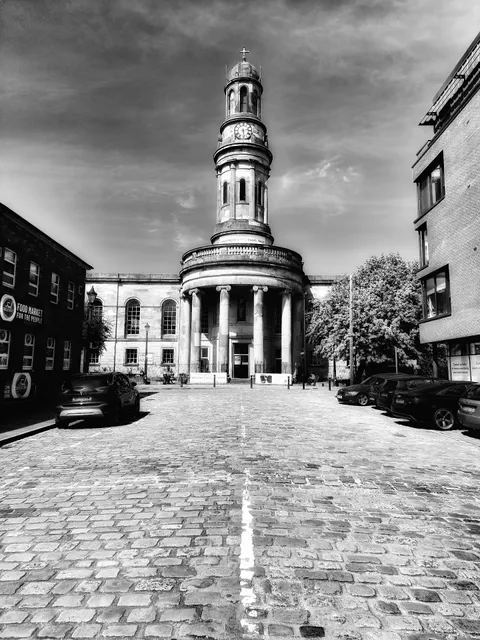
Saint Philips Chapel Street
4.6
(41)
Click for details
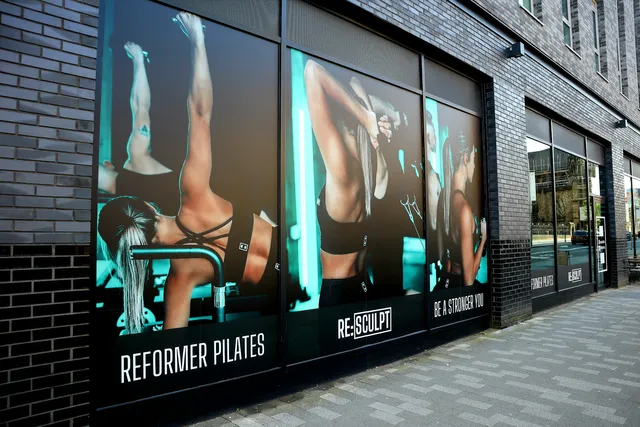
RE:SCULPT studios
4.9
(99)
Click for details
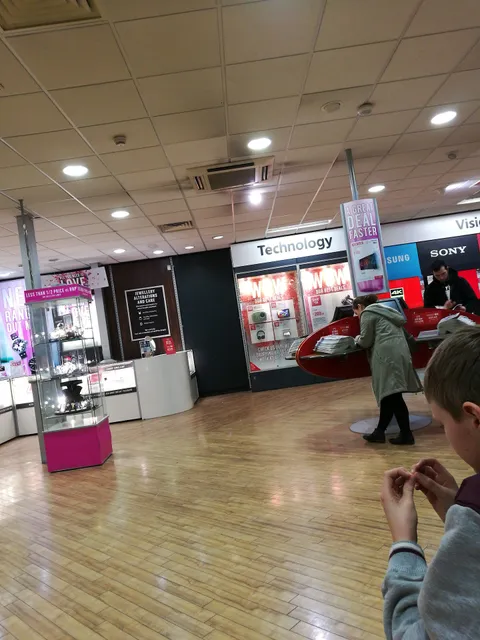
Salford Argos (Inside Sainsbury's)
4.0
(195)
Click for details