John Harvard Statue things to do, attractions, restaurants, events info and trip planning
Basic Info
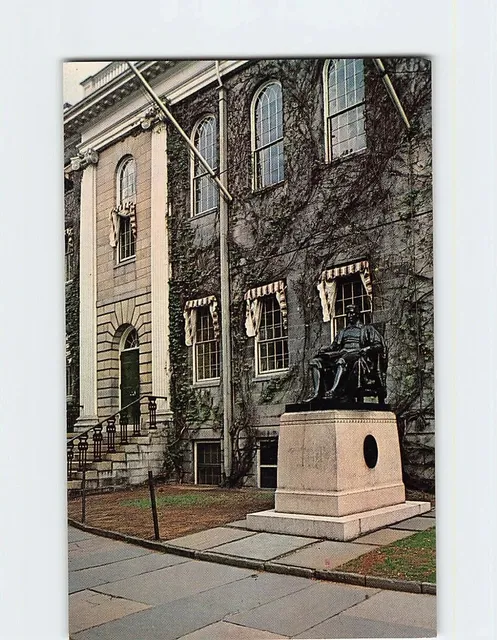
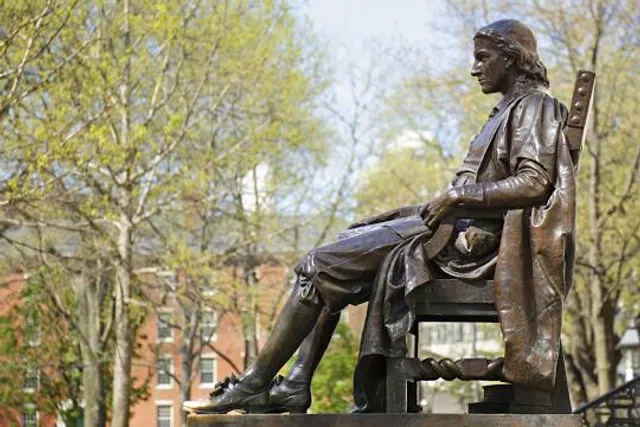
John Harvard Statue
Maxwells Green #1, Cambridge, MA 02138
4.7(733)
Open until 12:00 AM
Save
spot
spot
Ratings & Description
Info
Cultural
Scenic
Family friendly
Accessibility
attractions: Harvard Yard, Harvard University, Harvard Square, Memorial Church, The Harry Elkins Widener Memorial Library, Harvard College, The Sinclair, The Harvard Tour, Sanders Theatre, Tercentenary Theatre, restaurants: Tatte Bakery & Cafe | Harvard Square, Russell House Tavern, Felipe's Taqueria, The Hourly Oyster House, Mr Bartley's Burger Cottage, Hokkaido Ramen Santouka Harvard Square, El Jefe's Taqueria - Harvard Square, Mike's Pastry, The Smoke Shop BBQ - Harvard Square, J.P. Licks, local businesses: Harvard Book Store, Harvard Coop, Harvard Science Center Plaza, Lovepop Harvard Square, Leavitt & Peirce Inc, Harvard Library, Rodney's Bookstore, The Atrium, T-Mobile, Harvard
 Learn more insights from Wanderboat AI.
Phone
(617) 495-1000
Website
cambridgeusa.org
Open hoursSee all hours
SunOpen 24 hoursOpen
Plan your stay

Pet-friendly Hotels in Cambridge
Find a cozy hotel nearby and make it a full experience.

Affordable Hotels in Cambridge
Find a cozy hotel nearby and make it a full experience.

The Coolest Hotels You Haven't Heard Of (Yet)
Find a cozy hotel nearby and make it a full experience.

Trending Stays Worth the Hype in Cambridge
Find a cozy hotel nearby and make it a full experience.
Reviews
Live events
Bostons Politically Incorrect North End Food Tour
Sun, Feb 22 • 11:30 AM
Boston, Massachusetts, 02113
View details
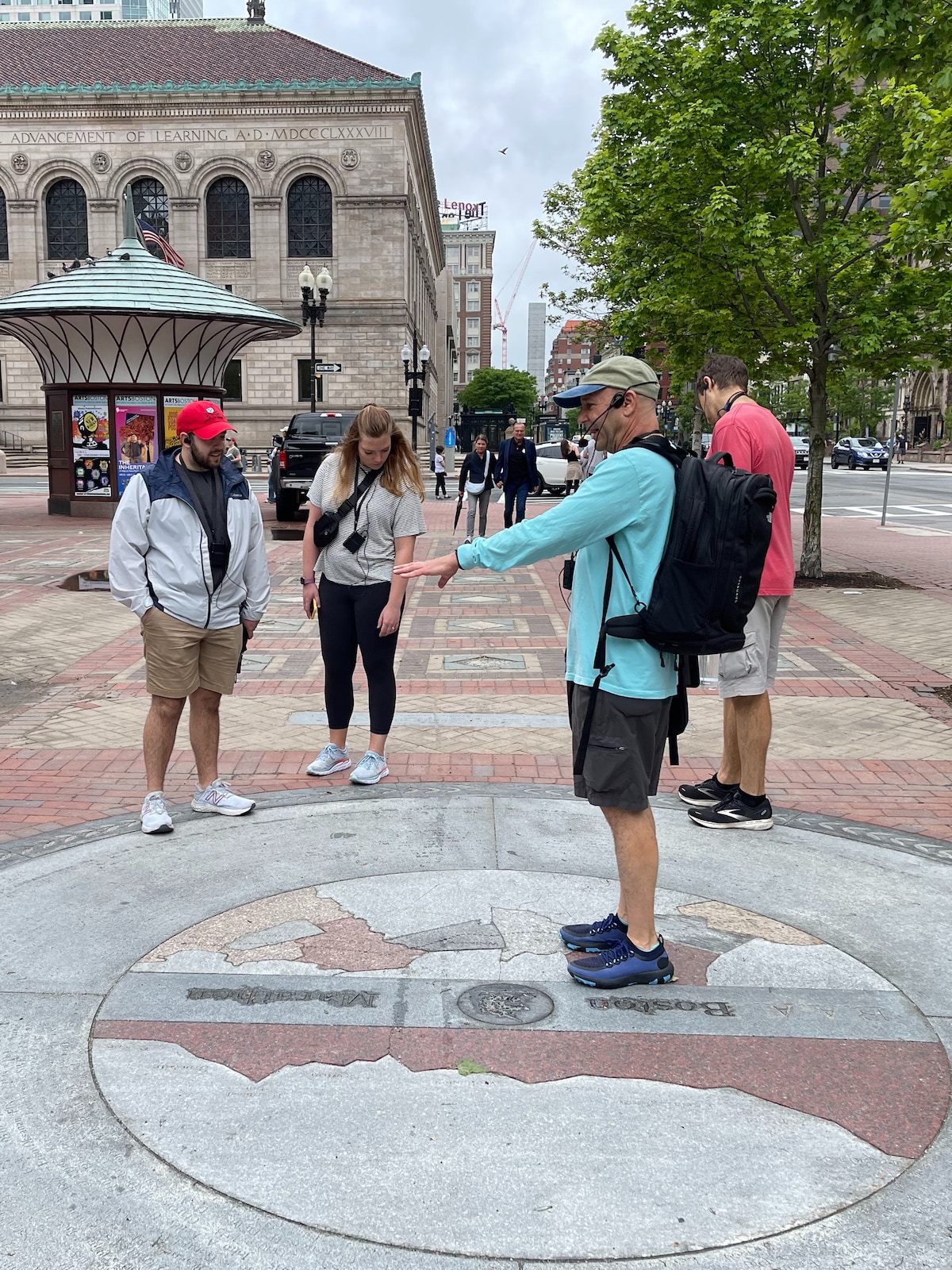
Walk your way through Bostons history
Sun, Feb 22 • 9:30 AM
Boston, Massachusetts, 02199
View details

Rare/High-End Laphroaig Tasting & Dinner with Simon Brooking
Thu, Feb 26 • 6:30 PM
45 Union Street Newton, MA 02459
View details
Nearby attractions of John Harvard Statue
Harvard Yard
Harvard University
Harvard Square
Memorial Church
The Harry Elkins Widener Memorial Library
Harvard College
The Sinclair
The Harvard Tour
Sanders Theatre
Tercentenary Theatre
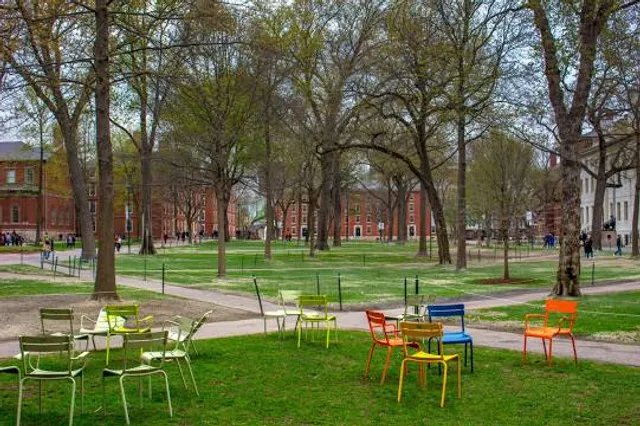
Harvard Yard
4.7
(2.4K)
Open until 12:00 AM
Click for details
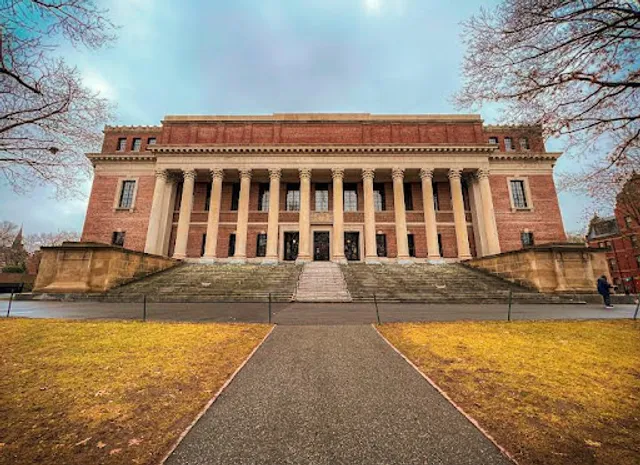
Harvard University
4.6
(4.8K)
Open until 12:00 AM
Click for details
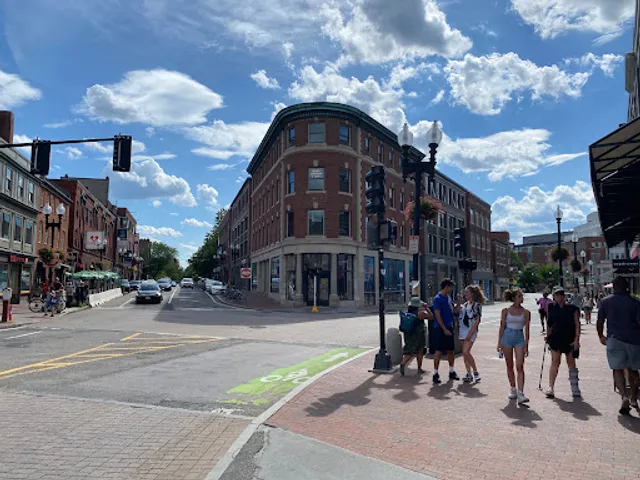
Harvard Square
4.6
(676)
Open until 12:00 AM
Click for details
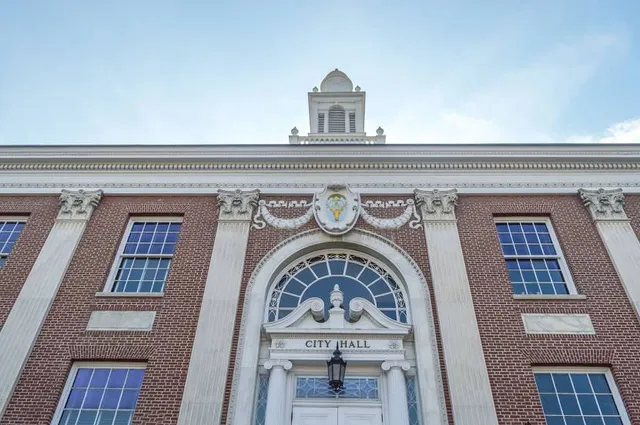
Memorial Church
4.6
(144)
Open 24 hours
Click for details
Nearby restaurants of John Harvard Statue
Tatte Bakery & Cafe | Harvard Square
Russell House Tavern
Felipe's Taqueria
The Hourly Oyster House
Mr Bartley's Burger Cottage
Hokkaido Ramen Santouka Harvard Square
El Jefe's Taqueria - Harvard Square
Mike's Pastry
The Smoke Shop BBQ - Harvard Square
J.P. Licks

Tatte Bakery & Cafe | Harvard Square
4.4
(1.3K)
$
Closed
Click for details
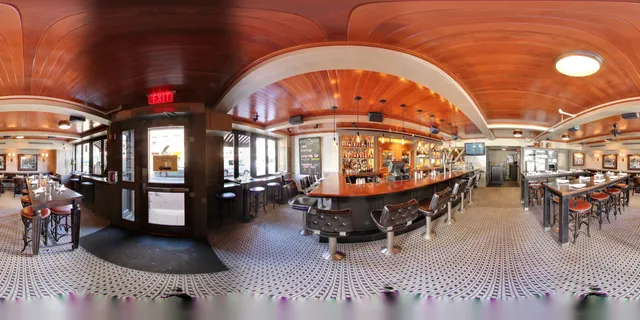
Russell House Tavern
4.3
(1.4K)
$$
Closed
Click for details
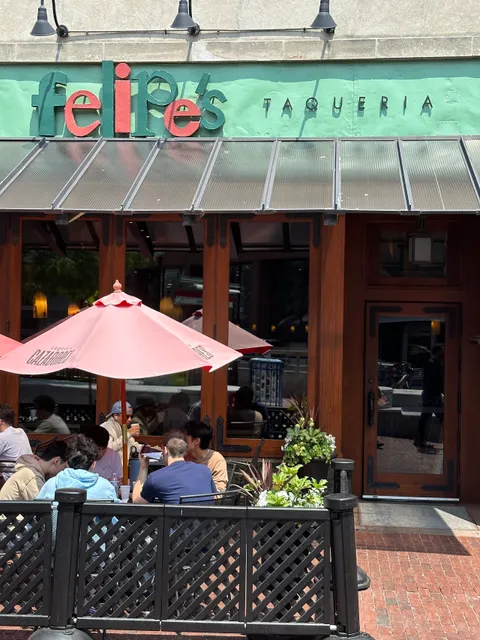
Felipe's Taqueria
4.4
(1.8K)
$
Open until 1:00 AM
Click for details
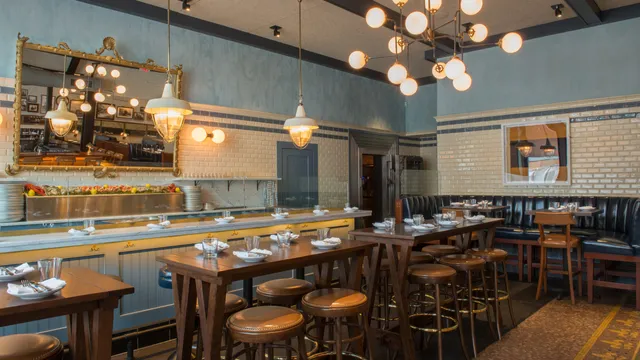
The Hourly Oyster House
4.6
(718)
$$
Closed
Click for details
Nearby local services of John Harvard Statue
Harvard Book Store
Harvard Coop
Harvard Science Center Plaza
Lovepop Harvard Square
Leavitt & Peirce Inc
Harvard Library
Rodney's Bookstore
The Atrium
T-Mobile
Harvard
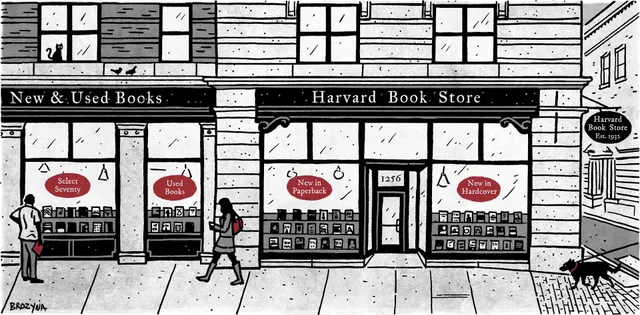
Harvard Book Store
4.7
(1.3K)
Click for details
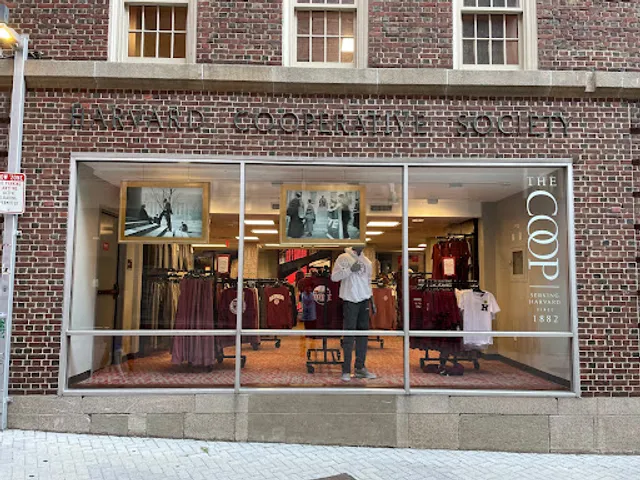
Harvard Coop
4.4
(851)
Click for details
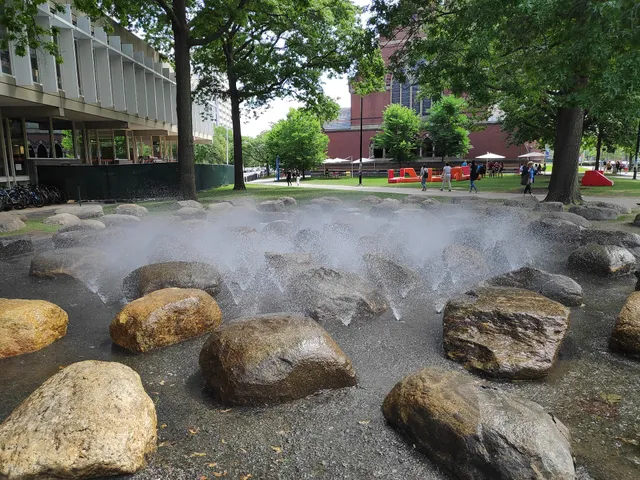
Harvard Science Center Plaza
4.6
(174)
Click for details
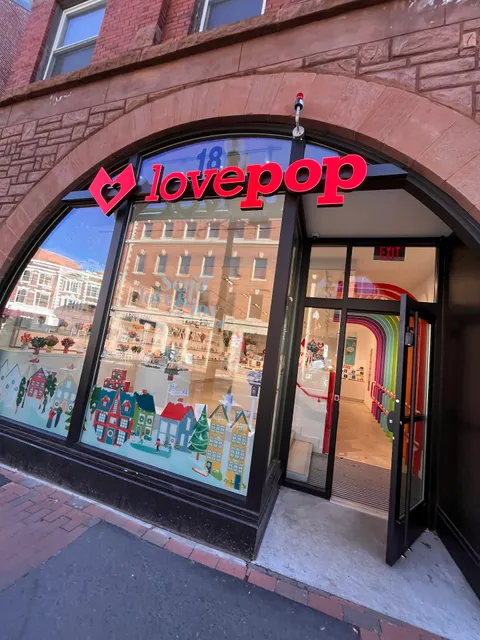
Lovepop Harvard Square
4.9
(386)
Click for details