MUST READ -IMPORTANT
Living in a college dormitory is often seen as a rite of passage, filled with opportunities for personal growth and the forging of new friendships. However, my experience was marred by a deeply unsettling incident involving my dorm roommate and my sister that challenged my beliefs and values. When I discovered that my roommate was engaging in sexual relations with my sister, it prompted a critical examination of boundaries, consent, and familial protection.
My sister's visit to my college was meant to be a joyful reunion. I had eagerly anticipated spending quality time with her, sharing stories from my campus life, and showing her around. Unfortunately, that excitement quickly turned to shock and discomfort as I became aware of my roommate's actions. The very idea of my sister being involved in such a relationship with someone I lived closely with felt not only inappropriate but also threatening to the trust and safety I had expected in both my living situation and our family dynamics.
My roommate, in an attempt to establish a laid-back and casual atmosphere, crossed several lines. While I understood that college is a time for exploring one's sexuality, I was shocked that my roommate would engage in such an intimate act with someone so close to me, especially without any discussion or forewarning. The lack of consideration for our familial bond left me feeling betrayed and disturbed. It created a rift between my roommate and me, as I grappled with feelings of anger and protectiveness toward my sister.
More importantly, this situation raised critical questions about consent and the dynamics of relationships. Engaging in sexual activities is a significant decision that must involve clear communication and respect for all parties involved. The circumstances under which my roommate and my sister became intimate felt hasty and reckless, ignoring the complexities of human relationships. I worried about my sister's emotional state and whether she fully understood the implications of her actions.
As I confronted my roommate about this situation, I found it necessary to establish clear boundaries. I wanted to convey to him that regardless of our living arrangement, there are fundamental ethical considerations when it comes to family members. It was crucial for me to advocate for my sister, ensuring she was not placed in a scenario where she might feel pressured or taken advantage of. This conversation, while uncomfortable, was essential in addressing my concerns and reinforcing the importance of respecting others' boundaries—especially within a familial context.
Consequences of this incident extended beyond my relationship with my roommate; it led to a deep conversation with my sister about her experiences and choices. I wanted to ensure that she felt supported and understood the weight of the decisions she was making. My role as her older sibling is to provide guidance and offer her a safe space to discuss her feelings without judgment.
In conclusion, the incident involving my dorm roommate and my sister was a powerful reminder of the complexities of relationships and the importance of trust, consent, and personal boundaries. While college life is often characterized by exploration and newfound freedoms, it is vital to prioritize respect and the well-being of loved ones. This experience underscored the responsibility I felt to protect my sister and communicate my values, even in challenging circumstances. Ultimately, advocating for those we care about can lead to growth and understanding, reinforcing the bonds of family that should never be compromised.
(DO NOT RECOMMEND. Dropped out of this College/ University and started to gamble and drink various types of liquors...
Read moreHarvard University is a private Ivy Leagueresearch university in Cambridge, Massachusetts, with about 6,700 undergraduate students and about 15,250 post graduate students. Established in 1636 and named for its first benefactor, clergyman John Harvard, Harvard is the United States' oldest institution of higher learning, and its history, influence, and wealth have made it one of the world's most prestigious universities.The Harvard Corporation is its first chartered corporation. Although never formally affiliated with any denomination, the early College primarily trained Congregational and Unitarian clergy. Its curriculum and student body were gradually secularized during the 18th century, and by the 19th century, Harvard had emerged as the central cultural establishment among Boston elites. Following the American Civil War, President Charles W. Eliot's long tenure (1869–1909) transformed the college and affiliated professional schools into a modern research university; Harvard was a founding member of the Association of American Universities in 1900. A. Lawrence Lowell, who followed Eliot, further reformed the undergraduate curriculum and undertook aggressive expansion of Harvard's land holdings and physical plant. James Bryant Conant led the university through the Great Depression and World War II and began to reform the curriculum and liberalize admissions after the war. The undergraduate college became coeducational after its 1977 merger with Radcliffe College. The university is organized into eleven separate academic units—ten faculties and the Radcliffe Institute for Advanced Study—with campuses throughout the Boston metropolitan area: its 209-acre (85 ha) main campus is centered on Harvard Yard in Cambridge, approximately 3 miles (5 km) northwest of Boston; the business school and athletics facilities, including Harvard Stadium, are located across the Charles Riverin the Allston neighborhood of Boston and the medical, dental, and public health schools are in the Longwood Medical Area.The endowment of Harvard's is worth $37.1 billion, making it the largest of any academic institution.
Harvard is a large, highly residential research university.The nominal cost of attendance is high, but the university's large endowment allows it to offer generous financial aid packages. The Harvard Library is the world's largest academic and private library system, comprising 79 individual libraries holding over 18 million items.The University is cited as one of the world's top tertiary institutions by various organizations.
History of Harvard
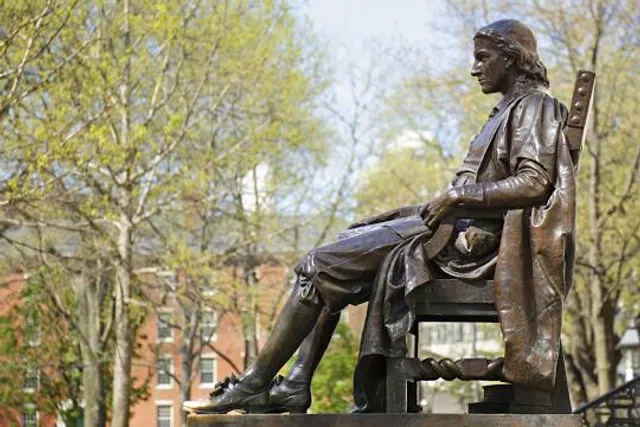
Harvard was established in 1636 by vote of the Great and General Court of the Massachusetts Bay Colony. In 1638, it acquired British North America's first known printing press. In 1639, it was named Harvard College after deceased clergyman John Harvard, an alumnus of the University of Cambridge, who had left the school £779 and his scholar's library of some 400 volumes.The charter creating the Harvard Corporationwas granted in 1650.
A 1643 publication gave the school's purpose as "to advance learning and perpetuate it to posterity, dreading to leave an illiterate ministry to the churches when our present ministers shall lie in the dust"; in its early years trained many Puritan ministers.It offered a classic curriculum on the English university model—many leaders in the colony had attended the University of Cambridge—but conformed to the tenets of Puritanism. It was never affiliated with any particular denomination, but many of its earliest graduates went on to become clergymen in Congregational and...
Read moreI recently had the privilege of visiting Harvard University, and I must say that it was an experience like no other. As soon as I set foot on the historic campus, I was captivated by its aura of excellence and intellectual curiosity. It's no wonder that Harvard is renowned worldwide for its academic prowess and prestigious reputation.
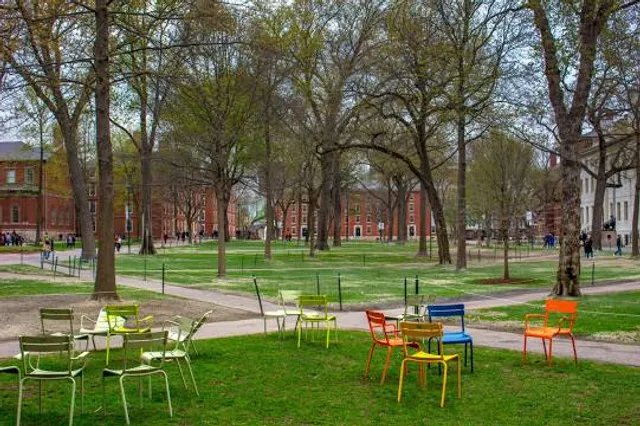
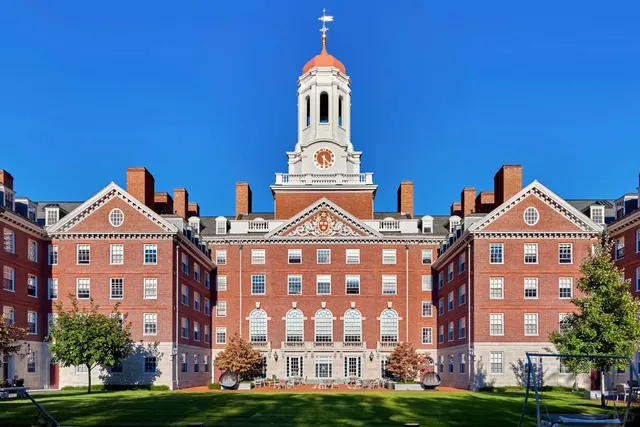
The moment you enter the Harvard Yard, you're immediately immersed in a rich tapestry of architectural marvels and picturesque landscapes. The iconic red-brick buildings, adorned with lush greenery, create an enchanting atmosphere that exudes both tradition and innovation. Every corner of the campus seems to whisper tales of knowledge, achievement, and scholarly pursuits.
The intellectual environment at Harvard is truly inspiring. The vibrant community of students, professors, and scholars fosters an atmosphere of intellectual curiosity and collaboration. Everywhere you go, you can feel the palpable energy of passionate discussions, debates, and the pursuit of knowledge. It's as if the very air is charged with the spirit of innovation and academic excellence.
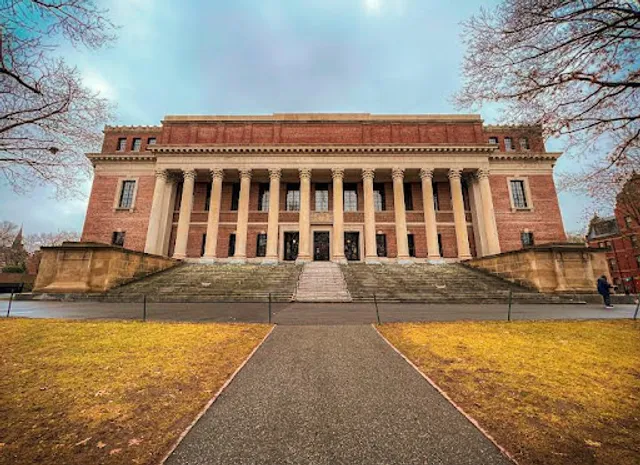
Visiting the Harvard libraries was a highlight of my trip. Stepping into the world-famous Widener Library, I was surrounded by an awe-inspiring collection of books and resources. The hushed whispers and focused gazes of students absorbed in their studies added to the ambiance of scholarly dedication. It was a humbling experience to be in the presence of such intellectual wealth and to witness the dedication of those who strive for academic greatness.
Beyond its academic allure, Harvard offers a wide range of cultural and artistic experiences. The museums and galleries on campus house breathtaking collections of art and artifacts, each with its own story to tell. Whether you're a lover of fine arts, history, or natural sciences, there's something to captivate and inspire you at every turn.
The campus itself is beautifully maintained, providing a tranquil setting for both reflection and exploration. The meticulously manicured lawns, peaceful courtyards, and vibrant gardens offer a welcome escape from the bustling city outside. It's easy to find a quiet spot to sit, ponder, and soak in the intellectual atmosphere that permeates the university.
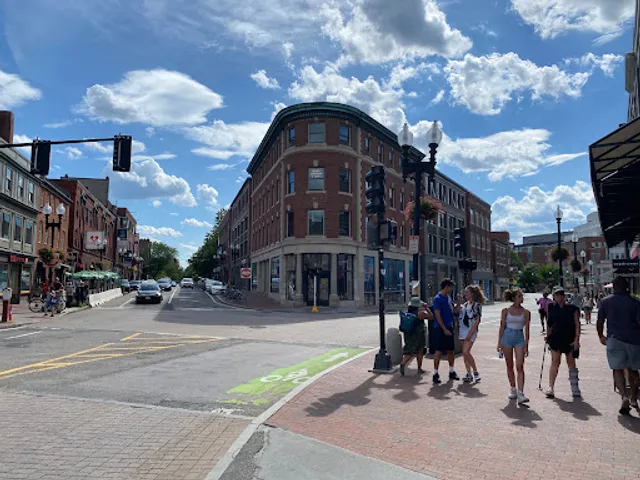
Harvard's location in the vibrant city of Cambridge further adds to its allure. The bustling streets, charming cafes, and diverse cultural scene create a stimulating environment that complements the academic experience. Exploring the surrounding neighborhoods and engaging with the local community provides a holistic view of the rich tapestry of life that thrives in and around the university.
In conclusion, my visit to Harvard University was nothing short of extraordinary. It exceeded my expectations in every aspect. The academic environment, the architectural grandeur, and the vibrant cultural scene all contribute to making Harvard an unparalleled institution. It's a place where brilliance is nurtured, dreams are realized, and the pursuit of knowledge knows no bounds. A visit to Harvard is an experience that will forever stay etched in my memory.
If you're seeking an intellectual haven where the pursuit of knowledge is celebrated, Harvard University should be at the top of your list. It's an embodiment of academic excellence, a beacon of inspiration, and a testament to the power of...
Read more