U.S. Weather Bureau Station things to do, attractions, restaurants, events info and trip planning
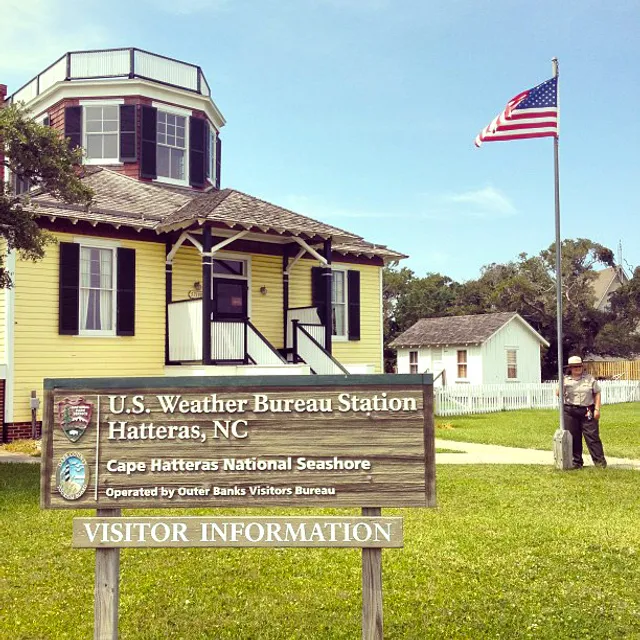
Basic Info
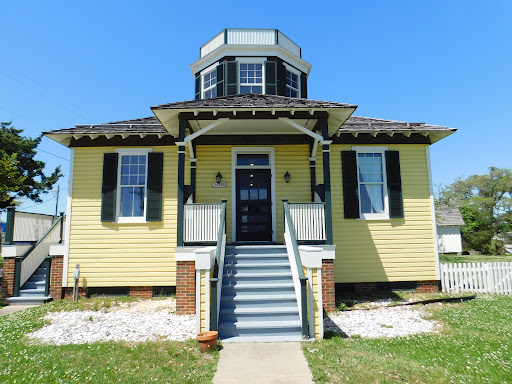
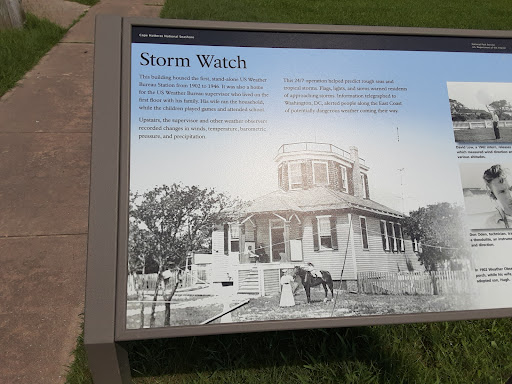
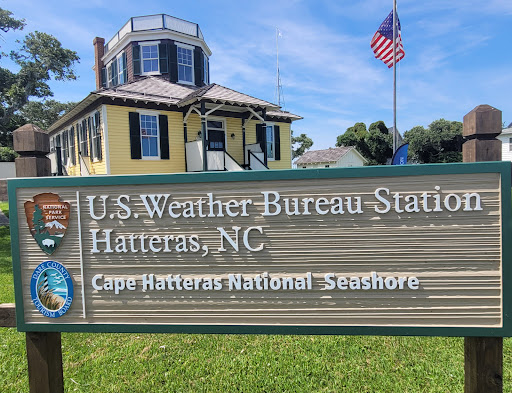
U.S. Weather Bureau Station
57190 Kohler Rd, Hatteras, NC 27943
4.4(32)
Open until 4:00 PM
Save
spot
spot
Ratings & Description
Info
attractions: Blue Pelican Gallery Gifts & Yarn, Hatteras Village Park, Hatteras Island Ocean Center, restaurants: Dancing Turtle Coffee Shop, Sonny's Waterfront Restaurant, Breakwater Restaurant/Waterfront Dining in Hatteras, NC, Scratchmade Snackery, Dinky's Waterfront Restaurant, Harbor Grill, Harbor House Seafood Market, ISOLA Pizzeria and Bar, Happy Belly Ice Cream
 Learn more insights from Wanderboat AI.
Phone
(252) 986-2203
Website
nps.gov
Open hoursSee all hours
Sun9 AM - 4 PMOpen
Plan your stay

Pet-friendly Hotels in Hatteras Island
Find a cozy hotel nearby and make it a full experience.

Affordable Hotels in Hatteras Island
Find a cozy hotel nearby and make it a full experience.

The Coolest Hotels You Haven't Heard Of (Yet)
Find a cozy hotel nearby and make it a full experience.

Trending Stays Worth the Hype in Hatteras Island
Find a cozy hotel nearby and make it a full experience.
Reviews
Nearby attractions of U.S. Weather Bureau Station
Blue Pelican Gallery Gifts & Yarn
Hatteras Village Park
Hatteras Island Ocean Center
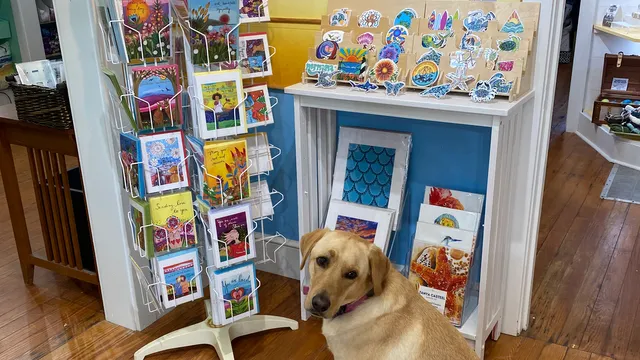
Blue Pelican Gallery Gifts & Yarn
4.8
(97)
Open until 12:00 AM
Click for details
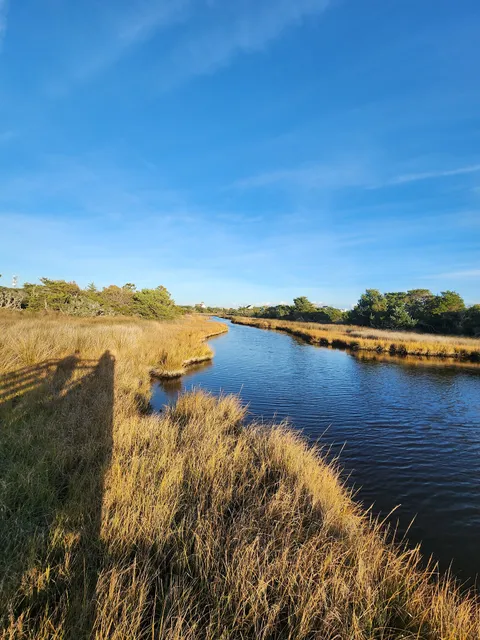
Hatteras Village Park
4.5
(20)
Open until 12:00 AM
Click for details
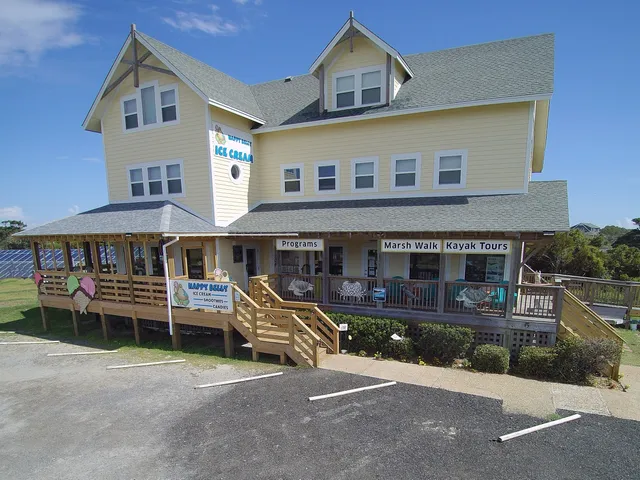
Hatteras Island Ocean Center
4.5
(62)
Open until 12:00 AM
Click for details
Things to do nearby

Narcotics Anonymous
Thu, Jan 15 • 7:30 PM
40336 McMullen Rd, Avon, NC, United States, North Carolina 27915
View details

OPEN MIC NIGHT in MIDWEST CITY
Thu, Jan 15 • 10:00 PM
lumpy's, 29 Lumpys Rd, Ocracoke, NC 27960-1246, United States
View details
Nearby restaurants of U.S. Weather Bureau Station
Dancing Turtle Coffee Shop
Sonny's Waterfront Restaurant
Breakwater Restaurant/Waterfront Dining in Hatteras, NC
Scratchmade Snackery
Dinky's Waterfront Restaurant
Harbor Grill
Harbor House Seafood Market
ISOLA Pizzeria and Bar
Happy Belly Ice Cream
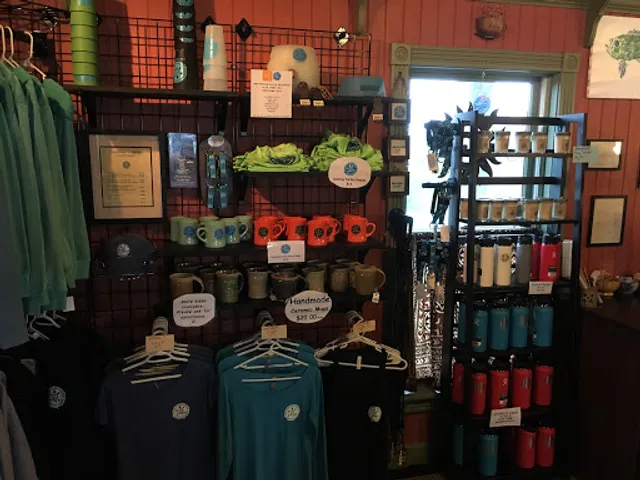
Dancing Turtle Coffee Shop
4.7
(339)
$
Click for details
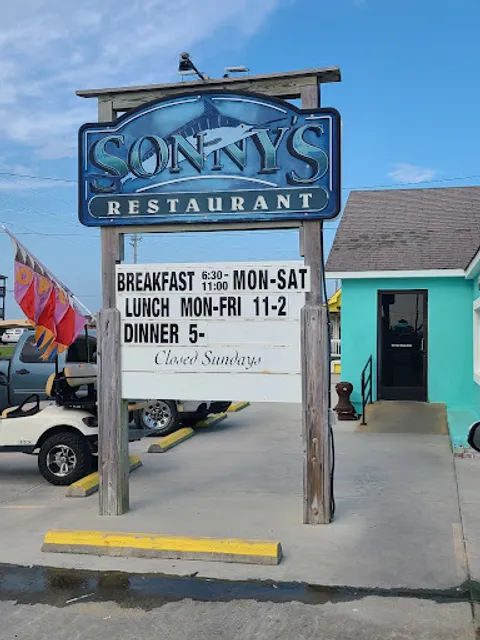
Sonny's Waterfront Restaurant
4.5
(779)
$
Open until 12:00 AM
Click for details
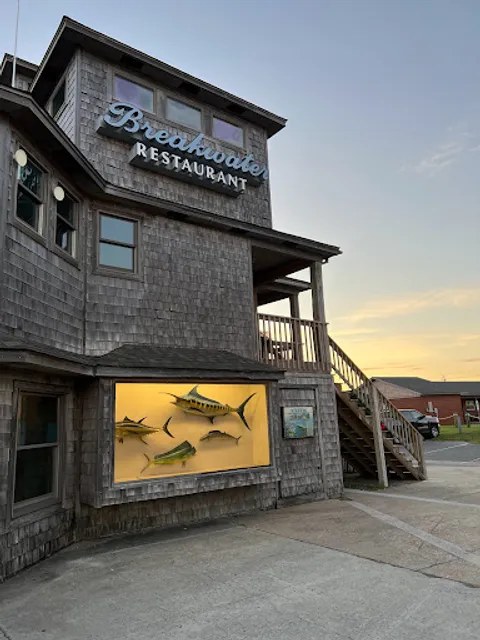
Breakwater Restaurant/Waterfront Dining in Hatteras, NC
4.3
(324)
$$
Open until 12:00 AM
Click for details
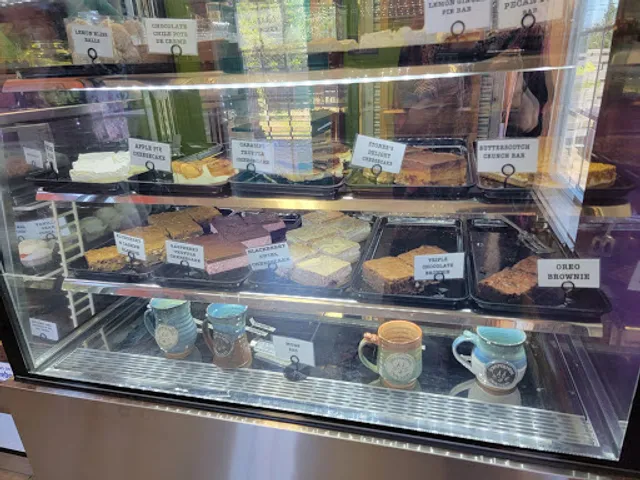
Scratchmade Snackery
4.8
(176)
$
Click for details