Maui Nui Botanical Gardens things to do, attractions, restaurants, events info and trip planning
Basic Info
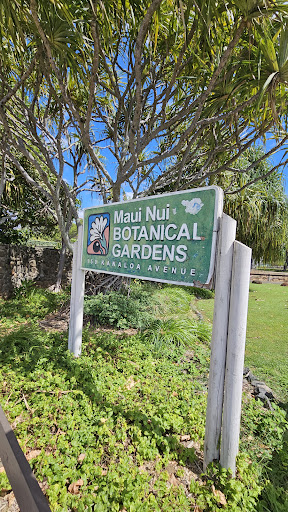
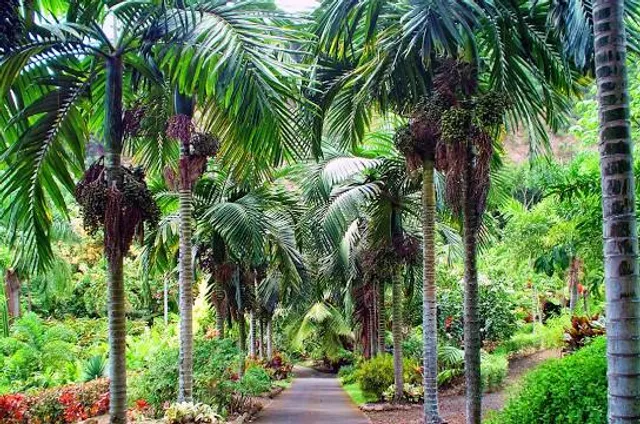
Maui Nui Botanical Gardens
150 Kanaloa Ave, Kahului, HI 96732
4.2(263)
Open until 4:00 PM

tickets
Save
spot
spot
Ratings & Description
Info
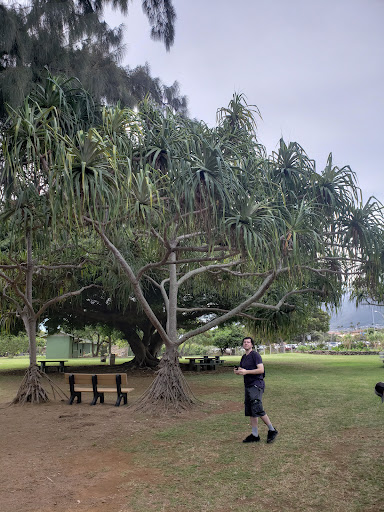
Maui Nui Botanical Gardens formerly known as the Maui Zoological and Botanical Gardens, are botanical gardens covering 5 acres and located at 150 Kanaloa Avenue, Kahului, Maui, Hawaii.
Outdoor
Scenic
Relaxation
Cultural
Family friendly
Accessibility
Pet friendly
attractions: The War Memorial Sports Complex, Keopuolani Regional Park, War Memorial Stadium, Maui Arts & Cultural Center, Castle Theater, Hui Aloha Playground, University of Hawaiʻi Maui College, Papohaku Park, Maui Exposition, Kahului Beach, restaurants: Ululani's Hawaiian Shave Ice - Wailuku, Tiffany's Restaurant & Bar, Kalei's Lunchbox - Maui Lani, M Sushi, Fiesta Time Wailuku, Tokyo Tei, Da Babooze Bar, Velzyland Burger Co., Umi Maui, Wow Good Restaurant, local businesses: Maui Macaroons, Maui Swap Meet, Habitat For Humanity Restore, Pu'uone Plaza, Hui No Ke Ola Pono, Certified Sounds LLC, Maui Memorial Medical Center, Maui Airport Taxi-Shuttle, Maui Lani Shopping Center, University of Hawai'i Maui Bookstore
 Learn more insights from Wanderboat AI.
Phone
(808) 249-2798
Website
mnbg.org
Open hoursSee all hours
Wed8 AM - 4 PMOpen
Plan your stay

Pet-friendly Hotels in Maui
Find a cozy hotel nearby and make it a full experience.

Affordable Hotels in Maui
Find a cozy hotel nearby and make it a full experience.

The Coolest Hotels You Haven't Heard Of (Yet)
Find a cozy hotel nearby and make it a full experience.

Trending Stays Worth the Hype in Maui
Find a cozy hotel nearby and make it a full experience.
Reviews
Live events
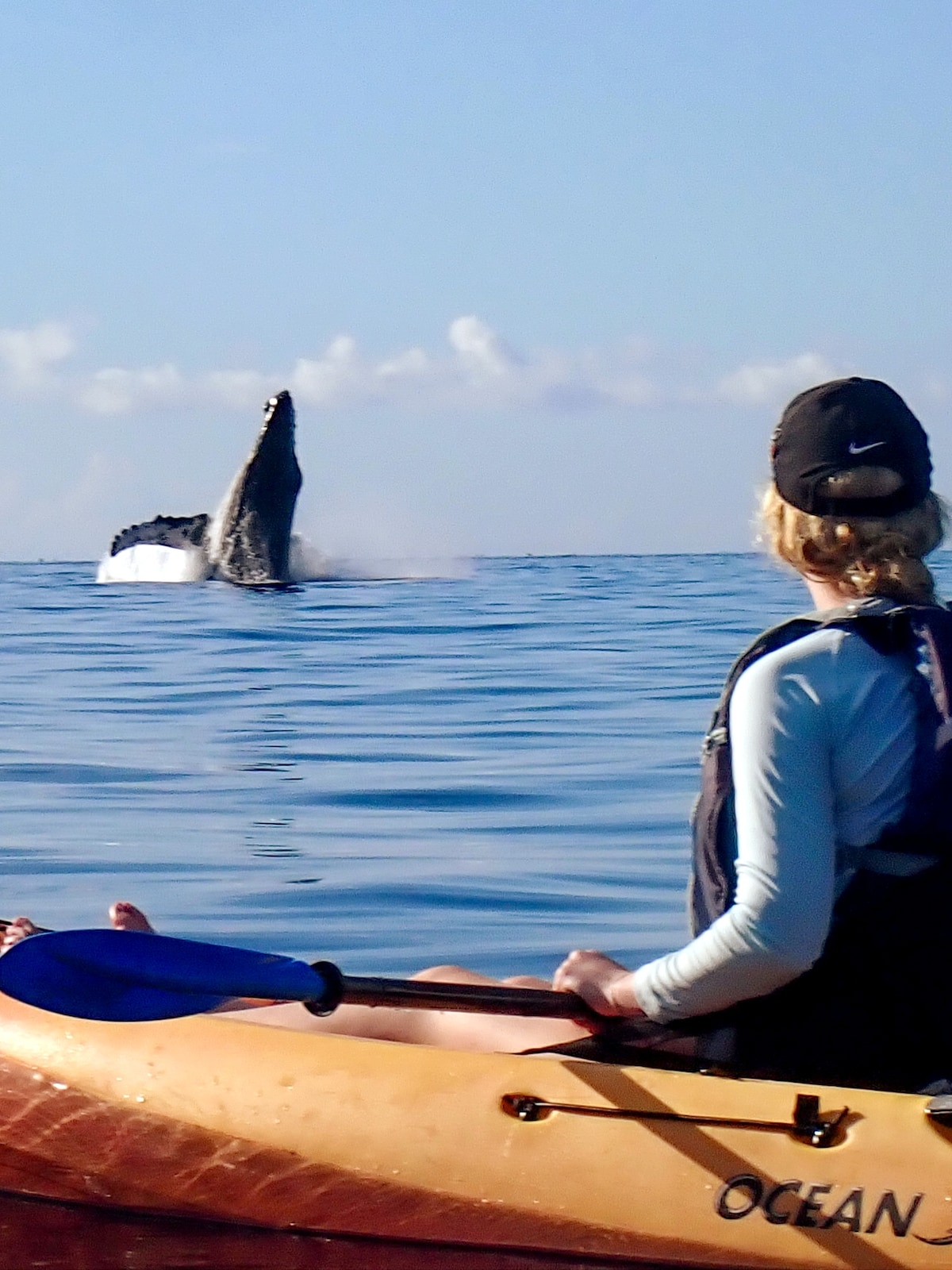
Kayak with Humpback Whales
Fri, Feb 27 • 7:00 AM
Kihei, Hawaii, 96753
View details
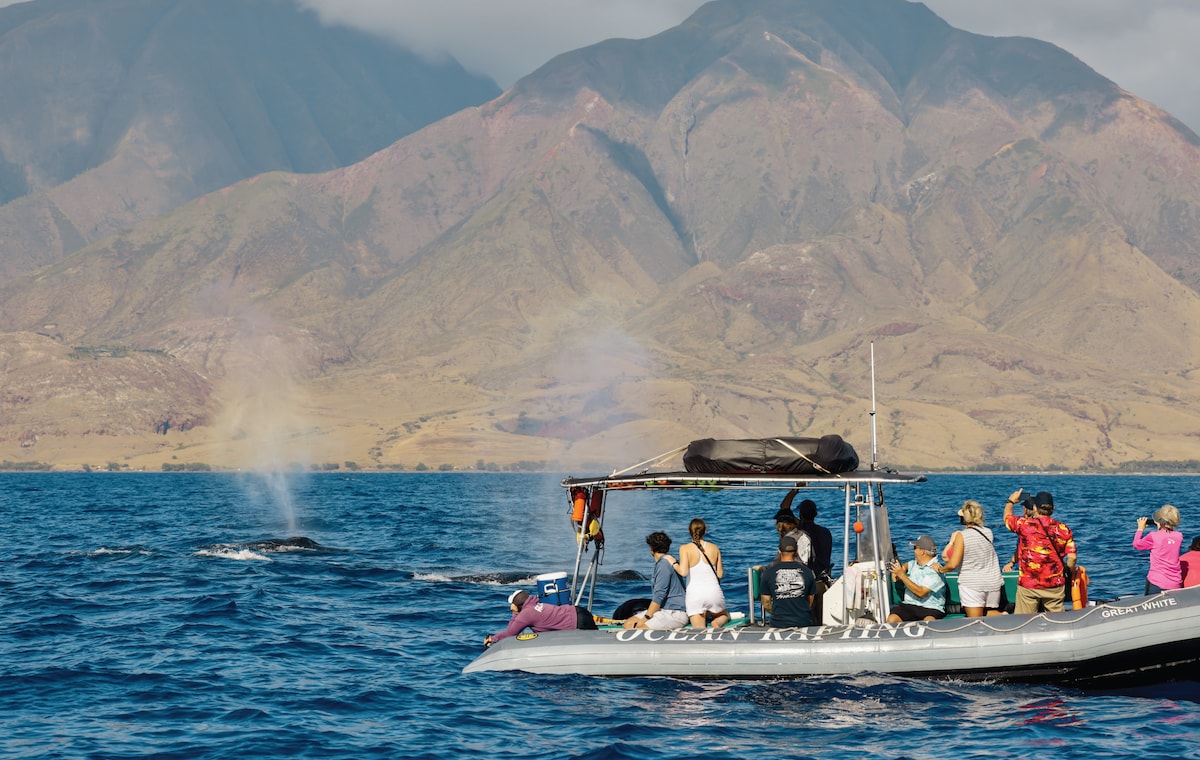
Maui Whale or Dolphin Watch on Eco-Raft
Wed, Feb 25 • 3:45 PM
Lahaina, Hawaii, 96761
View details
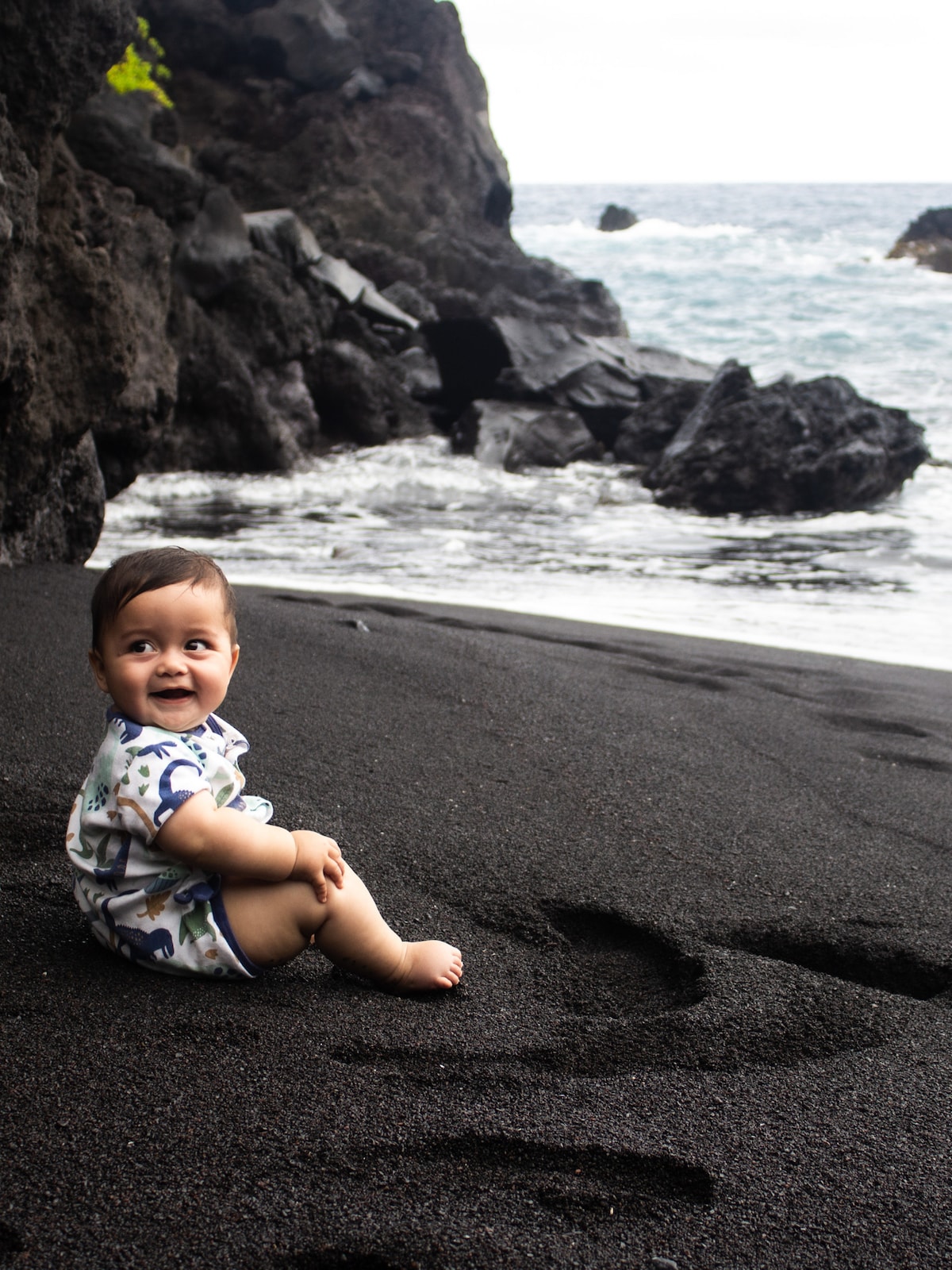
Road To Hana Captured In Photography & Video
Wed, Feb 25 • 9:00 AM
Kahului, Hawaii, 96732
View details
Nearby attractions of Maui Nui Botanical Gardens
The War Memorial Sports Complex
Keopuolani Regional Park
War Memorial Stadium
Maui Arts & Cultural Center
Castle Theater
Hui Aloha Playground
University of Hawaiʻi Maui College
Papohaku Park
Maui Exposition
Kahului Beach
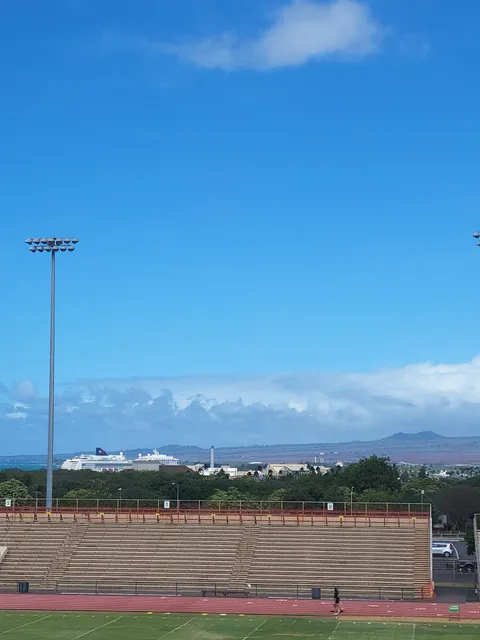
The War Memorial Sports Complex
4.3
(130)
Open 24 hours
Click for details
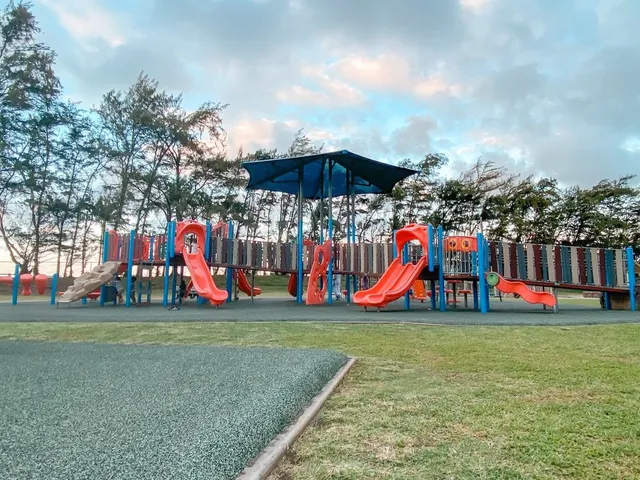
Keopuolani Regional Park
4.5
(352)
Open until 7:00 PM
Click for details
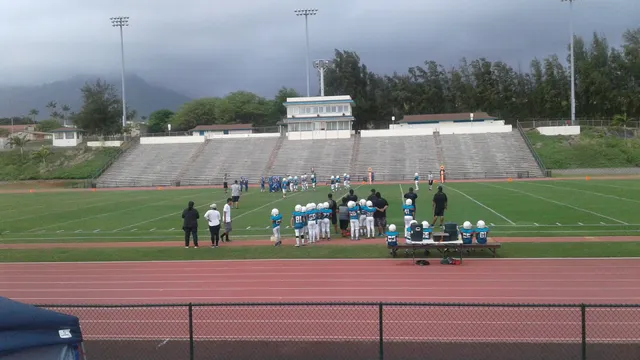
War Memorial Stadium
4.4
(92)
Open 24 hours
Click for details
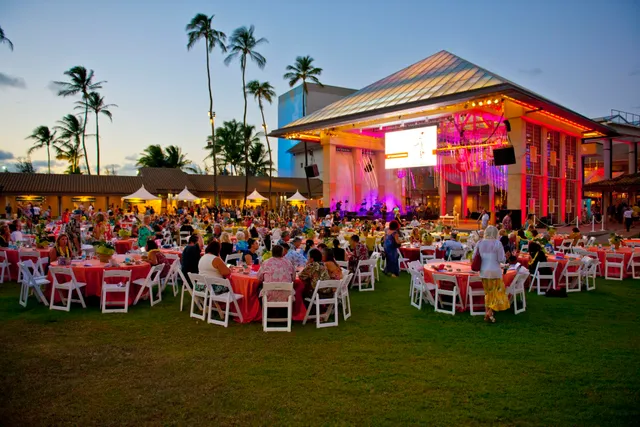
Maui Arts & Cultural Center
4.7
(47)
Open 24 hours
Click for details
Nearby restaurants of Maui Nui Botanical Gardens
Ululani's Hawaiian Shave Ice - Wailuku
Tiffany's Restaurant & Bar
Kalei's Lunchbox - Maui Lani
M Sushi
Fiesta Time Wailuku
Tokyo Tei
Da Babooze Bar
Velzyland Burger Co.
Umi Maui
Wow Good Restaurant
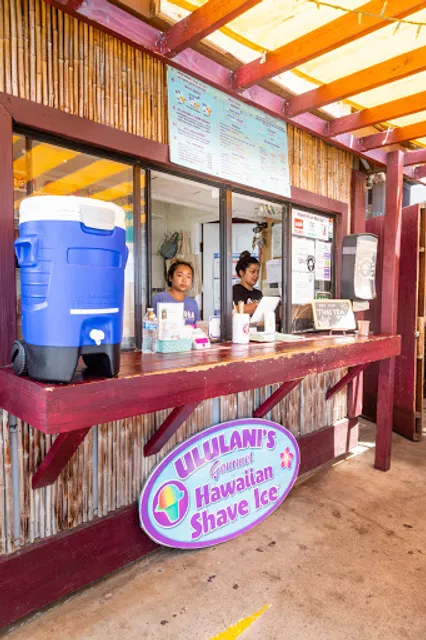
Ululani's Hawaiian Shave Ice - Wailuku
4.7
(247)
$
Open until 6:00 PM
Click for details
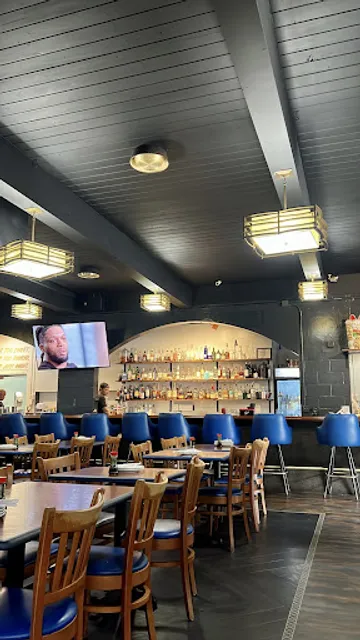
Tiffany's Restaurant & Bar
4.5
(557)
$$
Closed
Click for details
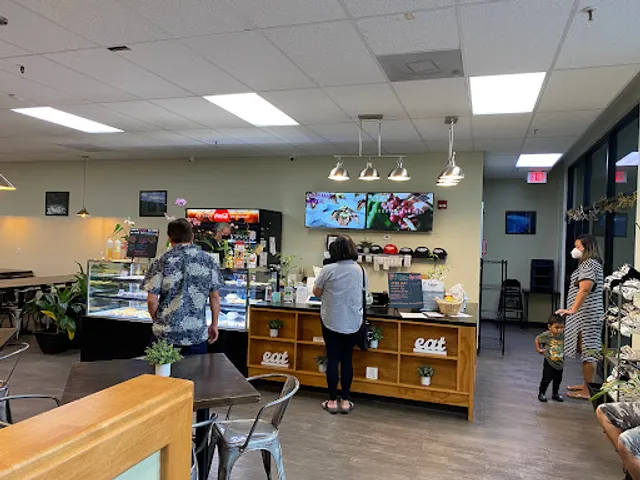
Kalei's Lunchbox - Maui Lani
4.6
(185)
$
Open until 8:00 PM
Click for details

M Sushi
4.6
(130)
$$
Closed
Click for details
Nearby local services of Maui Nui Botanical Gardens
Maui Macaroons
Maui Swap Meet
Habitat For Humanity Restore
Pu'uone Plaza
Hui No Ke Ola Pono
Certified Sounds LLC
Maui Memorial Medical Center
Maui Airport Taxi-Shuttle
Maui Lani Shopping Center
University of Hawai'i Maui Bookstore
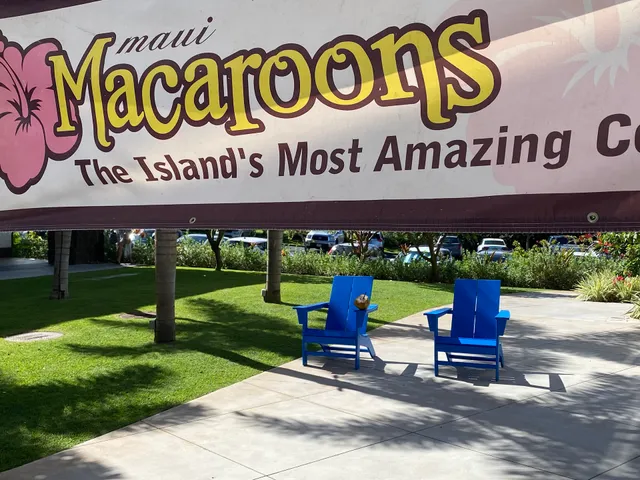
Maui Macaroons
5.0
(42)
Click for details
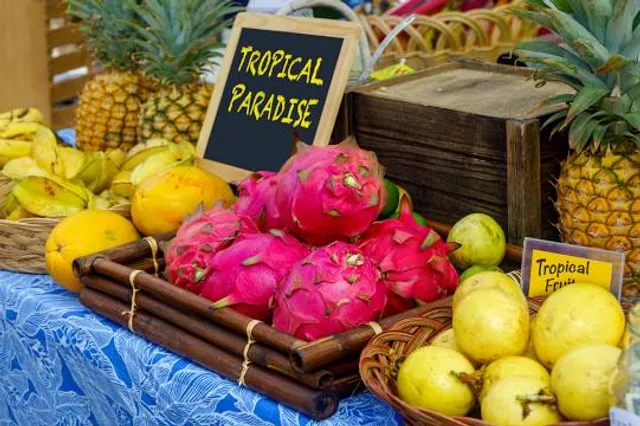
Maui Swap Meet
4.6
(545)
Click for details

Habitat For Humanity Restore
4.5
(58)
Click for details
Pu'uone Plaza
4.0
(42)
Click for details