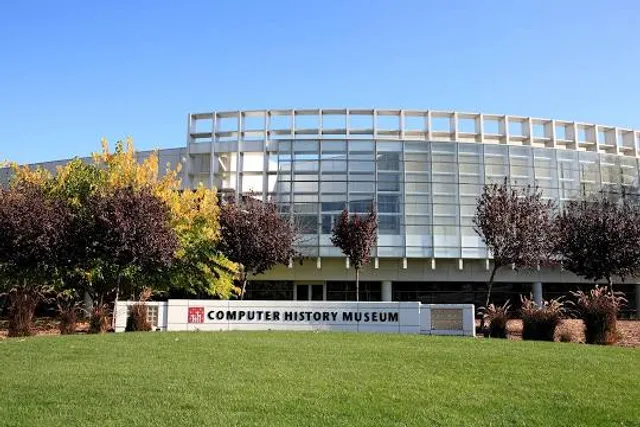
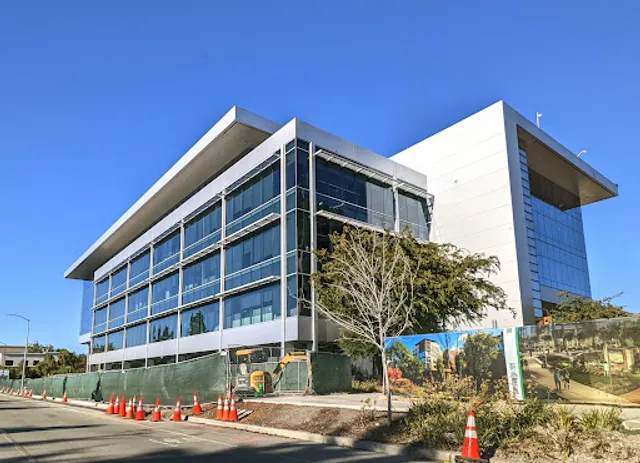
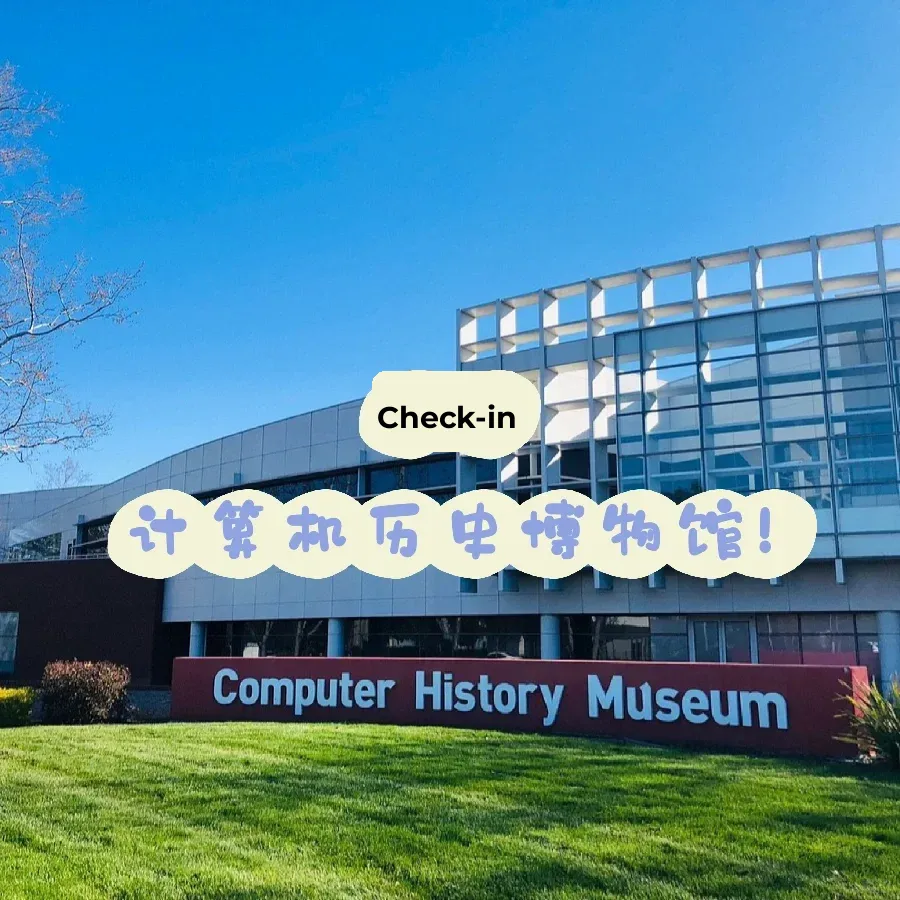
Nestled in the heart of Silicon Valley, the Computer History Museum is a mesmerizing tribute to the evolution of technology, offering visitors an immersive journey through the captivating history of computing. From the early days of room-sized machines to the digital revolution, this museum is a treasure trove for tech enthusiasts and curious minds alike.
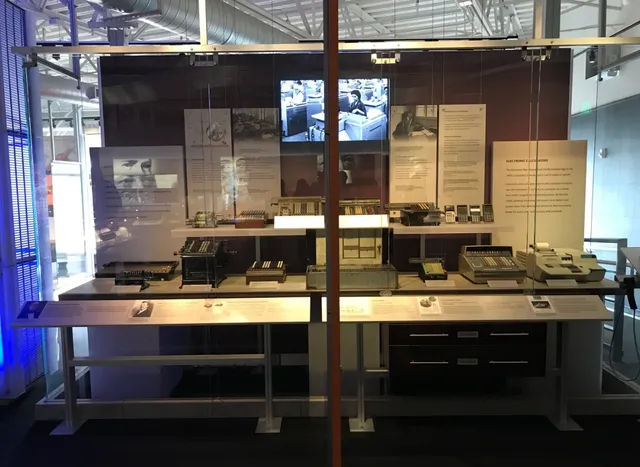
Exhibits and Artifacts: The museum's exhibits are a meticulously curated collection of artifacts that tell the story of computing. From iconic mainframes to the first personal computers, each display is a fascinating glimpse into the technological milestones that have shaped our world. The abundance of artifacts, including vintage computers, peripherals, and memorabilia, creates a nostalgic and awe-inspiring atmosphere.
Interactive Displays: What sets the Computer History Museum apart is its commitment to interactivity. Visitors can engage with hands-on displays, allowing them to experience the evolution of user interfaces, programming languages, and the ever-evolving world of software. The interactive exhibits cater to tech-savvy individuals and those new to the world of computing.
Historical Narratives: The museum seamlessly weaves historical narratives into the technological timeline. Informative displays, multimedia presentations, and engaging storytelling provide context to each era, making the complex world of computing accessible and intriguing for visitors of all backgrounds.
Innovation and Pioneers: The exhibits pay homage to the innovators and pioneers who have shaped the digital landscape. From the genius of Alan Turing to the entrepreneurial spirit of Silicon Valley, the museum celebrates the individuals who have transformed ideas into technological revolutions.
Revolutionary Milestones: Walking through the museum feels like a journey through time, with exhibits dedicated to groundbreaking moments such as the birth of the internet, the rise of personal computing, and the mobile revolution. Each section highlights the societal impact of these technological milestones.
Thoughtful Design and Layout: The museum's layout is thoughtfully designed, guiding visitors through a chronological exploration of computing history. Clear signage, well-organized exhibits, and comfortable spaces for reflection enhance the overall experience.
Educational Programs and Events: The Computer History Museum offers educational programs and events that cater to students, educators, and technology enthusiasts. Workshops, lectures, and special exhibits provide additional layers of engagement for those eager to delve deeper into the world of computing.
Tech Time Capsule: The museum's dedication to preserving the artifacts and stories of computing is akin to a time capsule. It not only reflects on the past but serves as a dynamic resource for understanding the present and envisioning the future of technology.
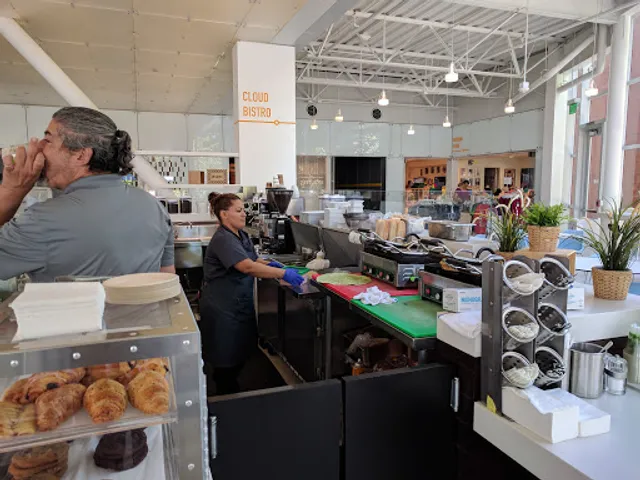
Accessibility and Amenities: The museum is wheelchair accessible, and amenities such as a gift shop and a cafe ensure that visitors can fully immerse themselves in the experience without any logistical hindrances.
Conclusion: The Computer History Museum in Silicon Valley is a testament to human ingenuity and the relentless pursuit of progress. It's not just a museum; it's a living narrative of how computing has shaped our world. Whether you're a tech enthusiast, a history buff, or simply curious about the digital realm, this museum offers a captivating and enlightening journey through the heart of...
Read moreThis is a big building with a bunch of rare old technology, which is kind of neat, but I was blown away at how poorly this museum was curated. I ended up feeling like I was walking through a garage sale, not a history museum.
A museum should do three things:
I'm an electrical engineer who has a deep interest in technical history, and I had some familiarity with most of the items exhibited. I traveled to the museum with engineering colleagues, and had to spend most of the time doing the work the museum should have done — trying to explain how each item worked, how it related to other items, and what was going on in the background historically that made the item important.
As a result, this place felt less like a museum and more like a dressed-up garage full of old stuff. A great example: the museum has an amazing collection of different memory technologies (mercury delay-line memory, core memory, CMOS RAM, etc), but all of it is spread out in different rooms, with no explanation or contextualization. They should be grouped together, with a clear narrative thread weaving them together.
Another example is that there are multiple punchcard sorting machines on display, with no rhyme or reason as to why they're all shown. They look kind of neat, I guess, but I don't know that I need to see three or four of them. If there's an important distinction between them, it wasn't made.
Meanwhile, most items are presented with little more than a small card explaining what they were and when they were manufactured. If the museum can't bother to explain how the item works or what its historical significance is, they shouldn't bother displaying the item.
The more modern stuff is slightly better curated, but again, simple historical threads that should be easy to curate — like the history of the computer mouse — are unfocused and poorly done.
I imagine many nerds like me who more or less know this stuff will smile to see these rare artifacts in person, but as museums go, this isn't particularly well-executed.
All in all, I left the museum thinking to myself, "OK, so what?" — a feeling I'm not sure I've ever had after walking out of any...
Read moreLocated in Mountain View, the Computer History Museum is a captivating journey through the evolution of computing technology, offering insights into its profound impact on society. As technology enthusiasts, we were eager to explore its extensive collection, spanning from early mechanical calculators to modern-day innovations.
The museum itself is a treasure trove of historical artifacts and interactive exhibits that vividly illustrate key milestones in computing history. Walking through the exhibits, we marveled at early computers like the ENIAC and Colossus, marveling at their massive size and imagining the ingenuity required to create them.
One highlight of our visit was the opportunity to interact with exhibits towards the end of the museum. Here, visitors can experience firsthand the evolution of user interfaces and gaming technology. However, we felt that these interactive elements could have been integrated earlier in the tour to enhance engagement throughout the visit.
During our time at the museum, they were showcasing a retro game collection, which unfortunately left us somewhat underwhelmed. The collection was smaller than expected, lacking some of the iconic titles that defined early gaming history. While it provided a glimpse into gaming's past, we left wishing for a more comprehensive representation of this pivotal aspect of computing history.
Despite this minor disappointment, the Computer History Museum remains a must-visit for anyone passionate about technology. Its comprehensive displays and educational presentations offer valuable insights into how computers have evolved from room-sized machines to handheld devices that shape our daily lives. Whether you're a tech enthusiast or simply curious about the origins of the digital age, the museum provides a fascinating journey through time that is both informative...
Read more