Dickson Azalea Park things to do, attractions, restaurants, events info and trip planning
Basic Info
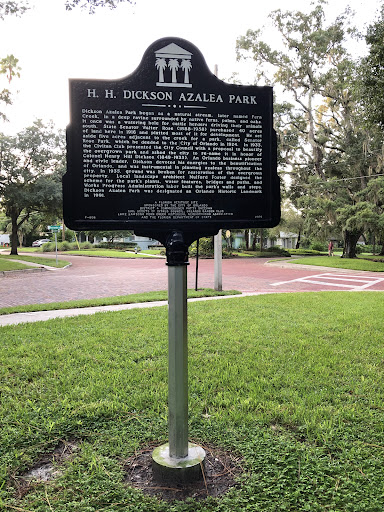
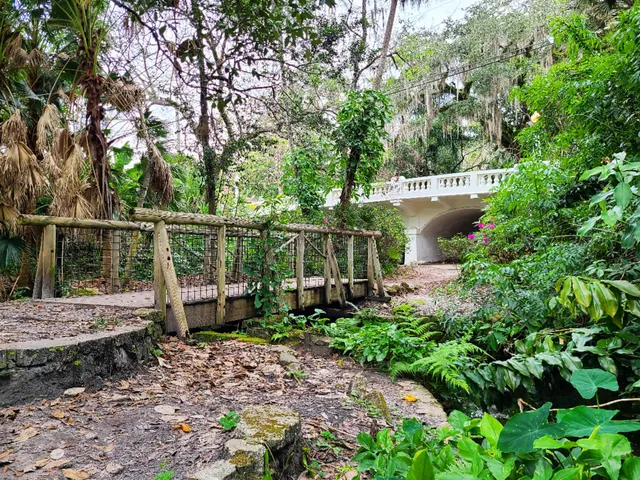
Dickson Azalea Park
100 Rosearden Dr, Orlando, FL 32803
4.7(506)
Open until 8:30 PM
Save
spot
spot
Ratings & Description
Info
Outdoor
Scenic
Relaxation
Family friendly
Pet friendly
attractions: Mayor Carl T. Langford Park, Hampton Park, Lake Lawsona Park, restaurants: Maxine's On Shine, Stasio's Italian Deli & Market, Otto’s High Dive, Sideward Brewing Co., Saigon Noodle & Grill, Gringos Locos Robinson, Whiskey Lou's Lounge, Barley & Vine Biergarten, Swine & Sons, Orlando Milkhouse, local businesses: Black Magic Pizza, Downtown Orlando YMCA Family Center, Sportstown, Bluepeak Massage, Mark B. DiDea, MD, The Salt Room Orlando Day Spa, Etoile Boutique, Enchanted Fairies, All Creatures Pet Grooming, Thompson Jewelers
 Learn more insights from Wanderboat AI.
Phone
(407) 246-2283
Website
orlando.gov
Open hoursSee all hours
Fri7 AM - 8:30 PMOpen
Plan your stay

Pet-friendly Hotels in Orlando
Find a cozy hotel nearby and make it a full experience.

Affordable Hotels in Orlando
Find a cozy hotel nearby and make it a full experience.

The Coolest Hotels You Haven't Heard Of (Yet)
Find a cozy hotel nearby and make it a full experience.

Trending Stays Worth the Hype in Orlando
Find a cozy hotel nearby and make it a full experience.
Reviews
Live events

Knife Skills 101 (Winter Garden)
Sun, Feb 22 • 5:15 PM
125 West Plant Street Winter Garden, FL 34787
View details

#FaithSquad: When Hope Feels Hard on a Fertility Journey
Sat, Feb 21 • 9:30 AM
350 Northlake Boulevard Altamonte Springs, FL 32701
View details

Tai Chi in the Garden
Sat, Feb 21 • 10:30 AM
1300 South Denning Drive Winter Park, FL 32789
View details
Nearby attractions of Dickson Azalea Park
Mayor Carl T. Langford Park
Hampton Park
Lake Lawsona Park
Mayor Carl T. Langford Park
4.5
(238)
Closed
Click for details
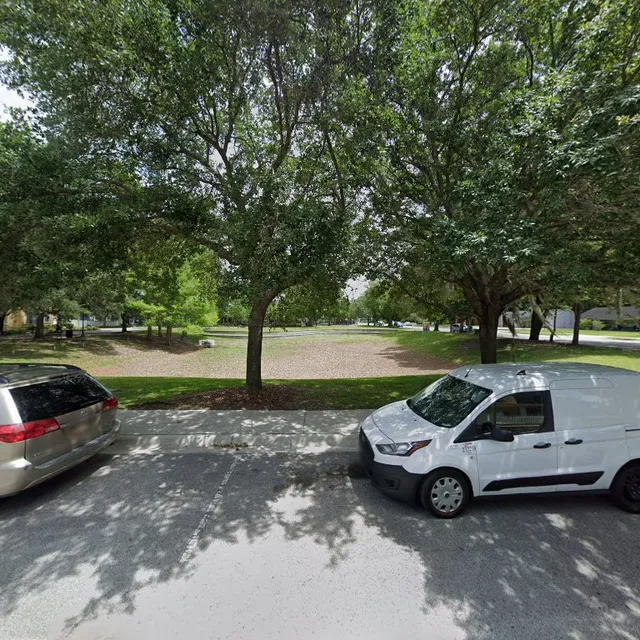
Hampton Park
4.6
(11)
Closed
Click for details
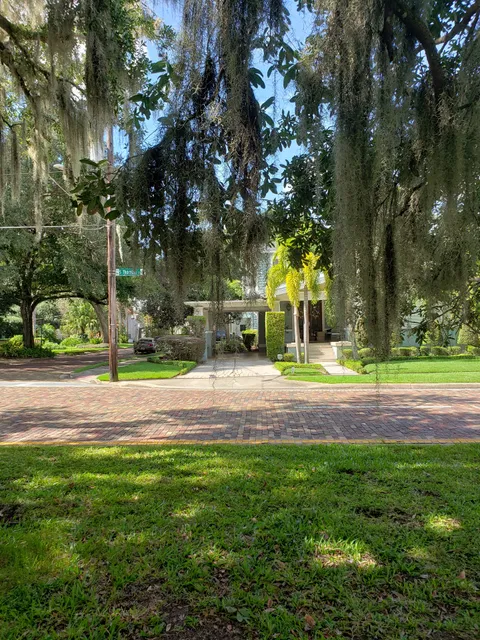
Lake Lawsona Park
4.4
(22)
Open until 12:00 AM
Click for details
Nearby restaurants of Dickson Azalea Park
Maxine's On Shine
Stasio's Italian Deli & Market
Otto’s High Dive
Sideward Brewing Co.
Saigon Noodle & Grill
Gringos Locos Robinson
Whiskey Lou's Lounge
Barley & Vine Biergarten
Swine & Sons
Orlando Milkhouse
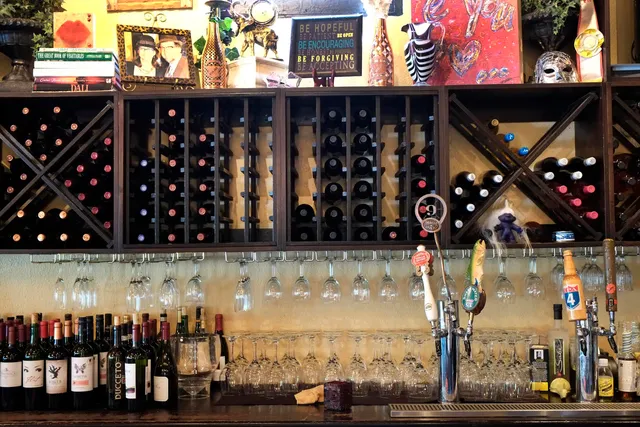
Maxine's On Shine
4.6
(1.0K)
$$
Open until 9:00 PM
Click for details
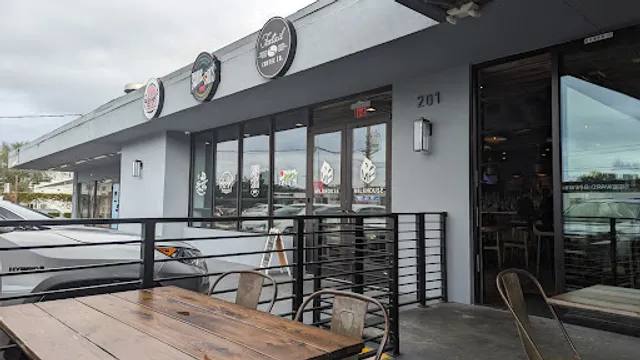
Stasio's Italian Deli & Market
4.8
(975)
$
Closed
Click for details
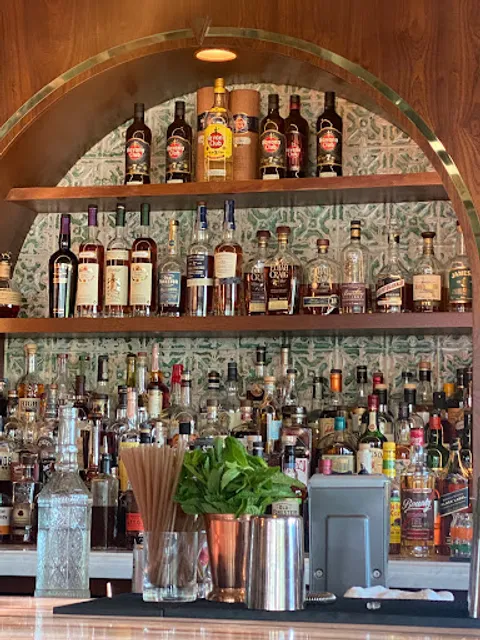
Otto’s High Dive
4.5
(372)
$$
Open until 12:00 AM
Click for details
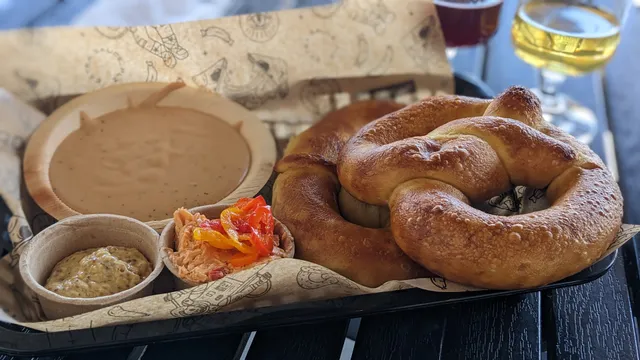
Sideward Brewing Co.
4.8
(336)
Open until 12:00 AM
Click for details
Nearby local services of Dickson Azalea Park
Black Magic Pizza
Downtown Orlando YMCA Family Center
Sportstown
Bluepeak Massage
Mark B. DiDea, MD
The Salt Room Orlando Day Spa
Etoile Boutique
Enchanted Fairies
All Creatures Pet Grooming
Thompson Jewelers
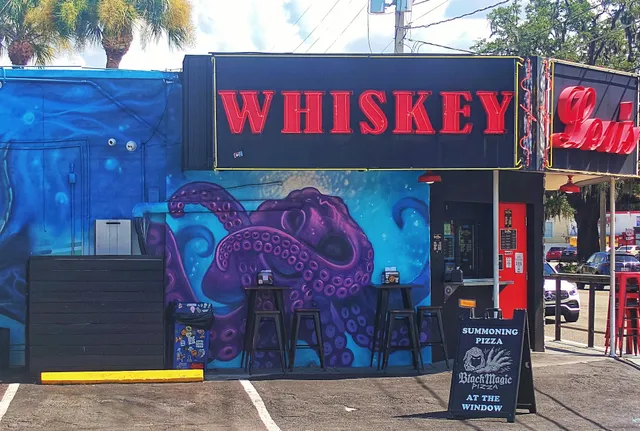
Black Magic Pizza
4.9
(177)
Click for details
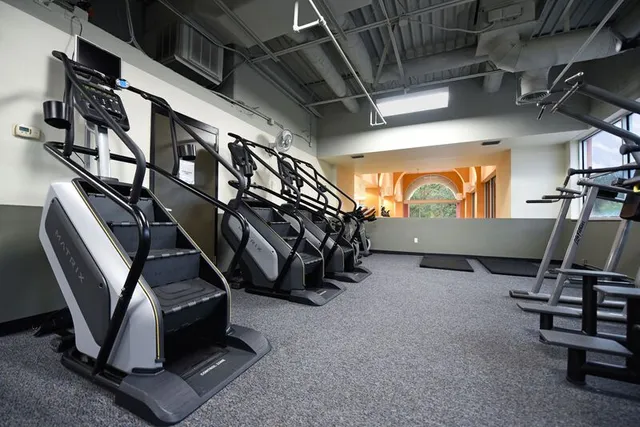
Downtown Orlando YMCA Family Center
4.5
(319)
Click for details
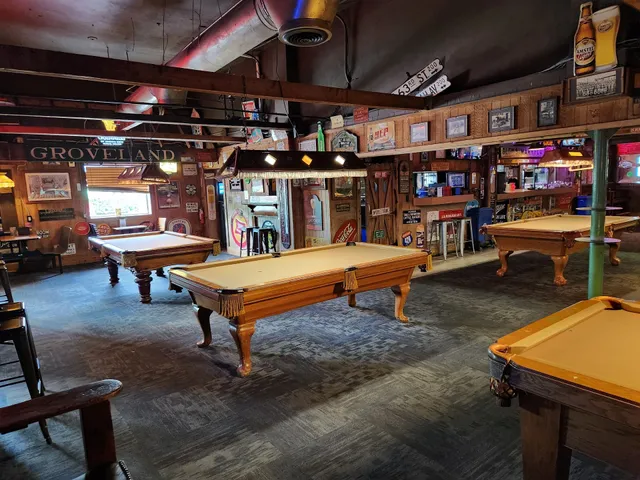
Sportstown
4.5
(559)
Click for details
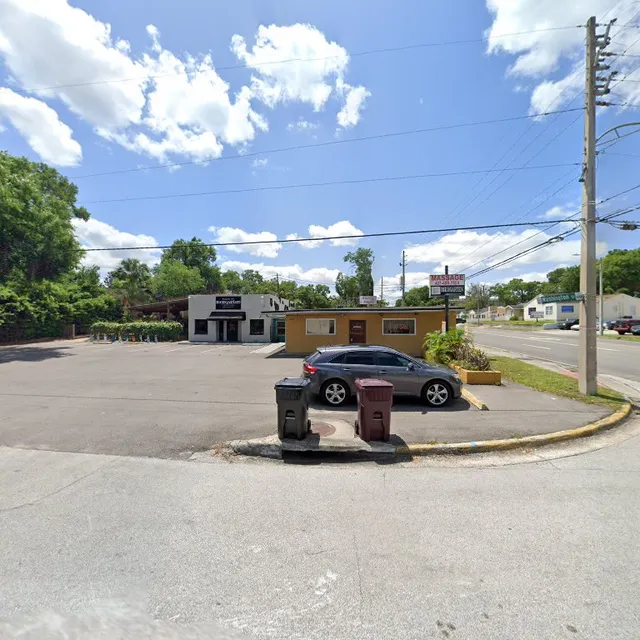
Bluepeak Massage
4.8
(114)
Click for details


The hit list


Plan your trip with Wanderboat
Welcome to Wanderboat AI, your AI search for local Eats and Fun, designed to help you explore your city and the world with ease.
Powered by Wanderboat AI trip planner.