Haymarket Martyrs' Monument things to do, attractions, restaurants, events info and trip planning
Basic Info
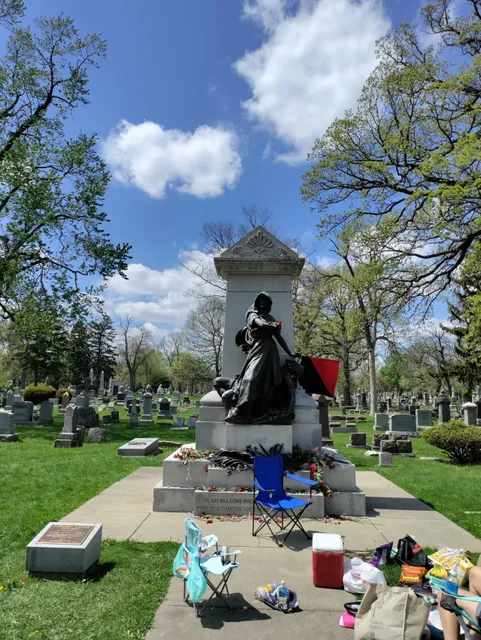
Haymarket Martyrs' Monument
863 Des Plaines Ave, Forest Park, IL 60130
4.7(58)
Open until 4:00 PM
Save
spot
spot
Ratings & Description
Info
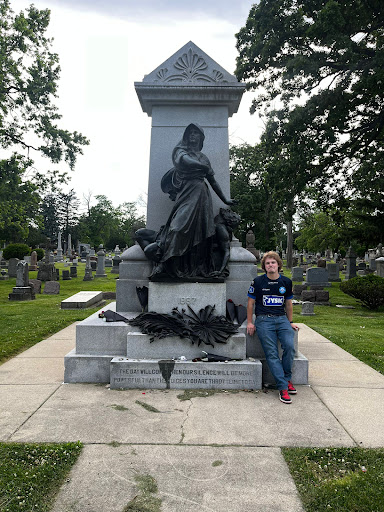
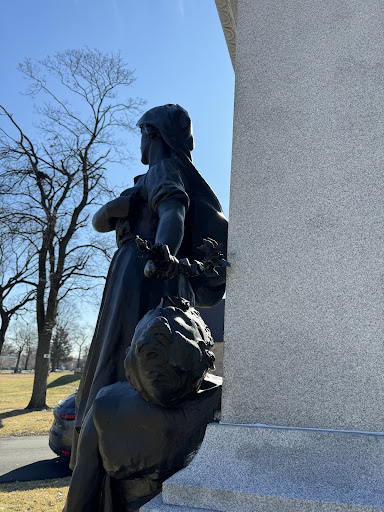
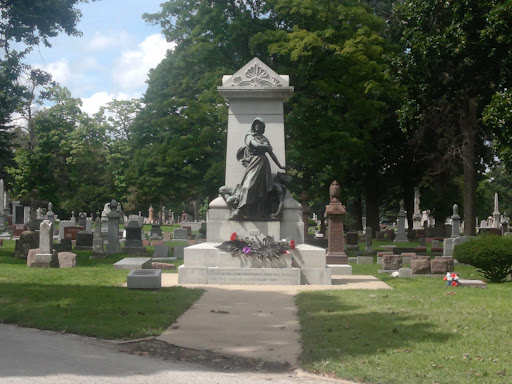
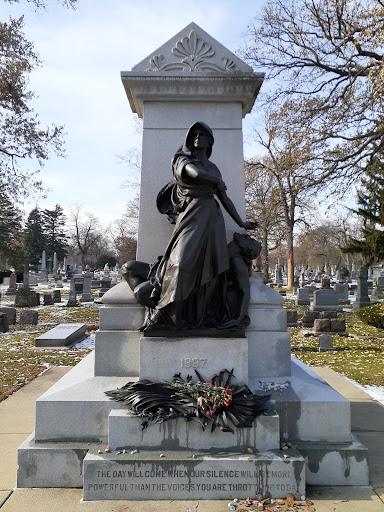
The Haymarket Martyrs' Monument is a funeral monument and sculpture located at Forest Home Cemetery in Forest Park, Illinois, a suburb of Chicago.
Cultural
Scenic
attractions: Park District of Forest Park, Park District of Forest Park Aquatic Center, Living Word Christian Center, restaurants: Portillo's Forest Park, Elba's Golden Steer, McGaffer's Saloon, Harvest 365 Restaurant & Fresh Grill, charlie's restaurant - forest park, Tacabron, Espresso Cafe, Cool Truck Treats, Taco Bell, Subway, local businesses: 16 Inch Softball Hall of Fame, Kagan & Gaines Music Co., Inc, Forest Park Plaza, Forest Park Village Center, Living Fresh Market
 Learn more insights from Wanderboat AI.
Phone
(708) 366-1900
Website
forestpark.net
Open hoursSee all hours
Tue8 AM - 4 PMOpen
Plan your stay

Pet-friendly Hotels in Proviso Township
Find a cozy hotel nearby and make it a full experience.

Affordable Hotels in Proviso Township
Find a cozy hotel nearby and make it a full experience.

The Coolest Hotels You Haven't Heard Of (Yet)
Find a cozy hotel nearby and make it a full experience.

Trending Stays Worth the Hype in Proviso Township
Find a cozy hotel nearby and make it a full experience.
Reviews
Live events

A Night Out in Des Plaines | Dinner with New Friends: Small Town Edition
Wed, Feb 18 • 7:00 PM
Howard Avenue Des Plaines, IL 60018
View details

The Thistle and the Rose: Two Queens in One Isle
Wed, Feb 18 • 7:30 PM
1949 Campus Drive Evanston, IL 60208
View details

Beginner Mahjong and Bubbles Night
Thu, Feb 19 • 6:00 PM
5131 Main Street Downers Grove, IL 60515
View details
Nearby attractions of Haymarket Martyrs' Monument
Park District of Forest Park
Park District of Forest Park Aquatic Center
Living Word Christian Center
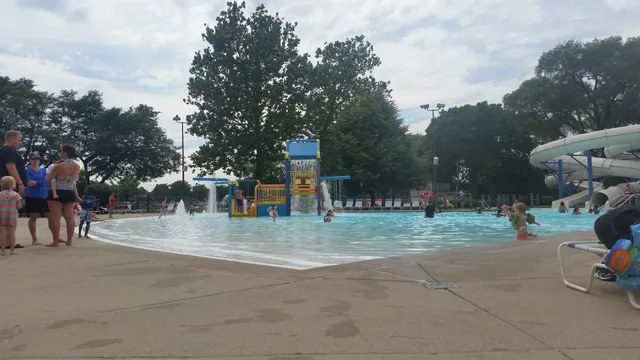
Park District of Forest Park
4.6
(331)
Open until 4:00 PM
Click for details
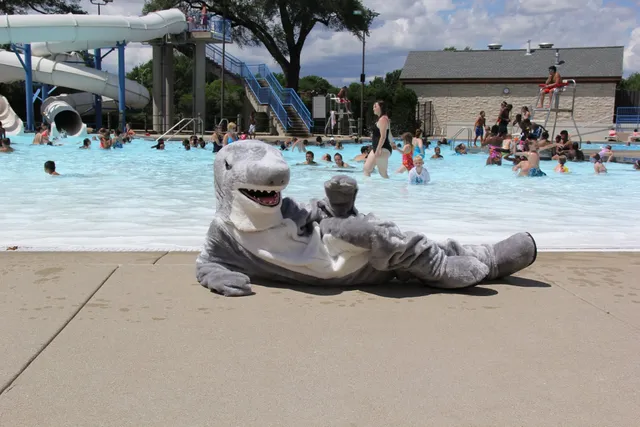
Park District of Forest Park Aquatic Center
4.5
(240)
Open 24 hours
Click for details

Living Word Christian Center
4.8
(430)
Open until 5:00 PM
Click for details
Nearby restaurants of Haymarket Martyrs' Monument
Portillo's Forest Park
Elba's Golden Steer
McGaffer's Saloon
Harvest 365 Restaurant & Fresh Grill
charlie's restaurant - forest park
Tacabron
Espresso Cafe
Cool Truck Treats
Taco Bell
Subway
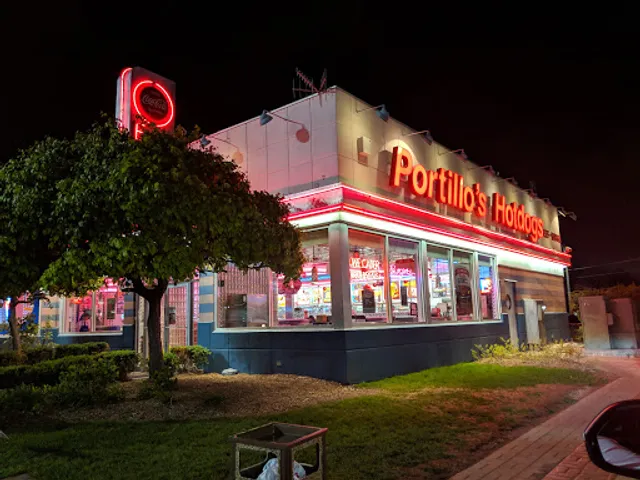
Portillo's Forest Park
4.1
(2.4K)
$
Open until 1:00 AM
Click for details
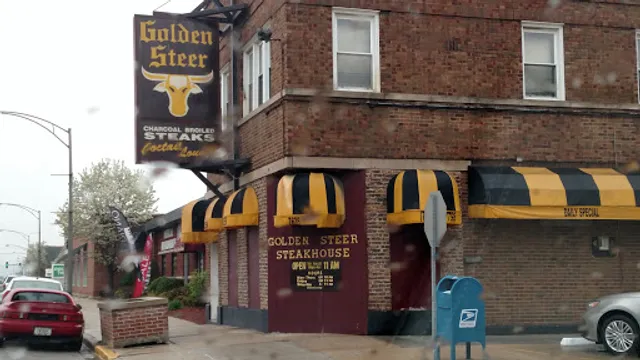
Elba's Golden Steer
4.4
(407)
$$
Closed
Click for details
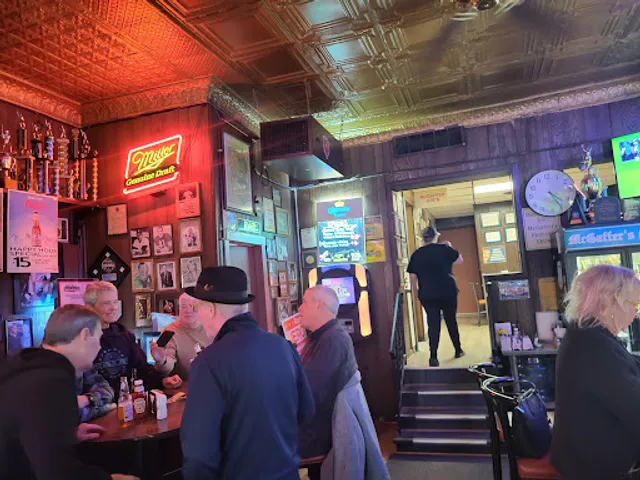
McGaffer's Saloon
4.6
(94)
$
Click for details
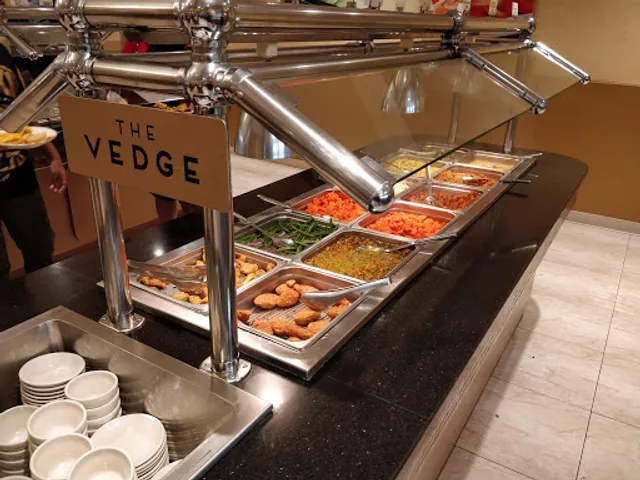
Harvest 365 Restaurant & Fresh Grill
4.3
(363)
$
Open until 12:00 AM
Click for details
Nearby local services of Haymarket Martyrs' Monument
16 Inch Softball Hall of Fame
Kagan & Gaines Music Co., Inc
Forest Park Plaza
Forest Park Village Center
Living Fresh Market
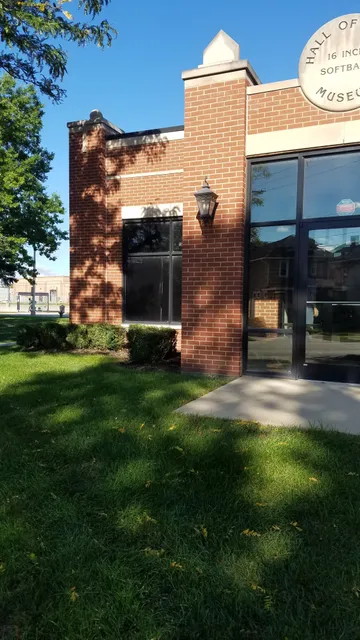
16 Inch Softball Hall of Fame
4.4
(18)
Click for details
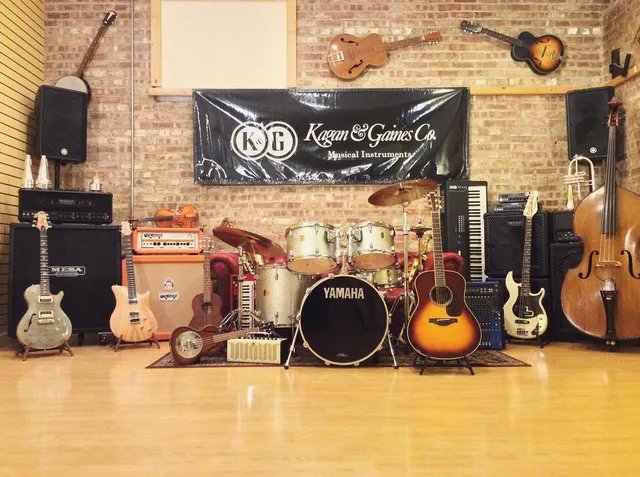
Kagan & Gaines Music Co., Inc
4.7
(51)
Click for details
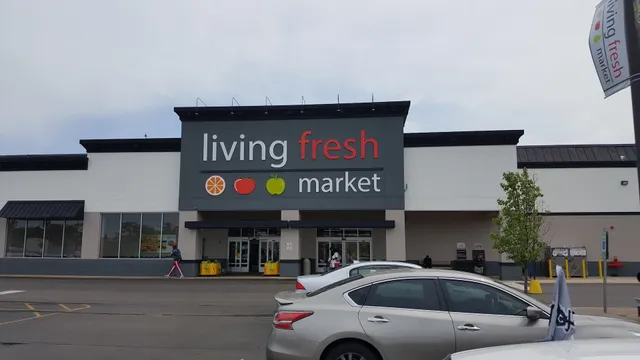
Forest Park Plaza
4.1
(1.4K)
Click for details
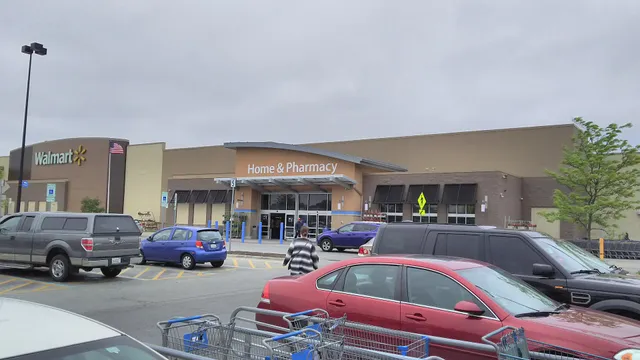
Forest Park Village Center
4.1
(316)
Click for details