Shelburne Museum things to do, attractions, restaurants, events info and trip planning
Basic Info
Shelburne Museum
6000 Shelburne Rd, Shelburne, VT 05482
4.8(988)
Open 24 hours

tickets
Save
spot
spot
Ratings & Description
Info
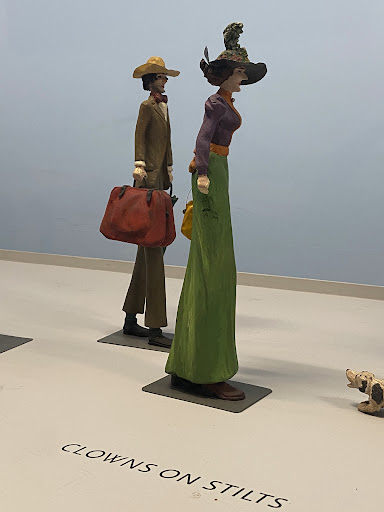
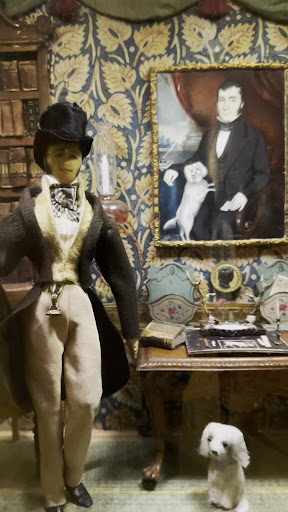
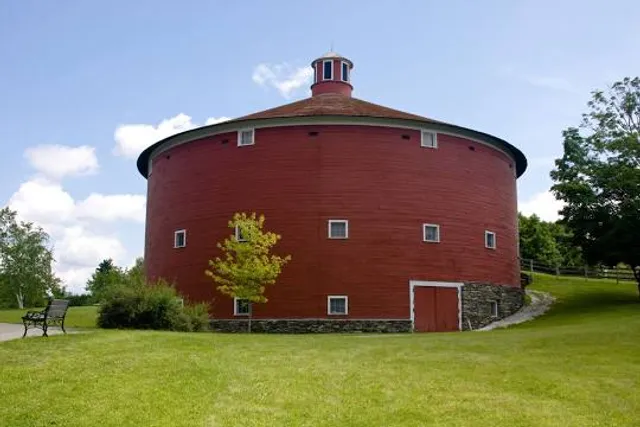
Shelburne Museum is a museum of art, design, and Americana located in Shelburne, Vermont, United States. Over 150,000 works are exhibited in 39 exhibition buildings, 25 of which are historic and were relocated to the museum grounds. It is located on 45 acres near Lake Champlain.
Cultural
Family friendly
Accessibility
attractions: Ticonderoga Steamboat, Shelburne Museum Covered Bridge, Shelburne Vineyard, LaPlatte River Nature Park, restaurants: Le Marche, Shelburne Fig, The Weathervane Café, Rustic Roots, Folino's Pizza - Shelburne, Barkeaters, Cucina Antica, Electra's Restaurant, local businesses: Ben And Jerrys Concerts On The Green, Shelburne Farmers Market, Shelburne Shopping Park Shopping Center, Shelburne Market, Shelburne Country Store, Schip's Treasure Upscale Resale Shop, Jamie Two Coats' Toy Shop, Marcotte Appliance, Flying Pig Bookstore, 65 Falls Rd
 Learn more insights from Wanderboat AI.
Phone
(802) 985-3346
Website
shelburnemuseum.org
Plan your stay

Pet-friendly Hotels in Shelburne
Find a cozy hotel nearby and make it a full experience.

Affordable Hotels in Shelburne
Find a cozy hotel nearby and make it a full experience.

The Coolest Hotels You Haven't Heard Of (Yet)
Find a cozy hotel nearby and make it a full experience.

Trending Stays Worth the Hype in Shelburne
Find a cozy hotel nearby and make it a full experience.
Reviews
Live events

Innovation Improv: Protecting Your Ideas with the USPTO
Fri, Feb 27 • 10:00 AM
105 Carrigan Drive Burlington, VT 05405
View details

2026 BURLINGTON WEEKEND FOOD ART AND CRAFTS SHOW
Fri, Feb 20 • 10:00 AM
135 Church Street Burlington, VT 05401
View details

Public Bingo
Sun, Feb 22 • 1:00 PM
100 Armory Lane, Vergennes, VT, United States, Vermont 05491
View details
Nearby attractions of Shelburne Museum
Ticonderoga Steamboat
Shelburne Museum Covered Bridge
Shelburne Vineyard
LaPlatte River Nature Park
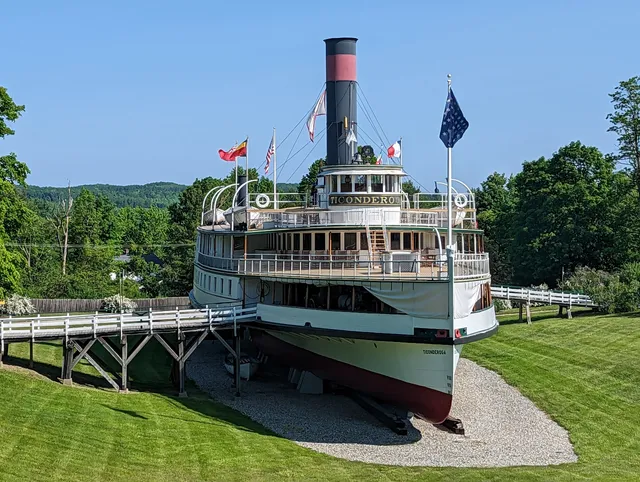
Ticonderoga Steamboat
4.8
(53)
Closed
Click for details
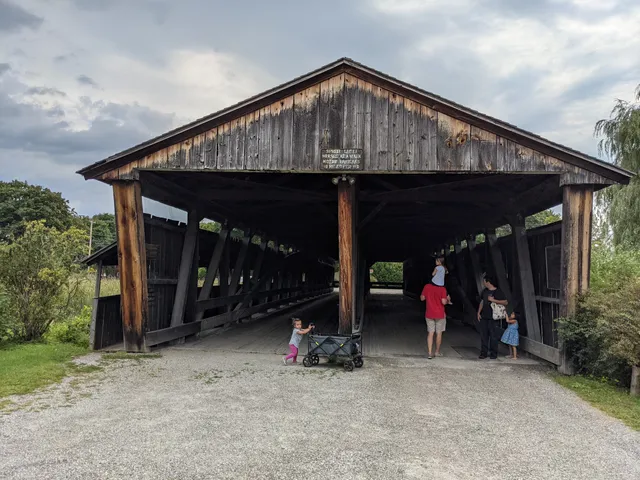
Shelburne Museum Covered Bridge
4.7
(217)
Closed
Click for details
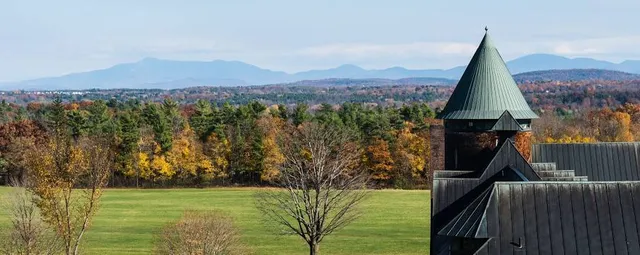
Shelburne Vineyard
4.3
(173)
Closed
Click for details

LaPlatte River Nature Park
4.6
(58)
Open until 12:00 AM
Click for details
Nearby restaurants of Shelburne Museum
Le Marche
Shelburne Fig
The Weathervane Café
Rustic Roots
Folino's Pizza - Shelburne
Barkeaters
Cucina Antica
Electra's Restaurant
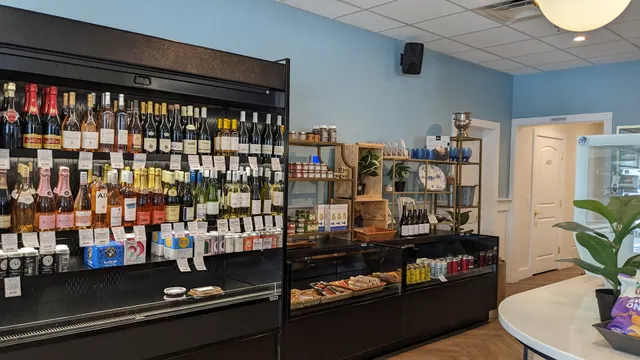
Le Marche
4.1
(82)
$
Closed
Click for details
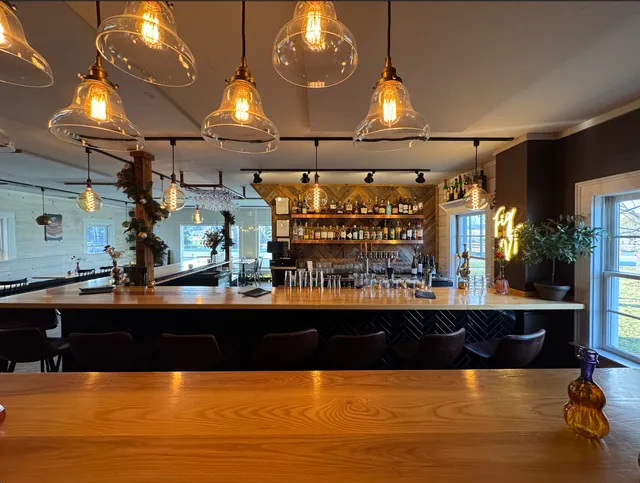
Shelburne Fig
4.8
(19)
$$
Closed
Click for details
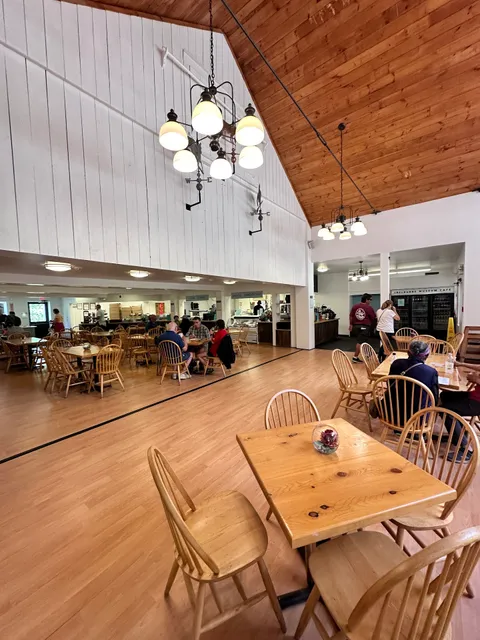
The Weathervane Café
3.8
(4)
Closed
Click for details
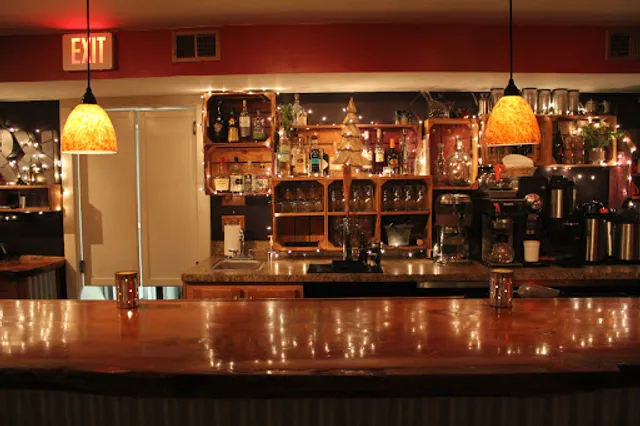
Rustic Roots
4.7
(254)
$
Click for details
Nearby local services of Shelburne Museum
Ben And Jerrys Concerts On The Green
Shelburne Farmers Market
Shelburne Shopping Park Shopping Center
Shelburne Market
Shelburne Country Store
Schip's Treasure Upscale Resale Shop
Jamie Two Coats' Toy Shop
Marcotte Appliance
Flying Pig Bookstore
65 Falls Rd
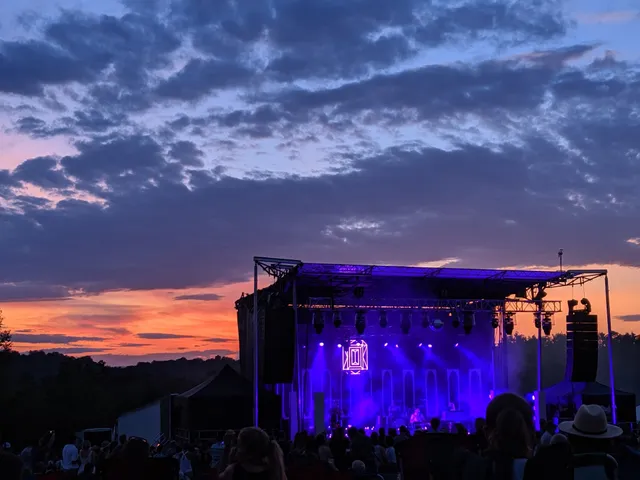
Ben And Jerrys Concerts On The Green
4.7
(25)
Click for details
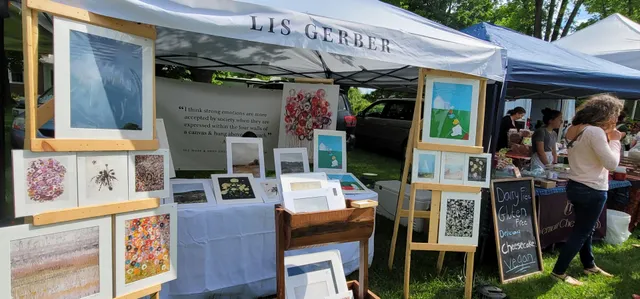
Shelburne Farmers Market
4.5
(38)
Click for details
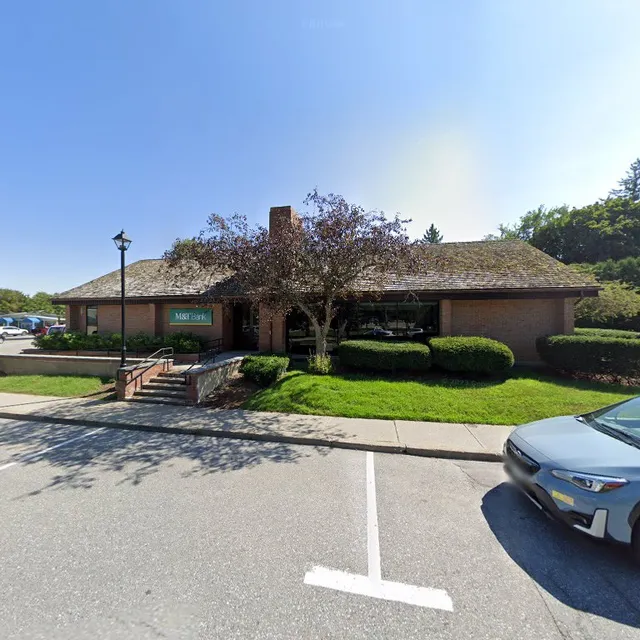
Shelburne Shopping Park Shopping Center
4.3
(153)
Click for details
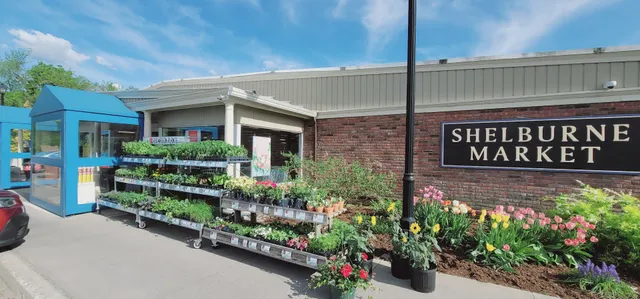
Shelburne Market
4.2
(157)
Click for details