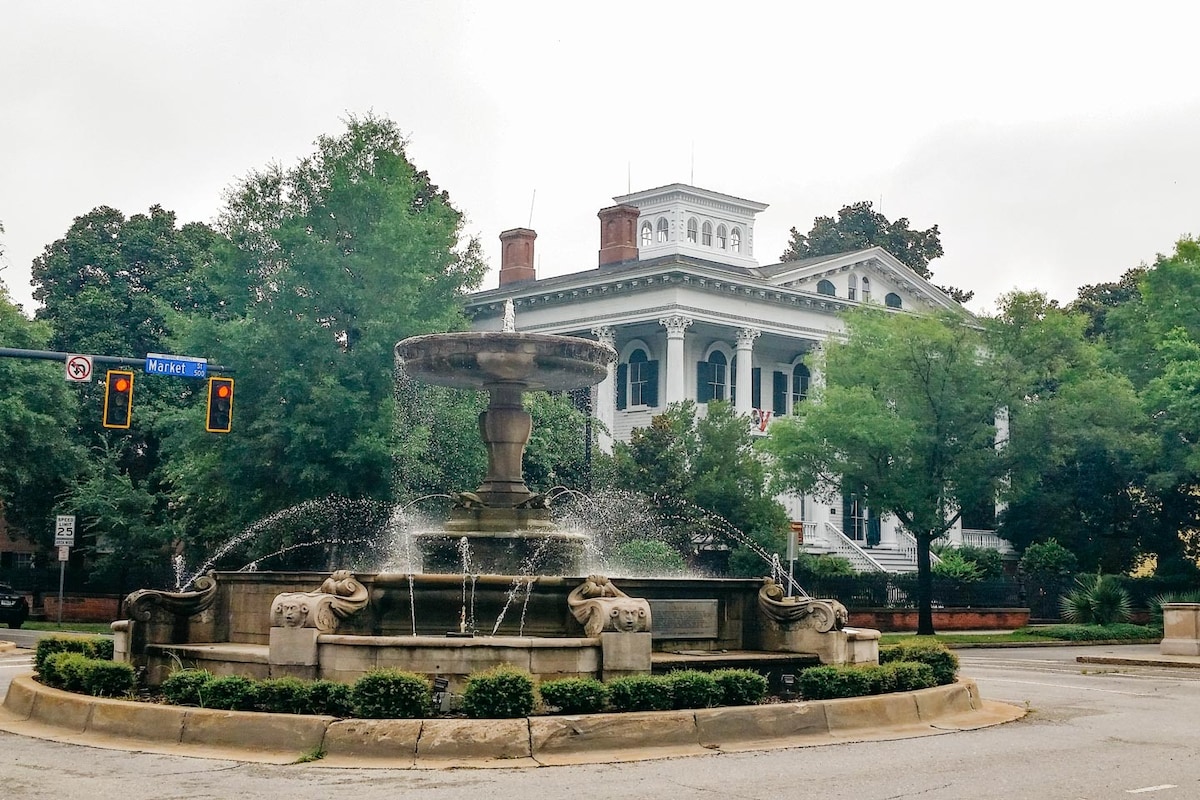
Bellamy Mansion Museum things to do, attractions, restaurants, events info and trip planning
Basic Info
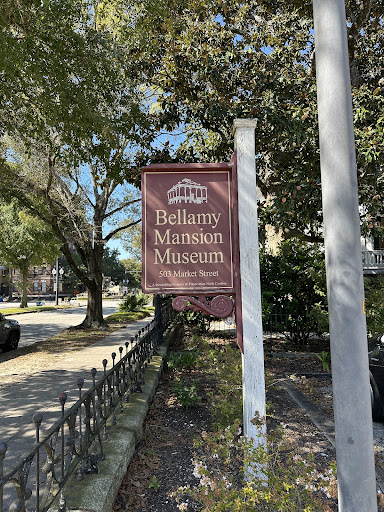
Bellamy Mansion Museum
503 Market St, Wilmington, NC 28401
4.6(567)
Closed
Save
spot
spot
Ratings & Description
Info
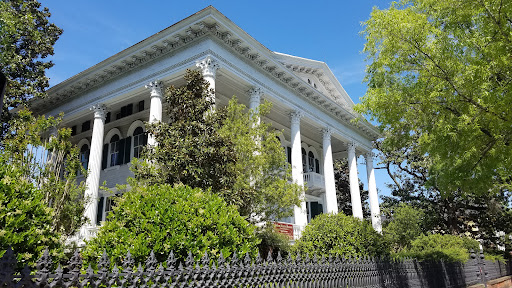
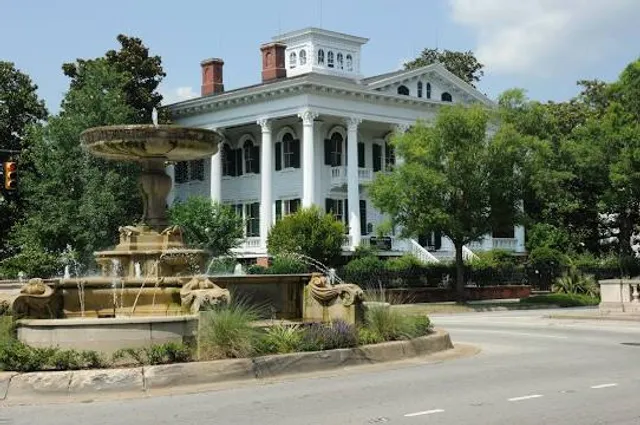
The Bellamy Mansion, built between 1859 and 1861, is a mixture of Neoclassical architectural styles, including Greek Revival and Italianate, and is located at 503 Market Street in the heart of downtown Wilmington, North Carolina. It is one of North Carolina’s finest examples of historic antebellum architecture.
Cultural
Scenic
Family friendly
Accessibility
attractions: Thalian Hall Center for the Performing Arts, The Exit Games | Escape Room Wilmington, The Exit Games | Escape Room Wilmington, Burgwin-Wright House and Gardens, Bicentennial Park, Game Over Escape Room Wilmington, Cape Fear Museum of History and Science, Wilmington Riverwalk, The Children's Museum of Wilmington, Wilmington Downtown Incorporated, restaurants: Savorez, Cousins Italian Deli, The Fork 'N' Cork, Slice of Life Pizzeria & Pub Downtown, Bespoke, Hidden Grounds Coffee, The Copper Penny, Ponysaurus Brewing Co., Hell's Kitchen, Tarantelli's, local businesses: Temple of Israel, Green Light Escape Room, LLC, Memory Lane Comics, Basilica of Saint Mary, Memory Lane Comics Part II, Pie Slayer, Latimer House, Bourgie Nights, Rosie Revolution, 2 N Front St
 Learn more insights from Wanderboat AI.
Phone
(910) 251-3700
Website
bellamymansion.org
Open hoursSee all hours
Wed10 AM - 4 PMClosed
Plan your stay

Pet-friendly Hotels in Wilmington
Find a cozy hotel nearby and make it a full experience.

Affordable Hotels in Wilmington
Find a cozy hotel nearby and make it a full experience.

The Coolest Hotels You Haven't Heard Of (Yet)
Find a cozy hotel nearby and make it a full experience.

Trending Stays Worth the Hype in Wilmington
Find a cozy hotel nearby and make it a full experience.
Reviews
Live events

Wilmington Wedding Expo
Sun, Feb 22 • 11:00 AM
1020 Princess Street Wilmington, NC 28401
View details

Get Growing Workshop: Seed Starting for Your Spring Garden
Mon, Feb 23 • 4:00 PM
6206 Oleander Drive Wilmington, NC 28403
View details
Explore Historic Wilmington
Sat, Feb 21 • 12:00 PM
Wilmington, North Carolina, 28401
View details
Nearby attractions of Bellamy Mansion Museum
Thalian Hall Center for the Performing Arts
The Exit Games | Escape Room Wilmington
The Exit Games | Escape Room Wilmington
Burgwin-Wright House and Gardens
Bicentennial Park
Game Over Escape Room Wilmington
Cape Fear Museum of History and Science
Wilmington Riverwalk
The Children's Museum of Wilmington
Wilmington Downtown Incorporated

Thalian Hall Center for the Performing Arts
4.8
(567)
Open 24 hours
Click for details

The Exit Games | Escape Room Wilmington
5.0
(1.6K)
Open until 12:00 AM
Click for details
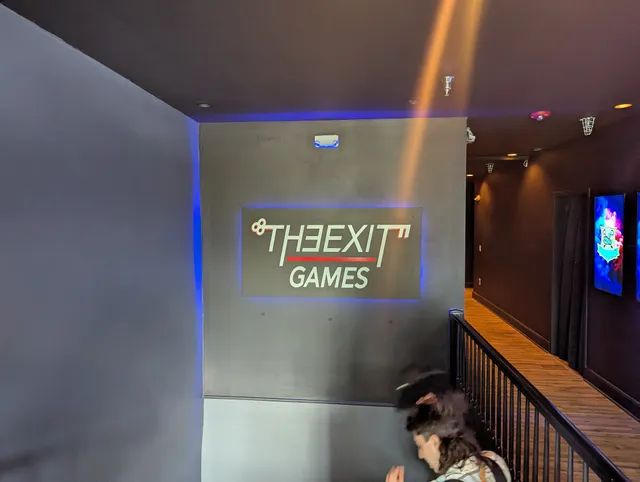
The Exit Games | Escape Room Wilmington
5.0
(1.6K)
Open until 12:00 AM
Click for details
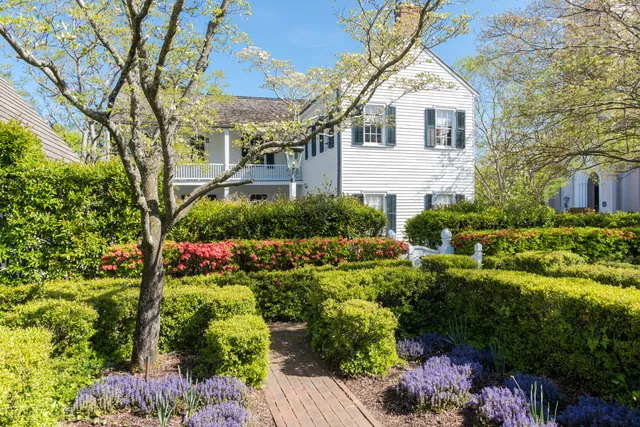
Burgwin-Wright House and Gardens
4.7
(205)
Closed
Click for details
Nearby restaurants of Bellamy Mansion Museum
Savorez
Cousins Italian Deli
The Fork 'N' Cork
Slice of Life Pizzeria & Pub Downtown
Bespoke
Hidden Grounds Coffee
The Copper Penny
Ponysaurus Brewing Co.
Hell's Kitchen
Tarantelli's
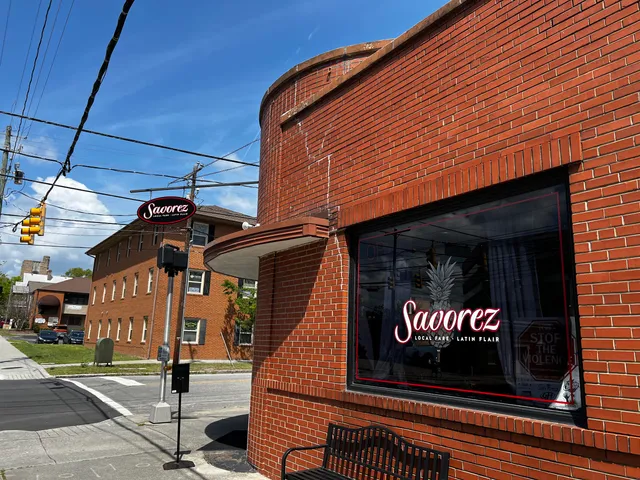
Savorez
4.7
(881)
$$
Open until 10:00 PM
Click for details
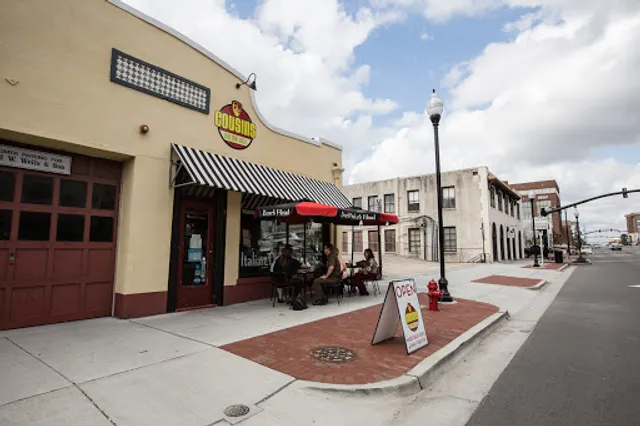
Cousins Italian Deli
4.6
(217)
$
Closed
Click for details
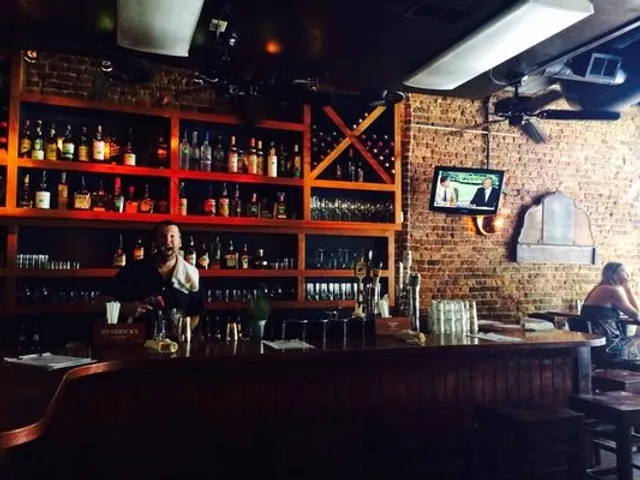
The Fork 'N' Cork
4.5
(1.3K)
$
Open until 10:00 PM
Click for details
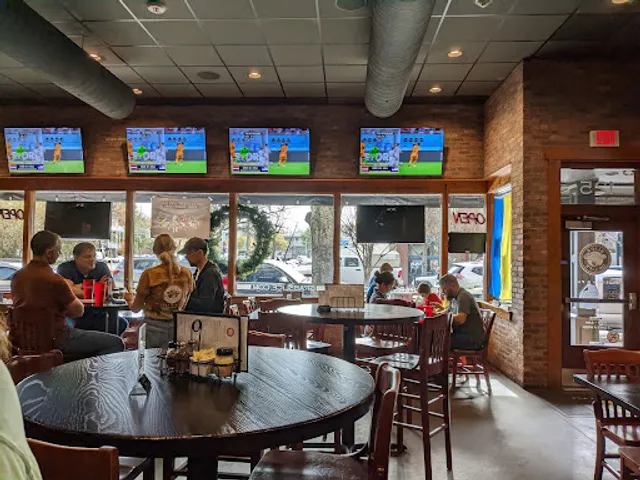
Slice of Life Pizzeria & Pub Downtown
4.3
(899)
$
Open until 12:00 AM
Click for details
Nearby local services of Bellamy Mansion Museum
Temple of Israel
Green Light Escape Room, LLC
Memory Lane Comics
Basilica of Saint Mary
Memory Lane Comics Part II
Pie Slayer
Latimer House
Bourgie Nights
Rosie Revolution
2 N Front St
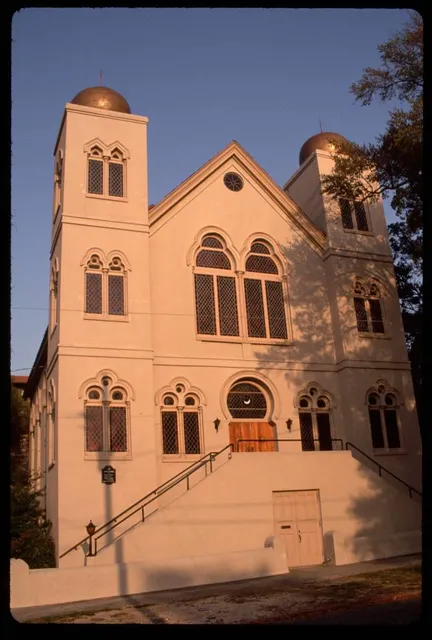
Temple of Israel
4.8
(15)
Click for details
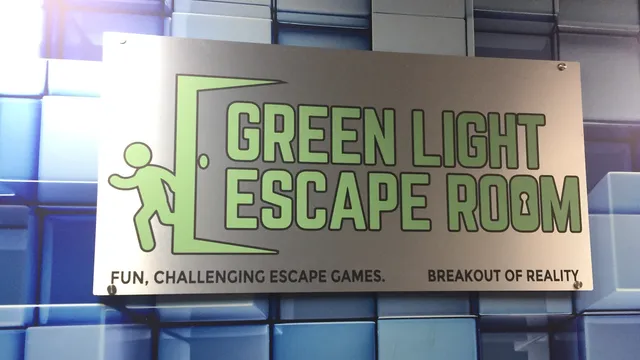
Green Light Escape Room, LLC
5.0
(1.5K)
Click for details
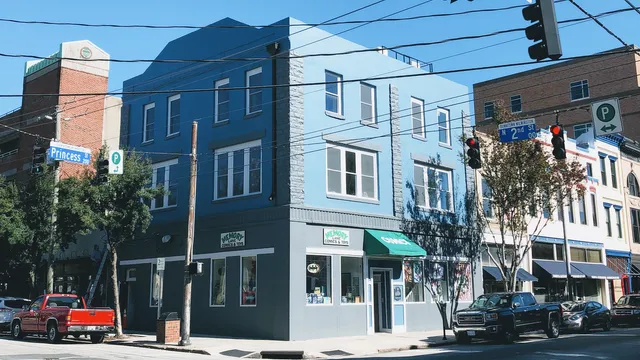
Memory Lane Comics
4.9
(355)
Click for details

Basilica of Saint Mary
4.8
(150)
Click for details