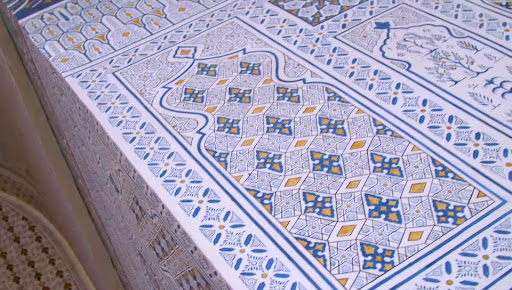
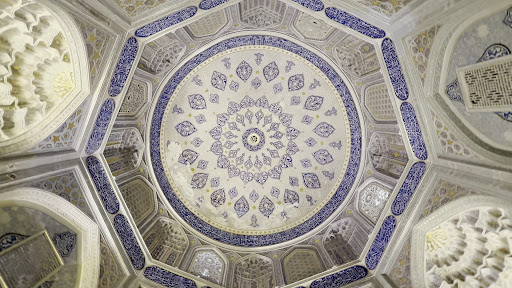
Shah-i-Zinda things to do, attractions, restaurants, events info and trip planning
Basic Info
Shah-i-Zinda
Shohi Zinda ko'chasi, Samarkand, Samarqand Region, Uzbekistan
4.8(2.2K)
Open until 10:00 PM
Save
spot
spot
Ratings & Description
Info
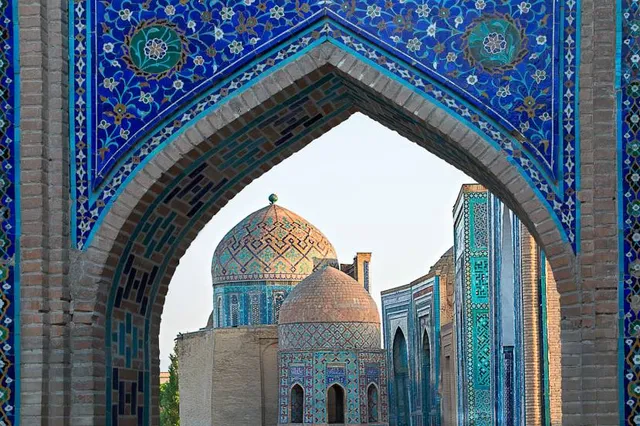
Shah-i-Zinda is a necropolis in the north-eastern part of Samarkand, Uzbekistan.
Cultural
Family friendly
attractions: Kusam-ibn-Abbas mausoleum, Shirin Beka Oka Mausoleum, Tuman-Aka Mosque, Hazrat Khizr Mosque, Gumbaz Synagogue, President's Tomb, Bibi Khanym Mausoleum, Siyob Bozor, Bibi-Khanym Mosque, Mubarak Mahallah Mosque, restaurants: Bibikhanum Teahouse, Minaret, Zargaron Restaurant, Sayqali Samarkand Chayhana, Kafe Bobur, Lagman center by mazza food, Samarkandskiy Plov, local businesses: Kazi-Zade Rumi Mausoleum, Mausoleum of Islam Karimov, Samarkand Bukhara Silk Carpets factory, Synagogue - Gumbaz
 Learn more insights from Wanderboat AI.
Phone
+998 71 233 53 82
Open hoursSee all hours
Wed7 AM - 10 PMOpen
Plan your stay

Pet-friendly Hotels in Samarkand City
Find a cozy hotel nearby and make it a full experience.

Affordable Hotels in Samarkand City
Find a cozy hotel nearby and make it a full experience.

The Coolest Hotels You Haven't Heard Of (Yet)
Find a cozy hotel nearby and make it a full experience.

Trending Stays Worth the Hype in Samarkand City
Find a cozy hotel nearby and make it a full experience.
Reviews
Live events
Pedal Samarkand: Bike Registan Mausoleums Villages
Wed, Feb 11 • 3:00 PM
Samarkand, Samarqand Region 140100, Uzbekistan
View details
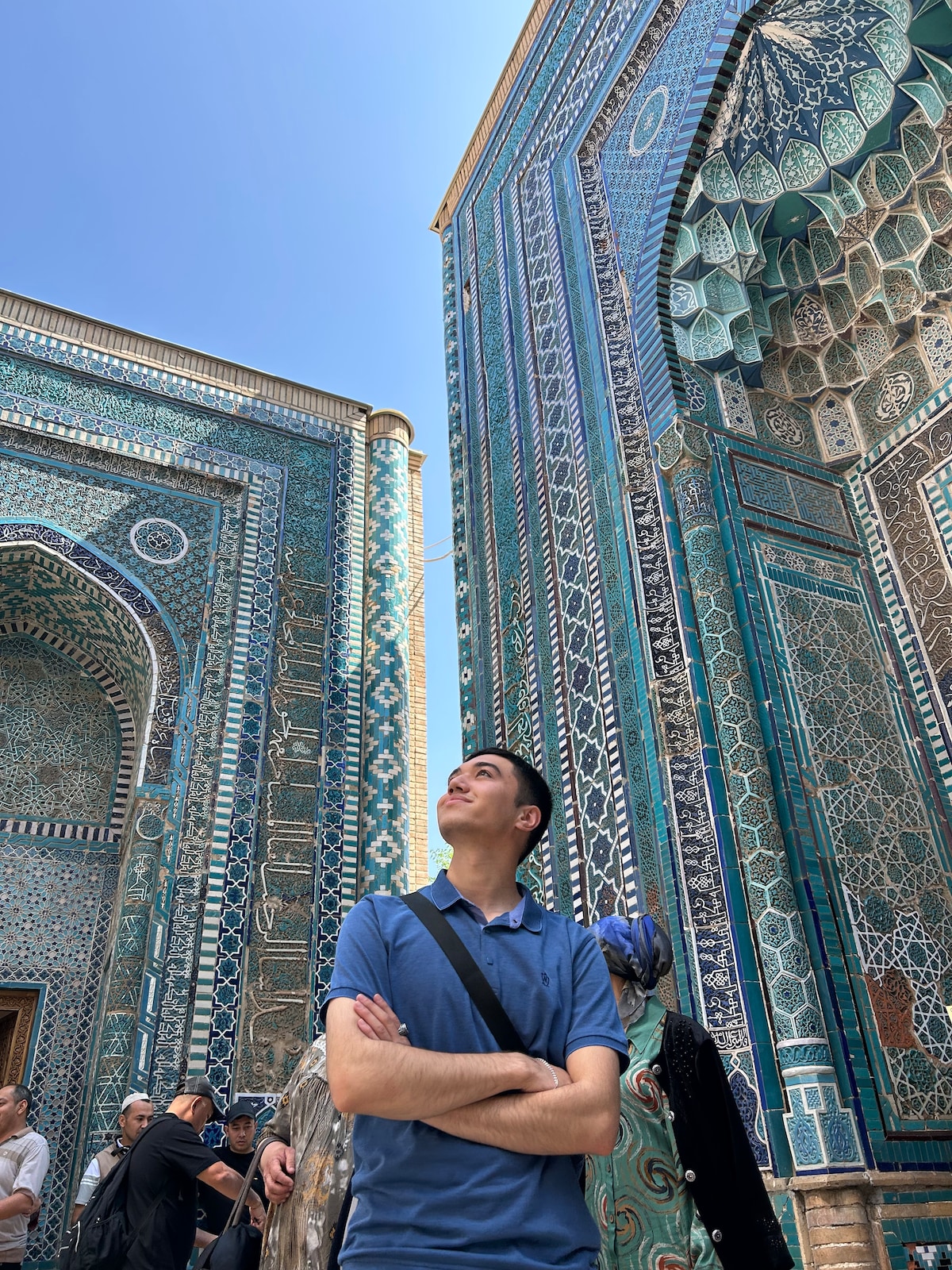
Explore Samarkand with a passionate local guide
Wed, Feb 11 • 3:00 PM
Samarkand, Samarqand Region, Uzbekistan
View details
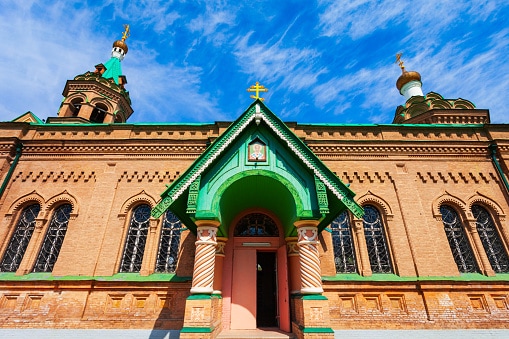
Uncover Tsarist architecture gems in Samarkand
Wed, Feb 11 • 4:00 PM
Samarkand, Samarqand Region , Uzbekistan
View details
Nearby attractions of Shah-i-Zinda
Kusam-ibn-Abbas mausoleum
Shirin Beka Oka Mausoleum
Tuman-Aka Mosque
Hazrat Khizr Mosque
Gumbaz Synagogue
President's Tomb
Bibi Khanym Mausoleum
Siyob Bozor
Bibi-Khanym Mosque
Mubarak Mahallah Mosque
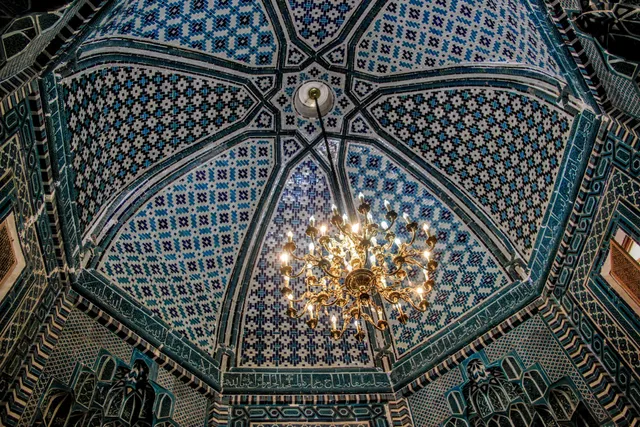
Kusam-ibn-Abbas mausoleum
4.9
(45)
Open 24 hours
Click for details
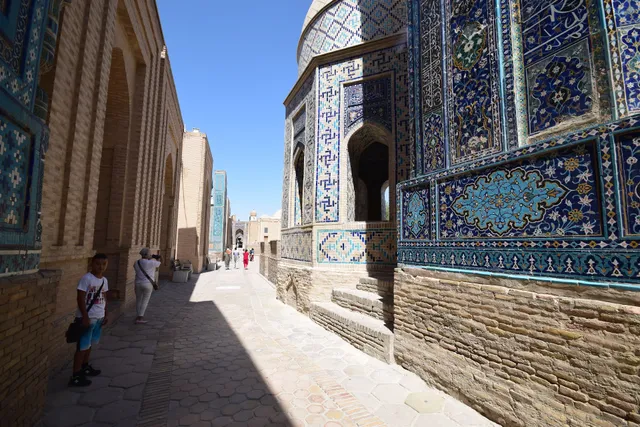
Shirin Beka Oka Mausoleum
4.8
(8)
Open 24 hours
Click for details
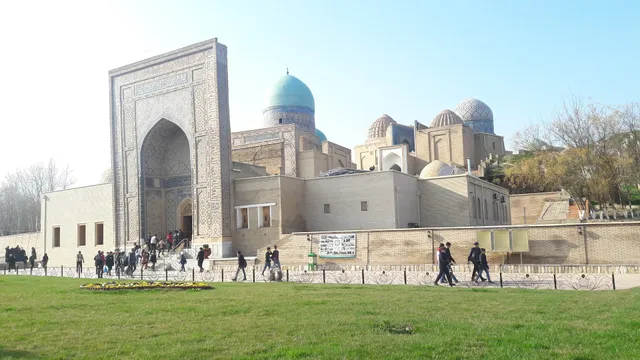
Tuman-Aka Mosque
4.7
(10)
Open 24 hours
Click for details
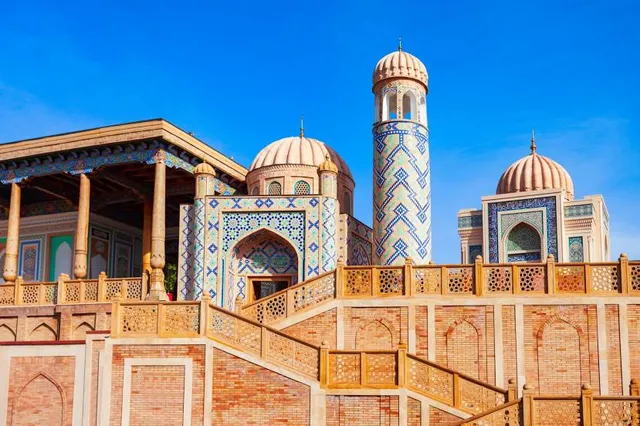
Hazrat Khizr Mosque
4.7
(362)
Open until 5:00 PM
Click for details
Nearby restaurants of Shah-i-Zinda
Bibikhanum Teahouse
Minaret
Zargaron Restaurant
Sayqali Samarkand Chayhana
Kafe Bobur
Lagman center by mazza food
Samarkandskiy Plov
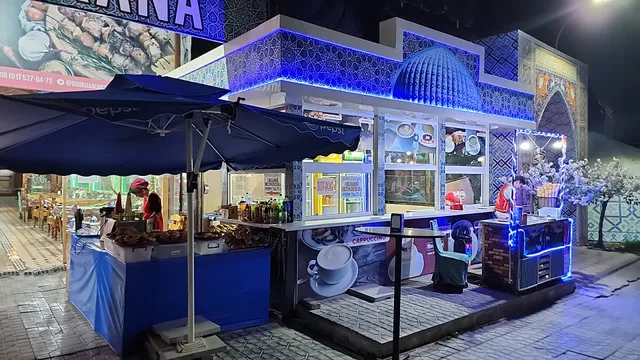
Bibikhanum Teahouse
3.7
(358)
Open until 11:00 PM
Click for details
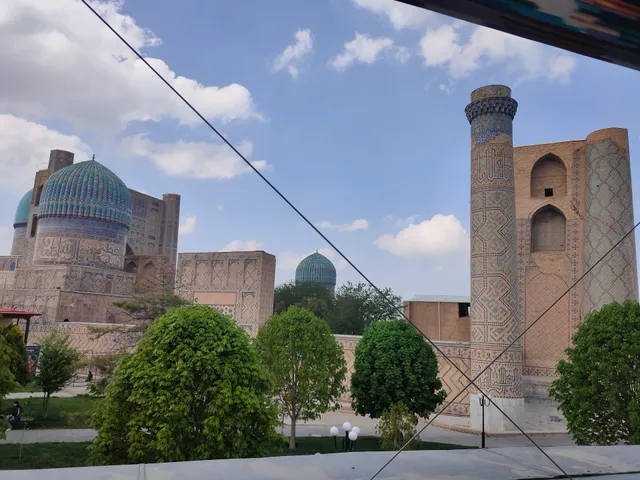
Minaret
4.0
(45)
Click for details
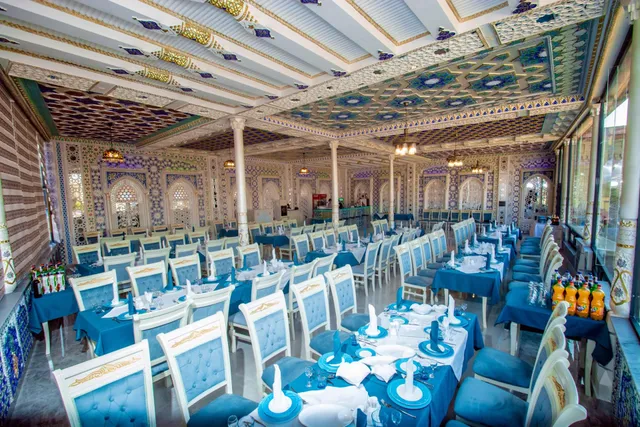
Zargaron Restaurant
3.5
(121)
Open until 11:00 PM
Click for details
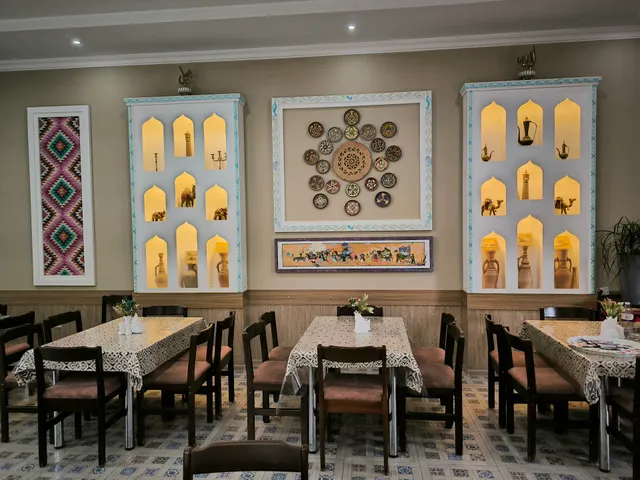
Sayqali Samarkand Chayhana
4.3
(120)
Open until 10:00 PM
Click for details
Nearby local services of Shah-i-Zinda
Kazi-Zade Rumi Mausoleum
Mausoleum of Islam Karimov
Samarkand Bukhara Silk Carpets factory
Synagogue - Gumbaz
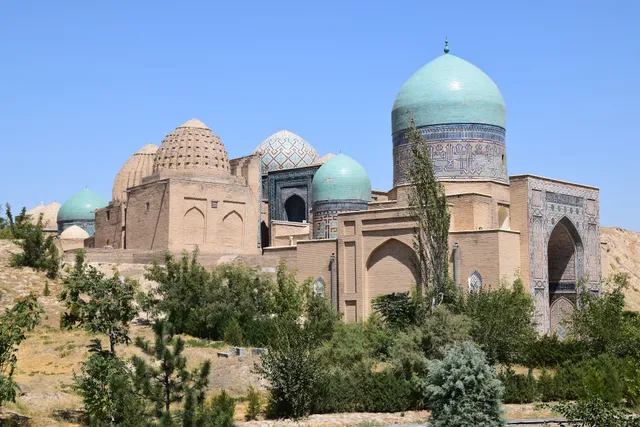
Kazi-Zade Rumi Mausoleum
4.7
(12)
Click for details
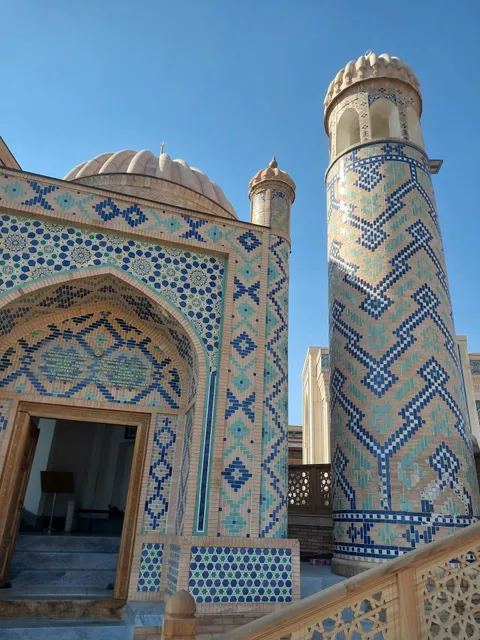
Mausoleum of Islam Karimov
4.6
(139)
Click for details
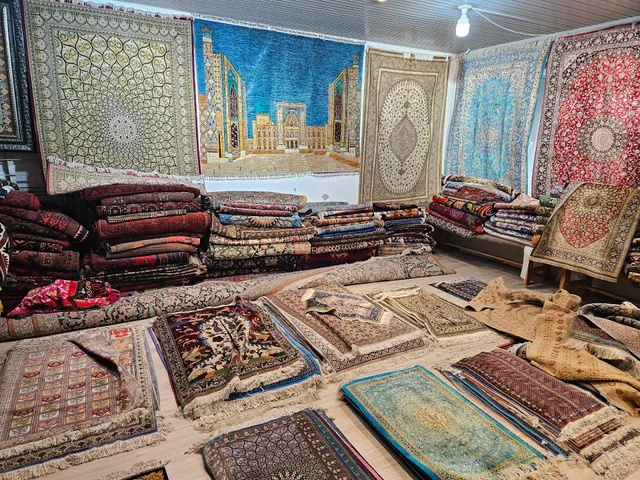
Samarkand Bukhara Silk Carpets factory
4.4
(111)
Click for details
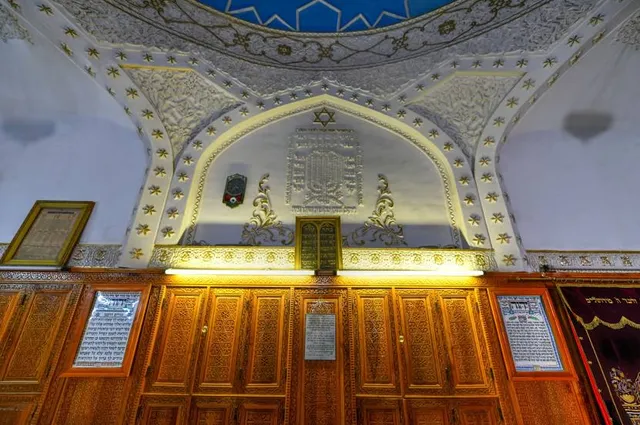
Synagogue - Gumbaz
4.0
(37)
Click for details