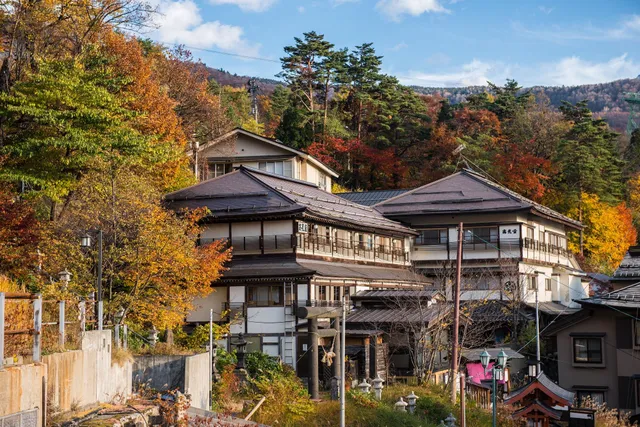
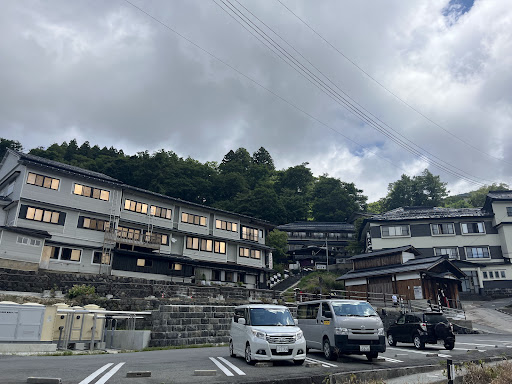
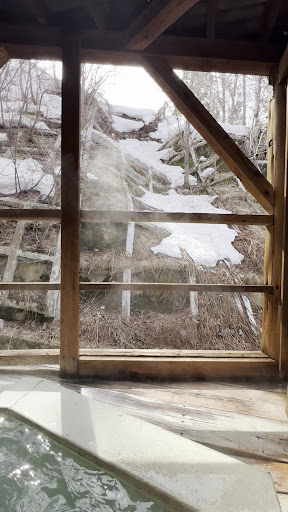
I am an English speaker with only a handful of Japanese words at my disposal—“hello,” “thank you,” “yes,” “delicious,” “no,” and “excuse me”—yet I had no trouble enjoying this uniquely historic Japanese hotel. Although I initially considered a more budget-friendly option, the extra expense here was truly worthwhile, thanks to the many added touches and graces of the experience.
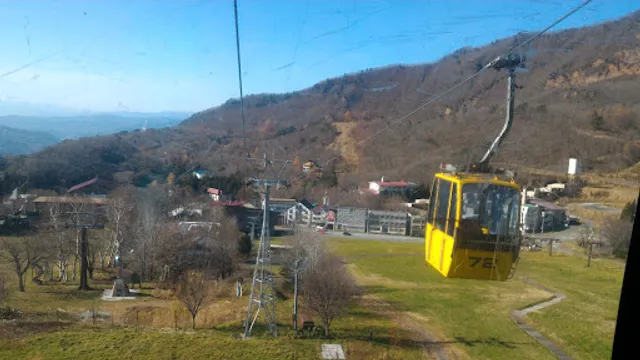
If you choose to stay, I suggest spending at least two nights to fully appreciate the subtle cultural norms and rhythms of the property. It may be a bit challenging to book as an English speaker, but it is absolutely worth the effort. Traveling from Tokyo is straightforward: the train ride is easy, and the bus journey up the mountain isn’t difficult either. The hotel shuttle is a pleasant bonus, though the walk from the bus station in Zao is only about seven minutes if you prefer to stretch your legs.
Once you arrive, the surroundings feel precious. The food is extraordinarily delicious, and every interaction I had with the staff was perfect. I also loved the enchanting paper charms, handwritten calligraphy notes, papier-mâché birds, and other delicate foldings that adorn your space and table settings. There is so much thought and creativity in each tiny detail.
Spending two nights here makes me think I could have happily stayed three—one day never feels like enough. I’m profoundly grateful to have visited and will try to return in the future, perhaps for three days always during winter, as the atmosphere is magical.
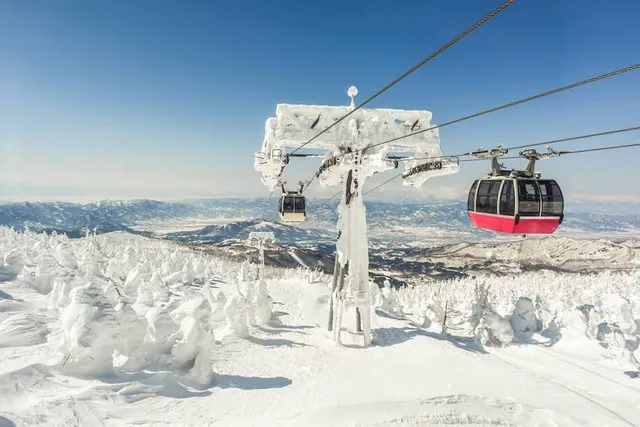
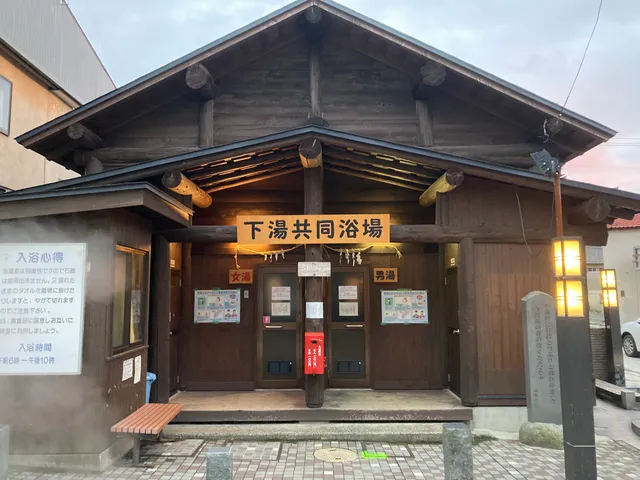
Lastly, the onsen configurations change daily, which adds another layer of delightful discovery. Every morning feels like a fresh invitation to immerse yourself in the warm, mineral-rich waters. Overall, I couldn’t recommend this experience more—and I encourage anyone, regardless of language skill, to take the leap and savor this unforgettable slice of Japan.
A small moiety of my journal there.
A Morning ablution. There is a hush in the dark that scrapes along the spine of dawn. No light on any horizon. I remove my layers and stack them, each piece a pale flag in the basket, as I have watched others do many times. Denuded, I scurry to the shower.
The spigot snarls—blackened and worn, I assume, by the spring’s acidity—and the water rushes cold against my palms. It bites while I stand naked and already chilled, a tiny cruelty of contrasts that prefaces the onsen’s warmth. The air is a mix of chill and steam.
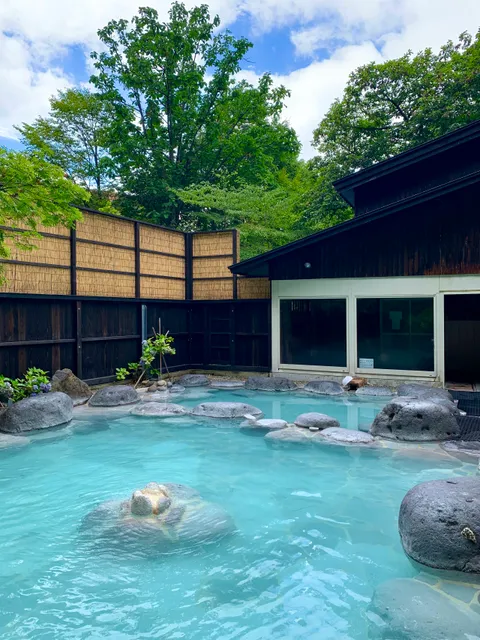
The water’s hue is a muted blue-gray. I smile. If it were not gray, it would resemble dark green tea with cloudy depths. These sediments are not fine leaves, though, but rather smooth siliceous sinter from deep within the earth—this is Zao spring water. A milky, mirroring veil devours my thighs, hips, and belly; it is a deep tub. In the shadows, the waters appear light blue-gray, while in its depths, they turn silkily turbid. I cannot see my knees or the bottom. Yet on the surface, silhouettes of light and shadow reflect the scaffolding’s lines, like beams filtered through a clouded window.
Submerged.
I let my mind unravel in these inky depths, aware that I am sharing in another culture’s long-held tradition—one so intimately tied to a single family. It’s healthy to pause and absorb that perspective. This ryokan has outlived my own nation by fifty years: three centuries of footsteps, ritual, breath, steam, customers. Families born into these walls, generations warmed by the same springs, and countless visitors seeking solace here. Each embraces these practices not only to honor long-standing etiquette but also to heighten one’s sense of renewal. How brief a single life can seem amid such constellations of time. Drop. Humbling.
I lose myself in this timeless ablution. I meditate in the soft haze, the bath’s blue-gray waters faintly acidic, reflecting light and shadow in gentle ripples. The heat is immense, but the darkness and quiet bring me calm and introspection. Still, I cannot remain long.
Breakfast. And the scurry and rush to catch the bus to lower mountain town and...
Read moreThe BEST hot spring ever! They have long history. If you have time please have a look below;
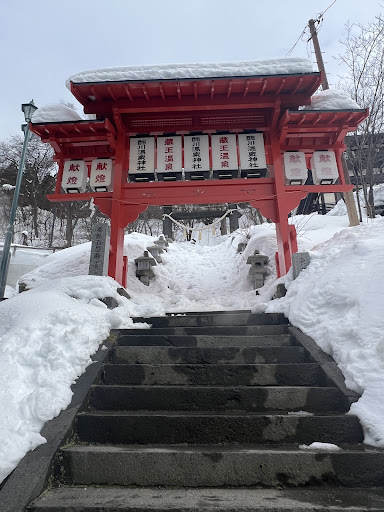
Takamiya was founded in 1716 (the first year of the Kyoho era) in the mid-Edo period, the year Tokugawa Yoshimune became the eighth shogun. The shogunate was in the midst of the Kyoho Reforms, which restructured its finances and reorganized its governing structure. These reforms also reached the provinces, and a document from 1717, the Takayu Village Memorandum, states, "At the time, there was a hot spring inn in Takayu Village. Under austerity measures, business struggled, and the inn suffered a second major fire following the one in the Shotoku era, leaving it in poverty. However, it somehow managed to recover." Hotta Masaaki, lord of the Yamagata domain, took notice of Takayu Village, home to abundant sulfurous hot springs, and sought to revitalize the economy. He gave the area around Takayu, including the southern Yamagata region at the foot of the mountain, his surname, Hotta, and named it "Hotta Village." Takayu Village was subsequently renamed "Hotta Village Takayu," laying the foundation for its development into the major tourist destination it is today.
In the late Edo period, commerce flourished and pilgrimages to Ise Shrine became popular. This led to increased mobility among the populace, and the number of inns and lodgings increased throughout the region.
A portable woodblock-printed booklet called the "Azuma Ko Akindo Kagami" (A Guide to Merchants) was published, and inns displaying a wooden sign reading "Azuma Ko" were highly valued, as they offered attentive hospitality and comfort to ordinary travelers.
Takayu Onsen, in particular, is featured with a striking illustration of the scenery.
In addition to the name "Yahei," which identifies the current Takamiya Ryokan, the booklet lists the names of 14 other hot spring inns, confirming their trustworthiness.
With the appearance of booklets like this, travel became more widespread, and many travelers began to visit the deep mountain areas of Takayu Onsen.
At the time the Azuma Ko Akindo Kagami was published, the owner of Takamiya was Yahei Shigetomo, the ninth head of the Okazaki family. In 1836 (Tenpo 7), the villagers were hit by a nationwide famine that left approximately 100,000 people dead. Shigenobu considered the hardships faced by the villagers due to successive tragedies, as well as the ideal way to run the hot spring inn, and offered guidelines for his descendants to follow in the family business. He planted 9,999 cedar seedlings on his private property. He deliberately omitted one cedar seedling from every 10,000, signaling the effort to plant just one more. In other words, he left behind a message of never being satisfied with the status quo, always thinking about the future, and never slacking off. In 1859 (Ansei 6), he wrote a document consisting of eight sections entitled "Gardening Instructions." This document of admonitions left by Shigenobu has been passed down as a family heirloom for generations of the Okazaki family and has been put to great use in the management of the inn.
Many members of the imperial family, writers, and poets favored Takamiya and made it their regular lodging. Prince Mikasa was the guest in 1941 (Showa 16), and Prince Takamatsu in 1950. The following year, when he was still Crown Prince, the former Emperor stayed at our inn for four days with three of his school friends. We have also welcomed notable VIPs such as literary figures Kikuchi Kan and Fukada Kyuya, and triple Winter Olympic gold medalist Tony Sailer, and we will continue to cherish our spirit of hospitality. Celebrating its 300th anniversary in 2016, Miyamaso Takamiya will continue to operate as a long-established inn, forever remembering the reliability and spirit of hospitality that we have built up alongside the development of tourism in Zao...
Read moreoverall not value for money as we paid more than double c/w hachimantai heights & furofushi & about 40% more than wakamatsuya
takamiya old ryokan nice traditional ryokan with rich history…manager keep reminding us built 307yrs ago
ryokan is well maintained but limited because of structure
lobby hall is small but cozy rustic got coffee but no tea
nice place for people who really love old places & history
room below average, among the poorer of the 10 ryokans we stayed this tohoku trip
Though it has a separate bed area, there is no settee, chairs or sofa, only the mobile seats with cushion & a table with sunken in area for legs from the raised bed..well design not so ergonomic to use with no back support..so we ended up using the lobby lounge more
onsen very small, very cramped shower area for 3 showers no much room for design etc
it is the only ryokan where Wi-Fi really sucks..room Wi-Fi non existent…though connected and showed 3 or 4 bars WhatsApp always show connecting..so if WhatsApp cannot connect, google etc also cannot
lobby wifi better
end up using own data
extensive kaiseki dinner @ takamiya 高见屋ryokan
this a special sukishabu dinner
1 appetisers good standard fine it specially tasty 2 steamed abalone - Lisa’s one was perfect texture, mine was over so tough ☹️ 3 dobinmushi was best standard, very 清sweet dashi with matsutake mushroom, chicken and prawn 4 sashimi small serving, sake sashimi best quality, nevitoro good quality, ika ok, & konyaku ok 5 grilled sanma 秋刀鱼good standard tasty decorated with ginkgo and maple leaves with chestnut and ginkgo nuts 6 zao beef sukishabu good standard, beef very tasty, lots of fat (see amount of fat on rice bowl) not the best cut, about かたくりの花 standard, not quite hachimantai heights standard 7 simmered unagi served with eggplant, taro and flatbeans good standard 8 cold soba ok standard 9 dessert ok standard
•
a average good breakfast @ takamiya
not as fine & tasty as...
Read more