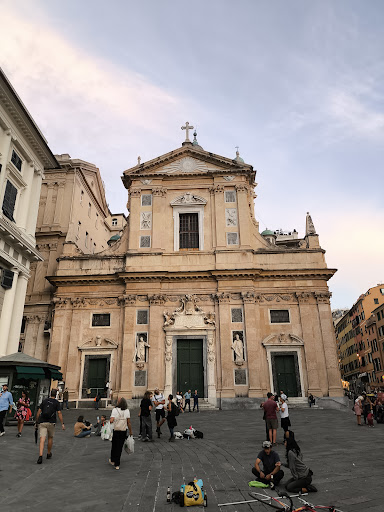
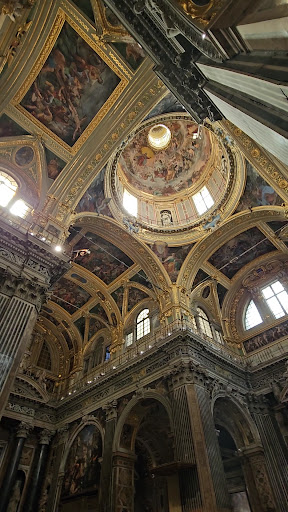
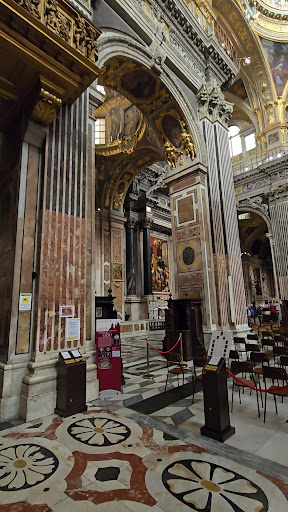
Chiesa del Gesù e dei Santi Ambrogio e Andrea things to do, attractions, restaurants, events info and trip planning
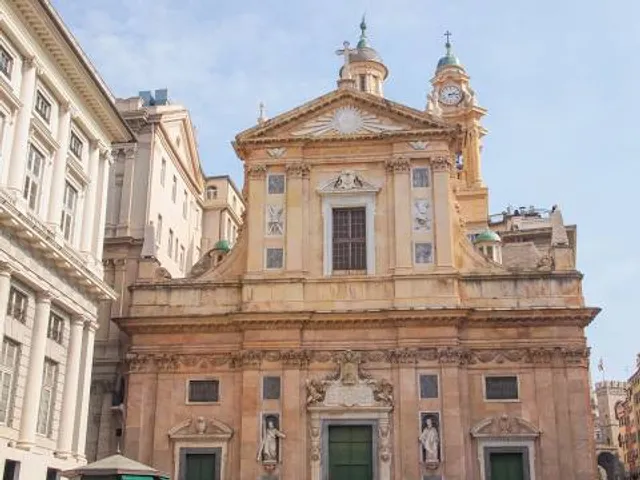
Basic Info
Chiesa del Gesù e dei Santi Ambrogio e Andrea
Via di Porta Soprana, 2, 16121 Genova GE, Italy
4.7(202)
Closed
Save
spot
spot
Ratings & Description
Info
Cultural
Accessibility
attractions: Cattedrale di San Lorenzo, Christopher Columbus' House, Giardini Luzzati, Doge's Palace, Carlo Felice Theater, Porta Soprana, Theater of the Cough, Galleria Giuseppe Mazzini, Galleria d'arte il Vicolo, Diocesan Museum, restaurants: Raviolhouse Genova, Il Masetto, Foocaccia Food and Drink, Douce Pâtisserie Café, Rooster Streetfood Rotisserie - Matteotti, Trattoria Ugo dal 1969, Josna Ristorante Indiano, Trattoria Rosmarino, Caffè degli Specchi, La Cremeria delle Erbe, local businesses: Gelateria Capriccio, Feltrinelli Librerie, Palazzo della Borsa Valori, Buratto, Emporio Fratelli Carli - Genova, Igreja de San Matteo, Kasanova+, Galleria Giuseppe Mazzini, Palazzo della Regione Liguria, Il Negozietto di Laura e Fetuccia
 Learn more insights from Wanderboat AI.
Phone
+39 010 251 4122
Website
chiesagesugenova.org
Open hoursSee all hours
Fri7 AM - 1 PM, 4 - 7 PMClosed
Plan your stay

Pet-friendly Hotels in Genoa
Find a cozy hotel nearby and make it a full experience.

Affordable Hotels in Genoa
Find a cozy hotel nearby and make it a full experience.

The Coolest Hotels You Haven't Heard Of (Yet)
Find a cozy hotel nearby and make it a full experience.

Trending Stays Worth the Hype in Genoa
Find a cozy hotel nearby and make it a full experience.
Reviews
Live events
Candlelight: Tributo a Fabrizio De André
Sun, Feb 15 • 5:30 PM
Vico Boccanegra, Genova, 16124
View details
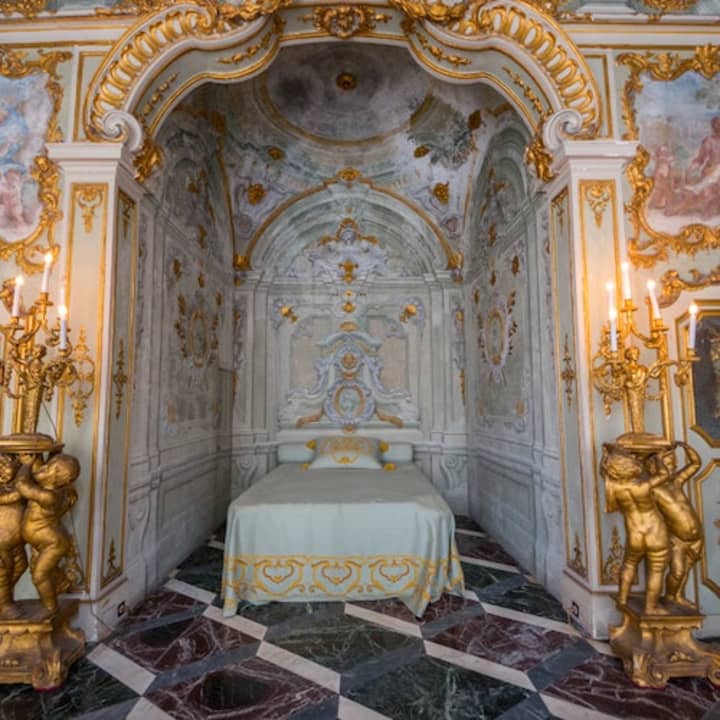
Palazzi dei Rolli: Tour guidato a piedi
Sat, Feb 14 • 3:00 PM
Via Garibaldi, Genova, 16124
View details
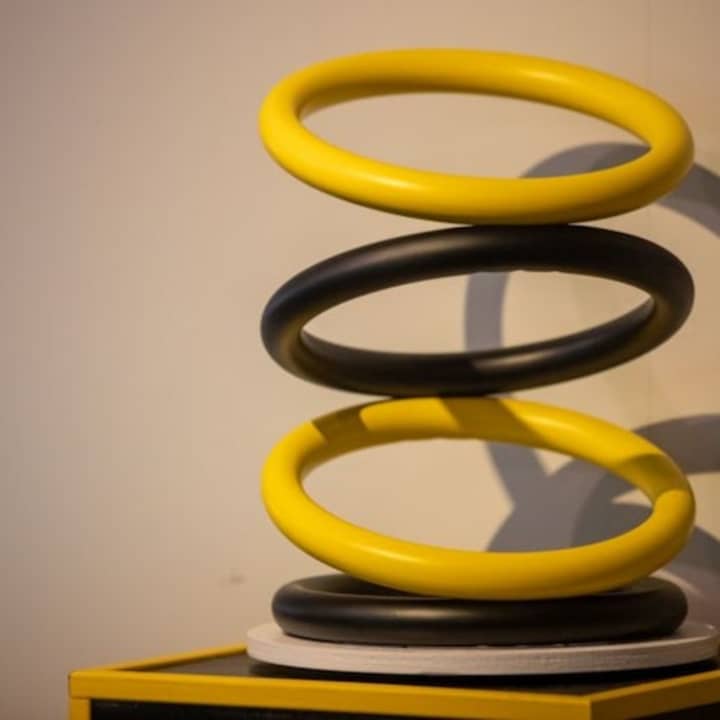
Porto Antico di Genova: Mostra Illusioni
Sat, Feb 14 • 10:00 AM
Genova
View details
Nearby attractions of Chiesa del Gesù e dei Santi Ambrogio e Andrea
Cattedrale di San Lorenzo
Christopher Columbus' House
Giardini Luzzati
Doge's Palace
Carlo Felice Theater
Porta Soprana
Theater of the Cough
Galleria Giuseppe Mazzini
Galleria d'arte il Vicolo
Diocesan Museum
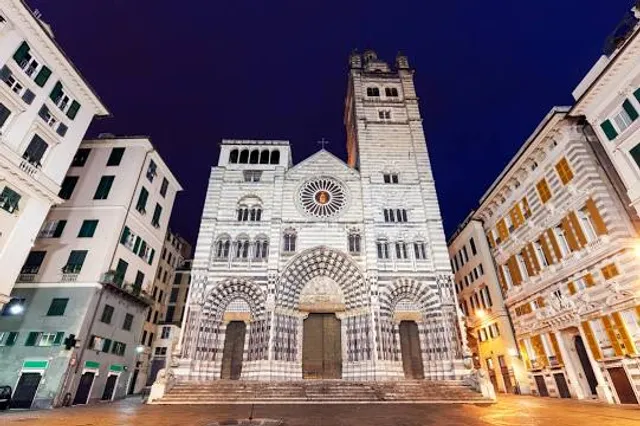
Cattedrale di San Lorenzo
4.6
(5K)
Closed
Click for details
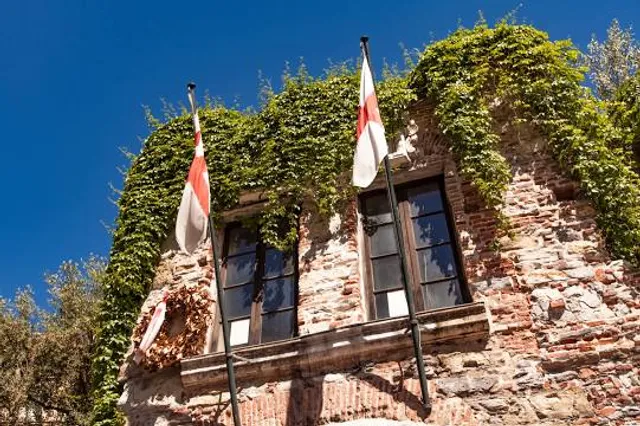
Christopher Columbus' House
4.0
(4K)
Closed
Click for details

Giardini Luzzati
4.5
(1.5K)
Open until 2:00 AM
Click for details
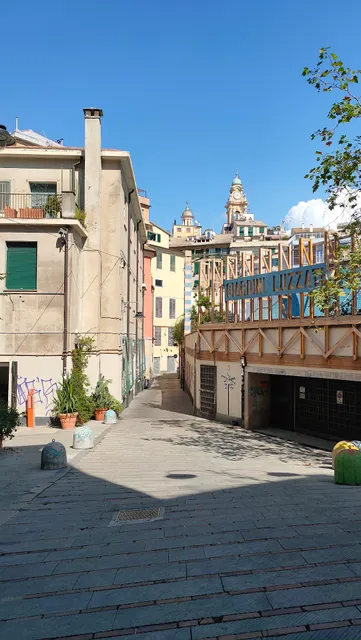
Doge's Palace
4.6
(510)
Closed
Click for details
Nearby restaurants of Chiesa del Gesù e dei Santi Ambrogio e Andrea
Raviolhouse Genova
Il Masetto
Foocaccia Food and Drink
Douce Pâtisserie Café
Rooster Streetfood Rotisserie - Matteotti
Trattoria Ugo dal 1969
Josna Ristorante Indiano
Trattoria Rosmarino
Caffè degli Specchi
La Cremeria delle Erbe
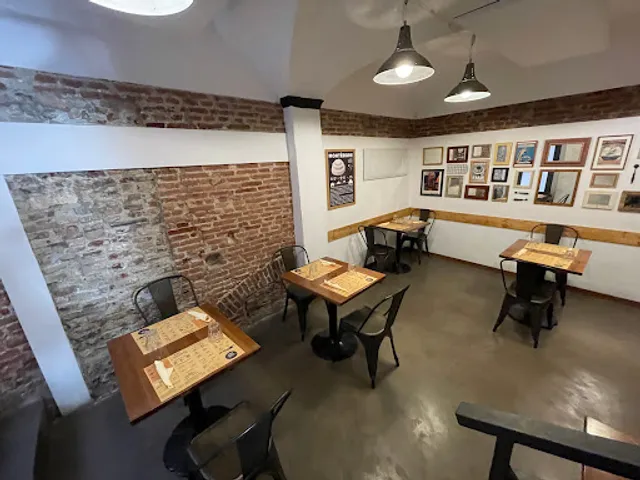
Raviolhouse Genova
4.5
(565)
Open until 10:30 PM
Click for details
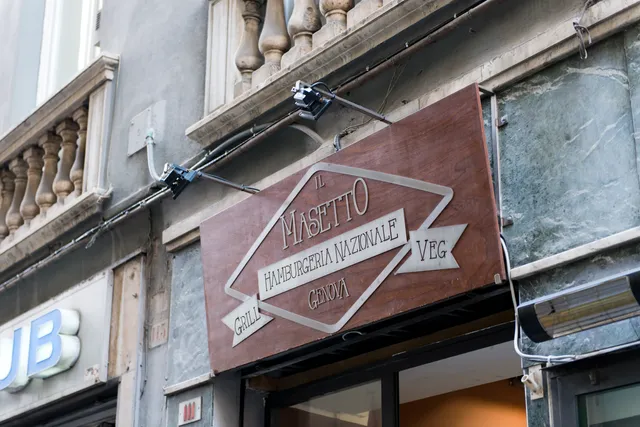
Il Masetto
4.7
(1.4K)
Open until 12:00 AM
Click for details
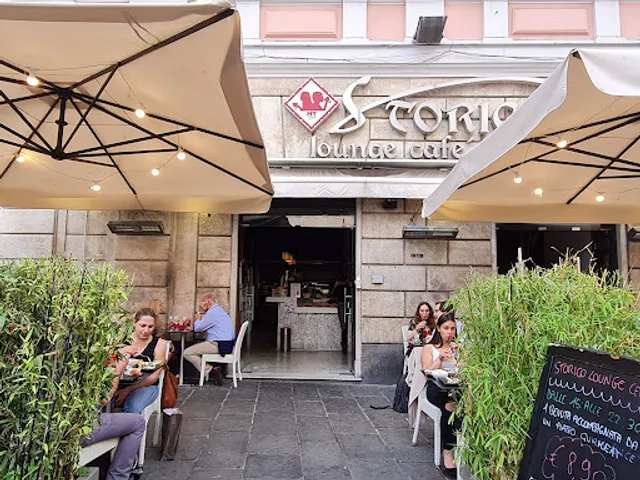
Foocaccia Food and Drink
4.7
(4.5K)
Open until 1:00 AM
Click for details
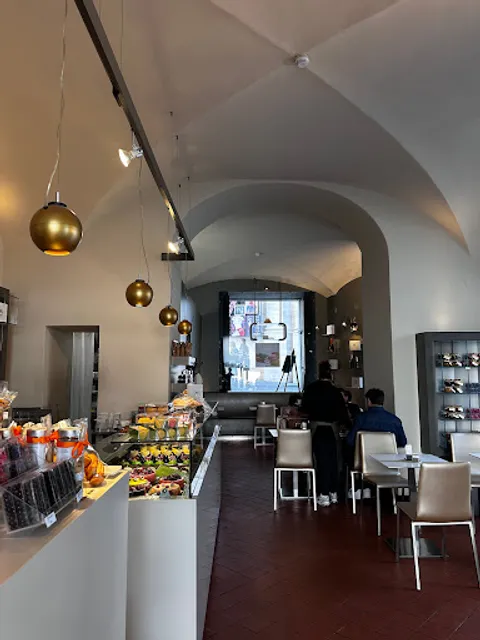
Douce Pâtisserie Café
3.7
(593)
$$$
Closed
Click for details
Nearby local services of Chiesa del Gesù e dei Santi Ambrogio e Andrea
Gelateria Capriccio
Feltrinelli Librerie
Palazzo della Borsa Valori
Buratto
Emporio Fratelli Carli - Genova
Igreja de San Matteo
Kasanova+
Galleria Giuseppe Mazzini
Palazzo della Regione Liguria
Il Negozietto di Laura e Fetuccia

Gelateria Capriccio
4.3
(128)
Click for details

Feltrinelli Librerie
4.5
(3.2K)
Click for details
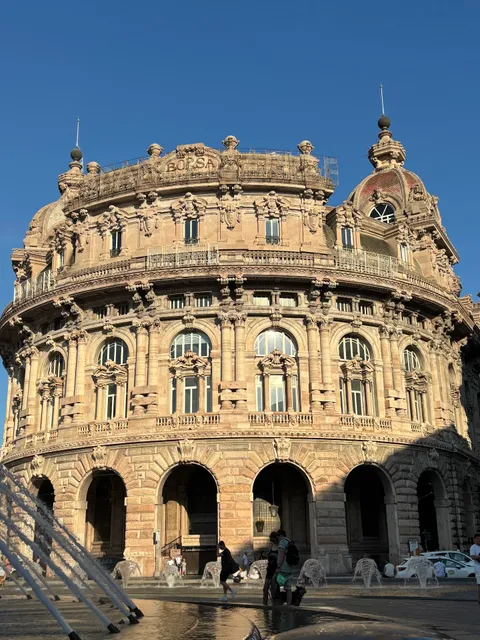
Palazzo della Borsa Valori
4.6
(152)
Click for details
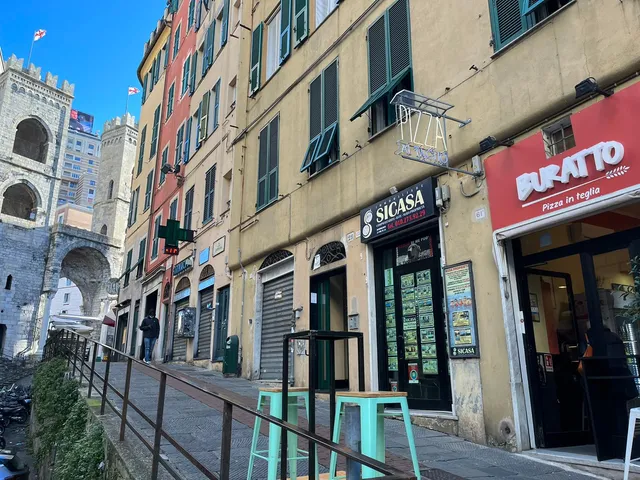
Buratto
4.8
(96)
Click for details