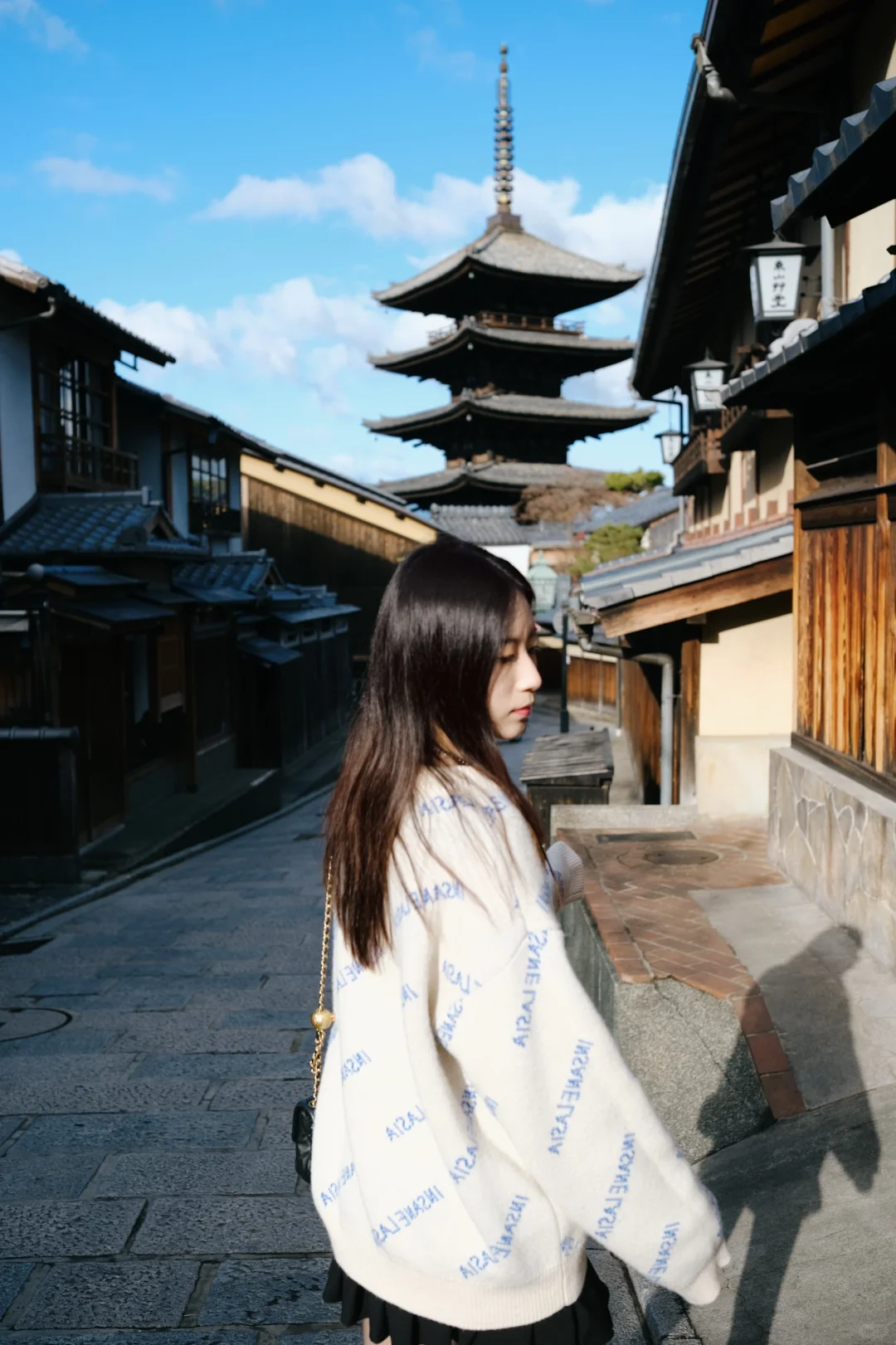
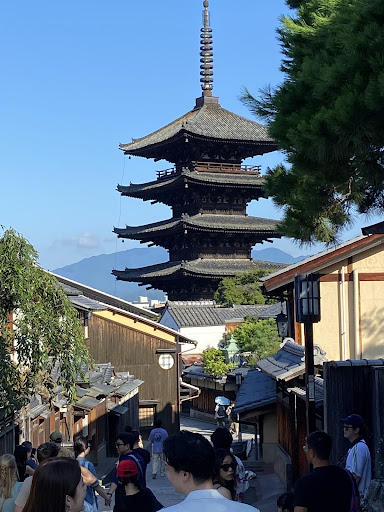
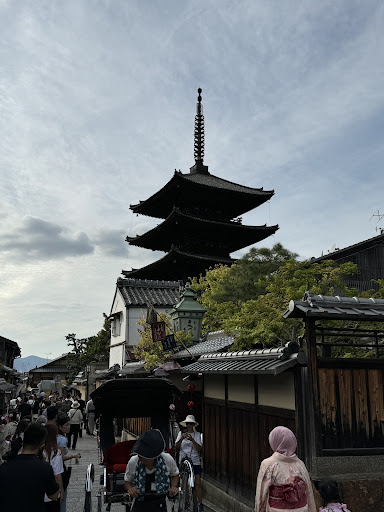
Yasaka Pagoda (Gojunoto), Hōkan-ji Temple things to do, attractions, restaurants, events info and trip planning
Basic Info
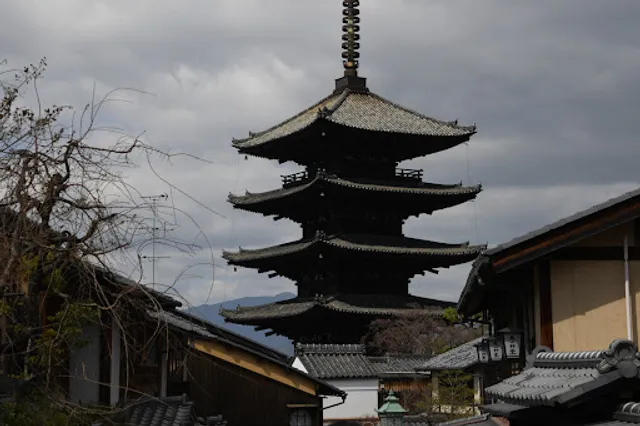
Yasaka Pagoda (Gojunoto), Hōkan-ji Temple
Yasaka Kamimachi, Higashiyama Ward, Kyoto, 605-0827, Japan
4.6(124)
Closed
Save
spot
spot
Ratings & Description
Info
Cultural
Scenic
attractions: Hōkan-ji Temple (Yasaka Pagoda), Yasaka Kōshin-dō Temple, Ninenzaka, Sannenzaka, Akagane Resort Kyoto Higashiyama 1925, Tea Ceremony Nagomi, Kōdaiji Temple, Yasaka Pagoda Photo Spot, Yasaka-dori, Kyoto Shugen, restaurants: % ARABICA Kyoto Higashiyama, Starbucks Coffee - Kyoto Nineizaka Yasaka Chaya, THE SODOH HIGASHIYAMA KYOTO, Japanese Noodle ISSUN BOUSHI, Itsukichaya at Kiyomizu, Bunnosuke Chaya Kyoto main store, K36 (The Bar & Rooftop), Salon de KANBAYASHI, Nittodo Kyoto Cafe, キーズカフェ京都八坂の塔, local businesses: My Only Fragrance KIYOMIZU /custom-made fragrance shop, Akanece Kiyomizu, Itoaware Kyoto, Zuikou Kyoto-Kiyomizu Studio, glänta Kyoto Ninenzaka, MACHICA.Ichinenzaka, Kyoto Kimono Rental Aiwafuku KiyomizuYasakanotou Shop, Yume Kyoto Kodaiji Store (Kimono Rental) Kiyomizu Temple, Kōdai-ji Temple, kyoto kimono rental mimosa
 Learn more insights from Wanderboat AI.
Phone
+81 75-551-2417
Website
souda-kyoto.jp
Open hoursSee all hours
Wed10 AM - 3 PMClosed
Plan your stay

Pet-friendly Hotels in Kyoto
Find a cozy hotel nearby and make it a full experience.

Affordable Hotels in Kyoto
Find a cozy hotel nearby and make it a full experience.

The Coolest Hotels You Haven't Heard Of (Yet)
Find a cozy hotel nearby and make it a full experience.

Trending Stays Worth the Hype in Kyoto
Find a cozy hotel nearby and make it a full experience.
Reviews
Live events
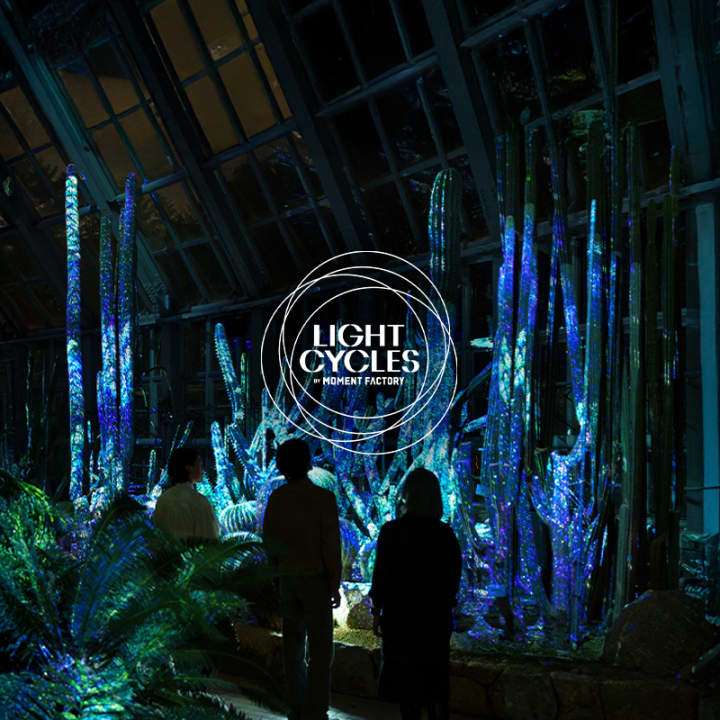
京都府立植物園:LIGHT CYCLES KYOTO (ライトサイクル京都)
Thu, Feb 19 • 6:00 PM
京都市左京区下鴨半木町, 606-0823
View details
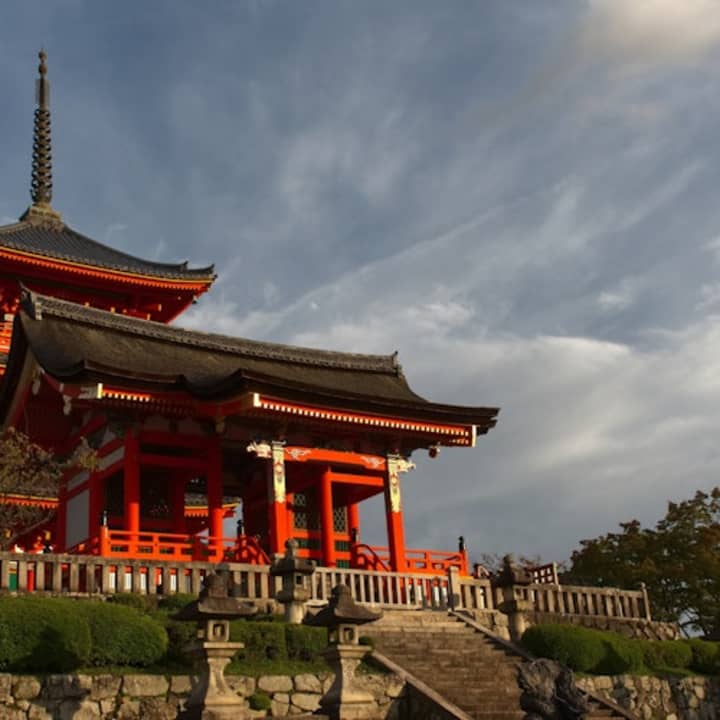
京都:ガイド付きウォーキングツアー+清水寺&高台寺入場
Mon, Feb 23 • 12:00 AM
京都市下京区東塩小路町スターバックスコーヒー京都Portaウエスト店, 600-8216
View details
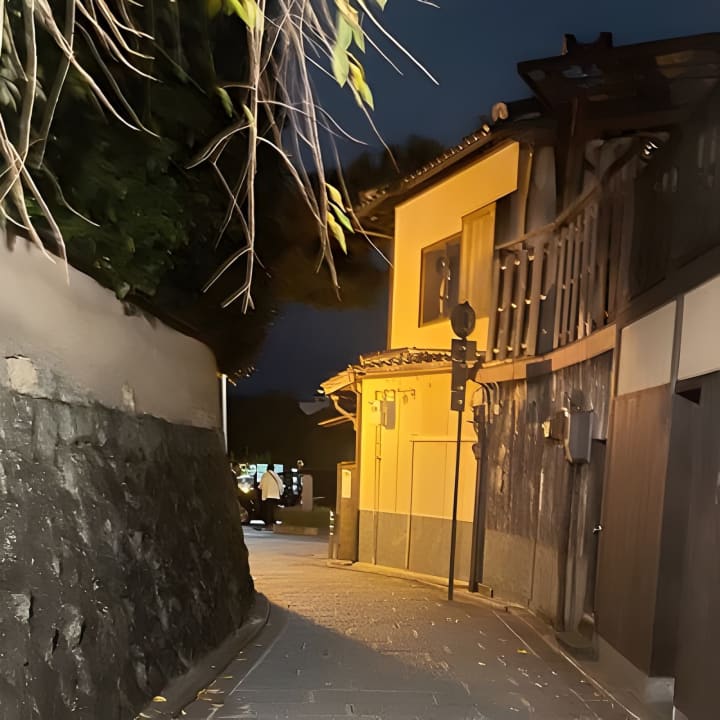
自転車で巡る夜の京都
Thu, Feb 19 • 5:30 PM
18 Abbey St, Abbeylands, Arklow, Y14 KC97
View details
Nearby attractions of Yasaka Pagoda (Gojunoto), Hōkan-ji Temple
Hōkan-ji Temple (Yasaka Pagoda)
Yasaka Kōshin-dō Temple
Ninenzaka
Sannenzaka
Akagane Resort Kyoto Higashiyama 1925
Tea Ceremony Nagomi
Kōdaiji Temple
Yasaka Pagoda Photo Spot
Yasaka-dori
Kyoto Shugen
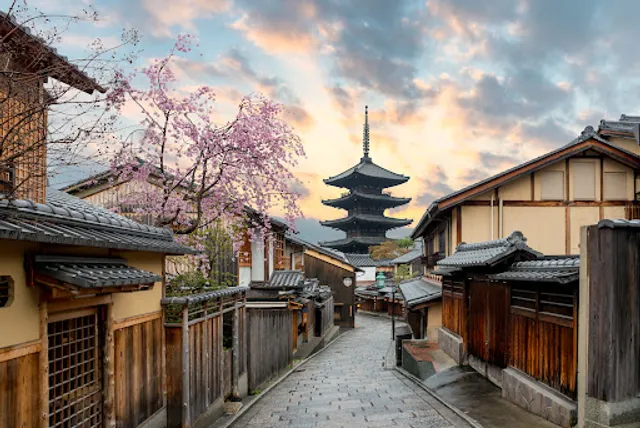
Hōkan-ji Temple (Yasaka Pagoda)
4.6
(2.5K)
Open until 12:00 AM
Click for details
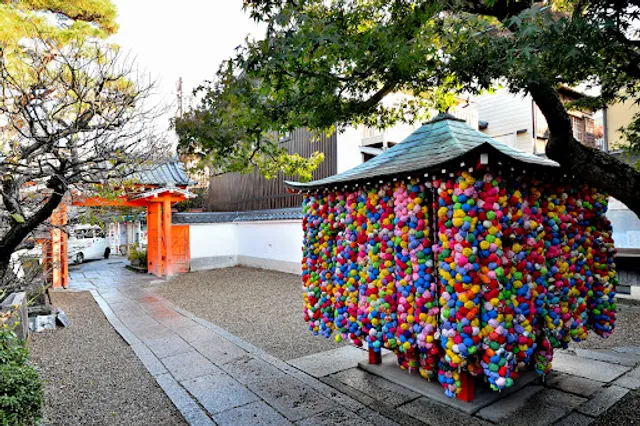
Yasaka Kōshin-dō Temple
4.3
(1.3K)
Closed
Click for details
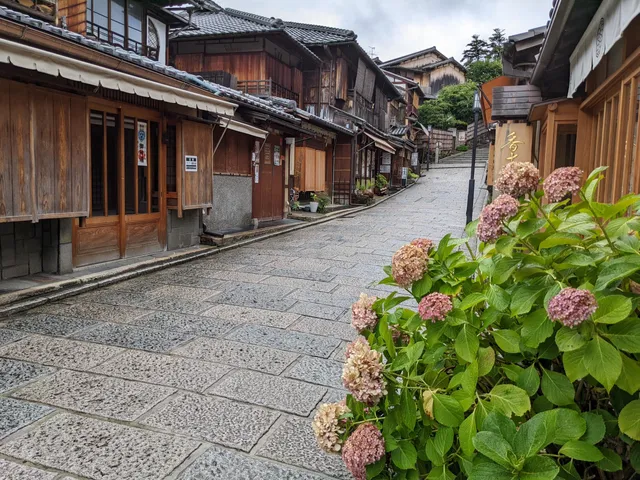
Ninenzaka
4.5
(4.4K)
Open until 12:00 AM
Click for details
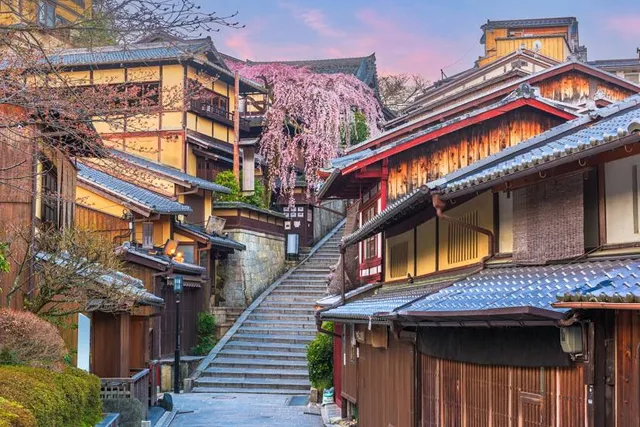
Sannenzaka
4.4
(6.3K)
Open until 12:00 AM
Click for details
Nearby restaurants of Yasaka Pagoda (Gojunoto), Hōkan-ji Temple
% ARABICA Kyoto Higashiyama
Starbucks Coffee - Kyoto Nineizaka Yasaka Chaya
THE SODOH HIGASHIYAMA KYOTO
Japanese Noodle ISSUN BOUSHI
Itsukichaya at Kiyomizu
Bunnosuke Chaya Kyoto main store
K36 (The Bar & Rooftop)
Salon de KANBAYASHI
Nittodo Kyoto Cafe
キーズカフェ京都八坂の塔
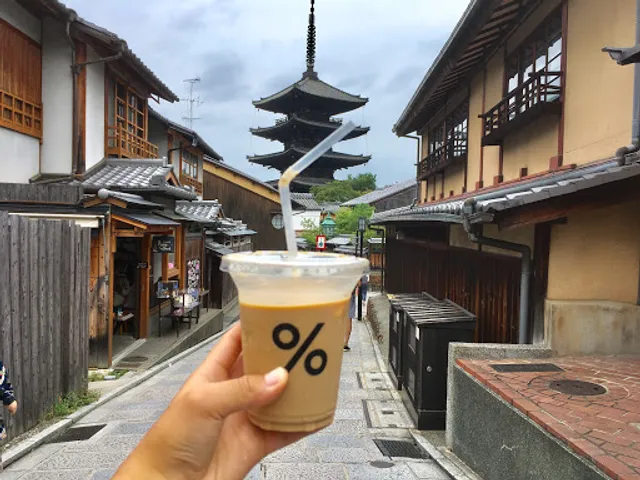
% ARABICA Kyoto Higashiyama
4.4
(1.3K)
Closed
Click for details
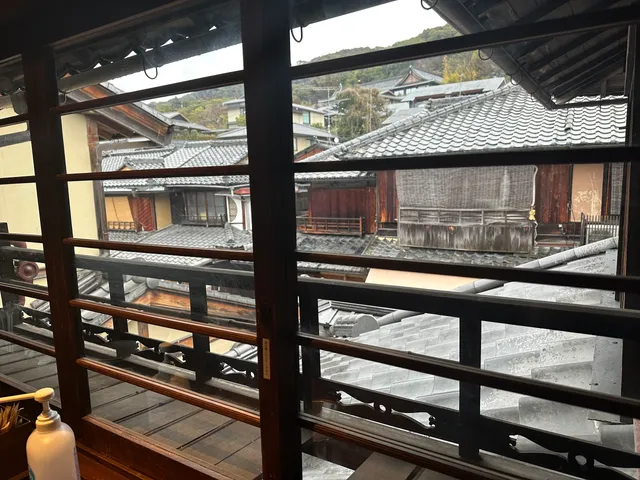
Starbucks Coffee - Kyoto Nineizaka Yasaka Chaya
4.4
(2.5K)
Closed
Click for details
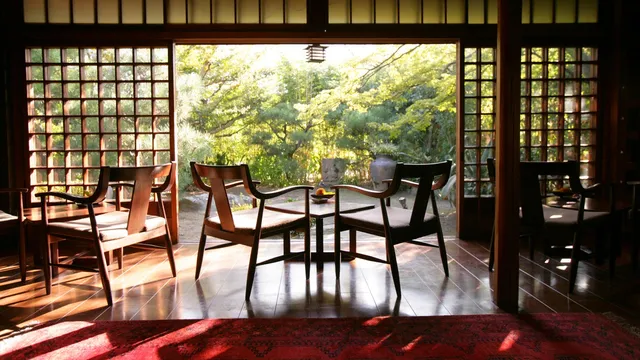
THE SODOH HIGASHIYAMA KYOTO
4.3
(980)
Open until 12:00 AM
Click for details
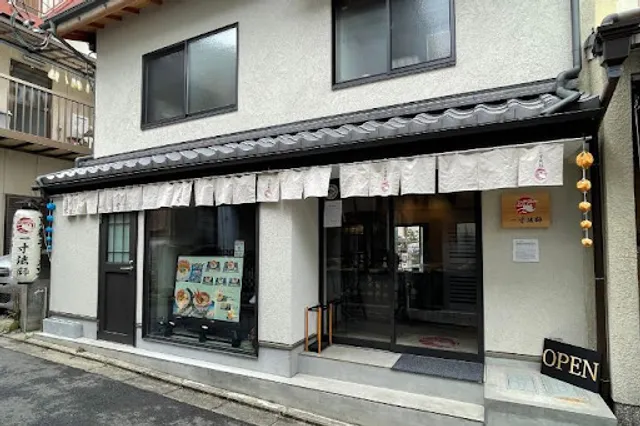
Japanese Noodle ISSUN BOUSHI
4.7
(1.2K)
Closed
Click for details
Nearby local services of Yasaka Pagoda (Gojunoto), Hōkan-ji Temple
My Only Fragrance KIYOMIZU /custom-made fragrance shop
Akanece Kiyomizu
Itoaware Kyoto
Zuikou Kyoto-Kiyomizu Studio
glänta Kyoto Ninenzaka
MACHICA.Ichinenzaka
Kyoto Kimono Rental Aiwafuku KiyomizuYasakanotou Shop
Yume Kyoto Kodaiji Store (Kimono Rental) Kiyomizu Temple
Kōdai-ji Temple
kyoto kimono rental mimosa
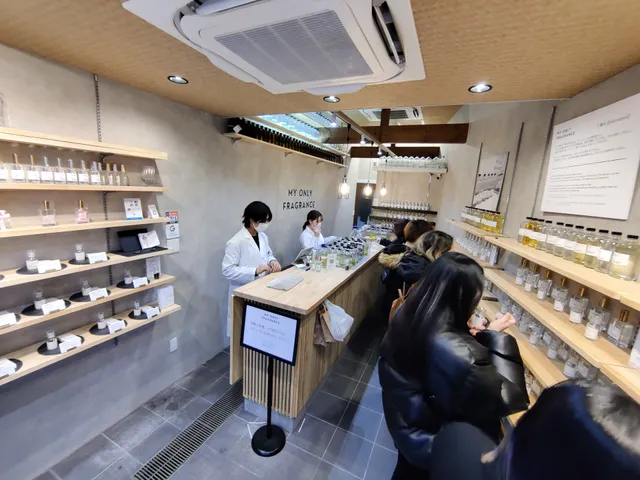
My Only Fragrance KIYOMIZU /custom-made fragrance shop
5.0
(5.4K)
Click for details

Akanece Kiyomizu
4.9
(2.7K)
Click for details
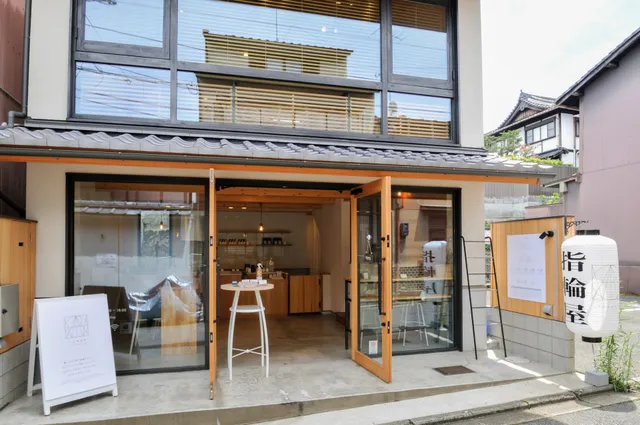
Itoaware Kyoto
5.0
(1.1K)
Click for details
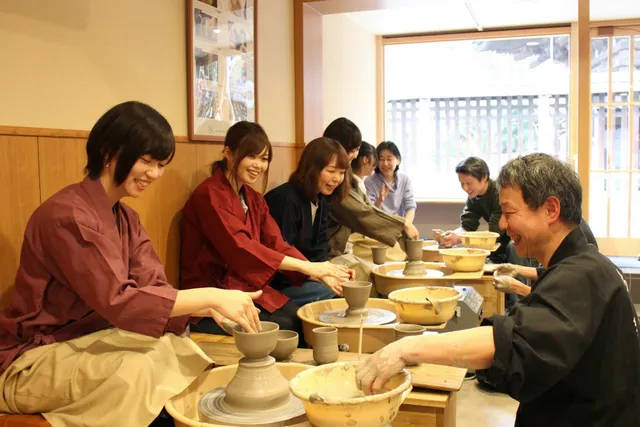
Zuikou Kyoto-Kiyomizu Studio
4.6
(206)
Click for details