A restaurant is a business that prepares and serves food and drinks to customers.1] Meals are generally served and eaten on the premises, but many restaurants also offer take-out and food delivery services. Restaurants vary greatly in appearance and offerings, including a wide variety of cuisines and service models ranging from inexpensive fast-food restaurants and cafeterias to mid-priced family restaurants, to high-priced luxury establishments.The word derives from early 19th century from French word restaurer ‘provide food for’ (literally ‘restore to a former state’).('to restore', 'to revive')[2] and, being the present participle of the verb,[3] The term restaurant may have been used in 1507 as a "restorative beverage", and in correspondence in 1521 to mean 'that which restores the strength, a fortifying food or remedy'.A public eating establishment similar to a restaurant is mentioned in a 512 BC record from Ancient Egypt. The establishment served only one dish, a plate of cereal, wild fowl, and onions.[5]
A forerunner of the modern restaurant is the thermopolium, an establishment in Ancient Greece and Ancient Rome that sold and served ready-to-eat food and beverages. These establishments were somewhat comparable to modern fast food restaurants. They were most often frequented by people who lacked private kitchens. In the Roman Empire they were popular among residents of insulae.[6]
In Pompeii, 158 thermopolia with service counters have been identified throughout the town. They were concentrated along the main axis of the town and the public spaces where they were frequented by the locals.[7]
The Romans also had the popina, a wine bar which in addition to a variety of wines offered a limited selection of simple foods such as olives, bread, cheese, stews, sausage, and porridge. The popinae were known as places for the plebeians of the lower classes of Roman society to socialize. While some were confined to one standing room only, others had tables and stools and a few even had couches.[8
Another early forerunner of the restaurant was the inn. Throughout the ancient world, inns were set up alongside roads to cater to people traveling between cities, offering lodging and food. Meals were typically served at a common table to guests. However, there were no menus or options to choose from.[10]
The Arthashastra references establishments where prepared food was sold in ancient India. One regulation states that "those who trade in cooked rice, liquor, and flesh" are to live in the south of the city. Another states that superintendents of storehouses may give surpluses of bran and flour to "those who prepare cooked rice, and rice-cakes", while a regulation involving city superintendents references "sellers of cooked flesh and cooked rice."[11]
Early eating establishments recognizable as restaurants in the modern sense emerged in Song dynasty China during the 11th and 12th centuries. In large cities, such as Kaifeng and Hangzhou, food catering establishments catered to merchants who travelled between cities. Probably growing out of tea houses and taverns which catered to travellers, Kaifeng's restaurants blossomed into an industry that catered to locals as well as people from other regions of China. As travelling merchants were not used to local cuisine of other cities, these establishments were set up to serve dishes familiar to merchants from other parts of China. Such establishments were located in the entertainment districts of major cities, alongside hotels, bars, and brothels. The larger and more opulent of these establishments offered a dining experience that was similar to modern restaurant culture. According to a Chinese manuscript from 1126, patrons of one such establishment were greeted with a selection of pre-plated demonstration dishes which represented food options. Customers had their orders taken by a team of waiters who would then sing their orders to the kitchen and distribute the dishes in the exact order in which they had...
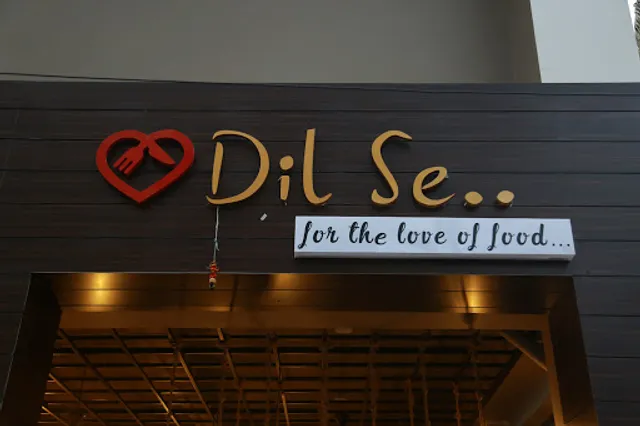
Read moreWent at 11.30 for an early lunch. Service was very poor. When we asked the waiter that we do not want oily/deep fried food and asked him to suggest he didn't have any and suggested instead spring rolls which were deep fried and whose contents inside were oily and very spicy. When we realized they had Momos and asked him why he didn't suggest the same he had no answer. Also he left in the middle of waiting on us for an errand with the owner. At the end of our meal there was no one to check on us to see if we needed anything else and no one brought the check to our table and instead we had to walk up to the cashier and pay the bill. Yes and the waiter deserved zero tips. This is for the service.
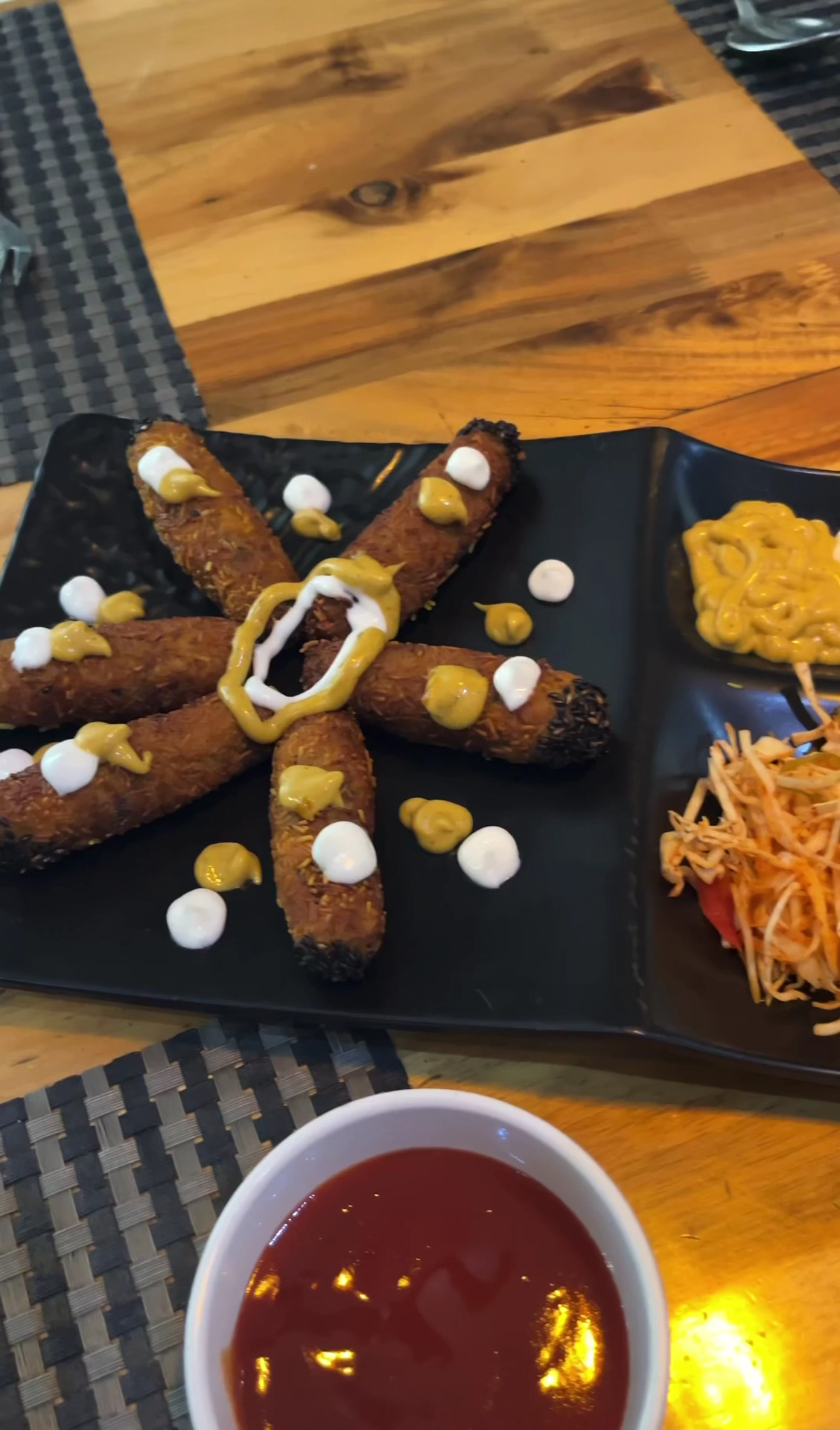
As for the food their methi paratha was dry as a bone and the phulka was moist and half cooked. Horrible food.
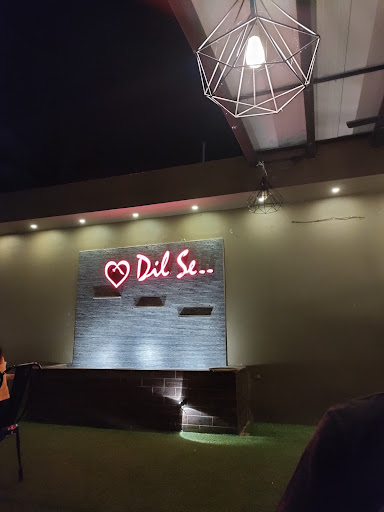
Their ambience left a lot to be desired. It was dark inside and they were saving on their power bill by not turning on the lights.
Finally, their prices are a ripoff - I suggest you try other restaurants in the area of which there is an abundance.
Avoid this place...
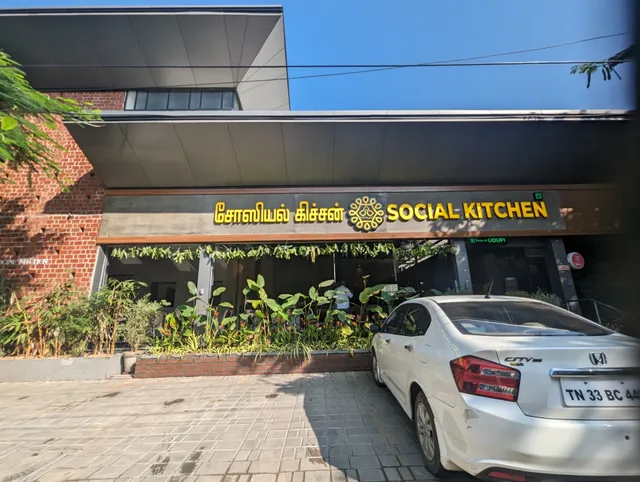
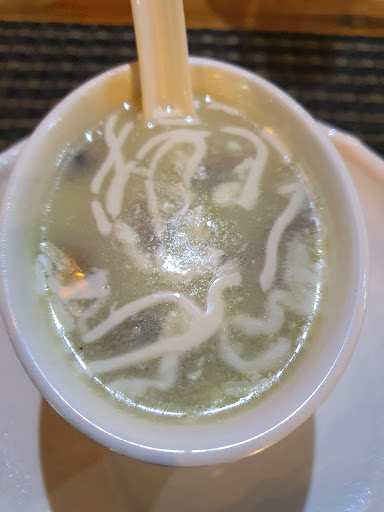
Read moreThis is a pure veg restaurant also serving jain menu. Situated off a busy area at the right spot for some peaceful dining experience. The place was neat and well air conditioned with great food and service. The staff were super friendly including the busboy. The specs at time of order like hot soup, crispy, less salt, etc, were clearly passed to the kitchen for preparation. The management or staff also don't hurry to clear the customer after we finish the dining. Roof top service available on weekends and also reservations taken for hosting private parties in Upper levels and roof top. Special discounts provided for hosting kitty parties(pls confirm before reserving the table). The overall experience was fantastic and would definitely head back more to try other parts of their menu! FYIP. This is not a paid review but a honest appreciation for great service they provided for a walkin customer compared to previously visited...
Read more