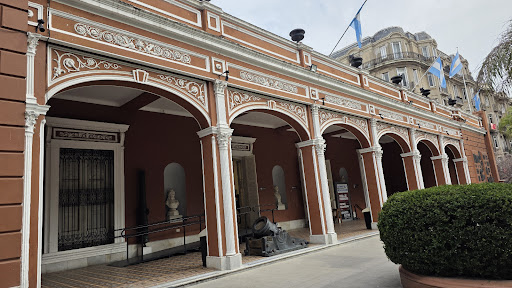
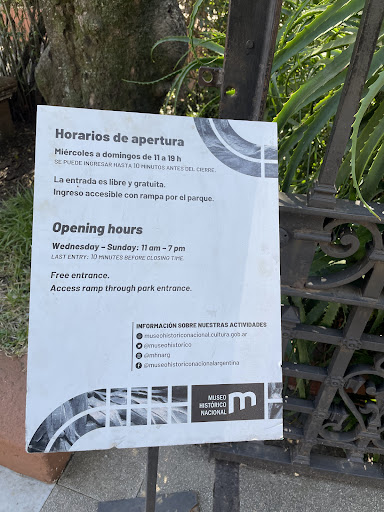
Museo Histórico Nacional things to do, attractions, restaurants, events info and trip planning
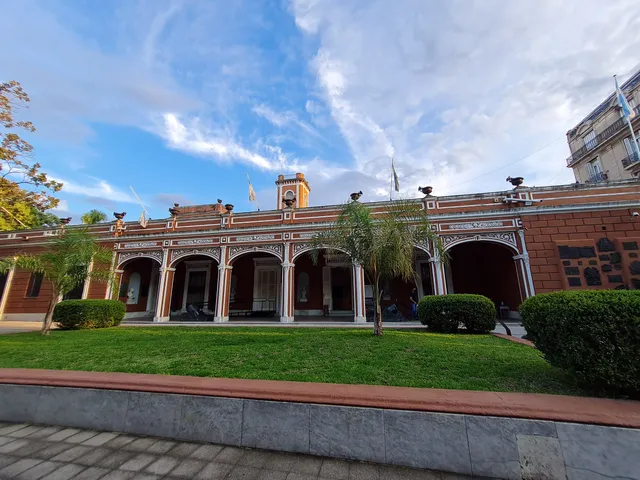
Basic Info
Museo Histórico Nacional
Defensa 1600, C1143 Cdad. Autónoma de Buenos Aires, Argentina
4.7(4.2K)
Open 24 hours
Save
spot
spot
Ratings & Description
Info
Cultural
Family friendly
Accessibility
attractions: Parque Lezama, Palacio Lezama, Galeria Del Asombro, Museo Moderno, Museo de la Dirección Antártica "Gral. Hernán Pujato", Plaza Dorrego, MACBA - Museum of Contemporary Art in Buenos Aires, Estadio Luis Conde, Galería de la Defensa, Centro Cultural y Biblioteca Popular El Sueñero, restaurants: Nápoles, Hierbabuena, Bar Britanico, Hipopótamo, El Fundador Helados, Babieca Parrilla, La Continental, JIRO SUSHI SAN TELMO, El Viejo Vulcano, Pulpería Quilapán, local businesses: Russian Orthodox Church of the Holy Trinity, Monumento a la cordialidad argentino-uruguaya, San Telmo Antiques Fair, Mercado San Telmo, FERIA ARTESANAL SAN TELMO 1300, Parroquia de San Pedro González Telmo, Fenix Entertainment Group, San Telmo Market, Parrilla Bar Polo, Your garden Flowers Sending Flowers federal capital
 Learn more insights from Wanderboat AI.
Phone
+54 11 4300-7540
Website
cultura.gob.ar
Plan your stay

Pet-friendly Hotels in Autonomous City of Buenos Aires
Find a cozy hotel nearby and make it a full experience.

Affordable Hotels in Autonomous City of Buenos Aires
Find a cozy hotel nearby and make it a full experience.

The Coolest Hotels You Haven't Heard Of (Yet)
Find a cozy hotel nearby and make it a full experience.

Trending Stays Worth the Hype in Autonomous City of Buenos Aires
Find a cozy hotel nearby and make it a full experience.
Reviews
Live events

Watch an Argentine soccer match with a true fan
Sat, Jan 31 • 4:00 PM
C1010, Buenos Aires, Ciudad Autónoma de Buenos Aires, Argentina
View details

Buenos Aires Flavors
Fri, Jan 30 • 5:30 PM
C1414, Buenos Aires, Buenos Aires, Argentina
View details
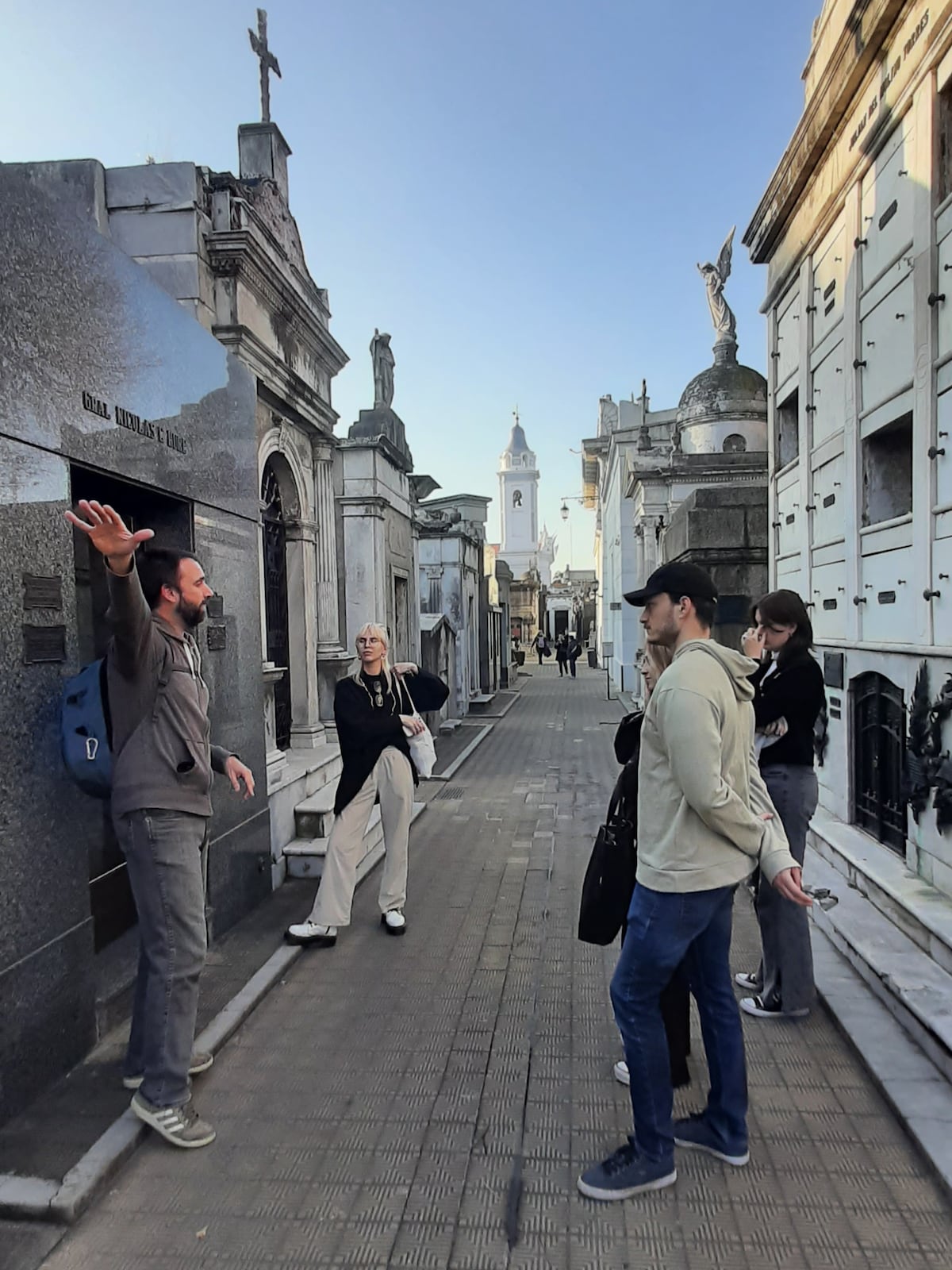
Recoleta Cemetery – Small Group Stories Tour
Fri, Jan 30 • 9:00 AM
C1113, Buenos Aires, Buenos Aires, Argentina
View details
Nearby attractions of Museo Histórico Nacional
Parque Lezama
Palacio Lezama
Galeria Del Asombro
Museo Moderno
Museo de la Dirección Antártica "Gral. Hernán Pujato"
Plaza Dorrego
MACBA - Museum of Contemporary Art in Buenos Aires
Estadio Luis Conde
Galería de la Defensa
Centro Cultural y Biblioteca Popular El Sueñero
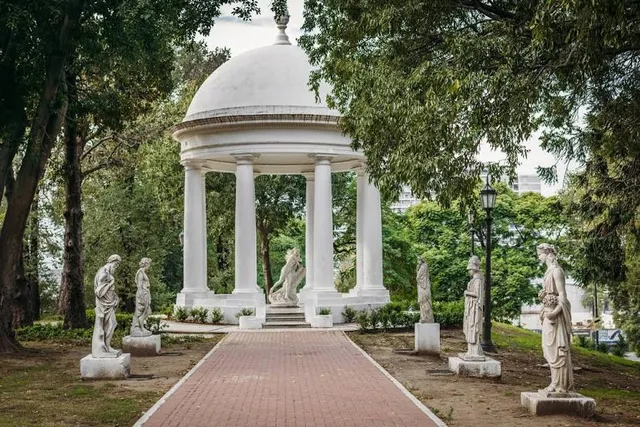
Parque Lezama
4.5
(20.3K)
Open until 12:00 AM
Click for details
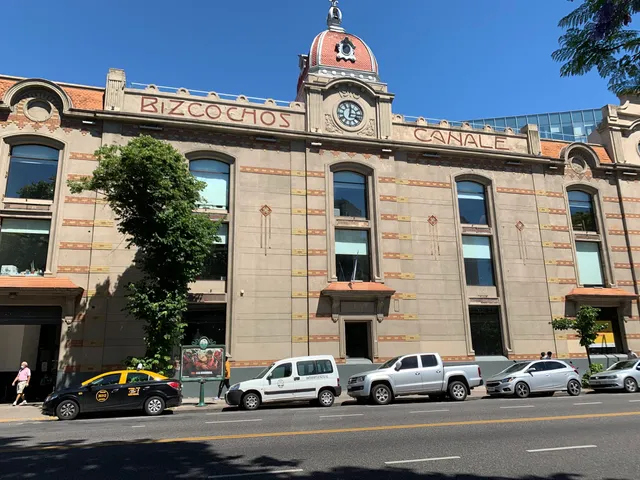
Palacio Lezama
4.6
(690)
Closed
Click for details
Galeria Del Asombro
4.6
(1.7K)
Open until 12:00 AM
Click for details

Museo Moderno
4.5
(5.4K)
Closed
Click for details
Nearby restaurants of Museo Histórico Nacional
Nápoles
Hierbabuena
Bar Britanico
Hipopótamo
El Fundador Helados
Babieca Parrilla
La Continental
JIRO SUSHI SAN TELMO
El Viejo Vulcano
Pulpería Quilapán
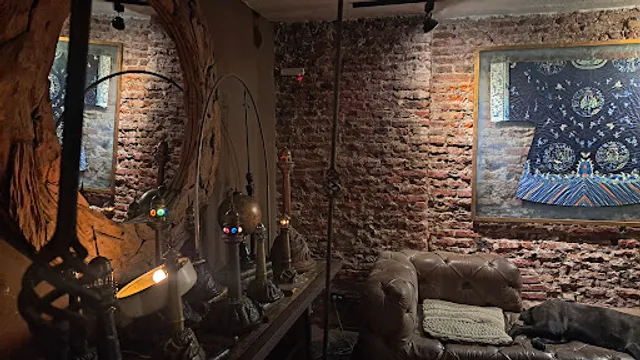
Nápoles
4.4
(8.5K)
$$$
Closed
Click for details
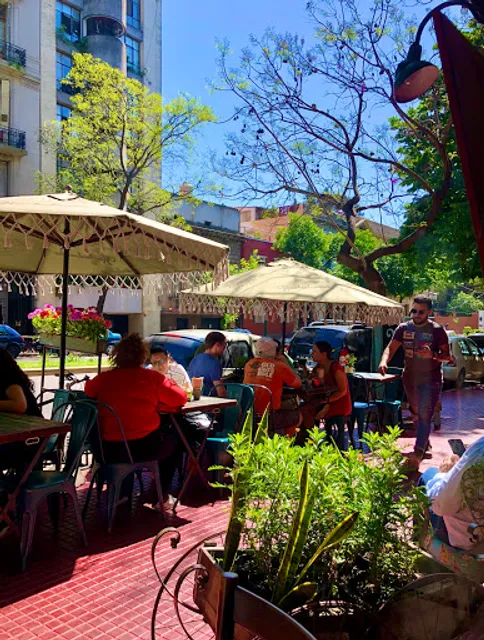
Hierbabuena
4.3
(2.7K)
$$$
Closed
Click for details

Bar Britanico
4.1
(2K)
Open until 3:00 AM
Click for details

Hipopótamo
4.1
(1.6K)
Open until 2:00 AM
Click for details
Nearby local services of Museo Histórico Nacional
Russian Orthodox Church of the Holy Trinity
Monumento a la cordialidad argentino-uruguaya
San Telmo Antiques Fair
Mercado San Telmo
FERIA ARTESANAL SAN TELMO 1300
Parroquia de San Pedro González Telmo
Fenix Entertainment Group
San Telmo Market
Parrilla Bar Polo
Your garden Flowers Sending Flowers federal capital
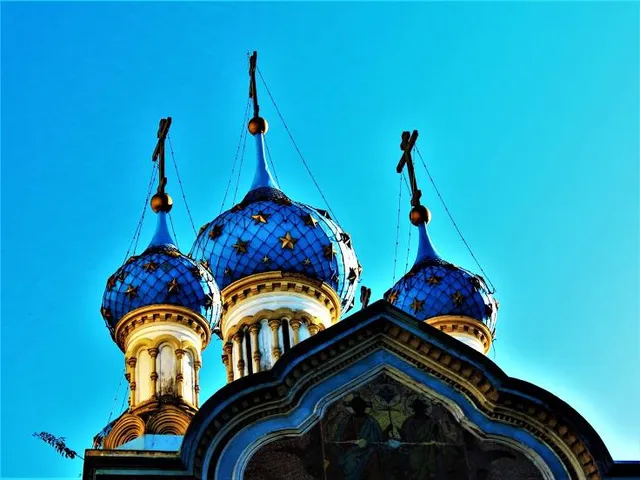
Russian Orthodox Church of the Holy Trinity
4.5
(334)
Click for details
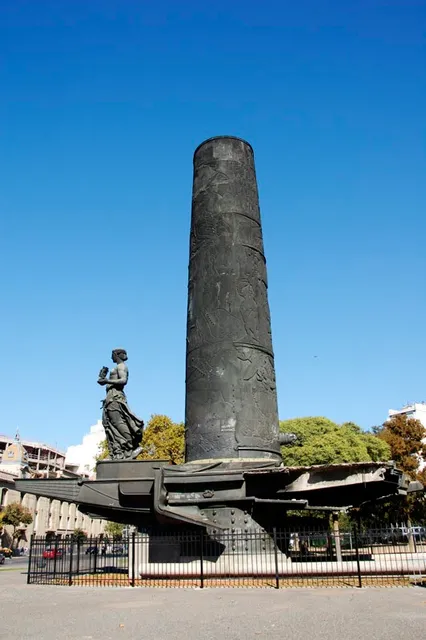
Monumento a la cordialidad argentino-uruguaya
4.8
(23)
Click for details
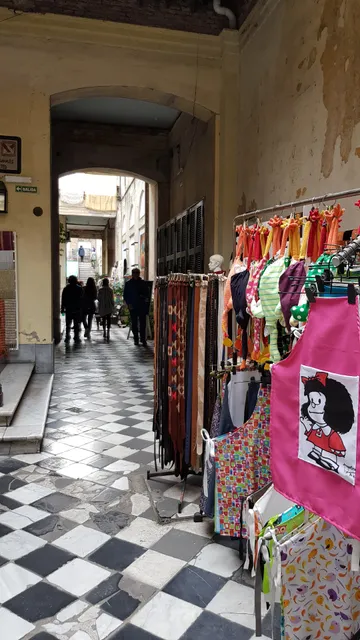
San Telmo Antiques Fair
4.5
(1.2K)
Click for details
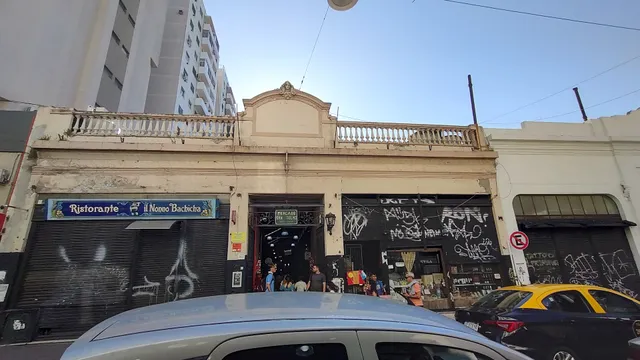
Mercado San Telmo
4.5
(10.5K)
Click for details