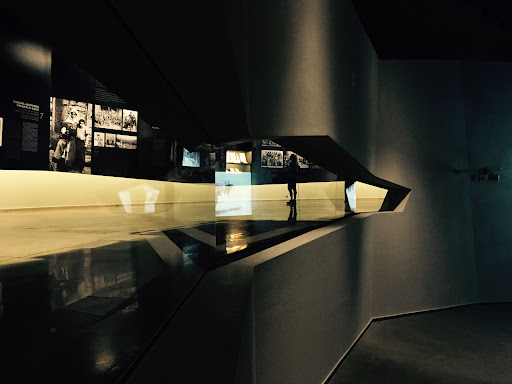
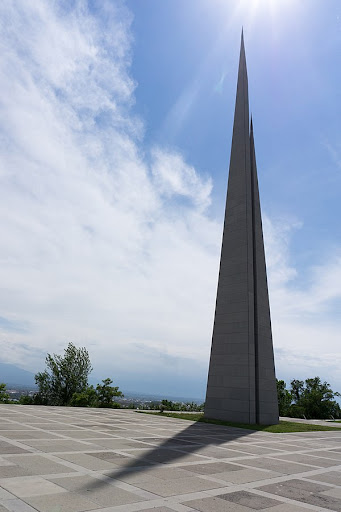
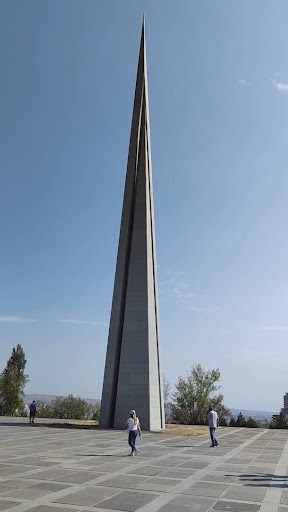
Tsitsernakaberd Armenian Genocide Memorial Complex things to do, attractions, restaurants, events info and trip planning
Basic Info
Tsitsernakaberd Armenian Genocide Memorial Complex
8, 8 Tsitsernakaberd Hwy, Yerevan 0028, Armenia
4.8(1.0K)
Open until 12:00 AM
Save
spot
spot
Ratings & Description
Info
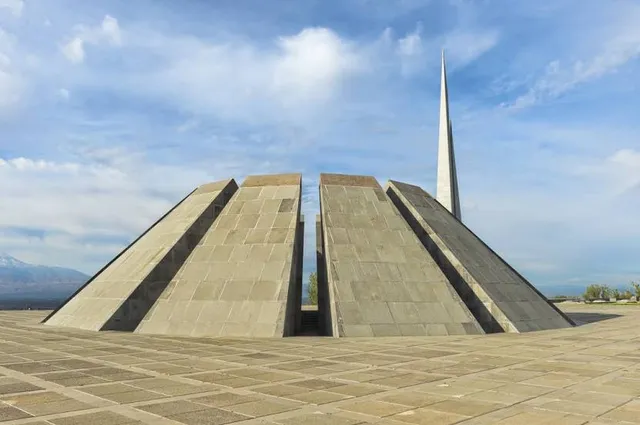
The Armenian Genocide Memorial complex is Armenia's official memorial dedicated to the victims of the Armenian genocide, built in 1967 on the hill of Tsitsernakaberd in Yerevan.
Cultural
Accessibility
attractions: Armenian Genocide Museum, Sport/Concert Complex after Karen Demirtchian, restaurants: Akori Restaurant, Monte Cristo, Livingston Restaurant, EL Garden, Bardiner Restaurant, EL Chillout, AMAR Rest and Cafe, Park Bridge Restaurant & Music Hub, Taroni Ojax, Burger King, local businesses: Genocide memorial wall, Dalma Garden Mall, Children's Railway, Research Institute of Physical Medicine, Dvin Music Hall
 Learn more insights from Wanderboat AI.
Phone
+374 10 391412
Website
genocide-museum.am
Open hoursSee all hours
MonClosedOpen
Plan your stay

Pet-friendly Hotels in Yerevan
Find a cozy hotel nearby and make it a full experience.

Affordable Hotels in Yerevan
Find a cozy hotel nearby and make it a full experience.

The Coolest Hotels You Haven't Heard Of (Yet)
Find a cozy hotel nearby and make it a full experience.

Trending Stays Worth the Hype in Yerevan
Find a cozy hotel nearby and make it a full experience.
Reviews
Live events

AI Collective Yerevan Chapter Kick-Off (w/ The AI Collective)
Fri, Feb 27 • 6:00 AM
Yerevan, Yerevan
View details
Nearby attractions of Tsitsernakaberd Armenian Genocide Memorial Complex
Armenian Genocide Museum
Sport/Concert Complex after Karen Demirtchian
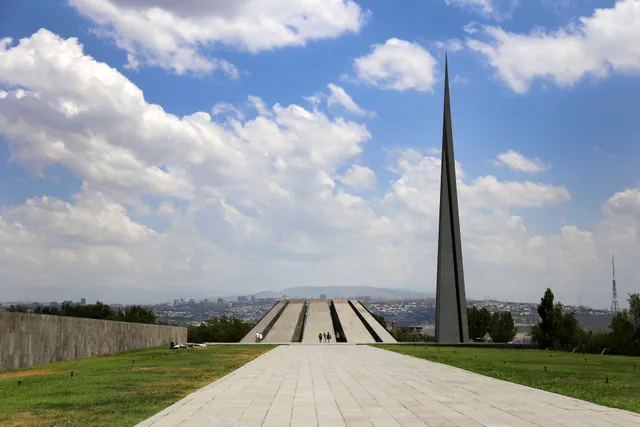
Armenian Genocide Museum
4.6
(96)
Open until 12:00 AM
Click for details
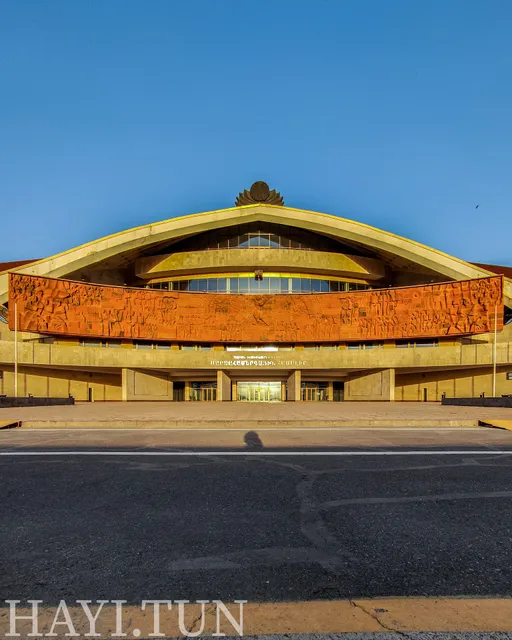
Sport/Concert Complex after Karen Demirtchian
4.6
(137)
Open 24 hours
Click for details
Nearby restaurants of Tsitsernakaberd Armenian Genocide Memorial Complex
Akori Restaurant
Monte Cristo
Livingston Restaurant
EL Garden
Bardiner Restaurant
EL Chillout
AMAR Rest and Cafe
Park Bridge Restaurant & Music Hub
Taroni Ojax
Burger King
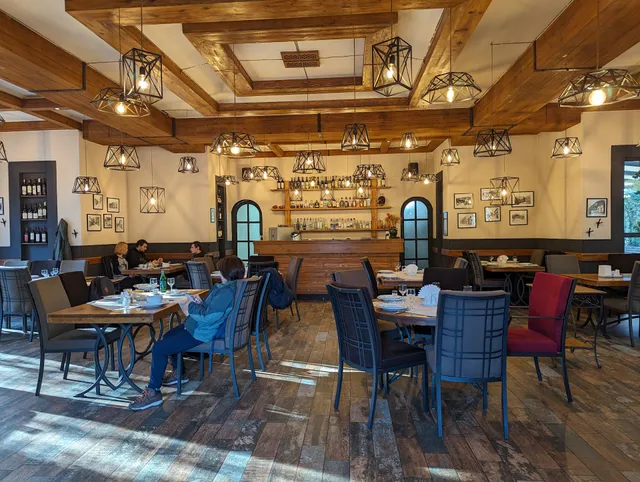
Akori Restaurant
3.7
(73)
Open until 12:00 AM
Click for details
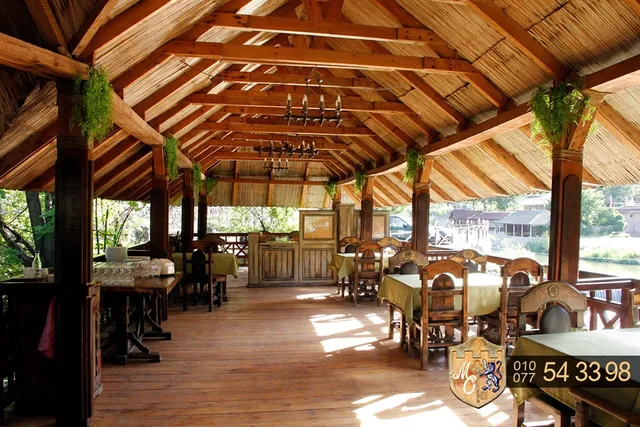
Monte Cristo
3.9
(68)
$$
Closed
Click for details
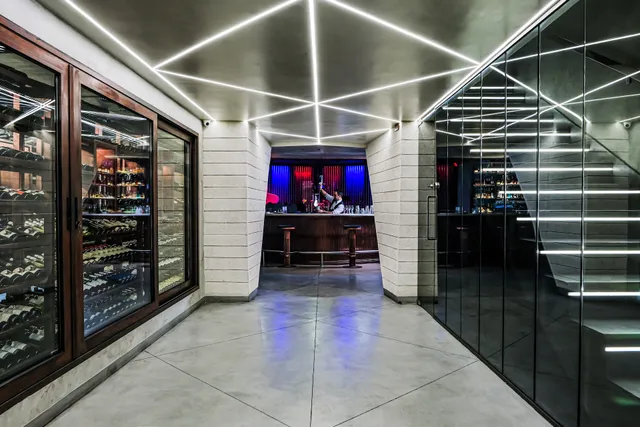
Livingston Restaurant
4.5
(71)
Closed
Click for details
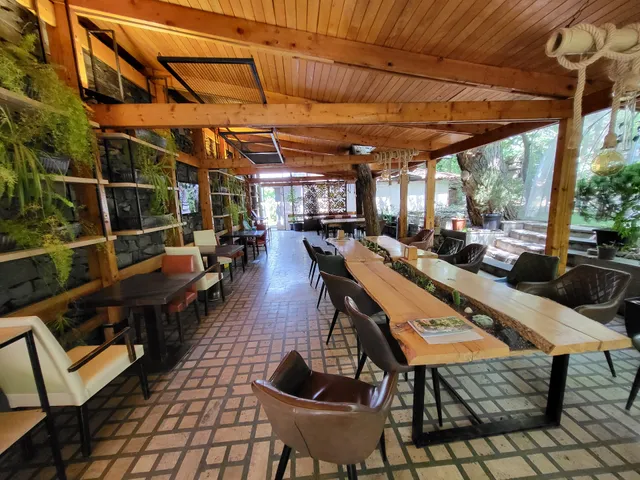
EL Garden
4.3
(396)
$$
Closed
Click for details
Nearby local services of Tsitsernakaberd Armenian Genocide Memorial Complex
Genocide memorial wall
Dalma Garden Mall
Children's Railway
Research Institute of Physical Medicine
Dvin Music Hall
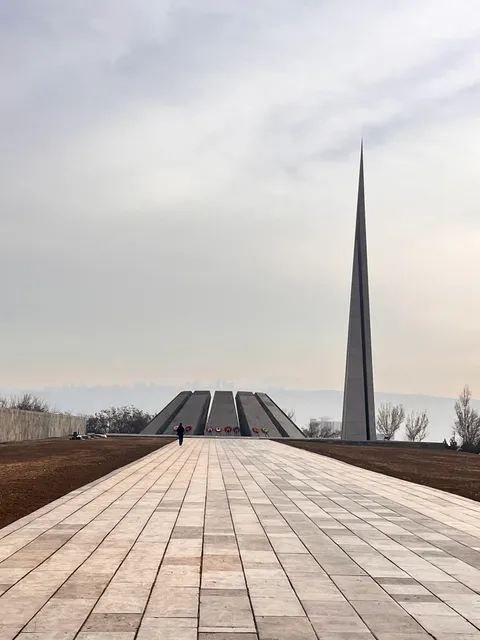
Genocide memorial wall
4.9
(33)
Click for details
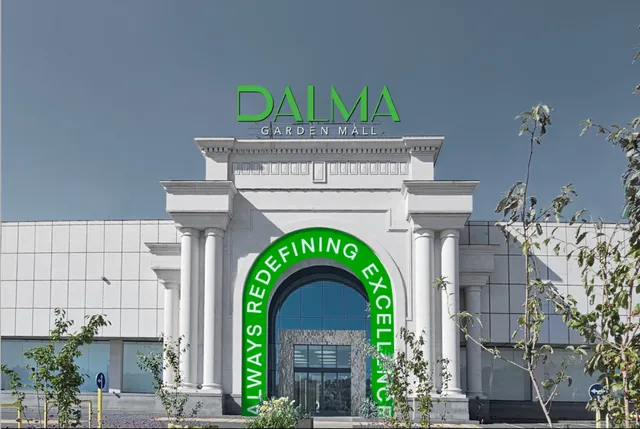
Dalma Garden Mall
4.5
(228)
Click for details
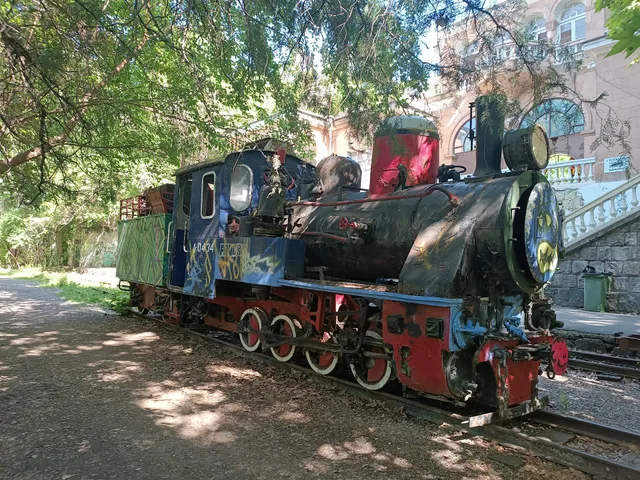
Children's Railway
4.4
(105)
Click for details
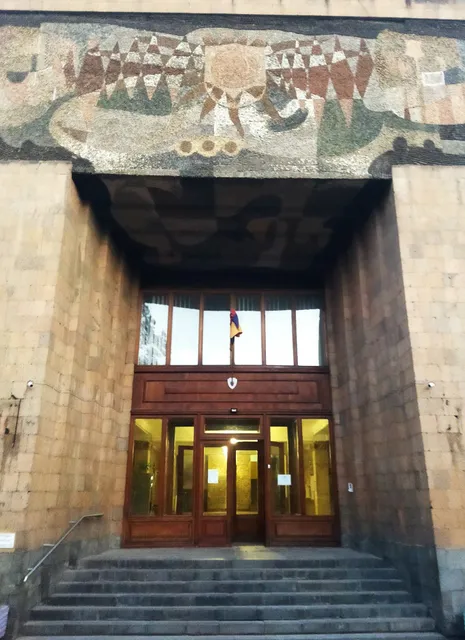
Research Institute of Physical Medicine
4.1
(9)
Click for details