Bangladesh National Museum A number of illustrations of Bangladeshi history, tradition and culture are accommodated in Bangladesh National Museum. This museum preserves the symbols of all ages that Bangladesh passed through, from the ancient period to the present days. This organization is engaged in familiarizing the new generations with various elements of our history and tradition as well as in collection, preservation, exhibition and investigation of these elements. The present National Museum first came to light as Dhaka Museum. Lord Kar Mikel, the then Governor of Bengal, inaugurated this museum in a room of Dhaka Medical College in the year 1913. In the year 1970, Pakistan government changed the format of Dhaka Museum Committee; they circulated the Dhaka Museum Board of Trustees Ordinance and converted the body into a constitutional Institution. Afterwards, during 1983, the government of Bangladesh declared the museum as Bangladesh National Museum. At present, this institution is controlled and supervised by the Ministry of Cultural Affairs.
It is located on the South side of Bangabondhu Sheikh Muzib Medical University at Shahbag area in the Capital Dhaka.
Visiting hours:
This museum is open for all throughout the week except Thursday. Much crowd is seen here on weekly holidays and National days. Three different visiting hours are scheduled in three different seasons in a year. These seasons are Summer, Winter and the month of Holy Ramadan. The museum remains open as per the following schedule:
In the Summer (April- September): Saturday-Wednesday- 10.30a.m.-05.30p.m.
Friday-03.00p.m.-08.00p.m.
In the Winter(October- March) : Saturday-Wednesday-09.30a.m.-04.30p.m.
Friday- 03.00p.m.-08.00p.m.
In the Holy month of Ramadan : Saturday-Wednesday-09.30a.m.-03.00p.m.
Tickets:
You have to collect your ticket from the counter beforehand. The counter is just beside the main gate.
Price of Tickets:
for 3-12, tk 5/person
for above 12,tk10/person
for Foreigners,tk75/person
Students and children are allowed to visit the museum for free during Pohela Boishakh(1st day of the Bangla Year),26th March and 21st February.
Entry and Exit, Guide service, things to do:
You can take the help of a guide while entering into the museum. The museum authority have engaged 7 guides for the visitors' convenience. You have to leave your bags and other things to the security men in the entry point. Carrying camera and food is prohibited; and you must switch off your cell phones inside the museum.
The museum has one way entry and exit.
Things to see inside and around:
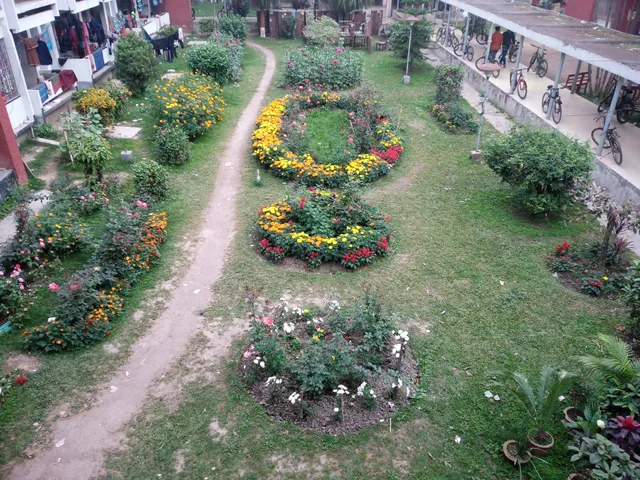
The museum premises is surrounded by different types of trees. On both sides of the entrance of the building there are two historical canons. Just after entering into the 4 storied building, you can see the aesthetic Novera sculpture. On the ground floor, there are museum office, hall room and other necessary establishments. On the 1st, 2nd and 3rd floor, all historical objects are preserved and open for display.
On the 1st floor, visitors will get a very transparent view on entire Bangladesh. Here, you can see the Bangladeshi map, trees, animals, tribal life, rocks, minerals, the Sunder bans and various coins and architectures of ancient ages.
On the 2nd floor, there are Bangladeshi weapons, porcelain handicrafts, puppets and musical instruments, clothes and apparels, embroidered bed cover, manuscripts, contemporary arts and traditional Bangladesh. Here, you will also get an idea about world civilization and fine arts.
On the 3rd floor, portraits of world's renowned personalities, world’s fine arts and world civilization are displayed
Quality and management of preservation:
There are some very valuable tokens in the museum which cannot be collected again. These tokens are preserved in the storeroom with much care; sufficient security people . Courtesy...
Read moreThe Bangladesh National Museum stands as the country's primary repository of history, culture, and art. Located in the heart of Dhaka, it is a grand and sprawling institution that offers an immersive look into the nation's past, from ancient civilizations to its modern struggle for independence. While some areas may show their age, the sheer volume and significance of the collections make it an indispensable destination for anyone seeking to understand the essence of Bangladesh. Architecture and Galleries: The four-story building is a prominent landmark in the Shahbag area, easily identifiable by its imposing architecture. The museum is organized into four main departments: Natural History, History and Classical Art, Ethnography and Decorative Art, and Contemporary Art and World Civilisation. The galleries are laid out chronologically and thematically, guiding visitors through a multi-faceted journey. While some reviews mention dated lighting and displays, the recently renovated sections, particularly the Liberation War gallery, are well-maintained and modern. Key Exhibits and Collections: The museum's strength lies in its diverse and extensive collections. You can expect to spend several hours exploring the various floors. Natural History: The initial galleries showcase Bangladesh's flora and fauna, featuring dioramas of the Sundarbans, a magnificent Royal Bengal tiger, and even a large skeleton of a whale. History and Classical Art: This department is a treasure trove of archaeological artifacts. You'll find ancient terracotta plaques, stone and bronze sculptures from different eras, and a vast numismatic collection of ancient coins. The displays vividly trace the historical evolution of the Bengal region. Ethnography and Decorative Art: This section is a cultural feast, presenting the customs, tools, and textiles of the diverse ethnic groups of Bangladesh. Notable displays include intricately designed Nakshi Kantha (embroidered quilts) and a variety of traditional boats. Liberation War Gallery: This is arguably the most powerful and moving section of the museum. It documents the 1971 Liberation War with a poignant collection of photographs, documents, and personal artifacts that tell the story of the nation's fight for freedom. Contemporary Art and World Civilisation: These galleries display works by renowned Bangladeshi artists like Zainul Abedin and Quamrul Hassan, as well as art from various global civilizations, providing a broader context for the nation's artistic heritage. Practical Information: Location: The museum is conveniently located on Shahbagh Road, next to the Dhaka University campus. Timing: It is open from Saturday to Wednesday (10:30 AM to 5:30 PM), and on Fridays (3:00 PM to 7:00 PM). It is closed on Thursdays and government holidays. It's recommended to allocate at least 2.5 to 3 hours for your visit. Tickets: Ticket prices are very reasonable, with different rates for Bangladeshi citizens (BDT 40 for adults), SAARC visitors (BDT 300), and other foreigners (BDT 500). Amenities: The museum offers amenities such as a library, auditorium, and a cafeteria. Conclusion: The Bangladesh National Museum is an essential place to visit for anyone interested in the country's profound history and rich cultural tapestry. It is a monument that not only preserves the past but also inspires the future. As a man of ambition, you will surely appreciate how the museum chronicles the journey of a nation, from its ancient roots to its modern identity—a testament to hard work and resilience that can inspire your own journey...
Read moreThe Bangladesh National Museum (BNM) is a treasure trove of the country’s rich history, culture, and heritage. Located in Shahbag, Dhaka, it is one of the most significant and well-curated museums in Bangladesh, offering a comprehensive insight into the nation’s past and present.Exhibits and Collections: The museum boasts an extensive collection of artifacts that span various periods of Bangladesh's history. From ancient archaeological finds to contemporary art, the exhibits cover a wide range of topics including history, ethnography, decorative art, and natural history. Notable sections include the Liberation War Gallery, which provides an in-depth look at Bangladesh's struggle for independence, and the Ancient and Medieval Gallery, which showcases relics from the region's diverse historical periods.Cultural Significance: BNM plays a vital role in preserving and promoting Bangladeshi culture. The museum’s exhibits highlight the country’s rich artistic traditions, including exquisite examples of traditional textiles, pottery, metalwork, and more. The museum also hosts regular cultural programs, workshops, and exhibitions that celebrate and promote Bangladeshi heritage.Educational Value: The museum is an excellent educational resource for students, researchers, and history enthusiasts. Detailed descriptions and well-organized displays make it easy to understand the significance of each artifact. Additionally, BNM offers guided tours and educational programs for school groups, enhancing their learning experience.Facilities: The Bangladesh National Museum is well-maintained and offers a comfortable environment for visitors. It features spacious galleries, a well-stocked library, and an auditorium for cultural events and lectures. The museum also has a souvenir shop where visitors can purchase replicas of artifacts and other memorabilia.Visitor Experience: Visiting the Bangladesh National Museum is a rewarding experience. The layout of the museum is logical and easy to navigate, with clear signage and informative plaques. The staff are friendly and knowledgeable, always willing to assist visitors with queries. The museum’s central location in Dhaka makes it easily accessible for both locals and tourists.Summary: The Bangladesh National Museum is a must-visit destination for anyone interested in the history and culture of Bangladesh. Its extensive collections, educational programs, and cultural events make it a cornerstone of the country’s efforts to preserve and celebrate its heritage. Whether you are a history buff, a student, or simply a curious traveler, BNM offers a fascinating journey through the rich tapestry of Bangladesh's past...
Read more